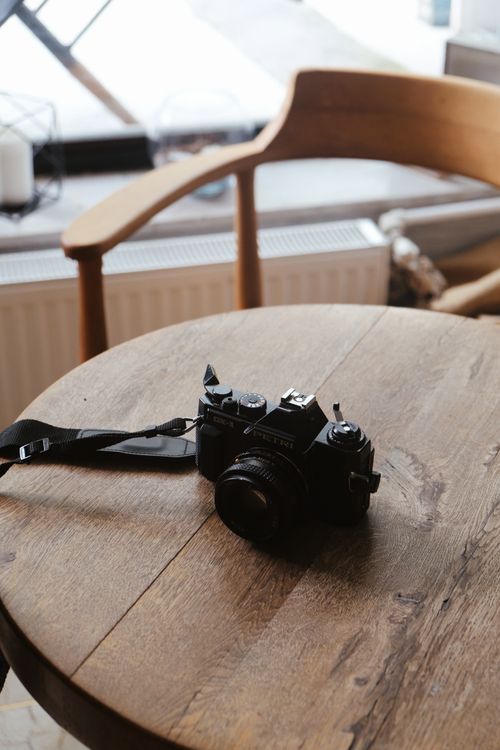
You bought the camera with business money and you use it to earn income. That means your homeowner’s or renter’s policy probably will not pay when it gets stolen, even though most photographers assume it will. Here is how camera equipment insurance actually works: what inland marine coverage is, where the gaps hide, and what a working photographer’s policy needs to cover.
 Save
SaveThe Homeowner’s Policy Trap
Homeowner’s and renter’s policies cover personal property, and most carve out business equipment with a low sublimit, often around $2,500, sometimes less. A single pro body and one f/2.8 zoom blow past that. Worse, some policies exclude business-use gear entirely. If you have ever invoiced for a shoot, read your policy’s business property clause before assuming you are covered.
 Save
SaveWhat Inland Marine Actually Means
Camera equipment insurance is technically “inland marine” coverage, a century-old term for property that moves around. The name is confusing; the product is simple. You schedule your gear (list each body, lens, and light with serial numbers and values), pay an annual premium, and the policy covers theft, drops, and damage almost anywhere, including in your car, on location, and checked luggage, depending on the policy.
Typical pricing runs roughly 1.5 to 2.5 percent of the insured value per year, so $10,000 of gear costs a few hundred dollars annually. Full replacement cost coverage is worth the small premium over actual cash value, which pays the depreciated number instead of what a new body actually costs.
 Save
SaveThe Gaps That Catch Working Photographers
- Unscheduled items. New gear is not covered until you add it. Most policies give you a grace window of 30 days or so for new purchases, but you have to actually update the schedule.
- Vehicle theft. Some policies exclude or limit theft from an unattended vehicle. If your trunk is your gear locker, check this clause first.
- International travel. Coverage territory varies. “Worldwide” sometimes excludes checked baggage or specific countries.
- Rented and borrowed gear. Your policy covers what you own. Rentals need their own coverage, either from the rental house or a rider.
- Liability is separate. Equipment coverage pays for your gear. If a guest trips over your light stand, that is general liability, a different policy, and one most venues now require.
 Save
SaveWhat to Have Ready When You Buy
Insurers want a gear list with serial numbers, purchase dates, and values, plus photos of receipts where you have them. Keep this list current in a spreadsheet and update it the day new gear arrives. The photographers who get claims paid fast are the ones whose paperwork was already done.
For the broader picture of protecting a photography business, our photography insurance hub covers liability, equipment, and specialty policies in one place, and the national park permit and insurance guide covers the coverage parks require for commercial shoots. Setting up the business side properly starts in our photography business guide.
Keep your private equipment records organized
For your own equipment records, keep photos, purchase records and notes organized in private files. A black Samsung T7 Shield portable SSD, 1TB model MU-PE1T0S/AM, is one storage option to compare. Check capacity and your computer connection before buying. Open the copied files and maintain another checked copy separately. A drive does not replace a complete backup plan, establish insurance coverage or meet any particular insurer or venue requirement. Compare the current retailer specifications; no hands-on test, price or stock promise is being made here.
Compare Samsung T7 Shield Portable SSD Black 1TB MU-PE1T0S/AM on Amazon | Check Samsung T7 Shield Portable SSD Black 1TB MU-PE1T0S/AM at B&H
Affiliate disclosure: We may earn a commission from qualifying purchases through these gear links at no extra cost to you. As an Amazon Associate, Shut Your Aperture earns from qualifying purchases.