Most real estate photographers do not need more megapixels. They need a sensor that can handle a bright window behind a dark leather couch without blowing the sky or crushing the shadows into gray mush. That is a different problem, and it needs a different buying framework.

This guide is written from the field. We shoot MLS listings, luxury properties, Airbnbs, and commercial interiors. The cameras below were evaluated on what actually matters for this work: dynamic range at base ISO, HDR bracket cycle speed, electronic shutter behavior, and ultra-wide lens compatibility. For a deeper grounding in how aperture and ISO affect your interior exposures, read our aperture photography primer and ISO photography guide.

What Real Estate Photography Actually Demands from a Camera

Real estate interiors are high-contrast scenes. You are always fighting a bright exterior window against a dim interior lit by mixed color-temperature sources. Your sensor does not adapt the way your eye does, which is why the working framework here focuses on three things: dynamic range, bracket speed, and lens ecosystem. High megapixels and fast autofocus are irrelevant on a tripod at f/8.

What actually moves the needle:

  • Dynamic range at base ISO. Target 13 stops minimum, 14+ preferred. Every extra stop of DR at ISO 100 is one less HDR frame you need to blend cleanly.
  • HDR bracketing speed. A 5-frame bracket at 2 EV steps with an electronic shutter and 2-second self-timer should complete in under 3 seconds. Slower and you get ghost problems from ceiling fans, foot traffic, and curtains.
  • Ultra-wide lens compatibility. Interior real estate lives at 16 to 20mm on full-frame. The camera needs an ecosystem that covers this range without excessive distortion or corner softness.
  • RAW output quality. Full 14-bit RAW at bracket speed. Some cameras drop to 12-bit in faster modes and you lose significant shadow latitude.

What does not matter as much as the marketing implies: megapixels above 24MP for MLS delivery, animal-tracking AF, 20fps burst, and 8K video.

The Non-Negotiables Checklist

Every camera in this guide meets these thresholds.

  • 13+ stops DR at base ISO. Modern full-frame sensors from Sony, Nikon, and Fujifilm GFX all clear this. Anything less and you are fighting your gear on every merge.
  • Electronic shutter with manageable rolling shutter. You want a 5-frame bracket cycle without vibration from mechanical shutter slap. Rolling shutter issues are flagged where relevant.
  • 14-bit RAW at usable bracket speeds. Some cameras switch silently to 12-bit above certain frame rates. Confirm this before committing to any body for paid work.
  • Weather sealing. Exterior shoots mean morning dew, light rain, and coastal humidity. A sealed body is not optional at 30 shoots a month.
  • Dual card slots. Losing a shoot to a card failure on a paid assignment is not acceptable. Single-slot cameras are a business liability.

Comparison Table: Top Cameras for Real Estate Photography 2026

Camera Sensor Dynamic Range Bracketing Best Lens Pairing Price Tier Best For
Sony A7 IV 33MP BSI CMOS FF ~14 stops 5-frame, 2 EV steps Sony FE 16-35mm f/4 G $2,500 All-rounder workhorse
Nikon Z8 45.7MP BSI CMOS FF ~14 stops (ISO 64) 9-frame, up to 3 EV Nikkor Z 14-30mm f/4 S $3,800 Best DR under $4K
Canon R6 Mark II 24.2MP CMOS FF ~12 stops 7-frame AEB, 40fps e-shutter RF 15-35mm f/2.8 L IS $2,500 Canon system, fast HDR
Canon R5 45MP CMOS FF ~13.5 stops 7-frame AEB RF 15-35mm f/2.8 L IS $3,900 High-res Canon, luxury listings
Fujifilm GFX 100S II 102MP BSI CMOS MF ~15 stops (ISO 80) 5-frame AEB GF 20-35mm f/4 R WR $5,000 Medium format, luxury properties
Sony A7C II 33MP BSI CMOS FF ~14 stops 5-frame, 2 EV steps Sony FE 16-35mm f/4 G $2,200 Compact body, Airbnb, quick-turn
Nikon Z6 III 24.5MP BSI CMOS FF ~13.5 stops 9-frame AEB Nikkor Z 14-30mm f/4 S $2,500 Stills plus agent walkthrough video
Sony A7R V 61MP BSI CMOS FF ~14.5 stops 5-frame, 2 EV steps Sony FE 16-35mm f/4 G $3,900 High-res delivery, large print
Sony A7 III (used) 24.2MP BSI CMOS FF ~15 stops 5-frame, 2 EV steps Tamron 17-28mm f/2.8 $850-$1,200 Budget entry, outstanding DR
OM System OM-1 Mark II 20MP Four Thirds ~13.6 stops 7-frame AEB M.Zuiko 7-14mm f/2.8 PRO $2,400 Compact system, handheld HDR

Detailed Reviews: Top 5 Cameras for Real Estate Work

Sony A7 IV: The All-Rounder Workhorse

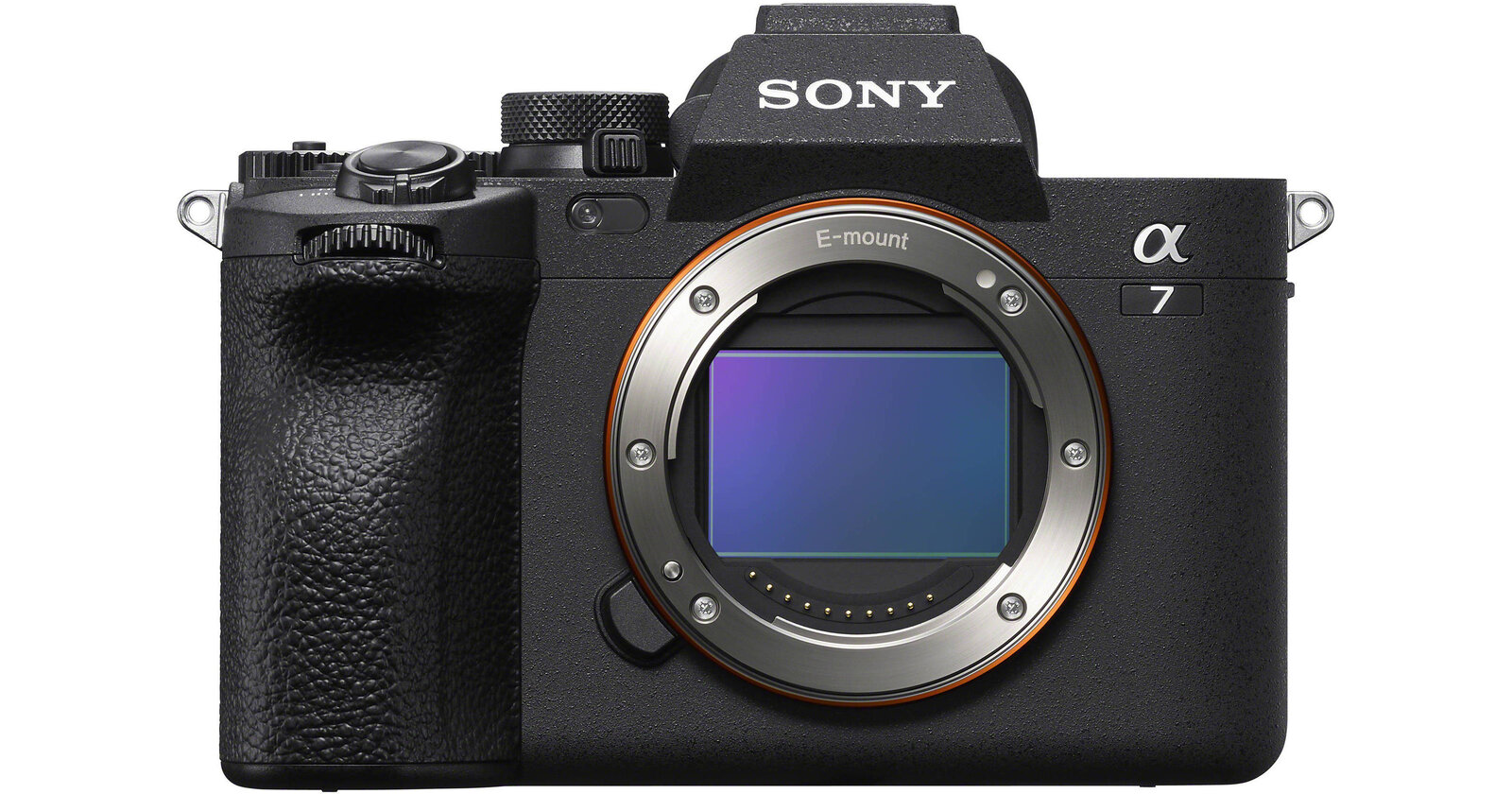
The Sony A7 IV is the camera most working real estate photographers should buy. The 33MP BSI sensor delivers approximately 14 stops of DR at base ISO. Files push hard in Lightroom without shadows falling apart across a 300-image shoot. The bracket implementation is reliable: 5-frame cycles complete using the electronic shutter with a 2-second self-timer, no mechanical vibration, no buffer problems at the frame rates you use for HDR work. Rolling shutter is a non-issue for static tripod shooting.

The lens ecosystem seals it. The Sony FE 16-35mm f/4 G is purpose-built for interiors: sharp corner to corner at f/8, controlled distortion, small enough not to clip ceiling lines in tight rooms. Add dual card slots (CFexpress A plus SD UHS-II), weather sealing, and 10-bit video for agent walkthrough content, and you have a full-service kit at $2,500 body-only. See our camera buyer guide if you want to understand how to evaluate these specs before committing.

Nikon Z8: Best Dynamic Range Under $4K

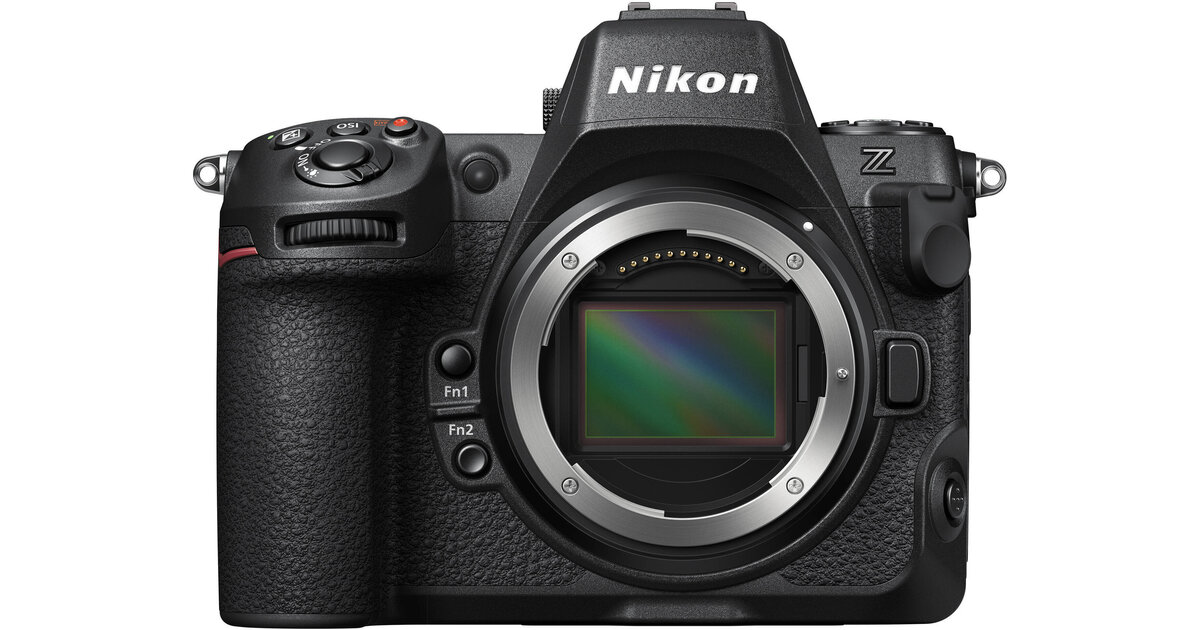
The Nikon Z8 puts a stacked 45.7MP sensor in a well-built body at $3,800. At ISO 64 it delivers approximately 14 stops of DR. The AEB flexibility is the technical standout: up to 9 frames at up to 3 EV apart, which covers extreme contrast situations that would require more frames on a lesser sensor. The stacked readout keeps rolling shutter from being a meaningful concern for static tripod shooting.

The Nikkor Z 14-30mm f/4 S is one of the best ultra-wide lenses in any system; its flat front element accepts 82mm filters, which is useful for exterior graduated ND work. Tradeoffs: CFexpress B cards are more expensive than SD, and battery life sits around 330 shots per charge. Carry spares. For Nikon Z system shooters upgrading from a D850 or Z6 II, the bracket speed and shadow latitude improvement is immediately visible.

Canon R6 Mark II: Best for Canon Shooters, Fast HDR

The Canon R6 Mark II at $2,500 sits at approximately 12 stops of DR, the lowest on this list. But Canon-invested photographers have already bought their RF glass, and switching systems for one extra stop of DR rarely makes financial sense. The AEB implementation is clean: up to 7 frames, 0.3 to 3 EV steps, self-timer fires all frames hands-free on a tripod.

One important caveat: the R6 II drops to 12-bit RAW in high-speed electronic shutter mode, costing you shadow latitude. Shoot bracket sequences in mechanical shutter mode at or below 1/200s in 14-bit RAW to get the sensor’s best output. The RF 15-35mm f/2.8 L IS is the natural pairing: genuinely excellent at 15mm, covering tighter rooms than any 16mm Sony or Nikon alternative can reach. IBIS rated to 8 stops helps on exterior handheld shots when a tripod is impractical.

Fujifilm GFX 100S II: Medium Format for Luxury Listings

The Fujifilm GFX 100S II at $5,000 is for photographers billing at $2,000-per-day luxury architectural rates, where clients expect a result that looks visibly different from full-frame. The 102MP medium format sensor at ISO 80 delivers approximately 15 stops of DR, best-in-class at this price. The difference shows in shadow detail in dark corners and in the rendering quality of materials like stone and wood grain that looks tactile rather than flat. At 102MP, crop flexibility for tight compositions is significant.

Bracketing covers up to 5 frames at up to 3 EV steps with electronic shutter available for vibration-free shooting. The GF 20-35mm f/4 R WR provides approximately 16mm full-frame equivalent field of view on the GFX sensor. Limitations: 4K video caps at 30fps, AF is improved but not Sony-level, and battery life is around 530 shots per charge. None of those things matter if your primary deliverable is stills for a luxury listing where the agent is paying a premium for the quality difference.

Sony A7C II: Best Compact for Airbnb and Quick-Turn Shoots

The Sony A7C II shares the A7 IV’s 33MP BSI sensor: same approximately 14 stops of DR, same bracket behavior, $300 cheaper. The physical tradeoffs are smaller grip, no top LCD, and fewer direct controls, none of which affect tripod-based bracket work. What the A7C II gains is a form factor that fits in a smaller bag, draws less attention in occupied homes, and is more comfortable across a 6-unit Airbnb day in tight spaces.

The fully articulating touchscreen is a real workflow advantage over the A7 IV’s tilt-only design for low-angle bathroom and kitchen shots. The one legitimate limitation for professional use is a single card slot. Mitigate this by backing up to a laptop or SSD before leaving each property. If dual-card redundancy is non-negotiable, pay the extra $300 for the A7 IV. For high-volume quick-turn work, the A7C II is the right tool.

Best Ultra-Wide Lenses to Pair with Your Camera

The right camera paired with the wrong lens will underperform. For interior real estate work, the 16-35mm f/4 class at B&H is the standard recommendation across all systems:

  • Sony E-mount: Sony FE 16-35mm f/4 G is the benchmark. The Tamron 17-28mm f/2.8 is sharper and faster at $800 if you can give up 1mm of coverage.
  • Nikon Z-mount: Nikkor Z 14-30mm f/4 S is the standout. Its flat front element accepts 82mm filters, which matters for exterior graduated ND work.
  • Canon RF-mount: RF 15-35mm f/2.8 L IS is optically the best ultra-wide zoom in this comparison. At $2,400 it costs nearly as much as the R6 II body. The RF 16mm f/2.8 pancake is a sharp $300 alternative for single-focal-length shooters.
  • Fujifilm G-mount: GF 20-35mm f/4 R WR gives approximately 16mm full-frame equivalent field of view on the GFX sensor.
  • Micro Four Thirds (OM System): M.Zuiko 7-14mm f/2.8 PRO covers 14-28mm full-frame equivalent, the right range for tight interiors.

Budget Pick: Sony A7 III and Tamron 17-28mm

If you cannot justify $2,500 on a body, the used Sony A7 III is the strongest budget entry point in 2026. Current used market pricing runs $850 to $1,200 for clean bodies, a fraction of the A7 IV’s cost, for a sensor that many testers still rank among the best-measured full-frame sensors for shadow recovery ever produced at approximately 15 stops of DR at base ISO. Age shows in the video specs and menus, but none of that matters for bracket shooting on a tripod.

Pair it with the Tamron 17-28mm f/2.8 Di III RXD for E-mount at around $700 new, and you have a weather-sealed kit covering 17-28mm at f/2.8, sharp corner to corner by f/5.6, for under $2,000 total. It will pay for itself inside 20 shoots.

Workflow Note: Why HDR Bracket Speed Matters More Than Sensor Size

The most common gear mistake new real estate photographers make is buying megapixels to solve an exposure problem. A 61MP sensor in a high-contrast interior still blows windows and crushes shadows if your bracket workflow is slow or your DR is thin. The real operational lever is how many clean frames your camera can deliver in a short window, and how much shadow and highlight data survives in each frame at base ISO.

The standard real estate bracket is 5 frames at 2 EV steps, covering a 10-stop range around the metered exposure. On a 13 to 15 stop sensor, this captures essentially everything in even a high-contrast interior. If your camera completes that bracket cleanly in under 3 seconds, you are in good shape. Slower than that and you get ghosting from ceiling fans, curtains, and anything else that moves between frames. Sensor size gives you a rendering quality difference your clients may or may not be willing to pay for. Good bracketing technique on a 14-stop full-frame sensor covers 95% of real estate work without compromise.

Tripod and Lighting Notes

A carbon fiber tripod in the 2.5 to 4 pound range is the standard for real estate work: light enough for a multi-unit shoot day, stable enough to deliver sharp results at 1/4s. Pair it with a ball head with an Arca-Swiss clamp and a built-in level. Carbon fiber travel tripods at B&H from Gitzo and Benro cover the $200 to $500 range well.

For lighting, the Godox AD200 is the standard off-camera flash for flambient work: 200Ws, compact, and compatible with the Godox X trigger system. For purely ambient HDR bracket work in typical residential interiors, you do not need additional lighting. Commercial interiors with high ceilings and multiple dark zones are where a pair of speedlights on stands earns their keep.

Common Buyer Mistakes

  1. Chasing megapixels over dynamic range. A 24MP Sony A7 IV outperforms a high-megapixel camera with inferior DR at every real estate merge. Megapixels stopped being the meaningful differentiator for this genre years ago. Look at measured DR first.
  2. Missing the 12-bit electronic shutter trap. Several popular cameras drop to 12-bit RAW in high-speed e-shutter mode, costing you shadow latitude exactly when you think you are gaining convenience. Test your camera’s bracket output in full-quality 14-bit RAW mode before relying on it on a paid shoot.
  3. Accepting a single card slot on paid assignments. One card failure means one reshooting job. Dual slots are not a preference for professional work, they are insurance.
  4. Undervaluing the lens ecosystem. A $3,000 body with a mediocre ultra-wide will underperform a $2,000 body with a purpose-built native lens. The glass is often the ceiling, not the sensor.
  5. Skipping weather sealing. Exterior shoots happen in fog, drizzle, and coastal humidity. A sealed body and a $200 deductible is better math than an unsealed body and a repair bill.
  6. Assuming mirrorless is automatically better. The camera does not fix technique problems. A well-used Canon 5D Mark IV on a tripod with a sharp lens still outperforms a mirrorless body handled poorly. Mirrorless has real advantages for this work, but they are workflow advantages, not magic.

Frequently Asked Questions

What is the best camera for real estate photography under $2,000?

The used Sony A7 III. Around 15 stops of DR, weather sealing, dual card slots, and full E-mount lens access at $850 to $1,200 for clean bodies. Pair with the Tamron 17-28mm f/2.8 and you have a complete working kit under $2,000. If you want something new, the Sony A7C II shares the same 33MP sensor as the A7 IV and occasionally goes on sale near $1,900.

Do I need a full-frame sensor for real estate photography?

No. The OM System OM-1 Mark II delivers approximately 13.6 stops of DR on Micro Four Thirds and pairs with a 7-14mm f/2.8 PRO that covers the right field of view for interiors. For volume MLS work, MFT is a legitimate option. For luxury architectural work where shadow recovery and material rendering quality matter, full-frame or medium format is worth the additional investment.

Mirrorless vs. DSLR for real estate photography in 2026?

Mirrorless for any new purchase. Electronic shutters eliminate tripod vibration in bracket sequences, live histograms confirm exposure without chimping, and articulating screens help in kitchens and bathrooms. If you already own a working 5D Mark IV or D850, no reason to sell it. Buying new in 2026, every major system’s mirrorless line is the better long-term investment.

How many megapixels do I need for MLS real estate photography?

MLS specs vary, but the practical floor is well below what any modern camera produces. For print marketing, 24MP covers standard sizes cleanly. For large-format print or significant cropping room, 33 to 45MP is the right target. Above 61MP, files become logistically cumbersome across a full shoot day for no meaningful MLS delivery benefit. The A7 IV’s 33MP is the practical sweet spot.

Do I need a tilt-shift lens for real estate photography?

Not for most residential work. Lightroom and Capture One handle perspective correction well when lenses have accurate distortion profiles. Tilt-shift glass is the right tool when software correction requires unacceptable cropping, or when a client contract requires optically-corrected verticals. Most residential photographers will never need one.

Should I buy used or new for a real estate photography camera?

Used makes sense for proven, depreciated platforms: Sony A7 III, A7R III, and Nikon Z6 II all perform well for real estate work and can be found under $1,000. New makes more sense for current-generation bodies where depreciation has not run far: the A7 IV, Z8, and GFX 100S II are close enough in used and new pricing that buying new is often the better call. Whatever you buy used, confirm shutter count and request test RAW files before committing.