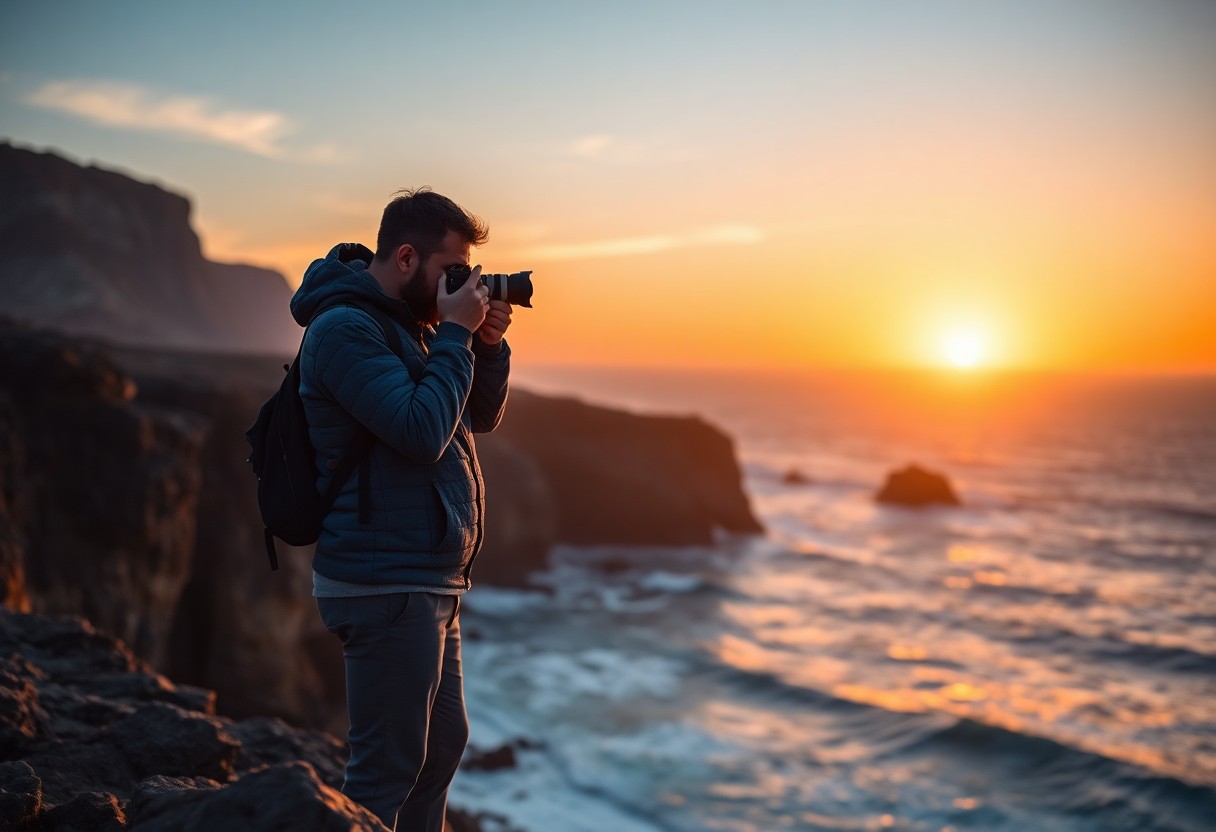
Over the years, you may have witnessed astonishing natural events that left you in awe, prompting the desire to capture their beauty through photography. Learning how to document these elusive moments effectively not only enhances your skills but also allows you to share the splendor of nature with others. In this post, we will explore various techniques, equipment choices, and tips that will empower you to immortalize these extraordinary phenomena, ensuring that your images resonate with the same wonder you experienced firsthand.
Understanding the Sublime
Before you can capture the sublime beauty of rare natural phenomena, it’s imperative to comprehend what the sublime truly means. The sublime encompasses experiences that evoke awe, wonder, and sometimes even fear, through the striking power and beauty of the natural world. Being attuned to these elements will enrich your perception and enable you to convey their impact in your work.
Definition and Context
On a fundamental level, the sublime refers to a quality that transcends ordinary beauty, eliciting overwhelming feelings of admiration and reverence. It often resides in vast landscapes, intense weather events, or unique ecological occurrences that connect you to something larger than yourself, highlighting the power and magnificence held within the natural environment.
Historical Perspectives
Perspectives on the sublime have evolved over centuries, influencing how you appreciate nature’s grandeur. From the 18th-century philosophical inquiries of Edmund Burke and Immanuel Kant to the Romantic poets who celebrated nature’s chaotic beauty, these historical contexts shape your understanding and emotional response to the sublime. By exploring these notions, you can deepen your connection to the phenomena you wish to capture.
Consequently, engaging with these historical perspectives allows you to appreciate how different cultures and time periods interpreted the sublime. Each era brings unique insights, imparting lessons on how raw beauty and profound experiences can be documented and celebrated within your own practice. This understanding can inspire you to approach rare natural phenomena with a transformed mindset, enhancing the depth and meaning of your captures.
Types of Rare Natural Phenomena
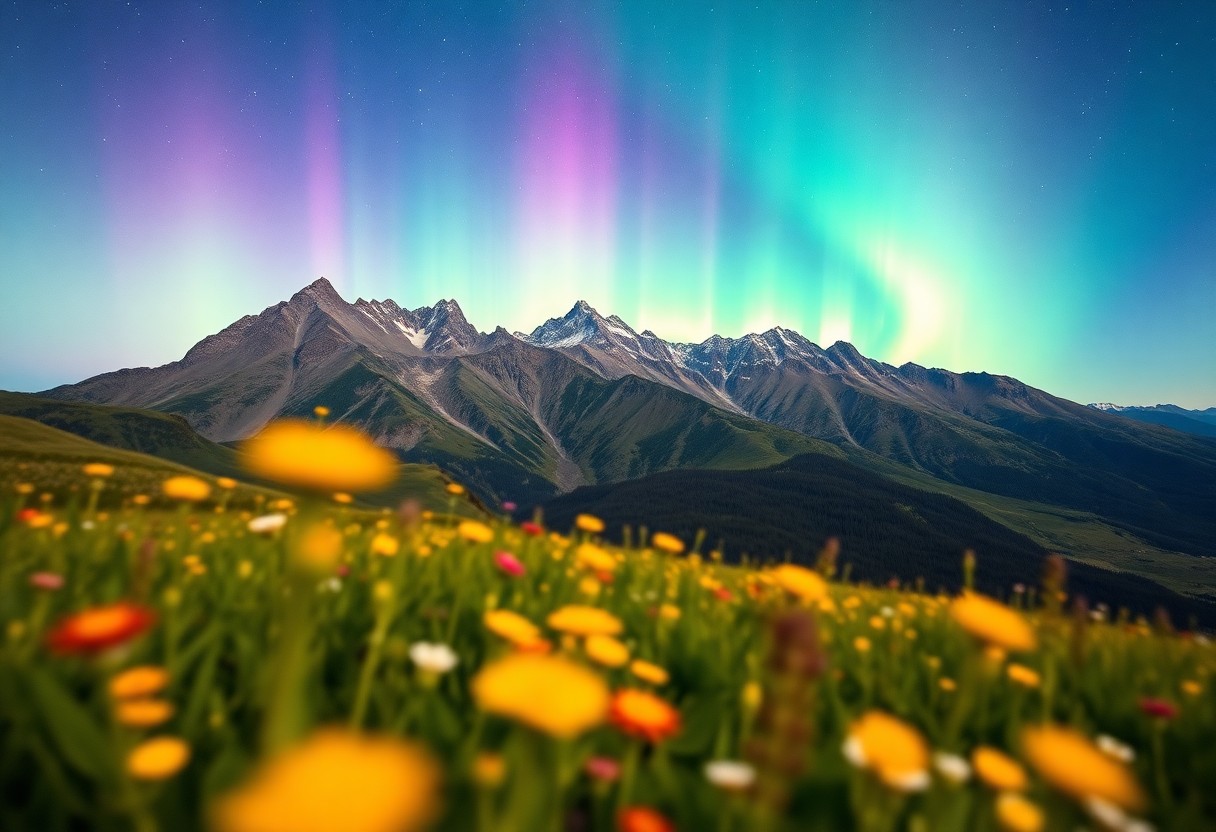
Now, you can explore a variety of rare natural phenomena that capture the imagination and inspire wonder. Below are some categories to consider:
|
|
|
|
|
|
|
|
|
|
Perceiving these rare moments requires patience and a sense of adventure, as they often occur unexpectedly and inspire awe in those fortunate enough to witness them.
Celestial Events
Across the universe, celestial events such as meteor showers, eclipses, and the appearance of comets provide stunning opportunities for observation. These phenomena often require specific timing and location for optimal viewing, so plan ahead to experience these magical moments.
Geological Wonders
Celestial wonders are matched by incredible geological formations that include phenomena like geysers, volcanic eruptions, and unique rock formations. You’ll find that these events offer a glimpse into the Earth’s dynamic processes and can be breathtakingly beautiful to witness.
Events like the eruption of a volcano or the sudden appearance of a geyser create powerful visual experiences that connect you with the Earth’s inner workings. Whether it’s witnessing the formation of unique landscapes or observing the impact of natural forces, you gain insight into the planet’s geology and the intricate systems that shape it. Engaging with these geological wonders invites you to appreciate the raw power of nature and its artistic capabilities.
Techniques for Capturing Beauty
Despite the challenges posed by rare natural phenomena, mastering several techniques can help you capture their unique beauty. Focusing on your equipment and settings is imperative to bringing out the luminous qualities of these events. Whether you’re using a camera, drone, or smartphone, understanding composition, lighting, and timing will make all the difference in your results.
Photography Tips and Techniques
Any aspiring photographer should consider the following tips to enhance their work during these magical moments:
- Use a tripod to stabilize your camera and prevent blur.
- Explore different angles to find the most dynamic shot.
- Pay attention to the lighting conditions; early morning or late evening light often yields stunning results.
After you’ve captured your images, reflect on the unique moments you experienced to further deepen your connection with the scene.
Creative Writing and Reflection
On capturing sublime moments through words can evoke a powerful emotional response. By translating your observations into vivid imagery, you allow your audience to experience the beauty you witnessed. It’s important to articulate not just what you saw, but also how it felt, engaging your readers’ imagination.
At the heart of creative writing is the reflection on your personal experience. By delving into your thoughts and emotions during these natural phenomena, you create an authentic narrative. Describe the sensations, the sounds, and the colors in your surroundings. This introspective approach not only enhances your storytelling but also invites your readers to connect with the profound beauty of nature more deeply. Keep a journal or blog to chronicle your thoughts, making each moment live on through your writing.
The Role of Technology
For photographers and nature enthusiasts alike, technology has revolutionized the way you can document and share the remarkable beauty of rare natural phenomena. With an array of advanced tools and techniques at your disposal, you can capture stunning visuals that were once unimaginable. From high-resolution cameras to innovative editing software, technology not only enhances your ability to observe but also elevates the art of storytelling through imagery.
Drones and Aerial Photography
On the cutting edge of capturing the sublime are drones and aerial photography, which allow you to explore and document landscapes from breathtaking new perspectives. With the capability to reach remote and elevated locations, drones empower you to capture phenomena that are usually hidden from the naked eye. This technology enhances your visual storytelling by providing unique angles and compositions, making your images more impactful.
Time-Lapse and Video Capture
Above static images, time-lapse and video capture enable you to showcase the dynamic nature of rare phenomena in a way that still photography cannot. By compressing time, you allow viewers to witness the gradual transformation of landscapes and weather events, creating a captivating narrative. This technique highlights the beauty of fleeting moments, inviting your audience to experience nature’s wonders as they unfold.
Role of time-lapse and video capture in documenting rare natural phenomena cannot be overstated. By recording events over extended periods, you can reveal intricate details such as the movement of clouds, changing light conditions, or the growth of flora. This medium not only enhances your storytelling but also allows you to emphasize the transient beauty of nature, encouraging a deeper appreciation among your audience. As you master these techniques, you will find new ways to inspire and connect with others through your visual interpretations of the sublime.
Ethical Considerations
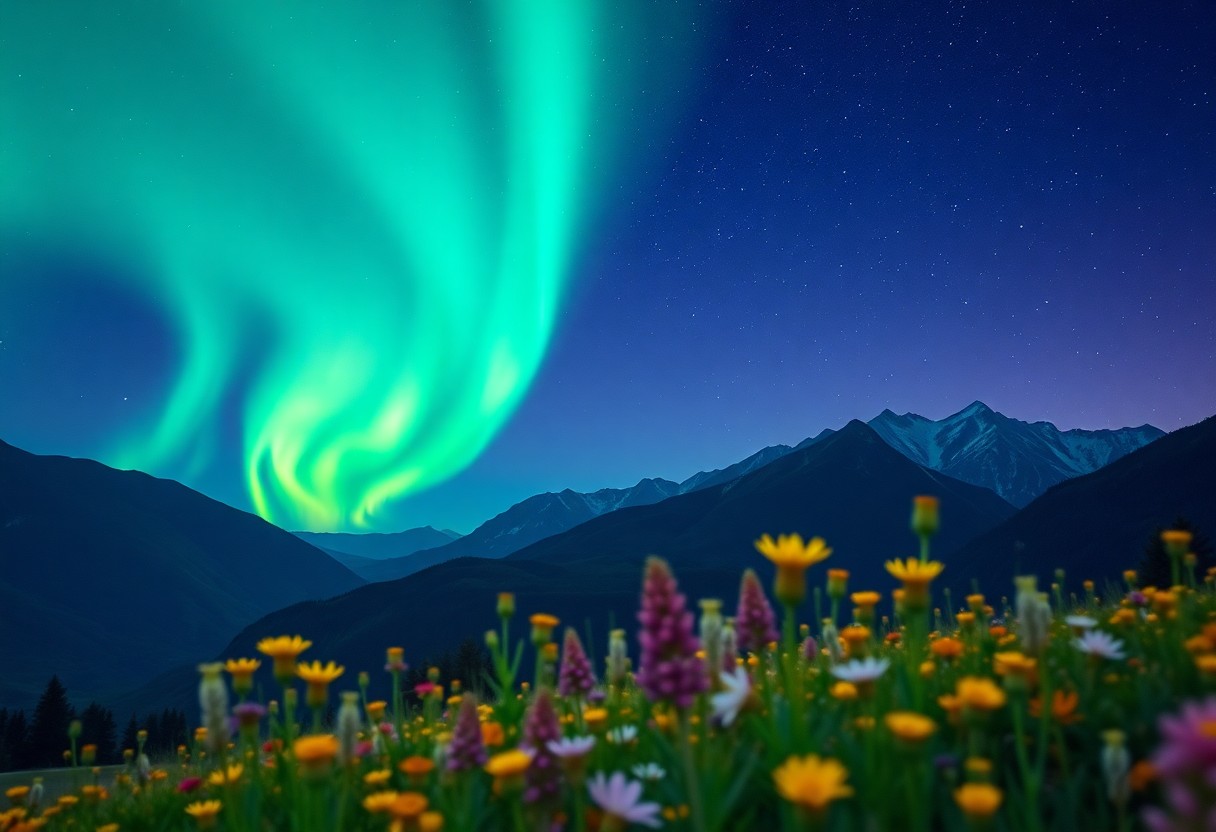
Your pursuit of capturing rare natural phenomena should be guided by ethical considerations that prioritize the well-being of the environment and its inhabitants. Engaging in responsible photography means avoiding disturbances to wildlife and ecosystems. Always adhere to local regulations and guidelines, as these are designed to protect the delicate balance of nature while still allowing for appreciation and understanding of these splendid occurrences.
Conservation and Respect for Nature
Before you venture into capturing awe-inspiring sights, consider the impact of your presence on the local ecosystem. Take steps to minimize your footprint by sticking to established paths and avoiding sensitive areas. By respecting nature and its inhabitants, you contribute to conservation efforts and ensure that future generations can also experience these magnificent phenomena.
The Impact of Online Sharing
Beside the thrill of sharing your experiences online, you should contemplate the broader consequences of posting images of rare natural phenomena. Your social media presence can influence others to visit these locations, which may inadvertently lead to overexploitation and environmental degradation.
Hence, while sharing your captivating content may inspire others, it also has the power to attract large crowds to fragile areas. This can diminish the very beauty that drew you there in the first place and threaten the habitats of the creatures that reside within them. Therefore, it’s wise to strike a balance between sharing your art and taking measures to protect these irreplaceable natural wonders from harm.
Inspiring Examples
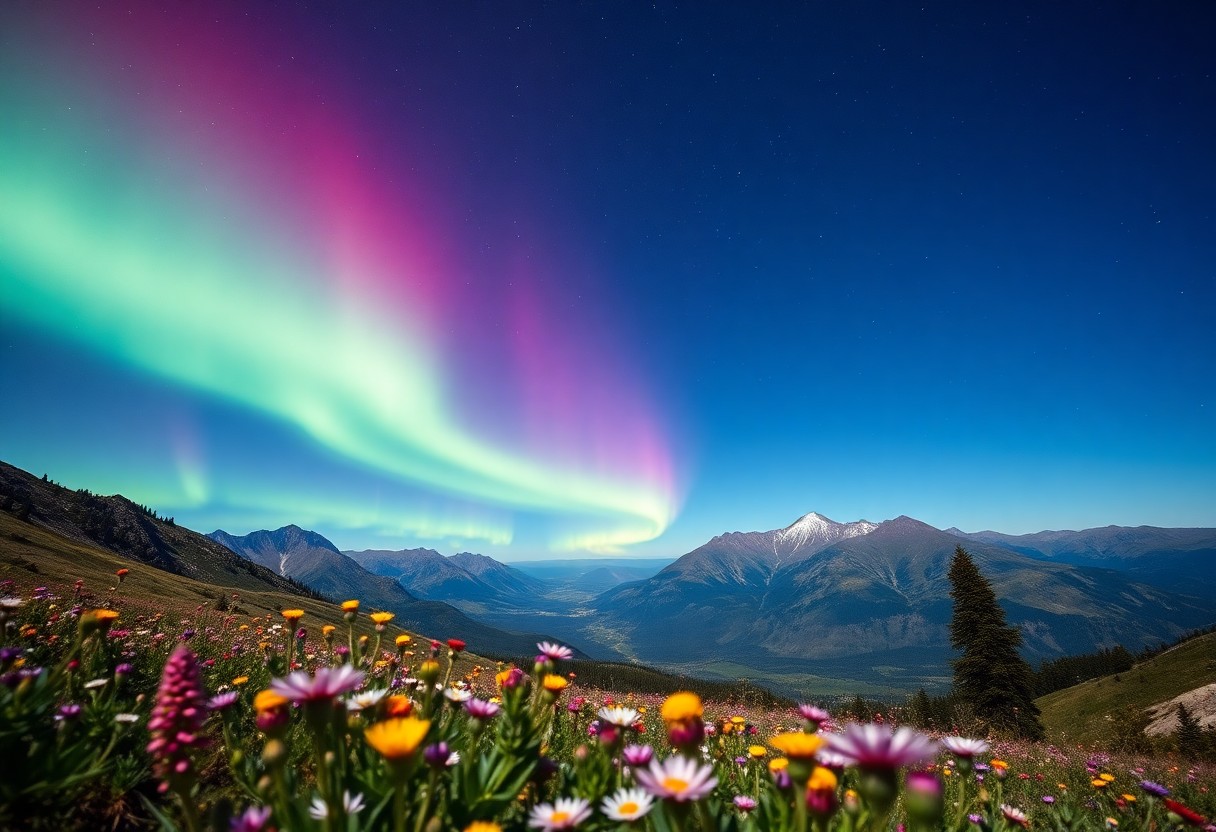
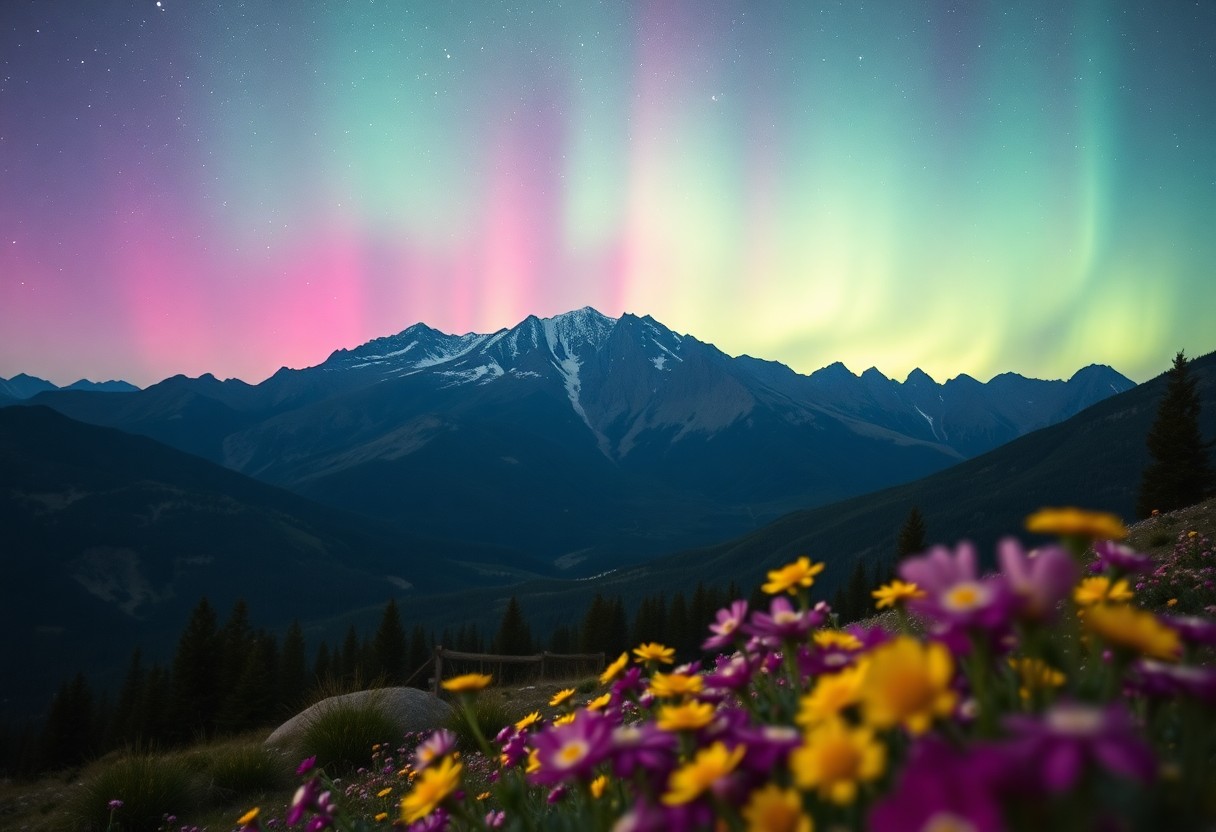
Not all natural phenomena are celebrated equally, yet those that capture the public’s imagination often inspire awe and intrigue. From the ethereal beauty of the Northern Lights to the mesmerizing dance of bioluminescent waves, these rare events serve as a reminder of nature’s artistry. By studying notable instances and the emotions they evoke, you can learn how to communicate your own experiences effectively through your creative lens.
Notable Photographers and Their Work
Inspiring photographers such as National Geographic’s Reza Deghati and Vincent Kohler have masterfully captured the drama and transcendence of rare natural events. Their work not only showcases stunning visuals but also conveys powerful narratives that resonate deeply with viewers. Exploring their portfolios can provide you with valuable insight into composition, lighting, and storytelling techniques that can enhance your own photographic endeavors.
Cultural Representations of Sublime Beauty
With a rich tapestry of artistic interpretations, cultures across the globe reflect on the sublime beauty of nature through various media. From traditional paintings to modern installations, these representations often symbolize deeper meanings, connecting humanity with the greater universe.
It is fascinating to observe how different cultures embody sublime beauty in their art and folklore. For instance, Japanese aesthetics embrace the concept of ‘Mono no Aware,’ highlighting the fleeting beauty of nature, while Romantic poetry often draws inspiration from grand landscapes. These cultural narratives enhance your understanding of how sublime experiences shape human expression and can inspire you to explore meaningful themes in your own creative work.
Summing up
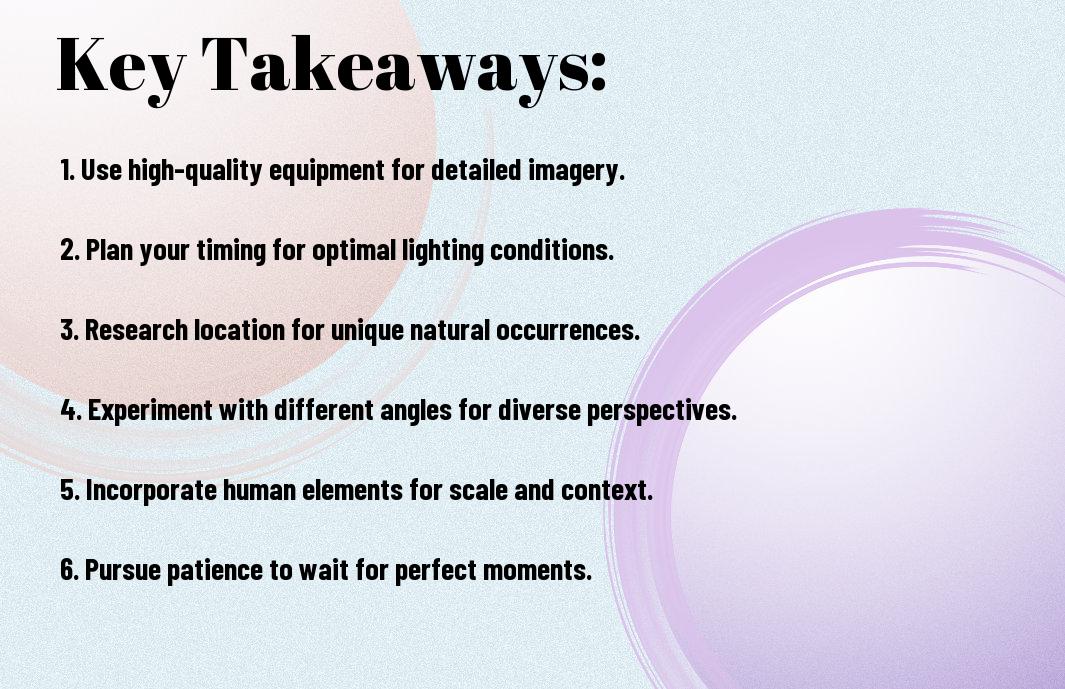
Drawing together the techniques for capturing the sublime beauty of rare natural phenomena, you can enhance your photography by understanding the science behind the events, choosing the right equipment, and mastering composition. Use natural light to your advantage, scout locations ahead of time, and practice patience to seize those fleeting moments. By immersing yourself in the environment and honing your skills, you can create stunning images that evoke the awe and wonder of nature, allowing you to share these extraordinary experiences with others.