Original date December 24, 2023. Updated November 2026.
Classic wedding photography is a way to make clear, enduring images of the people and events a couple cares about. It is not a fixed filter, a gear list, or a rule that every wedding must look the same. The classic approach is a working method: agree on priorities with the couple, plan the photographs that will still matter in twenty years, then leave room for the candid moments that no plan can schedule. This guide walks through that method from the first conversation to the final checked backup. For broader preparation, the wedding photography guide covers the genre end to end, and our essential wedding tips collects quick, practical advice.
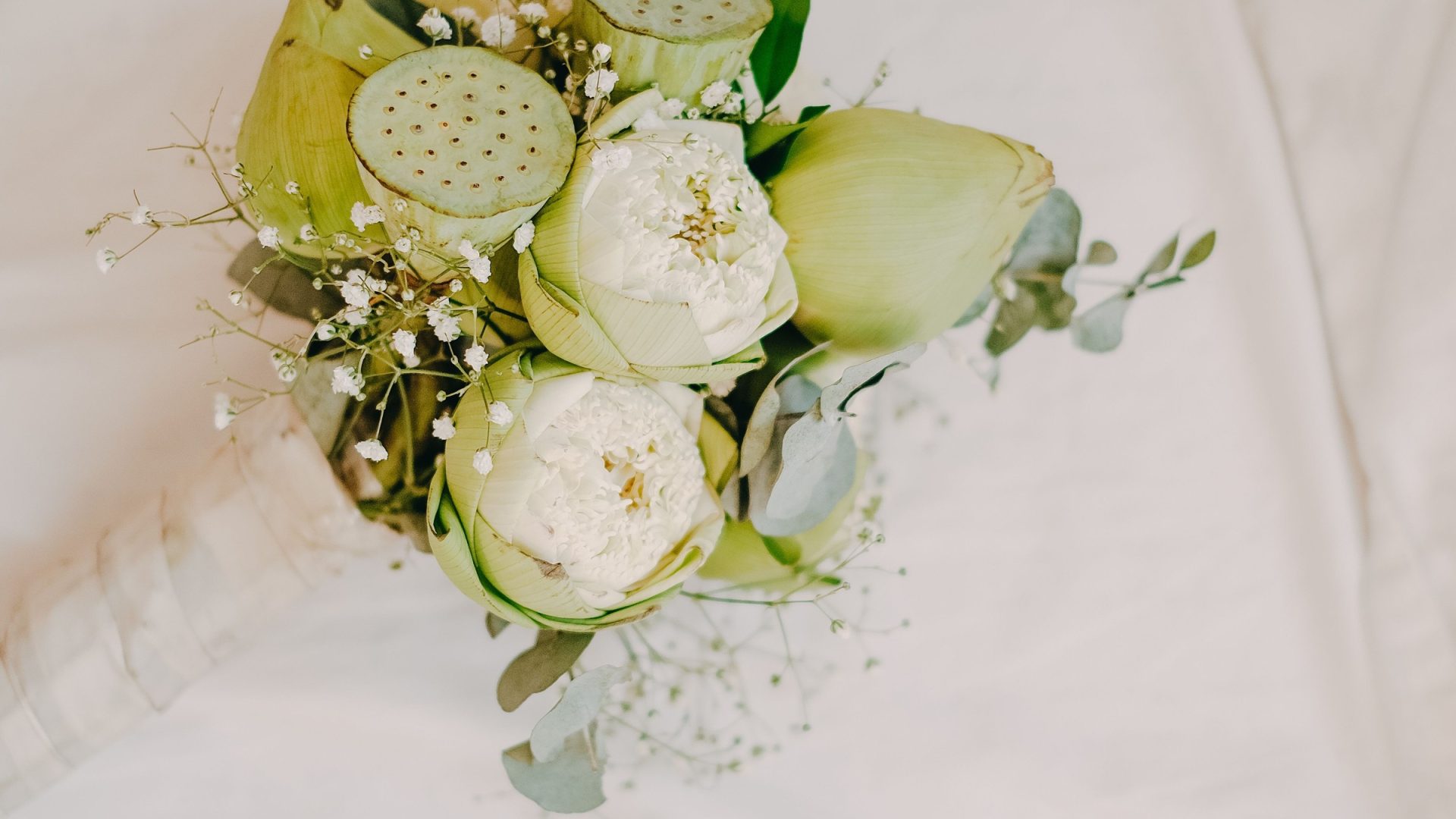
Featured photograph: a wedding bouquet on white sheets. Photo by Pew Nguyen via Pexels (Pexels license). (Stock photo, illustrative.)
A Classic Wedding Photography Plan
Everything downstream gets easier when the plan is settled before the day. Three conversations do most of the work. First, the essential people: ask the couple for a short family and group list with names and relationships, and agree on who can gather each group. A friend or family member who knows everyone by face is the single most valuable helper you can have on the day – they can point out that two relatives should not be posed next to each other and can round up a wandering group in seconds, so recruit them early. Avoid making assumptions about families or traditions; ask instead.
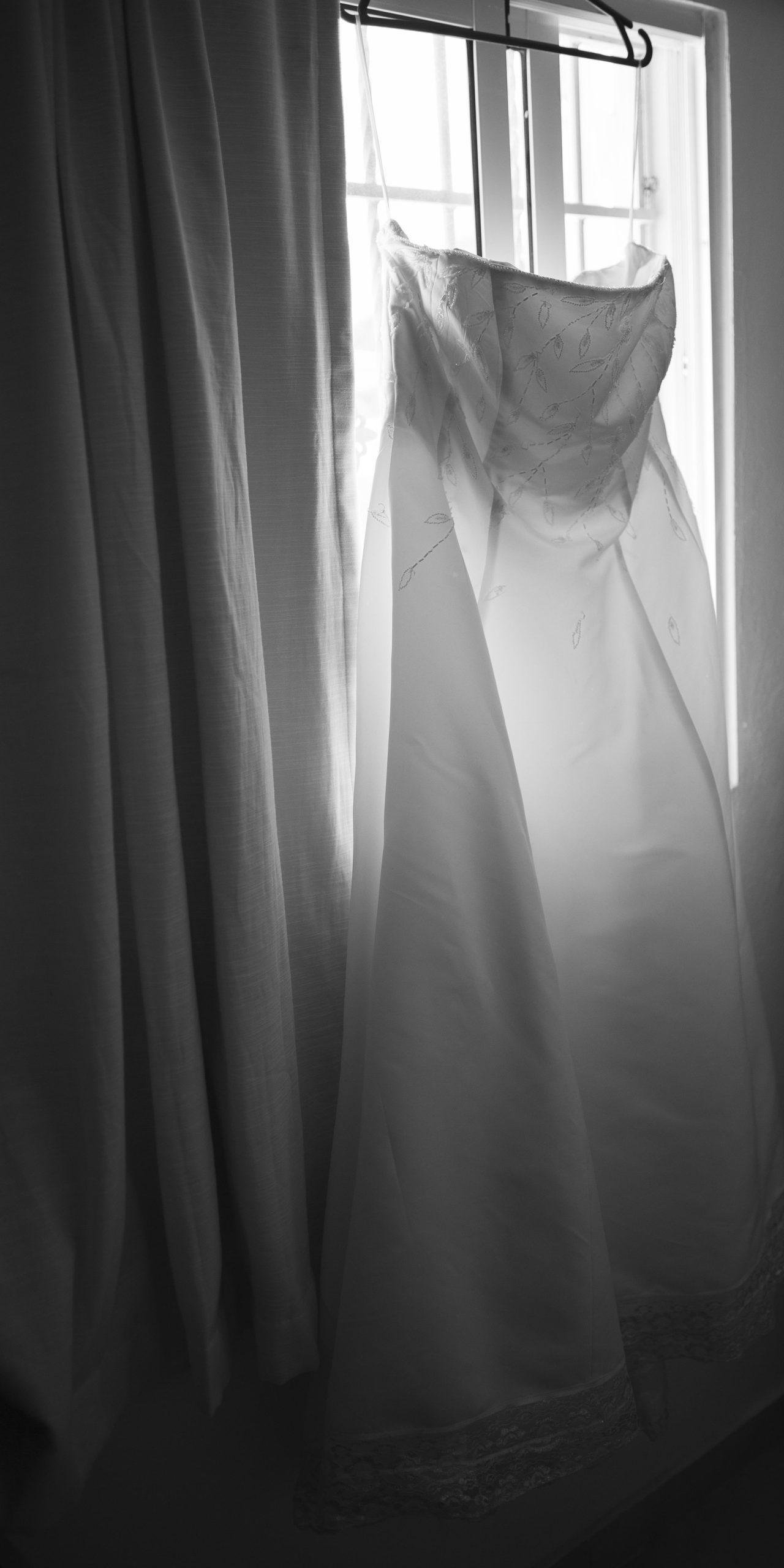
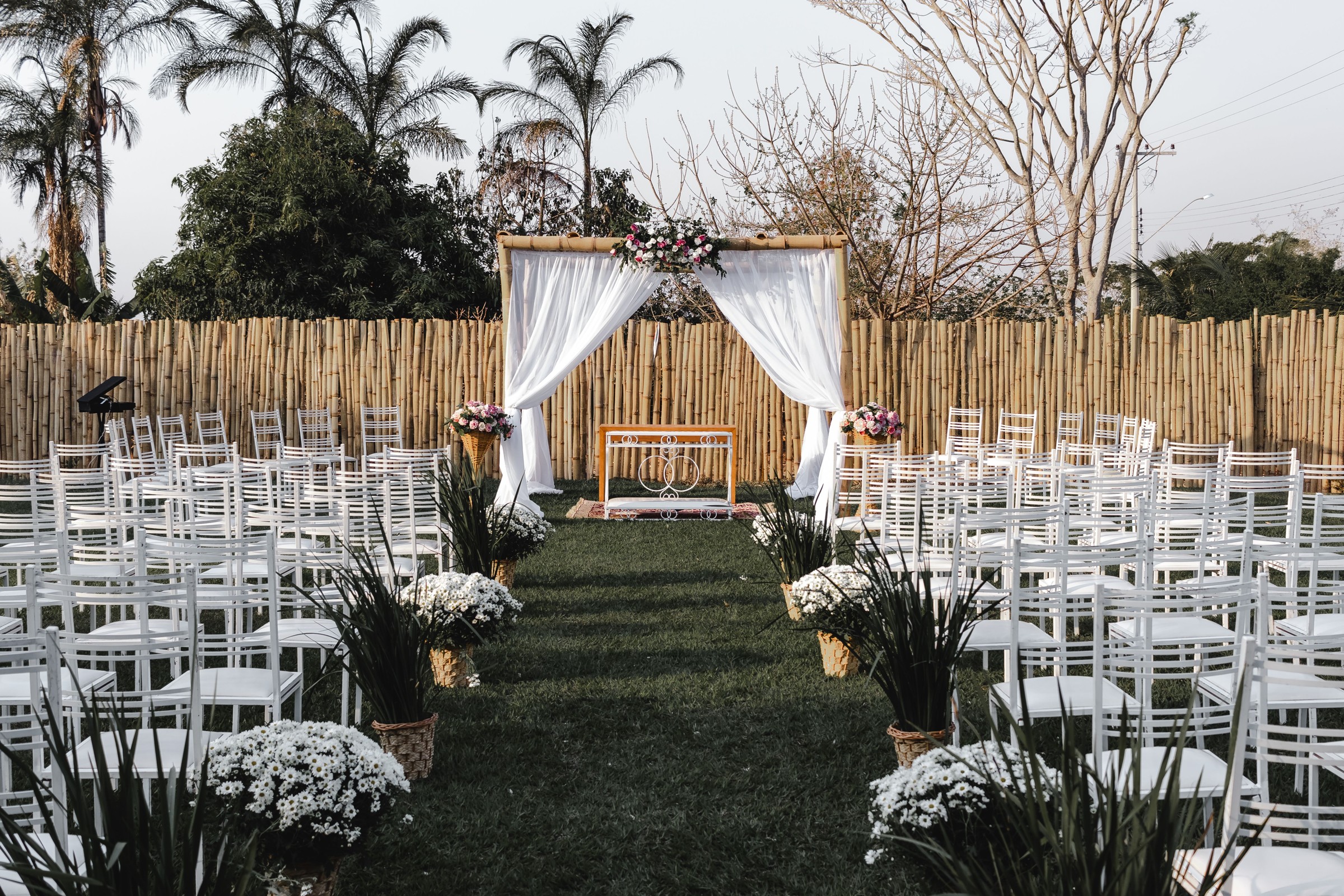
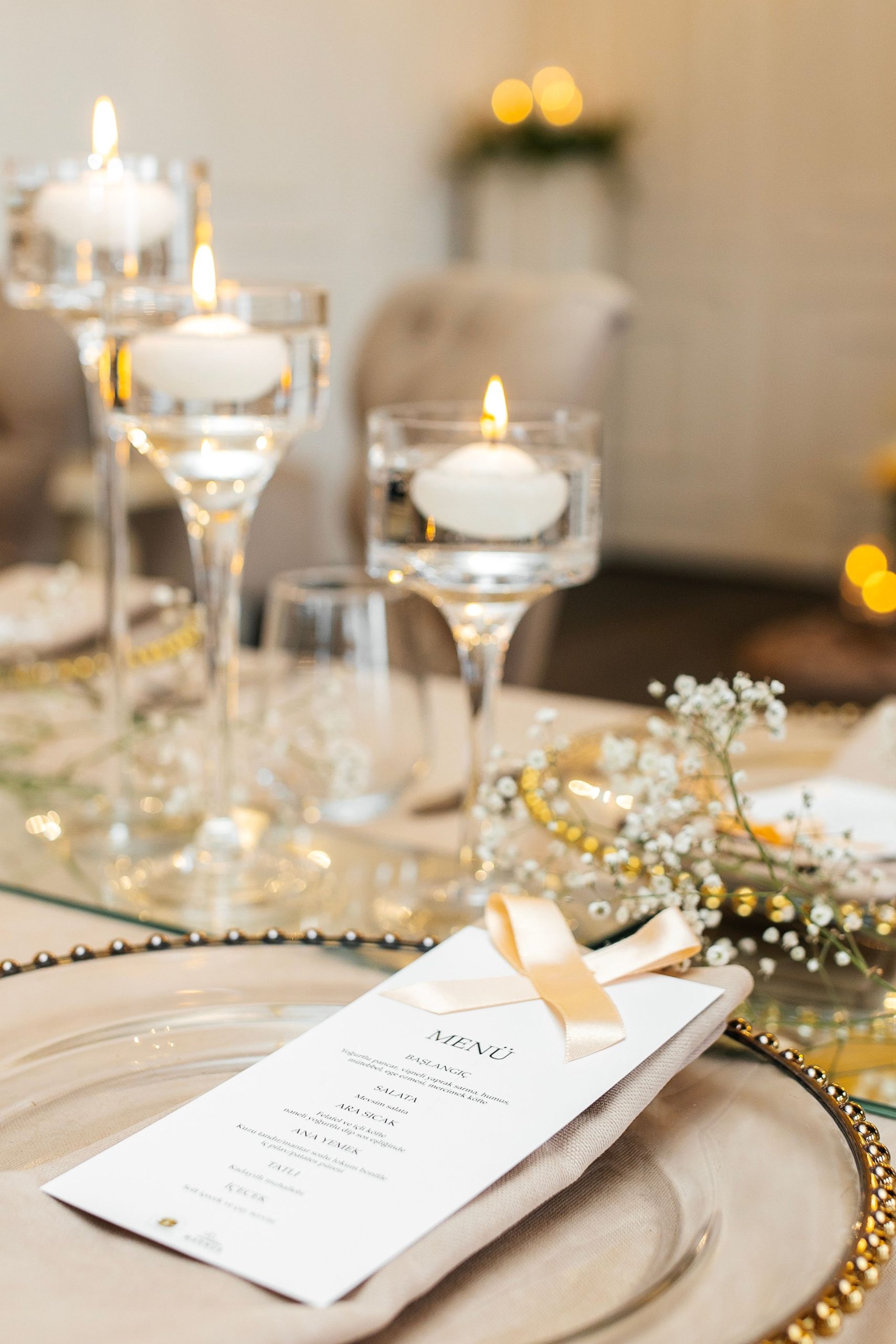
Second, the must-have photographs. If the couple does not have a formal shot list, talk it through and take notes, and keep those notes in your pocket on the day. Keep coverage within the access, privacy and priorities agreed with the couple; do not turn a shot list into a reason to override their wishes. Third, the schedule and the light: check when portraits can happen, where, and what the light will be doing at that hour. Scout the ceremony and reception spaces in advance when you can, note clean backgrounds, and have a covered plan B if the weather turns. Promised time windows have a way of evaporating, so build the plan around stealing minutes rather than expecting hours. A written list also covers the quiet detail shots that round out a classic record: the dress, rings, invitations, flowers, table settings, and the small choices the couple spent months on. They take minutes to photograph and families ask for them later.
The Must-Have Classic Photographs
Every wedding is different, but a complete classic set usually includes the same backbone of moments. A portrait of each partner, alone and at their best, ideally in soft diffused light. The ceremony’s key exchanges: entrances, vows, rings, the first kiss, and the recessional. The confetti or exit moment, which is fast and chaotic, so position yourself ahead of it and shoot a short series rather than a single frame. The whole-group photograph, done early while guests are still easy to gather. The first dance, where a quick word with the couple beforehand – or watching a rehearsal – tells you where the peak moments will happen. And at least one quiet, intimate frame of the two of them together, away from the crowd, because those are the images that tend to end up framed on a wall. Ask the couple for their own essential shot too; whatever it is, it belongs on your list.
 Save
Document the transitions as well. Entrances, reactions during speeches, the exchange of glances during the ceremony, and the departure at the end of the night can matter more to a family than an elaborate pose. Anticipate what happens next without interrupting the ceremony or the guests: the classic approach is observant, not theatrical.
Group Portraits That Stay Timeless
Formal groups are where weddings most often stall, so the classic rule is simple: make it fast and make it fun. Place groups in open shade or soft frontal light so nobody squints and no hard shadows fall across faces, and keep some separation between the group and the background so the people carry the frame. With the couple in the center, arrange family around them in a single line turned slightly inward where space allows.
 Save
Depth of field matters more than drama here: one working wedding photographer’s rule of thumb is not to go wider than about f/8 on a group, even outdoors, so every row stays sharp – treat that as a starting point and adjust for your group size, distance, and format. Blinking is the classic group-shot failure; a reliable counter is to have everyone close their eyes, count down from three, and take three frames about half a second apart as they open them. Keep the energy up, work through your list briskly, and when the formal frame is done, keep shooting for a moment – the relaxed frame right after the “thank you” is often the one the couple chooses.
Light, Exposure and Backup
Scout what you may photograph and where flash is allowed; many ceremonies restrict it, and reception spaces vary from bright tents to candlelit ballrooms. Check your settings for the actual conditions rather than repeating one recipe all day: shutter speed fast enough for moving people, aperture for the depth your group sizes need, and ISO for the available light. Our aperture and shutter speed guides cover the trade-offs. Any specific settings quoted anywhere in this article are working examples from particular rooms and formats, not universal recipes.
 Save
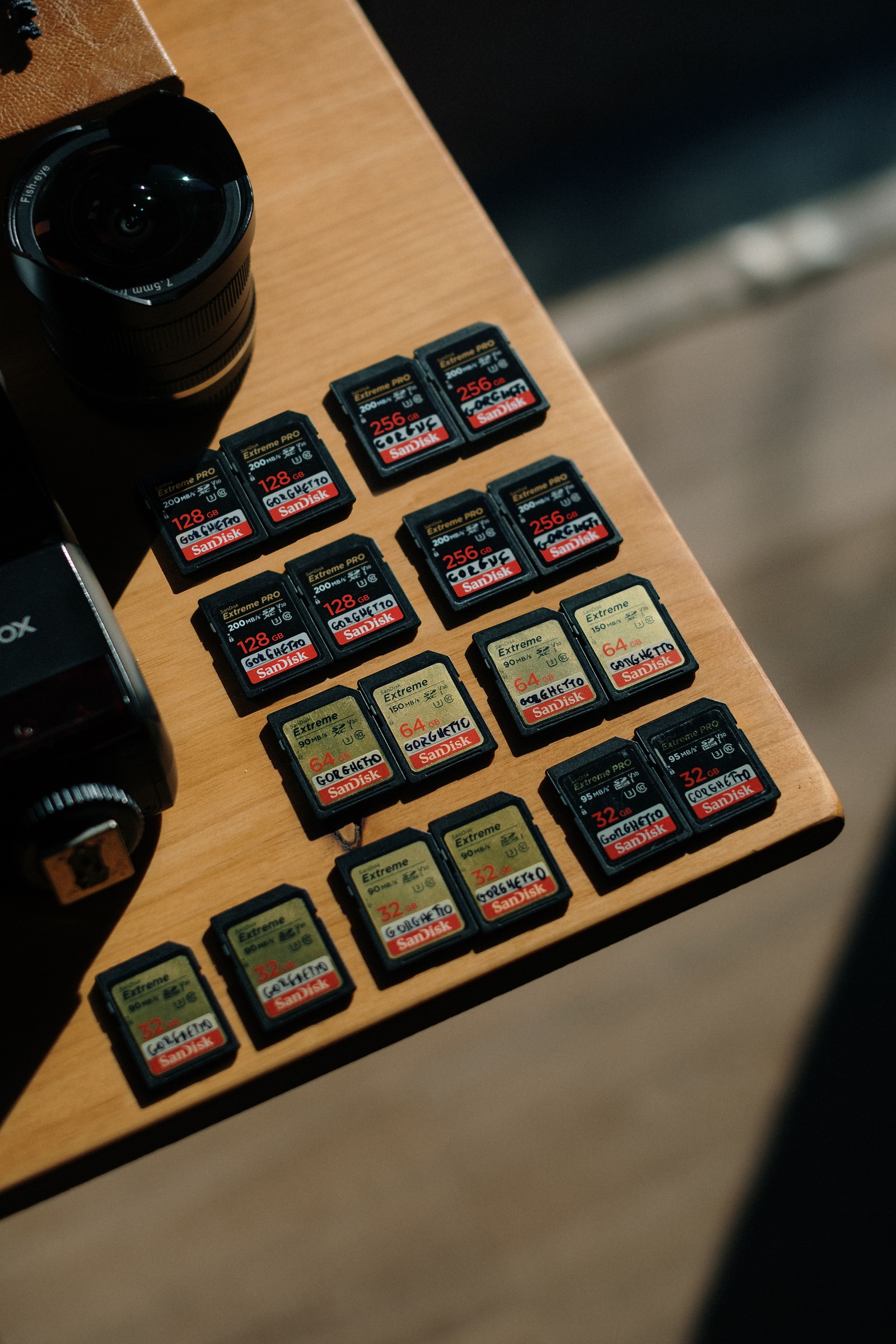
Reliability is the other half of exposure: a wedding gives no retakes. Carry spare charged batteries and more memory cards than you expect to need, and if you have access to a second camera body, bring it – two bodies also let you keep a wide and a longer lens ready at once. One widely used workflow habit is to copy each filled card to a portable drive during quiet moments, so images exist in two places before the day is even over; smaller cards then limit what any single failure can cost. Match your backup plan to the responsibility you accepted: a paid wedding deserves a plan for equipment failure, not just good intentions.
A Consistent, Timeless Edit
Classic editing is restrained editing. Preserve skin tones and the important details of the day, keep color and contrast consistent from the getting-ready room to the last dance, and be wary of heavy trend-driven grades, which tend to date faster than an honest record. The couple’s stated style always wins – classic is a discipline, not a look you impose. A practical way to keep a large gallery consistent is to organize the edit by chapter (preparation, ceremony, portraits, reception, dancing), dial in the look for each chapter’s lighting, then apply it across that chapter and review the gallery as a whole before delivery. Looking at the near-final gallery with fresh eyes the next day catches the inconsistencies you stop seeing at midnight. Name and organize the files consistently as you import them, keep a third copy off-site or in an automatic cloud backup if you use one, and treat the delivered gallery as the last step of the backup chain, not the only copy. Want structured help with the whole day? The ShutYourAperture Academy’s The Wedding Day (7 modules, 28+ lessons) is built to help you capture love, story and chaos in a single day.
Make a Checked Copy After the Wedding
The job is not finished when the last dance ends; it is finished when the images exist in more than one place and you have confirmed the copies are good. Copy the cards to your working drive, then make a separate copy to a second device, and open a sample of the copied files to confirm they read correctly before you reformat a single card. Keep the cards untouched until the gallery is delivered.
 Save
Frequently asked questions
What makes wedding photography “classic” rather than trendy?
Classic wedding photography is a method, not a filter: a planned backbone of must-have moments, clean and flattering light, consistent natural color, and editing that preserves skin tones and real detail. Trend-driven looks lean on heavy grades or effects that can date within a few years; the classic approach aims for images that still read well in twenty. The couple’s stated style always wins over either label.
How many formal group photos should we plan for?
Fewer than most families initially imagine, and every one of them on a written list. A workable plan for many weddings is a handful of immediate-family combinations, the wedding party, and one whole-group frame, each with a named gatherer. Long open-ended lists eat the drinks reception and exhaust the couple, so agree the combinations in advance and keep each setup quick.
What camera settings work for wedding group shots?
Settings depend on the light, the group size, and your format, so treat any numbers as examples. One working photographer’s rule of thumb is to stay around f/8 or narrower on groups so every row stays sharp, in open shade or soft frontal light, with a shutter speed comfortably fast enough for handheld shooting – then adjust for your actual scene. Test in the real space before the guests arrive rather than trusting a recipe.
How much time should couple portraits take?
Agree on a defined window with the couple that fits their priorities, venue access and expected light. Include time to reach the location and return, and keep a shorter fallback plan if the day runs late. Scout the spot in advance so the time goes into photographs, not searching. If the window shrinks, a clean direct frame first and one or two looser compositions afterward beats an ambitious sequence you cannot finish.
Do I need a second camera body to shoot a wedding?
A wedding has no retakes, so redundancy matters more than any single feature. A second body protects you against a failure at the worst moment and lets you keep two focal lengths ready. If a second body is not possible, extra batteries, plenty of cards, and a realistic backup plan become even more important – and be honest with the couple about what your kit can cover.
How should I back up wedding photos after the day?
Copy every card to your working drive, make a second copy on a separate device, and open a sample of files to confirm the copies read correctly before reformatting anything. Many photographers also copy filled cards to a portable drive during the day itself, so images exist in two places from the start. Keep the original cards untouched until the finished gallery is delivered.
What should I ask the couple before the wedding day?
Three things cover most of it: the essential people list with names, relationships, and a helper who can gather each group; the must-have moments, including their own single most-wanted shot; and the schedule, so you know when portraits can happen and what the light will be doing. Ask about family sensitivities and venue rules, including whether flash is allowed during the ceremony.
Sources
- Canon Europe – How to shoot standout group portraits (group placement, light, and a working f/8 example)
- Canon Europe – The 5 wedding poses you should never miss (the must-have shot backbone)
- Nikon USA – 7 Tips & Tricks to Taking Better Wedding Photographs (liaison, shot list, group speed)
- Capture One Blog – Wedding workflow with Style! (2019 workflow: same-day copies, organized edit, next-day review; workflow reference, not current software guidance)