
You can elevate your landscape photography with crucial strategies that bring your images to life. Understanding light, composition, and the use of color are key components that will transform your photographs into stunning representations of nature. In this guide, you’ll discover actionable tips and techniques that will enable you to capture vibrant landscapes, ensuring that your photos resonate with the beauty of the world around you. Whether you’re a beginner or looking to refine your skills, these strategies will enhance your ability to create breathtaking landscape shots.

Understanding Lighting
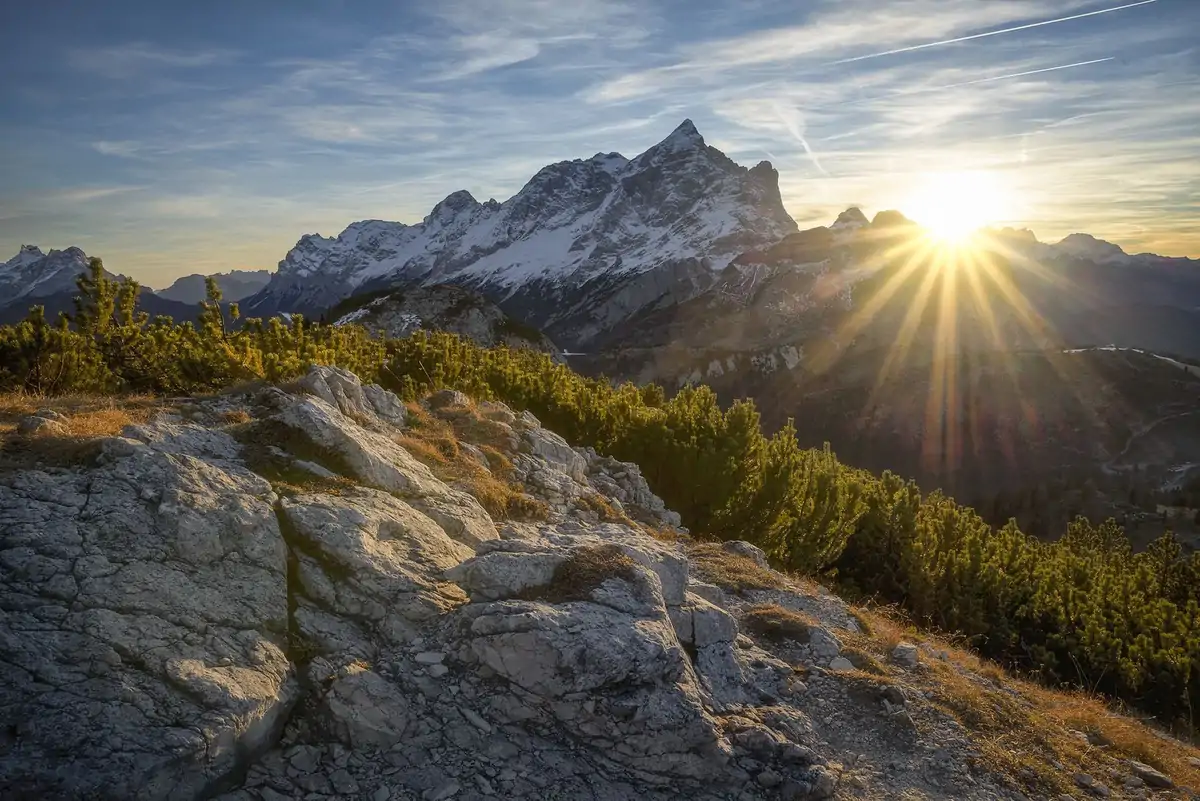
To achieve stunning landscape photography, it’s vital to grasp the nuances of lighting. The way light interacts with your scene can dramatically influence your composition and mood. Pay attention to the time of day, weather conditions, and the position of the sun, as these factors will dictate the quality and character of the light, ultimately impacting your photographs.
How to Utilize Natural Light
For effective landscape photography, leverage the natural light available to you. Observe the direction and intensity of the light at different times of the day, and experiment with backlighting, side lighting, and front lighting to create depth and dimension in your images. By being mindful of the light, you can enhance the textures and colors of your landscapes.
Tips for Golden Hour Photography
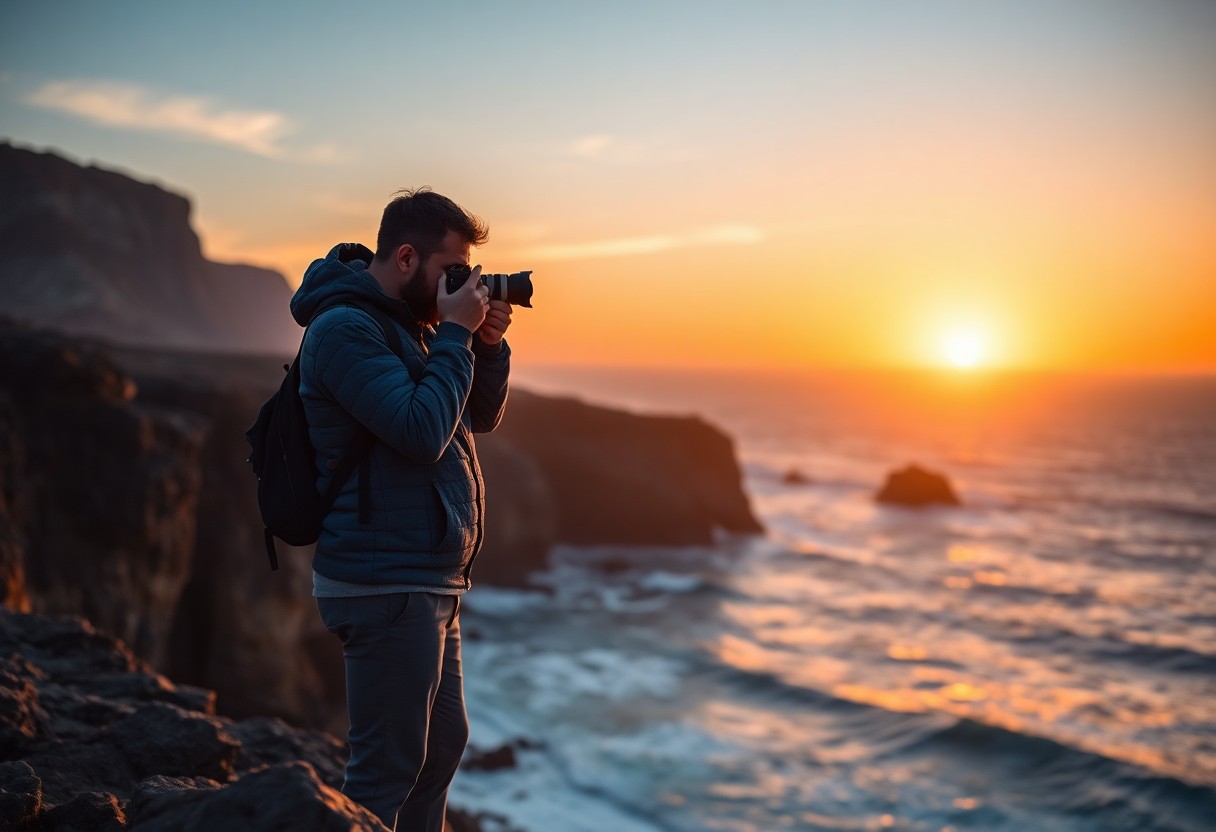
Little is more rewarding than capturing images during the golden hour, when the sun is low on the horizon and casts a warm, soft glow. To make the most of this magical time, plan your shoots around sunrise and sunset. Here are some tips:
- Scout locations beforehand to maximize your time during the golden hour.
- Use a tripod to stabilize your camera for longer exposures.
- Emphasize foreground elements to add depth to your compositions.
- Experiment with silhouettes against the colorful sky.
Hour by hour, the lighting conditions shift, opening up a world of creative possibilities. Capture the warm hues reflecting off landscapes, while clouds can add texture and interest to your scenes. Additionally, consider the following strategies:
- Incorporate leading lines that draw the viewer’s eye towards the horizon.
- Adjust your settings to properly expose for highlights and shadows.
- Take advantage of color contrast in your compositions.
- Be patient and adapt to the evolving light as the sun sets or rises.
Choosing the Right Equipment
Some of the most significant factors in capturing vibrant landscape photography lie in the equipment you choose. The right gear not only enhances your creative vision but also helps you achieve stunning results in various conditions. Invest in a reliable camera, sturdy tripod, and weather-resistant gear to ensure you’re prepared for any opportunity that presents itself in the great outdoors.
Essential Camera Gear
Clearly, your choice of camera is fundamental to capturing breathtaking landscapes. A DSLR or mirrorless camera will give you the flexibility you need for different shooting conditions. Opt for a model that allows you to shoot in RAW format to provide maximum editing potential. Additionally, consider a sturdy tripod to stabilize your camera and create sharp, well-composed images, especially in low-light situations.
Recommended Lenses for Landscapes
Clearly, picking the right lens plays a pivotal role in landscape photography. Wide-angle lenses are popular as they capture expansive scenes while giving a sense of depth and space. Standard zoom lenses also provide versatility, allowing you to frame your subjects creatively. Telephoto lenses can be effective for isolating specific elements in the landscape, making them appear grander in scale.
Choosing the right lenses for landscape photography can elevate your work significantly. A wide-angle lens, typically ranging from 14mm to 24mm, captures sweeping vistas and enhances foreground elements, drawing the viewer’s eye into the composition. A standard zoom lens offers flexibility, letting you frame various scenes without having to change lenses constantly. Lastly, a telephoto lens, around 70mm to 200mm, allows you to compress distances and highlight specific details in the landscape, which can create a stunning visual narrative. Select your lenses based on the types of landscapes you tend to shoot, and your creative possibilities will expand greatly.

Composition Techniques
Many photographers underestimate the power of composition in landscape photography. Whether you’re capturing a sweeping vista or a close-up of natural textures, applying strong compositional techniques can elevate your images significantly. Pay attention to the elements in your frame, and how they interact with one another, to create striking photographs that draw viewers in and tell a story.
Rule of Thirds in Landscape Photography
There’s a timeless principle in photography known as the Rule of Thirds that can transform your landscapes. By dividing your frame into a grid of nine equal parts and placing your subject along these lines or at their intersections, you create a more balanced and engaging image. This technique encourages you to think critically about where to position your horizon line, trees, or other focal points.
Leading Lines and Framing Tips
An effective way to guide the viewer’s eye through your landscape photographs is by incorporating leading lines and framing techniques. Utilize natural pathways, rivers, or fences to create lines that draw attention to your subject. Additionally, framing elements like trees or arches can enhance your composition and create depth, giving your photos a three-dimensional quality. Here are some tips to effectively employ these techniques:
- Experiment with perspective to find the most compelling angle.
- Use natural elements to lead the eye towards the focal point.
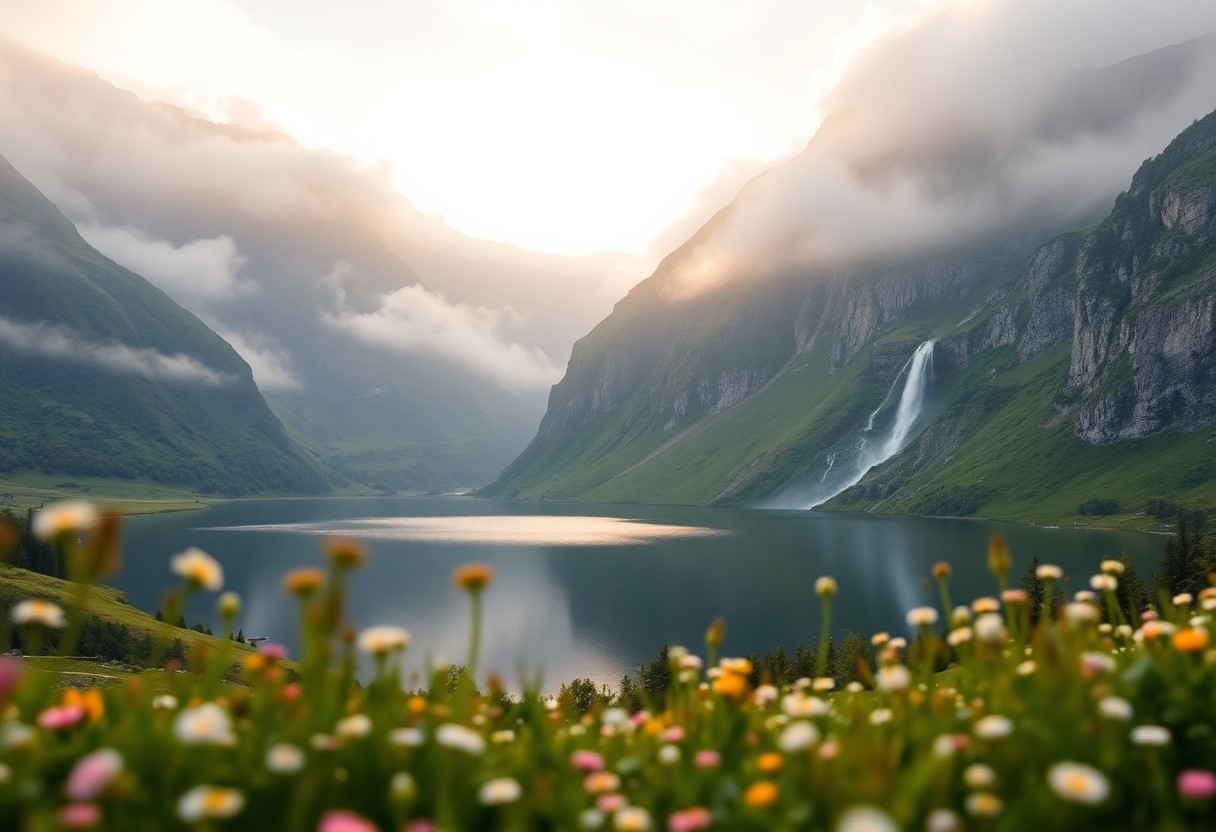
- Incorporate foreground subjects to drive depth and interest.
Recognizing how these elements can enhance your composition will help you craft stunning landscape photography that captivates your audience.
The key to mastering leading lines and framing techniques lies in your ability to visualize the scene before you. Pay attention to how the terrain and other elements in your surroundings can work in harmony to create dynamic lines and shapes. Here are additional strategies to consider:
- Look for S-curves in paths or rivers to create movement within your image.
- Position yourself to utilize elements that form a border around your subject.
- Incorporate foreground objects to create layers in your composition.
Recognizing these opportunities in the landscape will allow you to create impactful compositions that draw viewers into your world.

Factors Affecting Landscape Photography
After mastering the basics, various factors can significantly influence your landscape photography. These elements can either enhance or detract from the beauty you aim to capture. Consider the following:
- Time of day
- Weather conditions
- Location
- Atmospheric elements
- Composition techniques
Any changes in these factors can create vastly different outcomes in your photographs.
Weather Conditions to Consider
The right weather is pivotal for capturing stunning landscapes. Overcast skies can soften light, creating a moody atmosphere, while sunny days can produce vibrant colors. Pay attention to wind, rain, and fog—they can dramatically enhance the texture and emotion in your photos.
The Impact of Seasons on Scenery
Weather conditions can vary greatly across seasons, each offering unique opportunities for your landscape photography.
Consider how spring brings blossoming flowers and vibrant greens, while autumn showcases warm, rich hues. Winter blankets landscapes in snow, creating a serene and minimalist scene, whereas summer often offers lush foliage and dramatic skies. Each season provides a distinct palette and mood that you can use to tell a captivating story through your images.
Post-Processing Essentials
Despite the charm that natural light offers in landscape photography, post-processing is vital in enhancing your images. It allows you to adjust colors, contrast, and sharpness, thereby transforming ordinary shots into breathtaking visuals. Mastering post-processing can elevate your work—ensuring your landscapes convey the intended mood and atmosphere. By investing time in this stage, you’re ensuring that your artistic vision comes to life in your final images.
Basic Editing Techniques
With basic editing techniques, you can improve your landscapes by adjusting exposure, white balance, and contrast. These foundational edits can significantly enhance the overall quality of your images, making them more vibrant and appealing.
Advanced Editing Tools
Little do many photographers realize that advanced editing tools can take their images to the next level. These tools help you fine-tune details, enhance colors, and apply effects that can dramatically alter the final look of your photographs.
- Layer mask adjustments
- Gradient filters
- Color grading techniques
- Noise reduction
- Sharpening methods
| Description | |
| Photoshop | Robust features for detailed editing and manipulation. |
| Lightroom | Great for color adjustments and batch processing. |
| Capture One | Professional editing with superior color grading. |
| Affinity Photo | An excellent alternative to Photoshop that offers powerful features. |
Techniques like color grading and noise reduction can enhance the visual quality of your landscapes significantly. You can use gradient filters to ensure different parts of your image are exposed correctly, while sharpening methods add crisp details. Familiarizing yourself with these advanced tools can make a significant difference in your photography journey.
- Utilize layer masks for targeted adjustments
- Apply radial or graduated filters for selective exposure
- Experiment with color balance for unique looks
- Incorporate textures and overlays for added depth
- Leverage the healing brush for retouching
| Details | |
| Non-destructive editing | Keep original files intact while making adjustments. |
| Batch processing | Save time by editing multiple images with similar settings. |
| Color channels | Isolate and adjust specific colors for more control. |
| Histogram analysis | Use to check exposure and tonal range. |
Tips for Engaging with Nature
For successful landscape photography, engaging thoughtfully with nature enhances your experience and results. Consider these tips to deepen your connection:
- Observe the surroundings quietly to appreciate details.
- Sense the ambiance—feel the wind, listen to the sounds.
- Interact with light to explore different moods.
- Be present, allowing moments to inspire your creativity.
Preparing for Outdoor Photography Sessions
Preparing for your outdoor photography sessions ensures you capture the best moments. Plan ahead by scouting locations, checking weather conditions, and packing vital gear, including extra batteries and lenses. Having a clear vision of your desired compositions can help you remain focused and adaptable during your shoot.
Respecting the Environment While Shooting
Nature offers breathtaking landscapes, and it’s important to honor and protect these spaces while you shoot. Avoid trampling on delicate plants, adhere to marked trails, and practice Leave No Trace principles to limit your impact.
This commitment not only safeguards the environment but also helps maintain the beauty that inspires your photography. By being mindful of your surroundings—such as respecting wildlife habitats, refraining from littering, and not disturbing natural formations—you contribute positively to the ecosystem. Engaging with nature responsibly will allow future photographers to appreciate the same stunning landscapes you cherish today.
To wrap up
From above, you can appreciate that vibrant landscape photography requires a blend of technical skill and artistic vision. By understanding the interplay of light, composition, and the right equipment, you can elevate your work. Experiment with different angles, focus on the details, and don’t shy away from the transformative power of post-processing. As you apply these imperative strategies, you will find your ability to capture the beauty of nature in all its glory improving, allowing your images to tell compelling stories that resonate with viewers.
Luminar Neo’s Sky AI, atmosphere AI and SuperSharp are designed for landscape work — replace flat skies, add depth, and recover detail in seconds. Tagged as affiliate per FTC.