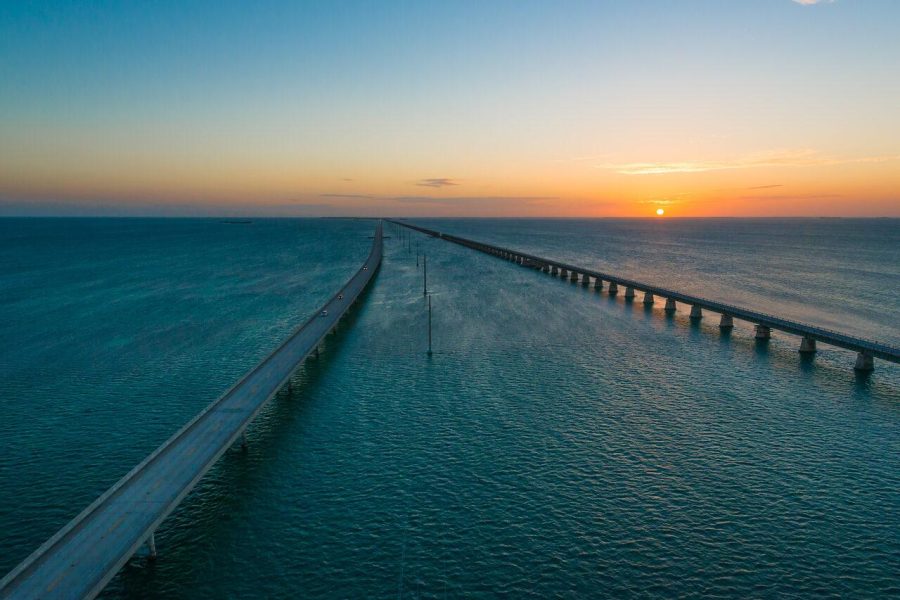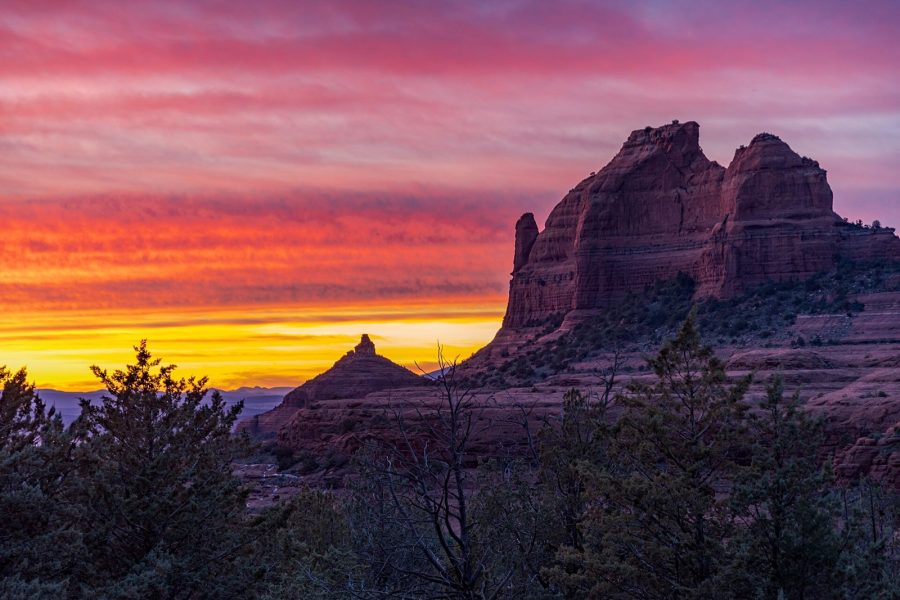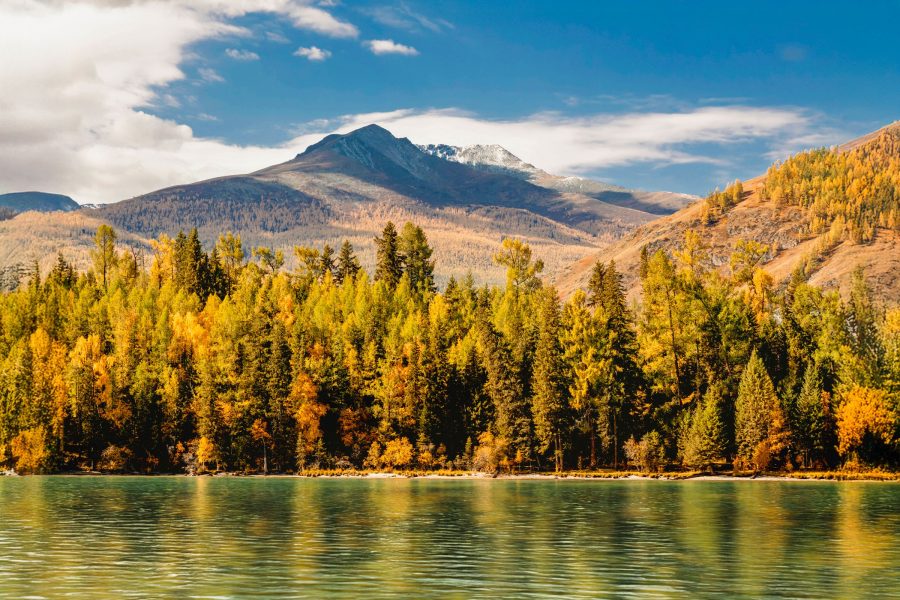
Landscape photography rewards preparation more than any other genre. The light you want lasts minutes, the locations take hours to reach, and the difference between a snapshot and a keeper is usually decided before the camera comes out of the bag. This is the beginner’s path, in the order that pays off fastest.
 Save
SaveLight Is the Subject
Midday sun flattens everything. The hours around sunrise and sunset give you direction, color, and shadow, which is why working landscape photographers plan shoots around the sun’s position, not their own convenience. Blue hour, the twenty minutes before sunrise and after sunset, is the most forgiving light for beginners: soft, even, and hard to ruin.
Composition: Build Layers
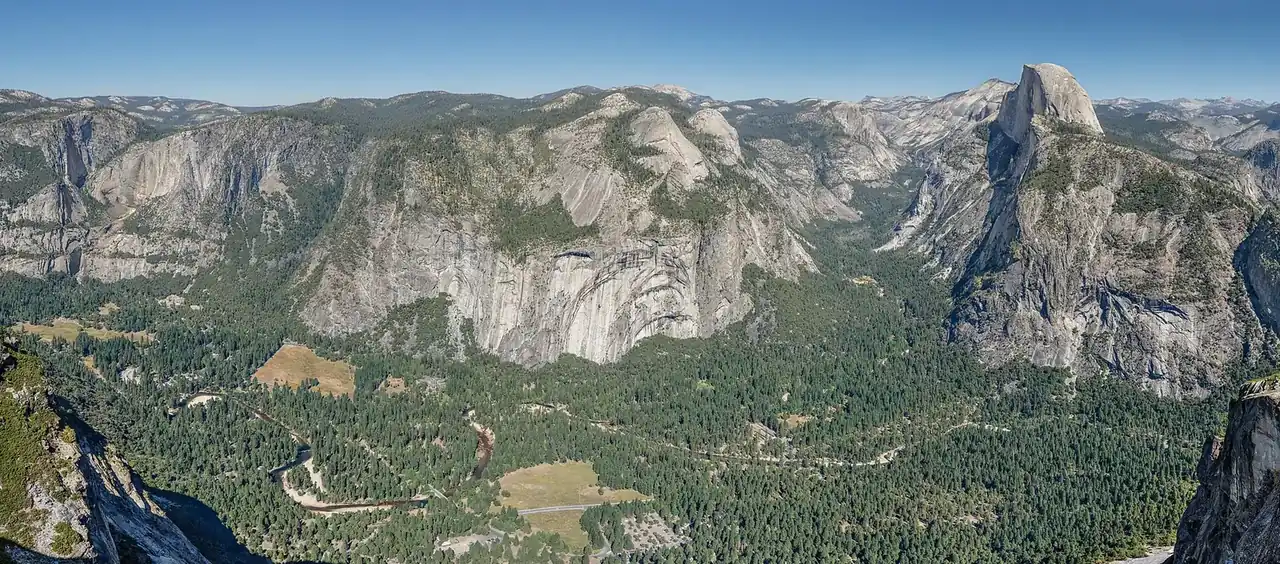
The most common beginner landscape is a beautiful scene with nothing in it. Find a foreground: rocks, flowers, water, a leading line. Put the subject in the middle ground and let the sky do its job behind. A wide lens at a low angle turns a pebble into an anchor and gives the eye a path through the frame. Scout compositions before the light peaks so you are setting up, not searching, when it arrives.
The Settings That Work
Start here: f/11 for depth, ISO 100 for clean files, shutter wherever the meter lands. On a tripod, none of the handheld limits apply, and a 2-second timer or remote kills your own shake. Focus a third of the way into the scene, or focus stack when the foreground is close. The aperture guide and shutter speed guide cover the why behind both, and the ISO guide explains when breaking the ISO 100 habit is correct.
Two Filters Worth Owning
A circular polarizer cuts glare, deepens skies, and saturates foliage; it is the one effect software cannot fake. A 6 or 10-stop neutral density filter turns water and clouds into long-exposure silk in daylight. Skip the cheap variable NDs for now; their cross-pattern artifacts cost more in ruined files than they save in dollars.
A Field Workflow That Holds Up
- Scout the location in daylight or on a map app before the shoot.
- Arrive an hour before the light, not five minutes.
- Shoot the composition as planned, then work the scene: tighter, wider, vertical.
- Bracket exposures when the sky is much brighter than the land.
- Check the histogram, not the pretty screen. Blown highlights at capture are gone forever.
Want to go further? The ShutYourAperture Academy’s Light. Land. Legacy. The Landscape Photography Course (10 modules, 40+ lessons) is built to help you master light, land and composition for landscapes that last.
The Edit Is Half the Image
RAW files out of camera look flat by design; the latitude is the point. Controlled highlights in the sky, lifted shadows in the foreground, honest color: that is most of landscape editing. Our landscape photography dos and don’ts covers the mistakes on both sides of the shoot, and the Landscape, Cityscape and Drone Preset Pack gives you proven starting points for natural, golden, and blue-hour looks. The free starter pack in our Lightroom presets guide is the no-cost way to start.