Golden Hour (0-60 min after sunrise / before sunset) vs Blue Hour (0-30 min before sunrise / after sunset): Honest Comparison and a Clear Winner
–
Side-by-Side Spec Comparison
Before diving into use cases and recommendations, here is a direct specification comparison. Use this table as a quick reference when you need to compare a specific attribute.
| Specification | Golden Hour | Blue Hour |
|---|---|---|
| Timing | First hour after sunrise; last hour before sunset | 20-40 minutes after sunset / before sunrise |
| Light color temperature | 2,000–3,500K (warm orange-gold) | 5,000–8,000K (cool blue-indigo) |
| Light direction | Low horizontal — raking shadows on landscapes | No direct sun — ambient sky illumination from all directions |
| Contrast | High — bright highlights, deep shadows | Low — even illumination, minimal shadows |
| Sky texture | Dynamic — clouds lit from below in orange and red | Gradient — deep blue-black to bright horizon glow |
| Artificial light balance | Challenging — warm sun competes with cool tungsten | Perfect — ambient blue sky balances city LED/tungsten lights |
| Duration | Approximately 60 minutes (varies by latitude/season) | Approximately 20-40 minutes (shorter than golden hour) |
| Wind conditions | Variable — depends on weather pattern | Typically calmer — air cools after sunset, reducing turbulence |
| Best subjects | Portraits, landscapes, wheat fields, forests, coastlines | Cityscapes, architecture, bridges, urban nightscapes |
Real-World Use Cases: Which Option Wins for Your Situation?
Specifications only tell part of the story. Here is how each option stacks up for specific photography scenarios:
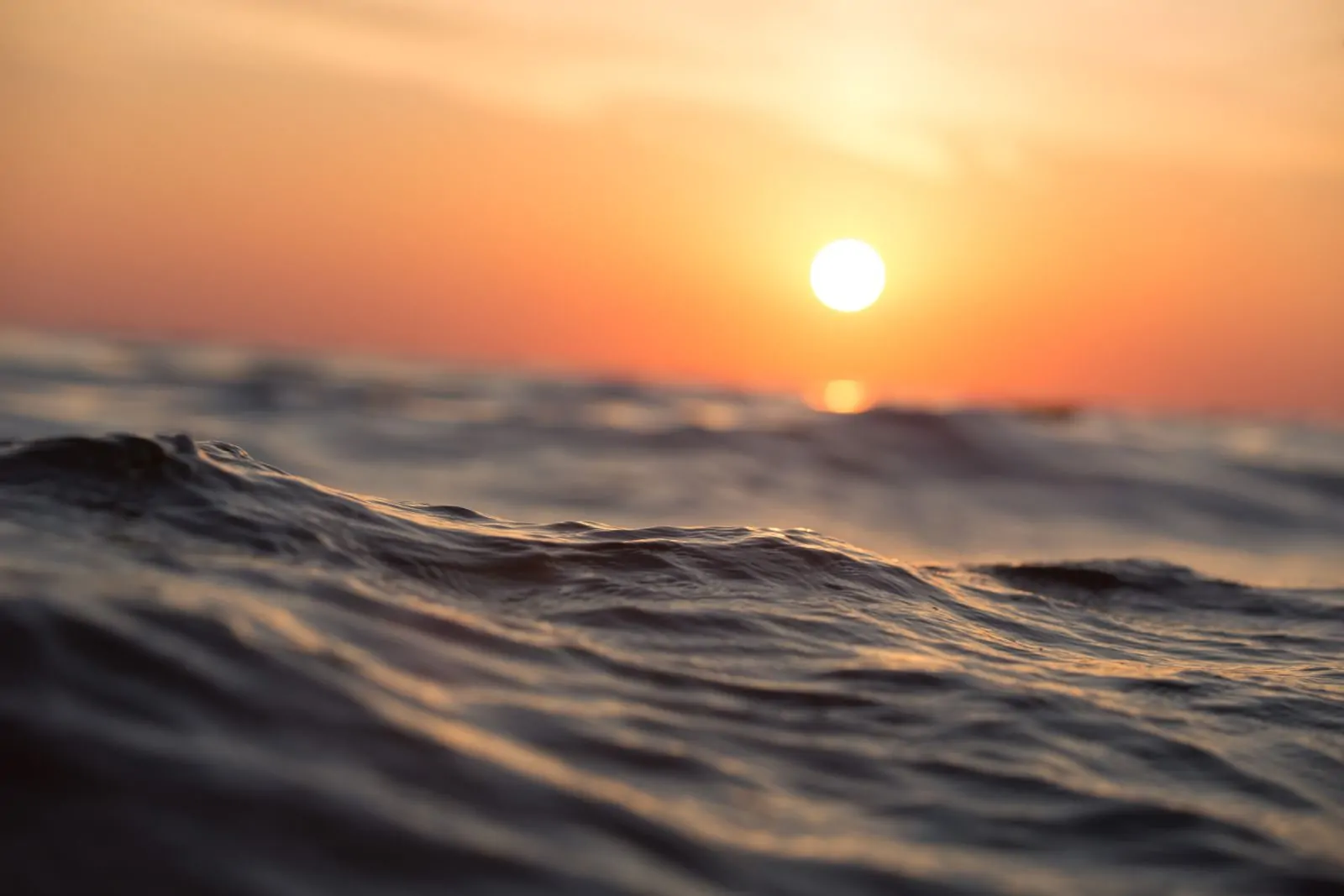 Save
Save| Your Situation | Best Choice | Why |
|---|---|---|
| Landscape photographer | Golden Hour (both sunrise and sunset) | Raking horizontal light creates texture on terrain — sand dunes, plowed fields, forests, mountain slopes. Shadows give the landscape three-dimensional depth. |
| Cityscape / architectural photographer | Blue Hour | City lights balanced against blue sky. Building facades are evenly lit without harsh shadows. Windows glow with interior light visible against the dark blue sky — the definitive urban night photograph. |
| Portrait photographer (outdoor) | Golden Hour | Warm backlighting with a reflector fill creates the most flattering portrait light naturally achievable. The diffuse warmth is the reason every Instagram photographer chases this window. |
| Seascape photographer | Both — ideally both in the same session | Arrive 90 minutes before sunset for golden-hour waves, then stay for blue-hour water long exposures. The 20-minute blue-hour window is when the ND filter comes on and the composition changes from action to stillness. |
| Beginner learning light | Blue Hour (more forgiving) | The flat, even illumination of blue hour is more forgiving of metering errors than the high-contrast golden hour. A good starting point for learning landscape exposure before tackling the dynamic range challenges of golden hour. |
Pricing Breakdown
Both golden hour and blue hour are free. The key investment is timing knowledge — apps like PhotoPills ($12, iOS/Android), The Photographer’s Ephemeris ($9, iOS/Android), or Lightroom‘s sun position module (included in subscription) provide sun position, golden-hour start/end times, and blue-hour windows for any location and date.
Alternatives Worth Considering
Before you commit to either option, these alternatives may better suit your specific needs:
- Magic Hour (the transition between): The 5-10 minute window exactly at sunset/sunrise when the horizon is most saturated — often the single best frame of the entire session.
- Overcast diffused light: Flat cloud cover creates a giant softbox — perfect for forest photography, portraits without harsh shadows, and macro work. Often undervalued by photographers chasing golden hour.
- Harsh midday light (intentional): Mediterranean noon light on white-washed buildings (Santorini, Morocco) creates graphic high-contrast shadows that become the subject. Used deliberately by travel documentary photographers for a different aesthetic.
Frequently Asked Questions
How long does blue hour actually last?
True blue hour lasts 20-40 minutes depending on latitude and season. At the equator, twilight transitions quickly (15-20 min). At higher latitudes in summer (Iceland, Scandinavia), twilight can stretch over 2 hours. Use PhotoPills to see the exact civil, nautical, and astronomical twilight times.
Is golden hour different at sunrise vs. sunset?
The light quality is physically identical (same sun angle, same color temperature). Practically, sunrise golden hour has much lower wind and fewer people. Sunset golden hour has warmer atmosphere (day’s worth of dust and humidity in the air) which can actually make the color more saturated.
Can I shoot portraits at blue hour?
Yes — use a battery-powered LED panel or speedlight with a CTO (orange) gel to warm the subject against the cool blue ambient light. The blue-hour background + warm subject foreground is a popular contemporary portrait technique.
Does the camera white balance affect golden/blue hour photography?
Yes significantly. Shooting Auto White Balance at golden hour removes the warm color the eye sees. Set WB to Cloudy (6500K) or Shade (7500K) to preserve the warmth, or shoot RAW and adjust in post.
The Bottom Line
Our recommendation: Golden Hour for warm, dramatic portraits and landscapes; Blue Hour for architectural and cityscape photography. The best choice ultimately depends on your specific shooting style, budget, and existing kit. Use the use-case table above as your primary decision framework — find your most common scenario and choose the option that wins there. Both options in this comparison are used by working professional photographers; you cannot make a wrong choice if it aligns with your actual workflow.