Grand Canyon National Park (AZ) vs Zion National Park (UT): Honest Comparison and a Clear Winner
–
Side-by-Side Spec Comparison
Before diving into use cases and recommendations, here is a direct specification comparison. Use this table as a quick reference when you need to compare a specific attribute.
| Specification | Grand Canyon National Park (Arizona) | Zion National Park (Utah) |
|---|---|---|
| Location | Northern Arizona | Southern Utah |
| Entry fee (2026) | $35 per vehicle | $35 per vehicle |
| Best photography season | March–May, September–November (mild temperatures) | March–May, September–November (wildflowers + fall color) |
| Iconic shot | South Rim at sunrise (Mather Point, Yavapai Observation) | Angels Landing at sunset; The Narrows canyon water scene |
| Primary aesthetic | Vast horizontal scale, layered geology, aerial sweep | Vertical red canyon walls, intimate slot canyons, lush river corridor |
| Shuttle required | Yes — private vehicles restricted in summer on Hermit Road | Yes — private vehicles restricted on Zion Canyon Scenic Drive year-round |
| Hike difficulty for best shots | Minimal — South Rim viewpoints are accessible | Moderate to strenuous — Angels Landing, The Narrows require fitness |
| Water access photography | Limited (Colorado River only from Bright Angel or river tours) | Excellent — Virgin River through The Narrows is iconic |
| Crowds | Busy but South Rim manages crowds well across multiple viewpoints | Extremely busy in spring/fall — shuttle queues can be 30 min |
Real-World Use Cases: Which Option Wins for Your Situation?
Specifications only tell part of the story. Here is how each option stacks up for specific photography scenarios:
 Save
Save| Your Situation | Best Choice | Why |
|---|---|---|
| First-time Southwest photographer | Grand Canyon | The sheer scale is unlike anything else. Mather Point at sunrise requires zero hiking and produces a world-class image. |
| Slot canyon / water photographer | Zion National Park | The Narrows slot canyon — wading up the Virgin River between 1,000-foot red walls — is one of the most unique photography experiences in North America. |
| Sunrise specialist | Grand Canyon | East Rim viewpoints (Mather, Yaki Point) face northeast and catch the first warm light across the canyon layers at precisely the moment of sunrise. |
| Landscape diversity seeker | Zion | Angels Landing, The Narrows, Emerald Pools, Canyon Overlook, and Checkerboard Mesa are five visually distinct subjects within 20 square miles. |
| Combined road trip | Both — 2.5 hours apart | The classic Utah-Arizona photography road trip covers Grand Canyon South Rim, Zion, Bryce Canyon, Capitol Reef, and Arches in 7-10 days. |
Pricing Breakdown
Both charge $35/vehicle for a 7-day pass. The America the Beautiful annual pass ($80) covers both and is essential for any multi-park Southwest trip. Grand Canyon’s South Rim hotels (Bright Angel Lodge, El Tovar) book out 6+ months ahead; Zion’s Springdale gateway town has more options but fills fast in spring and fall. Consider camping — both parks’ campgrounds offer exceptional astro opportunities.
Alternatives Worth Considering
Before you commit to either option, these alternatives may better suit your specific needs:
- Antelope Canyon (Arizona): The world’s most-photographed slot canyon — light beams in Upper Antelope are extraordinary but require a Navajo Nation guided tour ($50-100 per person)
- Bryce Canyon National Park (Utah): Hoodoo spires at golden hour — 90 minutes from Zion and often combined in a single trip
- Canyonlands National Park (Utah): Canyonlands Island in the Sky district offers Grand Canyon-scale mesa views with far fewer crowds
Frequently Asked Questions
Which park is better for sunrise photography?
Grand Canyon’s South Rim for scale and convenience — Mather Point requires zero hiking. Zion’s Canyon Overlook Trail (1 mile) also provides spectacular east-facing sunrise over the canyon.
Can I photograph The Narrows year-round?
The Narrows is closed during spring floods (typically March–May depending on snowpack). Summer off-season season (July–September) also brings flash flood risk. September–November is the sweet spot.
Is a permit required to photograph in either park?
Commercial photography permits are required for both parks. Personal/editorial photography without models or props does not require a permit.
Which has better astrophotography?
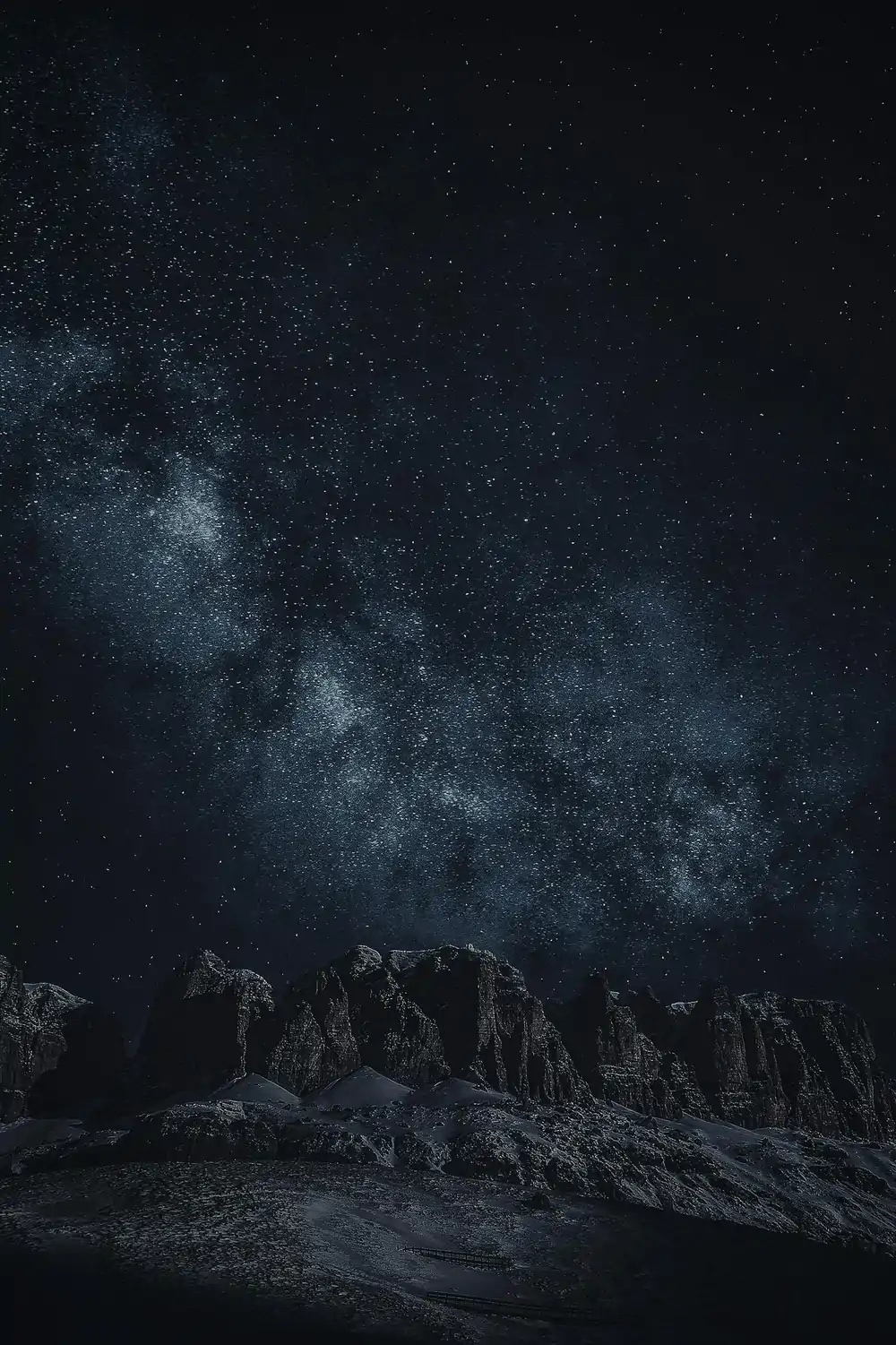
Zion — the valley floor provides a slot-canyon horizon with canyon walls framing the Milky Way in a way the open Grand Canyon rim cannot replicate. Checkerboard Mesa is an exceptional open-sky astro platform.
The Bottom Line
Our recommendation: Grand Canyon for epic scale and sunrise panoramas; Zion for intimate canyon texture and The Narrows. The best choice ultimately depends on your specific shooting style, budget, and existing kit. Use the use-case table above as your primary decision framework — find your most common scenario and choose the option that wins there. Both options in this comparison are used by working professional photographers; you cannot make a wrong choice if it aligns with your actual workflow.
Photography Permits and Practical Access Notes
Neither Zion nor the Grand Canyon requires photography-specific permits for personal and editorial work on public trails and overlooks. Commercial photography — defined as including models, crew, props, or taken under a commercial contract — requires a permit from the National Park Service and typically a $150-500 fee depending on group size and the intensity of the production. For most travel photographers, editorial bloggers, and non-commercial YouTubers, no permit is needed and tripods are allowed on all public trails.
The most underrated photography location in Zion is the Canyon Overlook Trail — a 1-mile round-trip hike to an eastern canyon overlook that faces the Great Arch and East Temple. This trail catches dawn light from the east, is rarely crowded (most visitors head toward the Angels Landing queue), and provides a perspective of the canyon walls that is photographically distinct from the valley floor shots that dominate Instagram. Angels Landing requires a permit lottery (book at recreation.gov) but the Canyon Overlook is permit-free year-round, making it the accessible high-quality alternative for photographers who don’t win the lottery.