Best Night Photography Tours: 6 Photographer-Led Trips Worth Booking
~10 min read · 2026-05-23
shutyouraperture-20). Buying through these links costs you nothing extra and helps fund our free guides.
The best night photography tours category covers a specific kind of trip: photographer-led, golden-hour-timed, and structured to deliver finished images by the end of the day. Astrophotography tours are different from regular photo tours — they happen at night, in darkness, in remote locations chosen for their Bortle Class 1 darkness rating. The Atacama, the Australian outback, and the Canary Islands dominate the category.
 Save
SaveSix tour types are worth comparing if you’re considering booking a photography experience in Worldwide. The Viator listings below are curated for photographers — small group sizes where possible, golden-hour timing, and operators with verified photographer-friendly reviews.
Why book a photography tour in Worldwide
Three reasons photographers book tours instead of going solo:
- Access. Rooftops, private courtyards, after-hours museum access, and ceremonies that solo photographers cannot legally or practically reach. Tour operators have the local relationships you don’t.
- Light. A working photographer-guide knows where to be at golden hour any week of the year. That’s hard-won timing knowledge built over years of shooting the destination.
- Time. Tours compress what a self-guided photographer would spend three days scouting into one efficient morning. On short trips, a tour day is often the highest-ROI day of the trip.
6 photography tour types in Worldwide
The six tour categories below cover the photographic spectrum of Worldwide. Each links to current Viator listings where you can compare operators, dates, group sizes, and prices.
| Tour type | What you’ll photograph | Book |
|---|---|---|
| Atacama Desert astrophotography (Chile) | ALMA observatory region, world-class darkness, year-round clear skies. 5-10 day expeditions. | View on Viator → |
| Mauna Kea astrophotography (Hawaii) | Day-trip and overnight options. Altitude 13,800ft — acclimatize first. | View on Viator → |
| La Palma Canary Islands astrophotography | Roque de los Muchachos observatory site. Photographer-friendly, easy access from Europe. | View on Viator → |
| Australian Outback Milky Way photography | Uluru region, central Australia. Southern Hemisphere Milky Way core visibility. | View on Viator → |
| Aurora + astrophotography combo tours | Iceland, Norway, or Yukon — combine northern lights with deep-sky shooting. | View on Viator → |
| New Zealand Aoraki Mackenzie dark sky photography | International Dark Sky Reserve, photographic Milky Way over Lake Tekapo and Aoraki/Mt Cook. | View on Viator → |
When to book and best months
New moon weeks, year-round, but core Milky Way visibility varies by hemisphere. Northern Hemisphere: April-September core. Southern Hemisphere: April-October core. Aurora overlap: October-March.
Most photography tours in Worldwide can be booked 7-14 days in advance with reasonable availability. Premium private tours and multi-day expeditions should be booked 60-90 days out, particularly during shoulder season peaks. Tours during festival or holiday periods often sell out months in advance.
Pricing: what you actually pay
Single-night astrophoto tours $150-400. Multi-day astrophoto expeditions $2,500-6,000.
What’s typically included: transport between locations, photographer-guide instruction time, sometimes a snack or meal, and any pre-arranged site permits. What’s typically extra: equipment rental (rare on photo tours — most operators expect you to bring your own), entry fees to specific paid sites, and personal incidentals.
Tipping is normal in many photography tour markets — plan for 10-15% of the tour cost for the lead guide on a positive experience. Verify the tipping convention for the specific country before the trip.
Gear to bring
A wide fast prime is non-negotiable — 14mm, 20mm, or 24mm at f/1.4 or f/1.8. Star tracker (Sky-Watcher Star Adventurer or iOptron SkyGuider) for sub-galaxy detail. Sturdy tripod, intervalometer, lens warmer to prevent dew. Red headlamp to preserve night vision.
One general rule across photography tours: bring less, not more. The temptation is to pack the full kit “in case.” In practice, photographers who carry one body, two lenses, and a tripod consistently produce stronger work on tours than photographers who carry the full kit — the cognitive overhead of choosing equipment in the field is real. Pre-decide your kit the night before, and stick with the decision.
Tour vs DIY: which fits your trip
Book a tour if: you have under 5 days at the destination, you want access to private or restricted spots, you’re new to a destination’s photographic identity, or you want hands-on instruction during the trip.
Skip the tour and go DIY if: you have a week or more, you’ve shot similar destinations confidently before, you prefer the meditative pace of solo work, or your travel style values exploration over efficiency. Both approaches produce good work — the question is which fits your specific trip.
Quick Amazon shortcuts to the gear most useful for this kind of shot. Use them if Prime shipping or Amazon credit makes more sense than B&H. As an Amazon Associate ShutYourAperture earns from qualifying purchases.
Signature locations a great night photography tours tour covers
Not every guide will hit every location on the list below, but a high-quality night photography tours photography tour should at minimum cover three or four of them with enough time at each to actually photograph the scene rather than just snap a quick frame and move on. Use this list as a checklist when you read tour itineraries: if a multi-day workshop is skipping the headline locations, ask why before you book.
- Iceland and Norway for aurora
- Atacama Desert (Chile) for darkest skies on Earth
- Mauna Kea (Hawaii) for stargazing
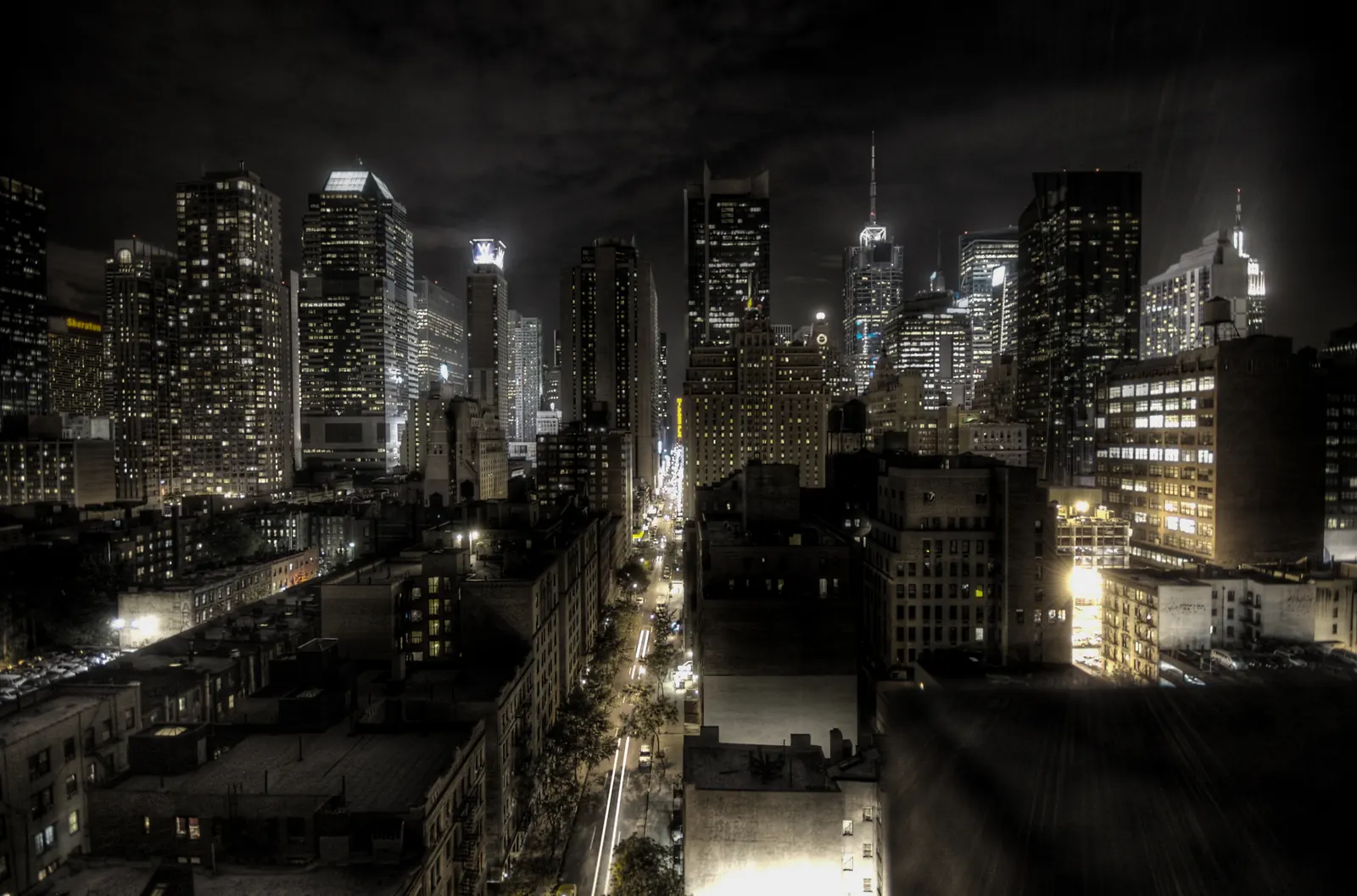
- Las Vegas for neon and architectural night work
- Tokyo for cyberpunk-style urban night
The strongest guides in night photography tours build itineraries around the light, not the calendar. That means they may revisit the same vantage point at sunrise and sunset on different days to give you both directions of light. Ask any prospective guide how they handle weather contingencies — the answer separates pros from amateurs.
What separates a great night photography tours photo guide from a mediocre one
The cheapest tour in night photography tours is almost never the best value, but the most expensive tour isn’t automatically worth the premium either. Here’s the framework professional photographers use when vetting a guide before they hand over a four-figure deposit:
- Permits and access. Does the guide hold permits that get you into locations a solo traveler cannot reach? Private rooftops, off-hours museum access, and restricted-area passes are the single biggest reason to pay for a guide instead of going it alone.
- Group size cap. Anything over six or seven photographers means you’ll be waiting in line for the tripod position at every vantage point. Smaller groups (3-5) cost more per head but give you actual time at each location.
- Published portfolio from the exact tour. A guide who can show you images they made on this specific itinerary proves the locations and light work. Generic portfolios from unrelated shoots are a red flag.
- Weather and rescheduling policy. night photography tours weather can wipe out a day of shooting. Good guides build flex days into multi-day workshops and offer rebookings, not just refunds.
- Post-processing instruction. The strongest workshops include 1-2 hours per day of Lightroom or Capture One critique on the images you just made. Pure field time without editing review caps your growth.
One more practical filter: ask the guide for two references from clients who shot the exact tour you’re considering. A confident, professional guide will produce names within 24 hours.
When to book and how to plan for night photography tours
new moon phase for astrophotography; full moon for moonlit landscapes; winter (longer dark hours) for aurora-focused tours.
For multi-day workshops, the best operators book six to twelve months out. Single-day photography tours in major cities usually have availability 1-2 weeks ahead, though weekend slots fill earlier. If you’re targeting a specific astronomical event (new moon, aurora forecast, full moon over a landmark), lock the dates the moment the lunar calendar is published — the best guides in night photography tours sell those slots within hours.
Budget benchmark for night photography tours: aurora tours: $1,500-4,000 for 5-7 nights. Single-night urban tours: $80-200.. Tipping is customary in many countries; budget another 10-15% on top of the sticker price for the guide and any drivers or assistants. Always ask whether equipment rentals (tripods, filters, even tilt-shift lenses for architecture work) are included or charged separately.
Photography techniques to practice before you go on a night photography tours tour
Guides cost serious money. The difference between coming home with a folder of great images and a folder of fine images often comes down to whether you arrived prepared to execute what the guide is teaching, or whether you spent the first half of every shoot figuring out your own camera. Drill these techniques in the weeks leading up to your tour:
- Manual exposure for high-contrast scenes. Most tour vantage points have a bright sky and a darker foreground. Practice metering for the highlights and lifting shadows in post.
- Long-exposure with neutral density filters. Smoothing water, blurring crowds, and showing motion in clouds — all built on the same skill of timing exposures to 1-30 seconds.
- Focus stacking. Many landscape tours involve foreground-to-infinity compositions that exceed single-shot depth of field. Learn the focus-bracketing routine for your camera before the trip.
- Time-blending. Capturing a vantage point at blue hour and waiting for civil twilight, then blending in post. Guides love students who already know how to set the camera up for this technique.
- Tethered shooting (for studio-style portrait workshops). Saves hours of culling later when you can immediately review shots on a larger screen with the guide.
Gear callout for night photography tours: fast wide-angle (14mm f/1.8 or 24mm f/1.4), sturdy tripod, intervalometer, headlamp with red mode, hand-warmers for cold-weather shoots. Anything else you can rent locally for cheaper than airline overweight fees.
Frequently asked questions
Are photography tours in Worldwide worth it?
For most photographers, yes — the access to private viewpoints, the timing on golden-hour locations, and the local knowledge a working photographer brings is hard to replicate solo on a short trip. The honest answer depends on how many days you have and how confident you are scouting the destination.
How much do photography tours in Worldwide cost?
Single-night astrophoto tours $150-400. Multi-day astrophoto expeditions $2,500-6,000. Private tours and multi-day expeditions cost more but produce significantly stronger photographic outcomes.
What gear should I bring for Worldwide photography tours?
A wide fast prime is non-negotiable — 14mm, 20mm, or 24mm at f/1.4 or f/1.8. Star tracker (Sky-Watcher Star Adventurer or iOptron SkyGuider) for sub-galaxy detail. Sturdy tripod, intervalometer, lens warmer to prevent dew. Red headlamp to preserve night vision.
All links go to B&H Photo Video, the trusted pro source. Tagged as affiliate per FTC.
What to Pack
A focused landscape kit handles every shot at Best Night Photography Tours without breaking your back. Here is the working photographer's pack list — every link goes to B&H Photo Video (our primary supplier) or Amazon (for accessories and same-day delivery in the US).
| What & Why | B&H | Amazon |
|---|---|---|
Wide-angle zoom (14-35mm range) The single most important lens for sweeping vistas. Pair with a circular polarizer for skies and water. | Shop B&H → | Shop Amazon → |
Sturdy travel tripod Carbon fiber, packs to 15 inches, holds steady in wind off the coast. Essential for blue-hour and long-exposure work. | Shop B&H → | Shop Amazon → |
Circular polarizer (77mm or 82mm) Cuts haze, deepens sky, reveals texture in water. Non-negotiable for landscape work. | Shop B&H → | Shop Amazon → |
10-stop ND filter For 30-second exposures that turn moving water and clouds into silk. | Shop B&H → | Shop Amazon → |
Extra batteries (3 minimum) Cold weather and long exposures eat batteries. Carry triple what you think you need. | Shop B&H → | Shop Amazon → |
Fast SD/CFexpress cards V90 or CFexpress depending on your body. Two cards minimum so a failure mid-trip is recoverable. | Shop B&H → | Shop Amazon → |
Microfiber lens cloths Salt spray, mist, and dust will ruin every shot if you don't carry a cloth. | Shop B&H → | Shop Amazon → |
B&H and Amazon links are affiliate links. We earn a small commission on purchases at no extra cost to you. We only recommend gear we use or would buy ourselves.