Best Photography Tours in New York City: 6 Photographer-Led Trips Worth Booking
~10 min read · 2026-05-08
The best photography tours in new york city category covers a specific kind of trip: photographer-led, golden-hour-timed, and structured to deliver finished images by the end of the day. New York’s photography is mostly about elevation and timing — the iconic skyline shots come from rooftops you can’t access alone, and the street work rewards photographers who know which subway stops to start at and where the working-light alleys are.
Six tour types are worth comparing if you’re considering booking a photography experience in New York City. The Viator listings below are curated for photographers — small group sizes where possible, golden-hour timing, and operators with verified photographer-friendly reviews.
Why book a photography tour in New York City
Three reasons photographers book tours instead of going solo:
- Access. Rooftops, private courtyards, after-hours museum access, and ceremonies that solo photographers cannot legally or practically reach. Tour operators have the local relationships you don’t.
- Light. A working photographer-guide knows where to be at golden hour any week of the year. That’s hard-won timing knowledge built over years of shooting the destination.
- Time. Tours compress what a self-guided photographer would spend three days scouting into one efficient morning. On short trips, a tour day is often the highest-ROI day of the trip.
 Save
Save6 photography tour types in New York City
The six tour categories below cover the photographic spectrum of New York City. Each links to current Viator listings where you can compare operators, dates, group sizes, and prices.
| Tour type | What you’ll photograph | Book |
|---|---|---|
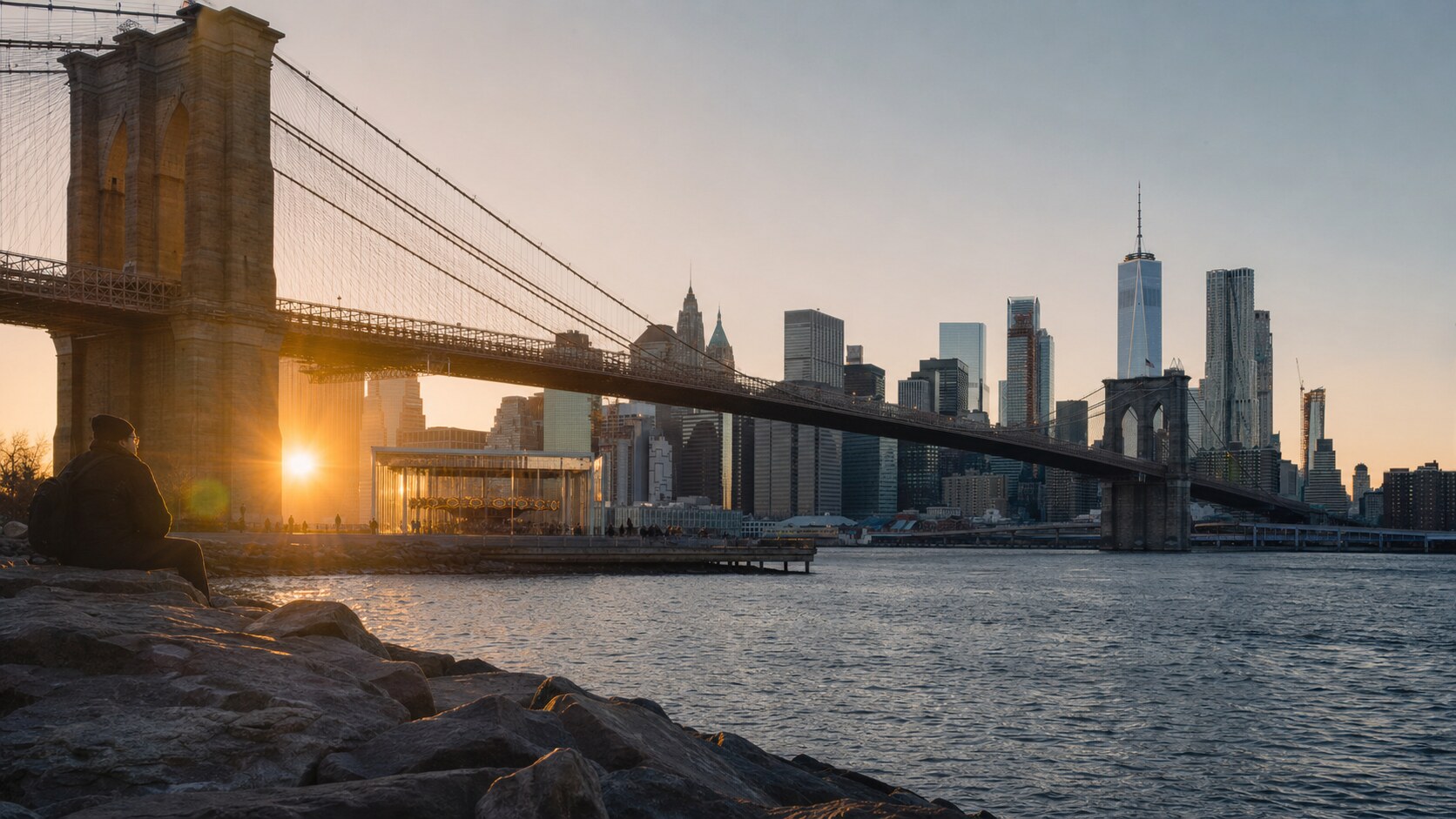
| Brooklyn Bridge sunrise photography | 5:30am Manhattan-side or DUMBO-side shoots. Tour operators often include rooftop terrace access. | View on Viator → |
| Manhattan skyline rooftop photography tour | Includes 1-2 private rooftop access points. Blue hour priority. Premium product, $200+. | View on Viator → |
| Central Park photography walk | Bow Bridge, Bethesda Terrace, the Mall. Half-day. Best in autumn for foliage. | View on Viator → |
| Times Square night photography | Long-exposure cab trails, neon reflections, candid street. 8pm-11pm typical. | View on Viator → |
| Brooklyn DUMBO street photography | Street-art, brownstones, working artisans. Half-day in Williamsburg-DUMBO. | View on Viator → |
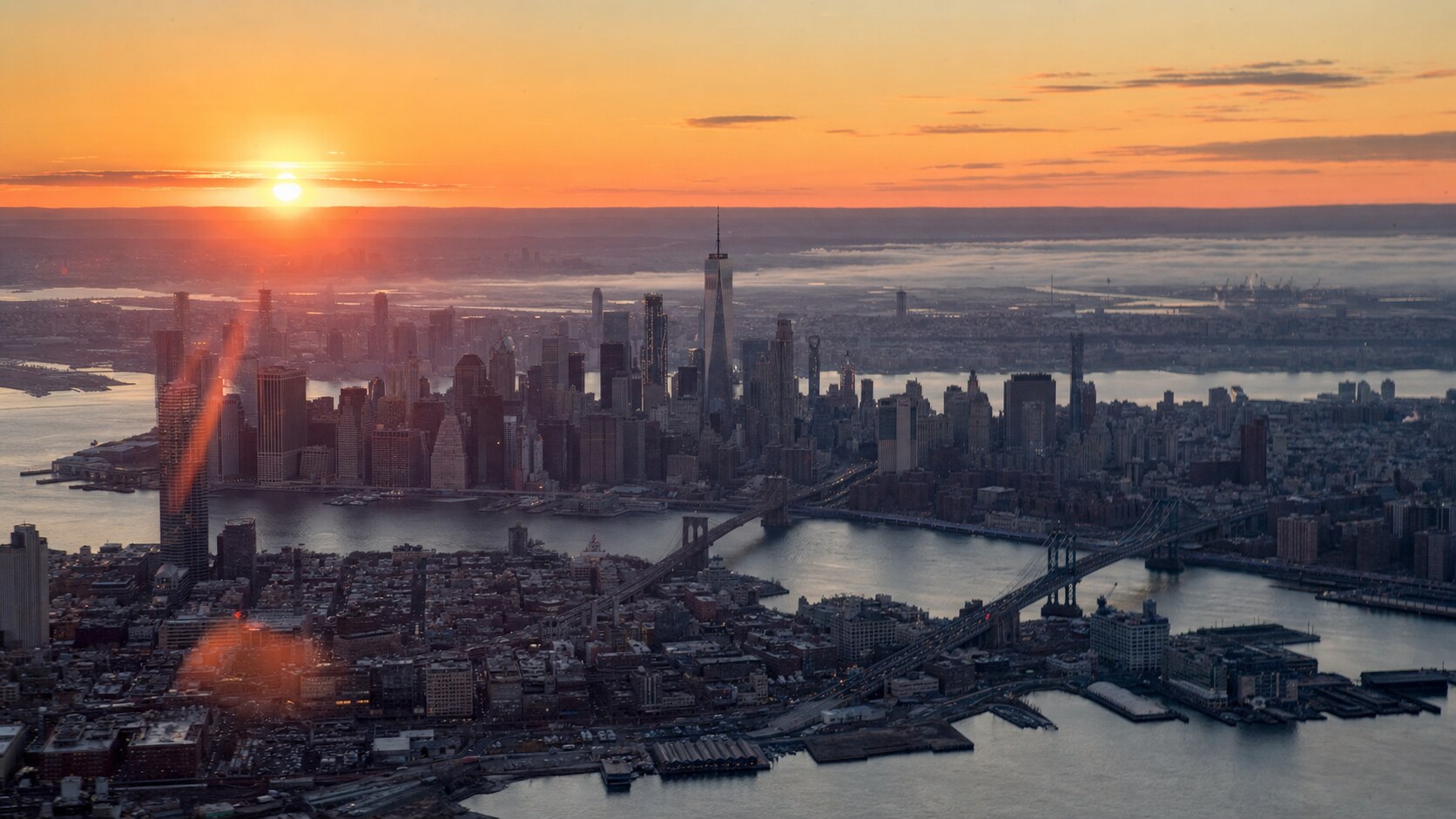
| Helicopter photography tour over Manhattan | Doors-off helicopter tours, expensive but produce iconic aerials. 15-30 minute flights. | View on Viator → |
 Save
SaveWhen to book and best months
Late October-early November (autumn foliage), late April-May (clean spring skies). Avoid July-August humidity and February ice.
Most photography tours in New York City can be booked 7-14 days in advance with reasonable availability. Premium private tours and multi-day expeditions should be booked 60-90 days out, particularly during shoulder season peaks. Tours during festival or holiday periods often sell out months in advance.
 Save
SavePricing: what you actually pay
Group walks $80-150. Private rooftop photo tours $250-500. Helicopter photo flights $250-450 for 15 minutes.
What’s typically included: transport between locations, photographer-guide instruction time, sometimes a snack or meal, and any pre-arranged site permits. What’s typically extra: equipment rental (rare on photo tours — most operators expect you to bring your own), entry fees to specific paid sites, and personal incidentals.
Tipping is normal in many photography tour markets — plan for 10-15% of the tour cost for the lead guide on a positive experience. Verify the tipping convention for the specific country before the trip.
Gear to bring
A 24-70mm f/2.8 covers most NYC work. Add a 16-35mm for the rooftop shots where you need to fit the skyline edge-to-edge. A 70-200mm for Brooklyn Bridge compression from Manhattan side. Tripod for blue hour rooftops, but verify the operator allows them — some private rooftops prohibit them.
One general rule across photography tours: bring less, not more. The temptation is to pack the full kit “in case.” In practice, photographers who carry one body, two lenses, and a tripod consistently produce stronger work on tours than photographers who carry the full kit — the cognitive overhead of choosing equipment in the field is real. Pre-decide your kit the night before, and stick with the decision.
Tour vs DIY: which fits your trip
Book a tour if: you have under 5 days at the destination, you want access to private or restricted spots, you’re new to a destination’s photographic identity, or you want hands-on instruction during the trip.
Skip the tour and go DIY if: you have a week or more, you’ve shot similar destinations confidently before, you prefer the meditative pace of solo work, or your travel style values exploration over efficiency. Both approaches produce good work — the question is which fits your specific trip.
Beyond the Tour: Self-Guided Photography Walks in New York City
Once your guided tour wraps, the locations you’ve scouted are fresh in your mind but the images you actually made are just the beginning. Self-guided return visits — ideally the next morning before you leave — are often where the strongest frames happen, because you’re no longer following an agenda.
These are the spots worth revisiting on your own time after a photography tour in New York City:
- Brooklyn Bridge pedestrian walkway — approach from the Brooklyn side at 6 a.m., facing Manhattan
- Gapstow Bridge in Central Park — the classic NYC park in winter or autumn color, pre-dawn
- High Line elevated park — oblique urban perspectives; late afternoon light from the west through the meatpacking district
- DUMBO between the bridges — the street-grid framing of Manhattan Bridge from Washington Street
The DUMBO Washington Street composition (Manhattan Bridge framed by the brick buildings on either side) is one of the most-photographed spots in NYC. The secret is arrival at 5:30 a.m. — you’ll still find photographers there but it’s manageable. The secret composition is to step two blocks south to Plymouth Street, where the Brooklyn Bridge appears in the same type of street-grid framing but with far fewer people. Your tour guide will have shown you the classics; the solo expansion is to find the lesser-known versions.
When the Tour Ends: How to Continue Shooting New York City Solo
A photography tour gives you a framework — locations scouted, light patterns understood, composition approaches proven. The growth that follows is personal and comes fastest through deliberate solo practice at those same and adjacent locations.
- Return at a different light. If the tour hit sunrise spots, go back at sunset (or blue hour). The exact same vantage point with warm west light instead of cool east light is an entirely new photograph.
- Change your focal length. Use a telephoto where the guide used a wide-angle. Compressed perspective, eliminated foreground, and layered backgrounds create a different mood without moving an inch.
- Commit to one subject for a full morning. Pick one street, one building, or one market and photograph only that for 3-4 hours. The depth of a single-subject session consistently produces stronger images than covering ground.
- Find the quieter equivalent. Every famous viewpoint in New York City has a lesser-known cousin 5-15 minutes away. Ask your guide before the tour ends or walk the adjacent streets with no agenda.
Gear for solo follow-up sessions in New York City: 70-200mm for Manhattan skyline compression from Brooklyn Bridge Park Pier 1, 24mm for the DUMBO street frames, ND filter for Empire State long exposures from the Top of the Rock.
Keep a shooting journal after each self-guided session: what worked, what didn’t, and what you’d change. Return those questions to the next workshop you book. The cycle of guided instruction followed by solo practice is the proven path to developing a consistent photographic eye.
Frequently asked questions
Are photography tours in New York City worth it?
For most photographers, yes — the access to private viewpoints, the timing on golden-hour locations, and the local knowledge a working photographer brings is hard to replicate solo on a short trip. The honest answer depends on how many days you have and how confident you are scouting the destination.
How much do photography tours in New York City cost?
Group walks $80-150. Private rooftop photo tours $250-500. Helicopter photo flights $250-450 for 15 minutes. Private tours and multi-day expeditions cost more but produce significantly stronger photographic outcomes.
What gear should I bring for New York City photography tours?
A 24-70mm f/2.8 covers most NYC work. Add a 16-35mm for the rooftop shots where you need to fit the skyline edge-to-edge. A 70-200mm for Brooklyn Bridge compression from Manhattan side. Tripod for blue hour rooftops, but verify the operator allows them — some private rooftops prohibit them.
All links go to B&H Photo Video, the trusted pro source. Tagged as affiliate per FTC.
What to Pack
Urban photography rewards a small, fast, flexible kit. Here is what travels well to New York City — links go to B&H Photo Video (our primary supplier) and Amazon for accessories.
| What & Why | B&H | Amazon |
|---|---|---|
Standard zoom (24-70mm) The single best urban walkaround lens. Wide enough for streets, tight enough for portraits and details. | Shop B&H → | Shop Amazon → |
Fast prime (35mm or 50mm) For low-light blue-hour streetwork and cafe interiors where a tripod is not welcome. | Shop B&H → | Shop Amazon → |
Compact travel tripod For blue-hour skylines and long exposures from bridges and rooftops. | Shop B&H → | Shop Amazon → |
Variable ND filter Cuts daytime light for slow-shutter motion in busy urban scenes. | Shop B&H → | Shop Amazon → |
Extra batteries (3 minimum) A full day of street shooting drains two batteries minimum. Carry three. | Shop B&H → | Shop Amazon → |
Lens cleaning kit Fingerprints and urban grime appear fast. Clean between every coffee stop. | Shop B&H → | Shop Amazon → |
Anti-theft camera strap Quick-release plus security cable. Worth the investment in any major city. | Shop B&H → | Shop Amazon → |
B&H and Amazon links are affiliate links. We earn a small commission on purchases at no extra cost to you. We only recommend gear we use or would buy ourselves.