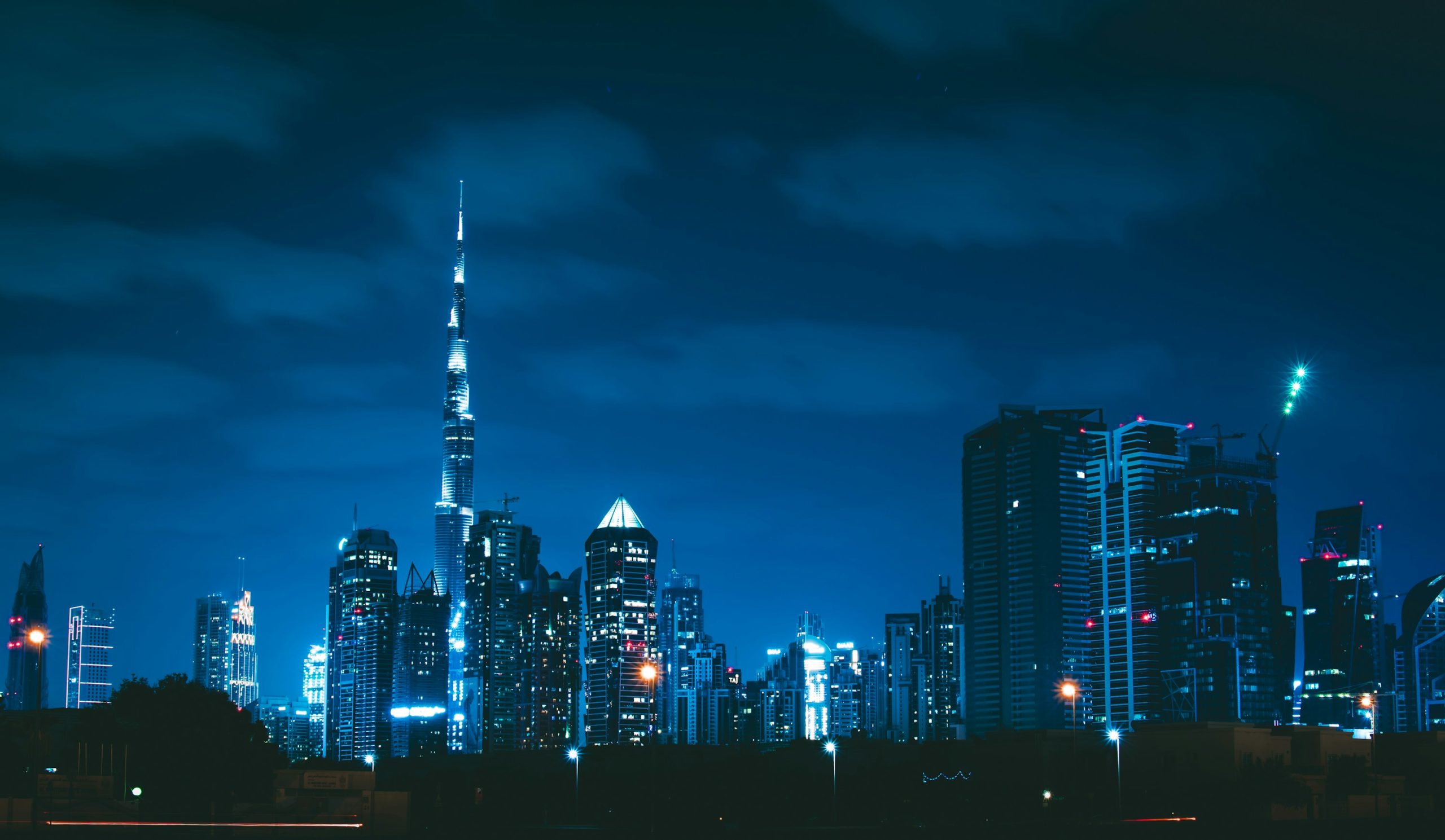
Best Photography Spots in Dubai: 11 Locations With GPS

Tours & experiences disclosure: This guide includes affiliate links to Viator, the world’s largest tour and experiences marketplace. If you book through these links, ShutYourAperture may earn a small commission at no extra cost to you.

Dubai photography guide hero imageSave

Amazon Associates disclosure: ShutYourAperture is a participant in the Amazon Services LLC Associates Program. As an Amazon Associate we earn from qualifying purchases. Some links below go to Amazon (Store ID edinchavez01-20). Buying through these links costs you nothing extra and helps fund our free guides.
Skip the planning. Get the Dubai PDF. All locations, GPS coordinates, golden-hour times, gear tips. Instant download.

Dubai, United Arab Emirates is one of the most photogenic cities in the world. If you have a camera and the patience to show up before dawn, Dubai will give you images that last a career — but only if you know where and when to point it.

This is the definitive field guide to the 11 best photography spots in Dubai, with GPS coordinates you can drop straight into Google Maps, exact camera settings tuned to Dubai’s unique light, precise timing for every location, and the access notes nobody else bothers to document. It mirrors the intel inside our Dubai Ultimate Photographer’s Guide ($47 PDF) — a downloadable field guide with full-page hero images, GPS maps, seasonal tables, a city safety briefing, and a complete photographer’s packing list. Get the guide →

Planning multi-city travel? See also: U.S. cities photography hub and the National Parks Photography Guides.

Dubai Ultimate Photographer’s Guide — $47
11 GPS-mapped locations · Exact camera settings · Multi-season shooting calendar · Free annual updates

Download the PDF guide →
Skip the planning

Get the Dubai Ultimate Photographer’s Guide

Every location below — pre-mapped with GPS, golden-hour timing, gear recommendations, cultural rules, and a 14-day itinerary. Downloaded by 200+ working photographers.

Get the PDF · $47
Instant download · Lifetime updates

Quick jump to the 11 spots

  1. Burj Khalifa — At The Top Observation Deck + Exterior Reflections
  2. Dubai Mall + Dubai Fountain
  3. Burj Al Arab — Sunset Beach / Umm Suqeim
  4. Palm Jumeirah — The View at The Palm Observatory
  5. Dubai Marina + JBR (Jumeirah Beach Residence)
  6. Dubai Frame — Zabeel Park
  7. Old Dubai — Al Fahidi Historical Neighbourhood + Dubai Creek Abra
  8. Gold Souk + Spice Souk — Deira
  9. Sheikh Zayed Road Skyline — Museum of the Future Passageway
  10. Jumeirah Mosque
  11. Desert Conservation Reserve — Lahbab Red Dunes

A look inside the Dubai Photographer’s Guide

Here are three of the actual shots you’ll find inside the PDF — cinematic full-page references for the exact spots, lenses, and lighting conditions documented in the guide. The full guide includes 11 locations, each with a hero image, GPS map, settings table, and a five-shot list.

Burj Khalifa — At The Top Observation Deck + Exterior Reflections — from the Dubai Photographer's GuideSave
Burj Khalifa — At The Top Observation Deck + Exterior Reflections — sample reference photo from the Dubai Photographer’s Guide PDF

Before you shoot Dubai: the essentials

  • Free public access: Dubai Fountain (free from boardwalk, lakeside promenade, Dubai Mall bridge, and Souk Al Bahar terrace); Al Fahidi Historical Neighbourhood streets (free, 24h); Gold Souk and Spice Souk (free to walk through); Jumeirah Mosque exterior (free); Sheikh Zayed Road skyline views from public overpasses (free); Dubai Marina Walk and JBR Beach (free); Sunset Beach / Umm Suqeim Beach (free); Al Marmoom Desert Conservation Reserve entry (free for nature access); Burj Khalifa At The Top observation: AED 199 (Silver, levels 124–125) to AED 769 (Platinum, levels 152–154) — book at atthetop.ae; Dubai Frame AED 50 adults (includes Zabeel Park); The View at The Palm AED 110–130 general / AED 158 prime slot; Jumeirah Mosque cultural tour AED 45
  • Commercial permits: Personal/tourist photography in all public spaces is unrestricted. Commercial photography (advertising, editorial, influencer sponsored content) requires a permit from the Dubai Film and TV Commission (DFTC) or Dubai Department of Economy and Tourism (DET); fees vary by location and duration. Tripods in malls and some parks draw security attention and may be asked to put away without a permit. Photographing people requires explicit consent (Federal Decree-Law No. 34 of 2021); fines AED 150,000–500,000 for violations. Government and military buildings, airports, and metro interiors are strictly off-limits. Drone (UAS) operations require GCAA registration and operational approval via the UAE Drone app or mydronehub.ae; tourists are not yet included in Phase 1 (residents only as of January 2025); commercial drone photography requires Security Clearance Approval (SCA) — 14 working days processing; no-fly zones cover most of central Dubai, near airports, and over populated/government areas. Violations carry fines up to AED 50,000.
  • Best photography seasons: October–April (cooler temperatures 18–30 °C, clear skies, golden-hour light lasting 20–30 minutes, low humidity); November–March is peak season with best visibility; May–September is brutally hot but golden-hour light is spectacular and crowds are thinner at sunrise
  • Blue hour notes: Dubai sits at 25.2°N — blue hour after sunset lasts approximately 15–25 minutes, shorter than higher-latitude cities. The sun sets in a west-northwest direction year-round. Best blue-hour shots are from the Dubai Fountain boardwalk (fountain lights, Burj Khalifa LED show), Dubai Marina waterway (skyscraper reflections), and Sunset Beach (Burj Al Arab silhouette against deep indigo sky). In summer the sun sets around 7:30 PM; in winter around 5:45 PM.
  • Drone policy: Drone laws vary widely by country and city — many capital and tourist zones are no-fly. Verify the local civil aviation authority’s current rules before launching.
  • Local resource: Official visitor information

The full-resolution version of every map below — plus seasonal calendars, gear notes per location, sun-angle diagrams, and a complete photographer’s packing checklist — is inside the Dubai Photographer’s Guide PDF ($47).

1. Burj Khalifa — At The Top Observation Deck + Exterior Reflections

The world’s tallest building at 828 m (2,717 ft), the Burj Khalifa’s observation decks give the only licensed aerial photography platform over Dubai’s skyline from directly above Downtown. The LED facade light show (nightly from 7:30 PM) and the Dubai Fountain choreography on Burj Khalifa Lake below create one of the most photographed scenes on earth. The exterior reflection in the lake — shot from the boardwalk — is the quintessential Dubai photograph.

  • GPS: 25.1972, 55.2744
  • Elevation: 2,717 ft
  • Best time of day: sunset (prime slot 3–7 PM) — golden hour turns the city amber from the observation deck; exterior reflection shots in Burj Khalifa Lake are best 30 minutes before and 20 minutes after sunset from the Fountain boardwalk
  • Sun direction: Dubai sits at 25°N; the sun rises northeast in summer, east-southeast in winter, and sets northwest in summer, west-northwest in winter. From the observation deck, the sun sets over the Arabian Gulf and Dubai Marina to the northwest — the most dramatic evening view. Sunrise lights up the Desert and Downtown from the east. The Fountain Lake reflection of the Burj Khalifa faces north from the south boardwalk; at blue hour the tower facade lights up with the LED show (10 PM nightly) for a different multi-exposure composition.
  • Access: Entrance via Dubai Mall Lower Ground Floor (LG-54), Mohammed Bin Rashid Boulevard, Downtown Dubai. At The Top Silver (levels 124–125): AED 199 non-prime, AED 259 prime (3–7 PM) — book at atthetop.ae. Gold (levels 124–125–148): AED 449. Platinum (levels 152–154): AED 769. Children under 3 free. Open daily 10 AM–8 PM (last entry 7 PM). Metro: Burj Khalifa/Dubai Mall Station (Red Line). Dubai Mall parking validated with ticket. Exterior boardwalk and Fountain promenade are free, 24h access.
  • Difficulty: easy
  • Recommended settings: Observation Deck Golden Hour Panorama: f/8, 1/500 sec, ISO 100, 16–24mm — use the outdoor terrace on level 124 for unobstructed wide shots  ·  Exterior Reflection Blue Hour: f/11, 4–8 sec, ISO 100, 24–35mm, tripod on Fountain boardwalk for the tower reflected in the lake  ·  Fountain Show Telephoto: f/5.6, 1/500 sec, ISO 400, 200–300mm to compress the water jets against the tower facade during the show  ·  Led Show Long Exposure Night: f/11, 15–25 sec, ISO 100, 16mm, tripod — capture the LED color trail sweeping the tower facade after dark

Shots to chase:

  • Wide-angle panorama from level 124 outdoor terrace at golden hour with Downtown grid and Fountain Lake glowing below
  • Mirror reflection of the full Burj Khalifa in Burj Khalifa Lake from the south boardwalk at blue hour — the defining Dubai photo
  • Telephoto shot from the Souk Al Bahar bridge compressing the fountain water jets against the illuminated tower at the 6 PM evening show
  • Low-angle wide shot from the base of the tower looking straight up the tapered shaft with converging lines at twilight
  • LED facade light show long exposure — 20-second exposure as the blue/gold/white pattern sweeps down the tower from the lake level

Pro tip: Book the prime-time sunset slot (3–7 PM, AED 259) well in advance — these sell out days ahead. Arrive 30 minutes early for the outdoor terrace on level 124, which has the best unobstructed angles. For the exterior reflection shot, the Souk Al Bahar terrace (free) on the southeast side of the lake gives a slightly elevated angle over the boardwalk crowd. Bring a circular polarizer for midday shots to cut glare on the lake surface.

Common mistake to avoid: Booking the non-prime (morning/late night) ticket and missing the golden-hour light show. Forgetting that glass panels inside the observation deck cause reflections — shoot only from the outdoor terrace. Arriving without a booking and being turned away at peak times. Shooting the exterior at midday when harsh overhead light flattens the facade and eliminates shadow depth.

2. Dubai Mall + Dubai Fountain

The world’s largest dancing fountain on a 30-acre lake at the base of the world’s tallest tower: 6,600 lights, 25 projectors, water jets reaching 150 m, choreographed to classical Arabic music. The Dubai Mall itself offers interior photography of the Dubai Aquarium (a 10-million-litre walk-through tank visible from outside), the indoor waterfall, and the massive retail atrium. The fountain show is completely free from the public promenade.

  • GPS: 25.1985, 55.2796
  • Elevation: 16 ft
  • Best time of day: evening show — fountain operates daily 6–11 PM every 30 minutes (afternoon shows at 1 PM/1:30 PM Sat–Thu, 2 PM/2:30 PM Fri); the 6:30–7:30 PM shows combine last golden-hour light with the fountain illumination for the best balanced exposure
  • Sun direction: Burj Khalifa Lake is surrounded on three sides by the Mall, Souk Al Bahar, and the Fountain promenade. The sun sets to the northwest — directly behind the Burj Khalifa silhouette when viewed from the south boardwalk at winter solstice. At golden hour the tower glows amber while the lake is still partly lit; at blue hour the full LED show and fountain lighting dominate. Best shooting positions face north-northwest from the south waterfront promenade.
  • Access: Dubai Mall, Financial Centre Road, Downtown Dubai. Fountain boardwalk, Souk Al Bahar bridge, and waterfront promenade are all free, 24h. The Mall itself is open daily 10 AM–midnight (Thu–Sat until 1 AM). Metro: Burj Khalifa/Dubai Mall Station (Red Line) — 5-min walk via the bridge. Parking at Dubai Mall (paid, validated for shoppers). Fountain boat tours (AED 75) depart from the west side boardwalk daily 5:45–11:30 PM.
  • Difficulty: easy
  • Recommended settings: Fountain Show Water Jets: f/8, 1/500 sec, ISO 800, 70–200mm to freeze the jets at peak height against the illuminated tower  ·  Fountain Long Exposure Silky: f/16, 1–2 sec, ISO 100, 24–35mm, tripod — silky water arcs around the illuminated lake edge  ·  Aquarium Tank Interior: f/2.8, 1/60 sec, ISO 3200, 24mm — handheld through the acrylic glass wall; no flash  ·  Blue Hour Wide Promenade: f/11, 6 sec, ISO 100, 16mm, tripod — capture the full lake reflection and tower in one frame during the brief blue hour

Shots to chase:

  • Telephoto compression of the fountain water column at peak height (150 m) silhouetted against the illuminated Burj Khalifa facade
  • Low-angle tripod shot from the Souk Al Bahar bridge including both the fountain reflection and the arched stone bridge as a foreground frame
  • Silhouette of crowds on the promenade against the fountain spray backlit by LED spotlights at the evening show
  • Dubai Aquarium’s 10-million-litre tank panel from the mall exterior walkway — wide shot of sharks and rays with shoppers reflected
  • Aerial-perspective shot from the Burj Khalifa outdoor terrace looking straight down onto the Fountain Lake during a show at night

Pro tip: The Souk Al Bahar terrace (across the bridge, free) is elevated and less crowded than the main promenade — ideal for a slightly higher shooting angle. The boat tour (AED 75, 30 min) positions you inside the fountain footprint during a show — extraordinary for wide-angle immersion shots but challenging for long exposures. Thursday and Friday night 9–11 PM shows are the busiest; arrive by 6 PM for the first evening show for the best crowd-free angles.

Common mistake to avoid: Positioning too close to the fountain (south boardwalk centre) makes it impossible to fit both the tower and the jets in one frame at 24mm — step back to the Souk Al Bahar bridge or the outer promenade. Shooting handheld during the long-exposure part of the show produces blur — a compact travel tripod is essential. Leaving before the blue-hour window (20 min after sunset) misses the richest sky-and-light color combination.

3. Burj Al Arab — Sunset Beach / Umm Suqeim

The Burj Al Arab is the world’s most recognizable luxury hotel and Dubai’s most iconic architectural symbol — a 321 m sail-shaped structure on a private island connected to the mainland by a curved bridge. From Sunset Beach, the hotel appears isolated against the Gulf and sky, creating one of the cleanest architectural silhouettes in the world. The unobstructed western horizon means the beach offers the best sunset backdrop in Dubai.

  • GPS: 25.1411, 55.186
  • Elevation: 3 ft
  • Best time of day: golden hour and blue hour — the sun sets directly over the Arabian Gulf to the northwest; the sail-shaped tower faces northwest, and from Sunset Beach / Umm Suqeim Beach the hotel is backlit at sunset creating a dramatic silhouette or warm side-light composition
  • Sun direction: The Burj Al Arab sits on an artificial island 280 m off Umm Suqeim Beach on a north-south axis, with its sail facade facing northwest. At sunset (October–March: 5:40–6:00 PM; June–August: 7:15–7:30 PM) the sun sets directly to the right of the hotel from the beach, creating dramatic edge-light on the sail sail. Shoot from Umm Suqeim Beach (Sunset Beach) facing northwest for classic silhouette. The blue hour provides rich indigo sky backdrop. Morning from the beach gives frontal soft light on the white sail facade.
  • Access: Umm Suqeim Public Beach (Sunset Beach), 4 2C Street, Umm Suqeim 3, Dubai. Free public beach, open 24h. Parking on the road adjacent to the beach (free or paid depending on zone). Nearest Metro: Mall of the Emirates Station + 10 min taxi. The hotel itself is private — access requires a hotel reservation or paid restaurant booking. Best photography is from the beach 300–500 m from the hotel with a telephoto lens.
  • Difficulty: easy
  • Recommended settings: Sunset Silhouette Telephoto: f/8, 1/1000 sec, ISO 100, 200–400mm to compress the sail against the sun disc and Gulf horizon  ·  Golden Hour Wide Beach: f/8, 1/250 sec, ISO 100, 35–50mm — wide shot including beach foreground, wet sand reflection, and hotel lit by warm side-light  ·  Blue Hour Long Exposure Sea: f/11, 15–30 sec, ISO 100, 24–35mm, tripod — silky water, deep indigo sky, hotel illuminated with interior lights  ·  Sunrise Morning Frontal: f/8, 1/400 sec, ISO 100, 70–135mm — morning sun from the east illuminates the white sail facade from behind the beach viewer

Shots to chase:

  • Classic sunset silhouette with the sail-shaped profile in pure black against an orange-and-pink Arabian Gulf horizon at golden hour
  • Wet sand reflection of the Burj Al Arab and colorful sunset sky from low angle on the shoreline at high tide
  • Telephoto compression shot of the hotel emerging from sea-level haze at 200–400mm for a ‘mirage’ effect
  • Blue-hour long exposure with the illuminated hotel glowing warm against the deep indigo sky and a silky Gulf foreground
  • Wide-angle shot including beachgoers silhouetted in the foreground and the hotel in the background at golden hour — capturing Dubai’s juxtaposition of leisure and architecture

Pro tip: Use a telephoto lens (200–400mm) for the most dramatic compression of the sail against the horizon. The best wet-sand reflection position is near the water’s edge at low tide — check tide tables. Arrive 45 minutes before sunset to scout the beach and find the cleanest foreground without beach umbrellas or crowds. The Burj Al Arab helicopter pad overhangs at the top of the sail — telephoto shots can capture the distinctive curved pad against the sky.

Common mistake to avoid: Attempting to photograph from the hotel bridge or nearby private road — security will redirect you. Shooting at noon when harsh overhead light bleaches the white facade. Forgetting that summer sunset is after 7:15 PM — check local sunset times since they shift significantly between seasons. Under-exposing the silhouette shot causes loss of detail in the foreground sand and sea.

Want this in your pocket on the street?
The full-resolution version of every spot above — with full-page hero photography, GPS maps with gold location pins, sun direction diagrams, multi-season tables, and a complete safety + packing checklist — is inside the Dubai Ultimate Photographer’s Guide PDF ($47). Print it, save it offline, take it on the walk. Get the guide →

4. Palm Jumeirah — The View at The Palm Observatory

The only observation deck offering an aerial view directly above Palm Jumeirah’s iconic palm-tree shape — the artificial island engineered in the Arabian Gulf is one of the largest man-made structures on earth. From 240 m, the full symmetrical frond pattern, the crescent arc, the trunk, and the surrounding Gulf are all visible in a single frame. An interactive exhibition on the island’s construction is included with admission.

  • GPS: 25.1121, 55.1391
  • Elevation: 787 ft
  • Best time of day: golden hour (prime sunset slot) — the full palm frond pattern is most visible in bright midday light; sunset provides dramatic warm tones over the Arabian Gulf and Dubai Marina skyline to the northeast
  • Sun direction: The Palm Jumeirah is oriented north-south with the crescent arc facing north into the Gulf. From level 52 of Palm Tower (240 m), the sun sets to the northwest over the open Gulf — the Atlantis hotel at the top of the crescent is lit from behind at sunset. The Marina and Dubai skyline to the northeast are front-lit at sunset. The full palm frond pattern is most legible in midday direct overhead light but appears best photographically at golden hour with long shadows across the fronds.
  • Access: Palm Tower, Nakheel Mall, Palm Jumeirah, Dubai. The View at The Palm: general admission AED 110–130 (non-prime) / AED 158 (prime sunset slot), book at theviewpalm.ae. Next Level (level 54 open-air upgrade): AED 175–250. Open daily 9 AM–10 PM. Palm Monorail from Nakheel Mall station. Tram: Palm Jumeirah stop. Parking at Nakheel Mall.
  • Difficulty: easy
  • Recommended settings: Aerial Palm Pattern Midday: f/11, 1/800 sec, ISO 100, 24–35mm — bright midday light shows full pattern clarity with blue water and green fronds  ·  Golden Hour Gulf Panorama: f/8, 1/400 sec, ISO 100, 16–24mm — panorama including Atlantis, Dubai Marina skyline, and Arabian Gulf at warm light  ·  Blue Hour City Lights Night: f/11, 8–15 sec, ISO 100, 24mm, tripod (if allowed) — Marina towers lit up behind the dark palm fronds  ·  Telephoto Atlantis Detail: f/8, 1/500 sec, ISO 100, 200mm — compress Atlantis The Palm hotel at crescent against Gulf horizon

Shots to chase:

  • Overhead wide shot of the full Palm Jumeirah frond pattern with deep blue Arabian Gulf surrounding it — the definitive aerial composition
  • Golden-hour panorama facing northeast — Dubai Marina skyline, Ain Dubai Ferris wheel, and the Gulf all in one 16mm frame
  • Telephoto compression of Atlantis The Palm hotel at the crescent tip with the Gulf horizon behind it at sunset
  • Interior interactive exhibition — the scale model of the Palm lit from above for a graphic top-down architectural shot
  • Night long-exposure of the lit trunk and fronds with city lights reflected in the Gulf waters below

Pro tip: Book the prime sunset slot (AED 158) and arrive 20 minutes before your timed entry. Level 54 (The Next Level, open-air) is worth the upgrade for unobstructed views without glass reflections — essential for clean wide-angle shots. The palm frond pattern is most dramatically visible in the first 30 minutes of the visit before midday haze builds. Use a polarizer filter to saturate the Gulf’s blue tone and cut surface glare.

Common mistake to avoid: Booking a midday slot and expecting dramatic light — flat overhead light makes the fronds look uniform green without shadow depth. Not upgrading to Level 54, then shooting through reflective glass on Level 52 and getting lens reflections. Arriving at the last entry time without enough margin for both the exhibition and the deck.

5. Dubai Marina + JBR (Jumeirah Beach Residence)

Dubai Marina + JBR (Jumeirah Beach Residence) Dubai photography sampleSave
Dubai Marina + JBR (Jumeirah Beach Residence) — cinematic reference from the Dubai Photographer’s Guide PDF

One of the world’s most impressive urban marinas — a 3.5 km man-made waterway flanked by 80+ skyscrapers up to 400 m tall, the Cayan Tower (Infinity Tower) with its 90-degree twist being the iconic centerpiece. JBR Beach offers an unobstructed western horizon over the Gulf, with the Ain Dubai Ferris wheel on Bluewaters Island visible to the north. The marina at sunrise is among the most photographed urban waterways in the world.

  • GPS: 25.0853, 55.1465
  • Elevation: 5 ft
  • Best time of day: sunrise (6–8 AM) — calm water, no boat wake, empty marina walk, long shadows across the towers; alternatively blue hour after sunset when the skyscrapers light up and reflect in the still marina channel
  • Sun direction: Dubai Marina’s waterway runs roughly north-south. The 80+ towers on either side face east-west. At sunrise the sun rises east-northeast (winter) to northeast (summer), casting long shadows west along the marina walk and rim-lighting the east faces of towers. At sunset the sun drops northwest, silhouetting the towers from the JBR beach side. From the marina walk bridge (near Marina Mall), looking south gives a classic canyon-of-towers composition. JBR Beach faces due west — sunset is over open water.
  • Access: Dubai Marina Walk is a 7 km public promenade, open 24h, free. JBR Beach (The Walk at JBR, Jumeirah Beach Residence) is a free public beach with paid parking. Metro: Dubai Marina Station or DAMAC Properties Station (Red Line). Tram: Dubai Marina Mall or JBR stops. Ain Dubai (closed for maintenance in 2023–2024, check status) is on Bluewaters Island connected by a free footbridge from JBR.
  • Difficulty: easy
  • Recommended settings: Sunrise Marina Reflection: f/11, 1/4 sec, ISO 100, 24mm, tripod on the walk bridge — still water at dawn gives perfect mirror reflection of towers  ·  Cayan Tower Twist Wide: f/8, 1/500 sec, ISO 100, 16mm — low angle from the promenade to emphasize the tower’s spiral twist against sky  ·  Jbr Beach Sunset Wide: f/8, 1/250 sec, ISO 100, 24–35mm — wet sand reflections, Ain Dubai silhouette, open Gulf horizon  ·  Blue Hour Canyon Long Exposure: f/11, 20–30 sec, ISO 100, 24mm, tripod — car light trails on the marina road with lit tower facades

Shots to chase:

  • Perfect mirror reflection of the Cayan Tower (twisted 90-degree skyscraper) in the still marina water at sunrise — no crowds, no boat wake
  • Marina walk bridge perspective — looking south down the channel with towers converging toward a vanishing point at golden hour
  • JBR Beach sunset with Ain Dubai Ferris wheel silhouetted on the left horizon and the Gulf horizon glowing orange-pink
  • Cayan Tower from ground level looking straight up the 75-storey spiral twist against a deep blue sky at midday
  • Blue-hour long exposure from the north marina end — light trails from boats and marina promenade lights with illuminated towers reflected in the water

Pro tip: The best reflection of the Cayan Tower is from the marina bridge near Dubai Marina Mall — arrive before 6:30 AM to catch glassy-water conditions before the dhow cruise boats start engines. For JBR beach, walk north toward Bluewaters Island bridge for a composition including both the Address Beach Resort’s distinctive arched tower and the Gulf horizon. Weekend evenings are extremely crowded on the walk — shoot early on weekdays.

Common mistake to avoid: Arriving after 9 AM on the marina when boat wake destroys the reflection surface. Shooting the Cayan Tower from too far away — come to within 100 m of the base and shoot upward for the full spiral drama. Missing blue hour on the beach by packing up at sunset — stay 15 minutes for the sky-and-tower-light combination.

6. Dubai Frame — Zabeel Park

The world’s largest picture frame — a 150 m × 93 m golden rectangular structure — straddles old and new Dubai, offering the unique photographic concept of shooting old Deira on one side and the modern Downtown skyline on the other from the same sky bridge. The glass-floored walkway 150 m above ground creates vertigo-inducing downward shots. The structure itself, when photographed from Zabeel Park gardens, is a powerful geometric subject.

  • GPS: 25.2355, 55.3003
  • Elevation: 492 ft
  • Best time of day: golden hour (1 hour before sunset, 5–6 PM in winter / 6:30–7:30 PM in summer) — the Frame’s two 150 m gold towers glow warm against the sky; from the glass sky bridge 150 m up, the contrast of old Deira to the north and new Downtown Dubai to the south is most dramatic in warm light
  • Sun direction: The Dubai Frame is oriented north-south — the north face overlooks old Dubai (Deira, the Creek) and the south face overlooks new Dubai (Downtown, Business Bay, Sheikh Zayed Road). At sunset the sun drops to the west-northwest, side-lighting the towers in gold. From the sky bridge, old Dubai to the north is lit by warm directional light at sunset, while the new skyline to the south catches the same warm tone. Sunrise lights the east faces of the towers.
  • Access: Zabeel Park, Gate 4, Al Kifaf, Dubai. Admission: AED 50 adults, AED 20 children (3–12), free under 3 and People of Determination (with up to 2 companions). Entry fee includes Zabeel Park access. Open daily 8 AM–9 PM. Buy tickets at dubaiframe.ae or at the entrance. Metro: Al Jafiliya Station (Red Line) + short taxi or 15-min walk. Zabeel Park Gate 4 is the main entry point.
  • Difficulty: easy
  • Recommended settings: Frame Exterior Golden Hour: f/8, 1/500 sec, ISO 100, 24mm — golden light on the gilt aluminum cladding from the park gardens  ·  Sky Bridge Glass Floor Vertical: f/8, 1/250 sec, ISO 400, 24mm — shoot straight down through the glass to capture the dizzying ground 150 m below  ·  Old Dubai View From Bridge: f/11, 1/500 sec, ISO 100, 24mm — looking north, a wide shot capturing the Creek, Deira districts, and old low-rise fabric  ·  New Dubai View Telephoto: f/8, 1/500 sec, ISO 100, 70–200mm — compressing the Downtown and Business Bay skyscrapers from the south side of the bridge

Shots to chase:

  • Wide symmetrical shot of the Dubai Frame from the Zabeel Park garden — the golden rectangle against a blue sky with foreground flower beds
  • Glass floor shot looking straight down through the transparent walkway to the park and street 150 m below — maximum vertigo composition
  • North-facing view from the sky bridge: Old Dubai Creek, dhow wharves, Deira low-rise fabric as far as the horizon
  • South-facing telephoto view: Burj Khalifa, Downtown Dubai towers, Business Bay canal all compressed in one frame
  • Night shot of the Frame’s illuminated golden structure against the Dubai skyline from the park — the gold glow creates a natural frame for the city

Pro tip: Visit on a weekday morning to avoid crowds on the glass-floor bridge — weekend afternoons see long queues and crowded walking conditions. The structure photographs best from the ground level in Zabeel Park with the garden as a foreground — arrive 30 minutes before golden hour, set up in the park and wait. Carry a wide-angle (16mm) for the interior sky-bridge shots and a telephoto (70–200mm) for the distant skyline views from both sides.

Common mistake to avoid: Arriving at closing time (after 8 PM) and finding the sky bridge dimly lit for interior shots. Missing the Zabeel Park garden exterior — the Frame from the park is as photogenic as the views from within. Expecting tripod use — tripods are generally restricted inside the attraction; use image stabilization and higher ISO for handheld interior shots.

7. Old Dubai — Al Fahidi Historical Neighbourhood + Dubai Creek Abra

Dubai’s only surviving 19th-century historic urban fabric — a 38,000 m² maze of coral-block and lime-gypsum buildings with distinctive wind towers (barjeels), wooden carved doors, and coral-plastered courtyards. The contrast between these low-rise mud-tone buildings and the 21st-century Dubai skyline visible over the Creek provides one of the most dramatic juxtapositions in global photography. The abra crossing of Dubai Creek captures wooden boats that have operated in these waters for over 150 years.

  • GPS: 25.2642, 55.3002
  • Elevation: 10 ft
  • Best time of day: early morning (7–10 AM) — low slanting light rakes across the wind towers (barjeels) and coral-and-gypsum walls; the Creek is calm and the wooden abra boats are loading passengers from the Bur Dubai Abra Station
  • Sun direction: Al Fahidi’s alleyways run northeast-southwest and southeast-northwest. Morning sun from the east-northeast creates strong side-lighting on the wind-tower facades and deep shadow in the narrow lanes. By midday harsh overhead light floods the alleyways and flattens the texture. Dubai Creek runs roughly east-west; from the Bur Dubai waterfront the north (Deira) skyline is lit from the south during morning hours. The Abra ride across the creek provides a water-level view with both bank skylines visible.
  • Access: Al Fahidi Historical Neighbourhood (Al Bastakiya), Al Mussallah Road, Bur Dubai. Free to walk, 24h. Abra (water taxi) crossing: AED 1 per person one-way, departs from Bur Dubai Abra Station continuously 5 AM–midnight. Metro: Al Fahidi Station (Green Line) — 7-min walk. The Dubai Museum (AED 3 entry) is housed in the Al Fahidi Fort within the district. No photography permit required for personal shooting.
  • Difficulty: easy
  • Recommended settings: Morning Wind Tower Alleys: f/5.6, 1/250 sec, ISO 200, 24–35mm — side-lit coral walls with shadow lanes and wind towers rising above  ·  Abra Motion Blur: f/8, 1/15 sec, ISO 100, 35mm, tripod on boardwalk — blur moving abra boats against static Deira skyline  ·  Creek Wide Panorama: f/11, 1/400 sec, ISO 100, 16–24mm — from the Bur Dubai boardwalk, wide shot including Creek, dhow wharves, and both skylines  ·  Interior Courtyard Detail: f/4, 1/125 sec, ISO 800, 24mm — narrow courtyard with carved wooden balconies and filtered morning light from above

Shots to chase:

  • Street-level wide shot down a narrow Al Fahidi alley with wind towers framing the lane and morning side-light on coral walls
  • Abra (wooden water taxi) motion-blur crossing the Creek from the Bur Dubai boardwalk — wooden hull against the Deira skyline
  • Carved wooden door detail shot — the intricately carved teak doors of the old merchant houses are among the finest in the Gulf
  • From the middle of the Creek on an abra: looking east toward the Gulf with both the old Bur Dubai buildings on the left and Deira towers on the right in one frame
  • Dubai Museum entrance in the Al Fahidi Fort — the fort’s low castellated walls with the modern city rising behind them

Pro tip: The best wind-tower photography is in the 30-minute window when sun enters the alleyways at a low angle (7:30–8:30 AM in winter). Ride the abra from Bur Dubai to Deira and back (total cost AED 2) during the 5–6 PM peak commute hour for authentic crowded-boat action shots with the evening light. The Dubai Museum (AED 3) has a photogenic inner courtyard with an ancient cannon — worth the entry fee for the fort exterior alone.

Common mistake to avoid: Arriving after 10 AM when direct overhead light kills all shadow texture in the narrow alleys. Shooting the wind towers from too close — step back to the Creek boardwalk to capture their full height against the sky. Attempting tripod setup in the alleys during busy afternoon hours — morning is better for both light and crowd management.

Want this in your pocket on the street?
The full-resolution version of every spot above — with full-page hero photography, GPS maps with gold location pins, sun direction diagrams, multi-season tables, and a complete safety + packing checklist — is inside the Dubai Ultimate Photographer’s Guide PDF ($47). Print it, save it offline, take it on the walk. Get the guide →

8. Gold Souk + Spice Souk — Deira

The Gold Souk is the world’s largest gold market — over 300 retailers displaying an estimated 10 tonnes of gold jewellery at any time, all under a traditional arched wooden lattice roof. Adjacent, the Spice Souk’s open sacks of spices, incense, and dried herbs create an extraordinary palette of colour and texture for street and still-life photography. Together they represent Dubai’s pre-oil trading identity and remain remarkably authentic despite being major tourist attractions.

  • GPS: 25.2704, 55.299
  • Elevation: 10 ft
  • Best time of day: early morning (8–10 AM) — spice stall vendors are arranging colourful sacks of saffron, turmeric, rose petals, and dried chillies in the morning light; Gold Souk showcases window displays before the streets fill with tourist crowds; late afternoon (4–6 PM) also works as vendors restock and cool evening light re-enters the covered alleyways
  • Sun direction: The Gold Souk main arcade runs roughly east-west under a traditional wooden lattice roof (barish), creating dappled light rather than direct sunlight in the interior. The open-air Spice Souk lanes run north-south and receive direct morning side-light from the east. The covered Gold Souk arcade is best lit naturally from the open entrances at the east and west ends at 8–10 AM when morning light enters at a low angle, creating a warm golden glow on the gold window displays.
  • Access: Gold Souk: Al Khor Street, Deira, Dubai (near Dubai Creek). Spice Souk: Al Ras, Deira, Dubai (adjacent to the Gold Souk, 5-min walk). Both free to enter, open Sat–Thu 9 AM–1 PM and 4–10 PM, Fri 4–10 PM only (closed midday Friday). Metro: Al Ras Station (Green Line) — 5-min walk to both souks. Abra from Bur Dubai Abra Station reaches Deira Old Souk Abra Station in 3–5 minutes (AED 1).
  • Difficulty: easy
  • Recommended settings: Gold Souk Window Display: f/4, 1/250 sec, ISO 800, 50–85mm — natural light on gold necklaces through glass, no flash to avoid reflections  ·  Spice Sack Colour Detail: f/5.6, 1/250 sec, ISO 400, 50–100mm — macro or close telephoto of colourful spice pyramids in morning light  ·  Spice Souk Lane Wide: f/8, 1/250 sec, ISO 400, 24mm — morning side-light on the alley with sacks and hanging bundles as foreground  ·  Candid Vendor Portrait: f/2.8, 1/500 sec, ISO 400, 85mm — telephoto candid of a merchant at work; always ask permission first

Shots to chase:

  • Gold Souk arcade interior — looking down the full 300-metre wooden lattice arcade with gold window displays on both sides glowing in warm morning light
  • Macro detail of a Spice Souk sack — saffron, turmeric, or rose petals spilling over the brim with the Arabic script signage above
  • Spice Souk lane wide shot with colourful hanging dried flowers, herbs, and fabric samples framing both sides of the narrow alley
  • Abra water taxi foreground with the Deira Creek skyline (Gold Souk area towers) behind — shot from the water approaching the Deira Abra Station
  • Portrait of a spice vendor measuring dried chillies on a traditional scale — the most authentic market image in Dubai if permission is granted

Pro tip: Visit the Gold Souk on a weekday morning (9–11 AM) before tour groups arrive. Use a 50mm or 85mm lens at f/4 to separate jewellery displays from busy background clutter. In the Spice Souk, walk to the alley behind the main market for less tourist-staged compositions — real wholesalers are found one block back. Always ask permission for close portrait shots of vendors; many will agree if you’re respectful and not using a tripod.

Common mistake to avoid: Arriving at lunchtime on Thursday–Saturday when tourist crowds are at maximum. Using flash in the Gold Souk — it causes reflections on glass display cases and irritates vendors. Setting up a tripod in the main arcade, which security will stop — shoot handheld with image stabilization. Photographing vendors without asking; UAE law requires consent for identifiable portraits.

9. Sheikh Zayed Road Skyline — Museum of the Future Passageway

Sheikh Zayed Road Skyline — Museum of the Future Passageway Dubai photography sampleSave
Sheikh Zayed Road Skyline — Museum of the Future Passageway — cinematic reference from the Dubai Photographer’s Guide PDF

Sheikh Zayed Road is Dubai’s signature urban canyon — a 12-lane super-highway flanked by over 400 skyscrapers, with the futuristic Museum of the Future (2022) now anchoring the composition. The museum’s elliptical calligraphy-covered façade is the most architecturally distinctive building in the UAE. Long-exposure car light trails along this stretch at night produce some of the most electric urban photography in the Middle East.

  • GPS: 25.2195, 55.282
  • Elevation: 75 ft
  • Best time of day: golden hour to blue hour (5–7 PM in winter, 6:30–8 PM in summer) — the 12-lane highway is lit by warm directional light and the Museum of the Future’s calligraphic facade illuminates at dusk; night shooting from 8–10 PM captures car light trails between the canyon of skyscrapers
  • Sun direction: Sheikh Zayed Road runs northwest-southeast. The sun sets in the northwest, lighting the road from the side at golden hour — creating long shadows stretching southeast across the canyon. The Museum of the Future stands on the west side of the road; at sunset the elliptical calligraphic shell glows warm copper-gold. The Emirates Towers and World Trade Centre create the classic east-facing canyon skyline; the best long-exposure car-trail shots are from the overpasses or the pedestrian bridge near Emirates Towers Metro.
  • Access: Multiple free public viewpoints: the covered pedestrian bridge/passageway near the Museum of the Future (Al Yaqoub Gardens, near Emirates Towers Metro Station, Red Line). Free and open 24h. Paid parking on side streets off Sheikh Zayed Road. Metro: Emirates Towers or World Trade Centre Station (Red Line). The Museum of the Future (AED 149–165) is a separate paid attraction but the passageway and surrounding footpaths are free.
  • Difficulty: easy
  • Recommended settings: Golden Hour Canyon Wide: f/11, 1/250 sec, ISO 100, 16–24mm — wide shot from the pedestrian overpass capturing the full canyon receding into the distance  ·  Museum Of Future Twilight: f/8, 1/60 sec, ISO 400, 35–50mm — the calligraphic facade lit golden at dusk from the pedestrian garden level  ·  Car Light Trails Night: f/16, 25–30 sec, ISO 100, 16–24mm, tripod — red and white light trails streaking through the skyscraper canyon  ·  Telephoto Compression Skyline: f/8, 1/500 sec, ISO 100, 200–400mm — compressing the stacked Emirates Towers and World Trade Centre spires with the rest of the skyline

Shots to chase:

  • Long-exposure car light trails on all 12 lanes of SZR at night from the pedestrian overpass — one of Dubai’s most electric urban photographs
  • Museum of the Future elliptical facade at golden hour — warm light on the gold calligraphy against a blue sky from the courtyard level
  • Classic 16mm wide-angle canyon shot from the pedestrian bridge looking southeast: symmetrical convergence of towers into the distance
  • Telephoto compression of the Emirates Towers (twin elliptical towers) against the rest of the Sheikh Zayed Road skyline
  • Blue-hour wide shot from the garden level: Museum of the Future glowing in the foreground, lit SZR canyon extending behind it

Pro tip: The pedestrian passageway/bridge near Emirates Towers Metro is the primary free platform for car-trail shots — arrive 20 minutes before your planned exposure time to set up the tripod without disrupting foot traffic. The Museum of the Future courtyard (ground level, free) offers the best unobstructed facade shots. For long-exposure work, use a 10-stop ND filter during golden hour to get 25–30 second exposures without waiting for full dark.

Common mistake to avoid: Shooting in the middle of the day when the road is simply a hot, hazy canyon of concrete with no visual interest. Using a handheld camera for 25-second night exposures — a sturdy tripod and remote shutter release are non-negotiable. Not scouting the angle in advance and arriving at peak commute hours (7–9 AM, 4–7 PM) when crowds block tripod setup.

10. Jumeirah Mosque

Jumeirah Mosque is the most photographed mosque in Dubai and one of the finest examples of Fatimid-style architecture in the Arab world — a white stucco structure with twin minarets, a central ribbed dome, and intricate geometric carved reliefs. Unlike most mosques in Dubai, it is specifically open to non-Muslim visitors via the SMCCU cultural tour. Photography is permitted both inside and on the exterior. The white facade against a blue sky or golden-hour light is among Dubai’s most classic architectural shots.

  • GPS: 25.2164, 55.2344
  • Elevation: 10 ft
  • Best time of day: morning cultural tour (10 AM or 2 PM, except Fridays) — soft morning light from the east illuminates the white Fatimid-style façade from the front; exterior photography from the street is best at golden hour when the domed minarets glow warm against the blue sky
  • Sun direction: Jumeirah Mosque faces north onto Jumeirah Road (Beach Road). Morning sun from the east-northeast gives front-lit illumination on the main façade — ideal for architectural detail shots of the twin minarets and central dome. At golden hour (2–3 hours before sunset in winter) the white marble-and-stucco facade takes on a warm amber tone. The mosque is floodlit at night, which makes evening exterior shots dramatically effective against a dark sky.
  • Access: Jumeirah Road (Beach Road), Jumeirah 1, Dubai. Cultural guided tour (the only legal indoor photography opportunity): AED 45 per person, conducted by Sheikh Mohammed Centre for Cultural Understanding (SMCCU) at cultures.ae. Tours run every day except Friday at 10 AM and 2 PM. No prior booking required; registration starts 30 minutes before. Duration: 1 hour 15 min. Includes refreshments and henna activity. Modest dress required (abaya/headscarf for women). Exterior photography from the road/pavement is free, 24h. Nearest Metro: World Trade Centre Station + 10-min taxi.
  • Difficulty: easy
  • Recommended settings: Morning Facade Symmetry: f/8, 1/500 sec, ISO 100, 24–35mm — symmetrical front facade shot from the pavement with palm trees flanking both sides  ·  Golden Hour Warm Facade: f/8, 1/400 sec, ISO 100, 50mm — warm late-afternoon light turning the white stucco amber-gold  ·  Interior Prayer Hall: f/2.8, 1/60 sec, ISO 1600, 24mm — no flash; the carpet, chandelier, and mihrab lit by filtered window light  ·  Night Floodlit Exterior: f/11, 4 sec, ISO 100, 24mm, tripod — floodlit white dome and minarets against deep blue or black sky

Shots to chase:

  • Perfectly symmetrical front facade shot from the pavement directly opposite the main gate — twin minarets and central dome with palm tree flanking
  • Interior prayer hall wide-angle — the geometric carpet, ornate chandelier, and mihrab (prayer niche) in available light during the guided tour
  • Detail close-up of the carved stucco geometric pattern on the mosque walls — hexagonal and arabesque reliefs that are unique to Fatimid architecture
  • Night floodlit exterior — white dome and minarets glowing against a deep blue twilight sky at 20 minutes after sunset
  • Vertical portrait composition with one minaret in foreground and the full mosque complex behind it from a 45-degree angle

Pro tip: For the most people-free exterior shot, arrive very early morning (7–8 AM) on a weekday before tour groups and beachgoers appear on Jumeirah Road. The SMCCU tour is the only way to shoot the interior legally — always confirm door-open policy before showing a DSLR or tripod. A polarizer filter dramatically improves the white-facade shot by deepening the blue sky contrast. Night shots from across the road (using a tripod at 10 PM) show the floodlit dome at its most dramatic.

Common mistake to avoid: Attempting to enter independently without the SMCCU tour and being turned away or causing offense. Shooting too close with a wide-angle lens that distorts the minarets — use a 35–50mm for natural perspective. Visiting on Friday when the mosque is closed to cultural tours. Arriving in shorts or without shoulder coverage and being denied entry to the interior.

11. Desert Conservation Reserve — Lahbab Red Dunes

The Lahbab red dunes — coloured by iron-oxide-rich sand — are Dubai’s most photogenic desert landscape, with dune heights reaching 80–100 m that tower over any photographer. The intense burnt-orange to crimson colouring is unique in the UAE and photographs with extraordinary saturation at golden hour and sunrise. Combined with camel silhouettes, Bedouin camps, and unlimited horizon lines, this location produces the archetypal Arabian desert photograph.

  • GPS: 25.0376, 55.5914
  • Elevation: 410 ft
  • Best time of day: sunrise (45 min before to 1 hour after sunrise) — the low-angle light rakes across the iron-red dune faces, creating deep shadow ripple patterns; sunset (1 hour before to 30 min after) — the same effect but with a richer orange-crimson sky palette; avoid midday (harsh bleaching overhead light)
  • Sun direction: The Lahbab desert (southeast of central Dubai, ~55 km via E44 highway) has massive 80–100 m dunes aligned roughly north-south. At sunrise the sun rises from the east, casting long west-facing shadows down the dune faces — the ridgelines are sharply lit from one side. At sunset the sun drops northwest, side-lighting the dunes from the west and creating the most dramatic warm red tones. The best dune-crest silhouette shots face west at sunset. Shoot at a low angle from the base of the dunes for maximum shadow texture.
  • Access: Lahbab (Lehbab) Desert, southeast Dubai, accessible via Dubai-Hatta Road (E44) — approximately 50–60 km and 50–70 minutes from Downtown Dubai. No gate or formal entry — access is via desert roads. Al Marmoom Desert Conservation Reserve (coordinates: 24.8338, 55.3762) is a separate, closer reserve (30–40 minutes from Downtown via E66) with free access and wildlife (flamingos, gazelles, oryx). Most photographers access Lahbab via organised desert safari tours (AED 80–250 per person including 4WD transport from Dubai hotels) due to the soft terrain requiring 4WD vehicles. Self-driving requires a 4WD vehicle with deflated tyres; rescue by tour operator if stuck.
  • Difficulty: moderate
  • Recommended settings: Sunrise Dune Ridgeline: f/11, 1/400 sec, ISO 100, 70–200mm — telephoto compression of the rippled dune ridgeline with long side-light shadows  ·  Golden Hour Dune Foreground: f/8, 1/250 sec, ISO 100, 24–35mm — wide shot from dune crest with deep-red sand foreground and sky filling upper two-thirds  ·  Camel Silhouette Sunset: f/8, 1/1000 sec, ISO 100, 200–400mm — camel caravan silhouetted on a dune ridge against a red-orange sunset sky  ·  Star Trails Night Desert: f/2.8, 20–30 sec (stacked exposures), ISO 3200, 16–24mm — no light pollution; Milky Way visible above the dark dune horizon

Shots to chase:

  • Camel caravan silhouetted on the crest of a Lahbab dune ridge against the full sunset sky — the quintessential Dubai desert photograph
  • Low-angle close-up of wind-sculpted sand ripples in the foreground with the full red dune face rising behind — extreme texture at golden hour
  • Dune-crest wide panorama at sunrise: vast empty red desert rolling to the horizon with the blue sky overhead
  • 4WD vehicle climbing a steep dune face at extreme angle — dramatic action-adventure composition at afternoon light
  • Milky Way long-exposure or star-trail stacked composite over the dark dune silhouette — no artificial light pollution in the open desert

Pro tip: Book a reputable desert safari operator for transport (4WD with experienced dune driver) and access to photogenic dune areas; operators know the best sunrise/sunset vantage points and handle vehicle recovery. Bring a full-frame sensor camera and wipe lenses every 15 minutes — fine red dust gets into everything. A 2-stop graduated ND filter prevents blown-out skies while maintaining dune detail in the foreground. Carry extra batteries — cold desert nights drain lithium cells quickly.

Common mistake to avoid: Driving a standard 2WD rental into the Lahbab soft sand — vehicles sink immediately and require paid extraction. Arriving only for the organized evening BBQ tour (6–10 PM) and missing the sunrise, which is dramatically superior photographically. Shooting in the midday heat (May–September temperatures can reach 46°C) — the flat overhead light is photographic death and the heat is dangerous. Forgetting a lens brush and blower — wind-driven sand scratches glass and coats sensors.

When to photograph Dubai: a year-round breakdown

Dubai is photogenic every month of the year — but the conditions differ radically by season. Here is what to expect:

October–April (cooler temperatures 18–30 °C, clear skies, golden-hour light lasting 20–30 minutes, low humidity); November–March is peak season with best visibility; May–September is brutally hot but golden-hour light is spectacular and crowds are thinner at sunrise

Photographer safety in Dubai: read this

City photography has its own risks: gear visibility, neighborhood timing, traffic, weather. Read the briefing before you go.

  • Gear visibility: Use a discreet bag with no obvious camera branding. Keep a body strapped under a jacket on transit.
  • Neighborhood timing: Pre-dawn and post-sunset shoots reward early scouting. Cross-reference each location with current local guidance and choose well-lit transit routes.
  • Situational awareness: Headphones out. One eye in the viewfinder, one on the street.
  • Traffic: Bridges, medians, and bike lanes are not setup zones. Shoot from sidewalks and pedestrian areas only.
  • Weather: Summer storms move quickly; winter cold drains batteries. Layer up, keep gear dry, watch for ice on cobblestones at blue hour.

The complete safety briefing is inside the Dubai Photographer’s Guide PDF.

Take this guide into the city

This post is the complete field reference. The Dubai Ultimate Photographer’s Guide PDF is the field-deployable version: full-page resolution hero photography, GPS maps with gold pins for every location, multi-season shooting calendars, gear notes per location, sun-angle diagrams, the full city safety briefing, and a print-ready editorial layout in Framehaus black and gold. Save it offline. Print it. Take it on the walk.

Dubai Ultimate Photographer’s Guide
Downloadable PDF · 11 GPS-mapped locations · Multi-season calendar · City safety briefing · Packing checklist

Get the Dubai guide — $47

Combo Deal

Get the Dubai Guide + Preset Pack

Photograph it. Edit it. Done.

$66
$54
Save $12
PDF Guide Every spot, GPS, golden hour
Preset Pack 20 Lightroom presets
Book your tours & experiences in Dubai

All links go to Viator (a TripAdvisor company), the world’s largest marketplace for guided experiences. Tagged as affiliate per FTC.

Also on Amazon: gear that helps with this technique

Quick Amazon shortcuts to the gear most useful for this kind of shot. Use them if Prime shipping or Amazon credit makes more sense than B&H. As an Amazon Associate ShutYourAperture earns from qualifying purchases.

Take Dubai home in your pocket.

Every shot location, every angle, every time of day worth shooting. Printable PDF + GPS-tagged map.

Instant download. Works on phone, tablet, and printed.

Continue reading

← Back to International Cities Photography Guides

Related guides nearby

Three more photography guides within striking distance — perfect for combining into one trip.

  • Mumbai 1932 km away · city · India
  • Cappadocia 2437 km away · city · Unknown
  • Istanbul 3000 km away · city · Turkey

Browse all 78 guides → · Open the map

Save your trip-planning hours

The complete Dubai guide is $47

All vantage points above + 5 bonus secret spots, printable map, gear pack list, and editing recipes. One-time payment, instant download, lifetime updates.

Buy Dubai PDF →

Common questions about the Dubai guide

Is the Dubai photography guide worth $47?

For most photographers, yes. The guide saves 8-12 hours of trip-planning research and prevents the most common mistake of Dubai photography: shooting at the wrong time of day. If a single better frame is worth $47 to you, the guide pays for itself on day one. Buyers get every GPS coordinate, every golden-hour window, every cultural rule, and a printable shot list.

Does the Dubai guide include GPS coordinates?

Yes — every vantage point in the guide has Google Maps-ready GPS coordinates so you can pin them before you fly. The guide also includes a printable map showing all locations clustered by walking distance, so you can build efficient half-day routes.

What's in the Dubai PDF that isn't in this article?

The article shows the highlights. The PDF includes: 5 additional secret spots not published online, a 14-day itinerary with daily routes, the full camera-settings cheat sheet for every scenario in Dubai, a printable gear packing list, post-processing recipes with screenshot examples, and a list of local guides we trust for portrait commissions.

Do I get the Lightroom presets too?

The $47 guide is the PDF only. The matching Dubai preset pack is a separate $19 download — most buyers grab both as a bundle and save the editing time. Both are instant download, both work on Lightroom Classic and Lightroom Mobile.

Will the guide work for a Dubai trip in 2026?

Yes. The guide is updated annually as fees, restrictions, and new vantage points change. All buyers get free lifetime updates. The 2026 edition includes the latest drone rules, museum photography policies, and seasonal light data for the year.

Get the Dubai guide · $47