Photography is an exciting and rewarding journey that allows you to capture the beauty and intricacies of the world around you. In this comprehensive guide, you will discover crucial tips and techniques that will help you develop your skills and confidence as you initiate on your photography adventure. From understanding your camera settings to mastering composition and lighting, each tip is designed to enhance your creativity and improve your shots. Get ready to explore the art of photography and transform your passion into stunning visual storytelling!
 Save
Save
Understanding Photography Basics
The foundation of photography lies in understanding its core concepts, such as exposure, composition, and lighting. Mastering these elements empowers you to capture stunning images that convey your vision. Familiarize yourself with various styles, from portrait to landscape photography, and start to develop your creative voice. Building a solid understanding of these basics paves the way for your growth as a photographer.
Types of Cameras and Equipment
The choice of camera and equipment can significantly impact your photography journey. Here are some common types of cameras:
| Camera Type | Features |
|---|---|
| DSLR | Interchangeable lenses, optical viewfinder |
| Mirrorless | Compact design, electronic viewfinder |
| Point-and-Shoot | Simple, compact, fixed lens |
| Smartphone | Convenient, built-in camera with apps |
| Film Camera | Traditional, uses film rolls |
After choosing the right camera, consider investing in important accessories such as tripods, external flash, and lens filters to enhance your photography experience.
Essential Camera Settings and Controls
Controls on your camera allow you to manipulate settings like aperture, shutter speed, and ISO to achieve the desired exposure. Understanding these settings is important for taking control of your images.
Plus, mastering important camera settings gives you the ability to adapt to varying lighting conditions and subjects. As you become more comfortable, experiment with different combinations of these settings to see how they affect your images. This experimentation phase is vital in developing your unique photographic style and understanding the relationship between light and exposure, enhancing your overall skills as a photographer.
Step-by-Step Guide to Better Photos
One method to enhance your photography is by following a structured approach. Use the following table to understand key elements that will elevate your images:
| Aspect | Tips |
| Composition | Utilize the rule of thirds and leading lines to draw the viewer’s eye. |
| Lighting | Take advantage of golden hour for the best natural lighting. |
| Exposure | Familiarize yourself with ISO, aperture, and shutter speed. |
Composition Techniques and Rules
Guide your compositions by applying techniques such as the rule of thirds, which divides your image into a 3×3 grid. This technique helps in placing your subject at the intersections, creating a more balanced and engaging photo. Moreover, including leading lines will help lead the viewer’s eye toward the focal point, enhancing your overall image storytelling.
Lighting and Exposure Fundamentals
Lighting is a defining factor in photography that can make or break your image. Understanding the quality of light, including its direction and color, allows you to create atmosphere and mood in your photos. Always check for harsh shadows and bright highlights, which can detract from details. As you practice, adjust your camera settings to achieve optimal exposure and capture the nuances of various lighting conditions.
A good exposure is achieved by balancing ISO, aperture, and shutter speed. Increasing your ISO can help in low-light situations but may introduce noise. A larger aperture allows more light but will affect depth-of-field. Finally, adjusting your shutter speed can freeze motion or create beautiful blur. Experiment with these settings, and you’ll gain confidence in capturing stunning images regardless of the lighting conditions.
Key Factors in Photography
Once again, understanding the fundamental elements of photography can significantly enhance your skills. Focus on these key factors:
- Exposure
- Composition
- Lighting
- Aperture
- Shutter Speed
The balance of these elements will elevate your photography and help you capture stunning images.
Understanding Aperture and Depth of Field
Some of the most significant concepts you should grasp are aperture and depth of field. Aperture refers to the opening in your lens that allows light to enter your camera. A wider aperture produces a shallower depth of field, creating a blurred background that isolates your subject, while a narrower aperture extends the depth of field, bringing more of the scene into focus. Mastering these concepts will enable you to control how your images convey emotion and focus.
Mastering Shutter Speed and Motion
Some photographers struggle with shutter speed and its impact on capturing motion. Shutter speed determines how long the camera’s sensor is exposed to light and can dramatically influence your photos. Slow shutter speeds can create motion blur, which can be artistic in conveying movement, while fast shutter speeds can freeze action to capture sharp images.
With a solid understanding of shutter speed, you gain greater control over dynamic scenes. Experimenting with different shutter speeds allows you to either convey a sense of movement or achieve sharp clarity, depending on your artistic intent. Make sure to practice under various lighting conditions to see how shutter speed interacts with other settings in your camera to create the desired effect.
Different Types of Photography
Your photography journey can take various paths, depending on your interests and style. Here’s a brief overview of some popular types of photography to explore:
| Type of Photography | Description |
| Landscape Photography | Capturing the beauty of nature and outdoor scenes. |
| Portrait Photography | Taking images of people, focusing on their expressions and personalities. |
| Street Photography | Shooting candid moments in everyday urban life. |
| Wildlife Photography | Documenting animals in their natural habitats. |
| Macro Photography | Focusing on small subjects to reveal intricate details. |
Assume that exploring these different types of photography will help you discover what resonates with your artistic vision.
Landscape and Nature Photography
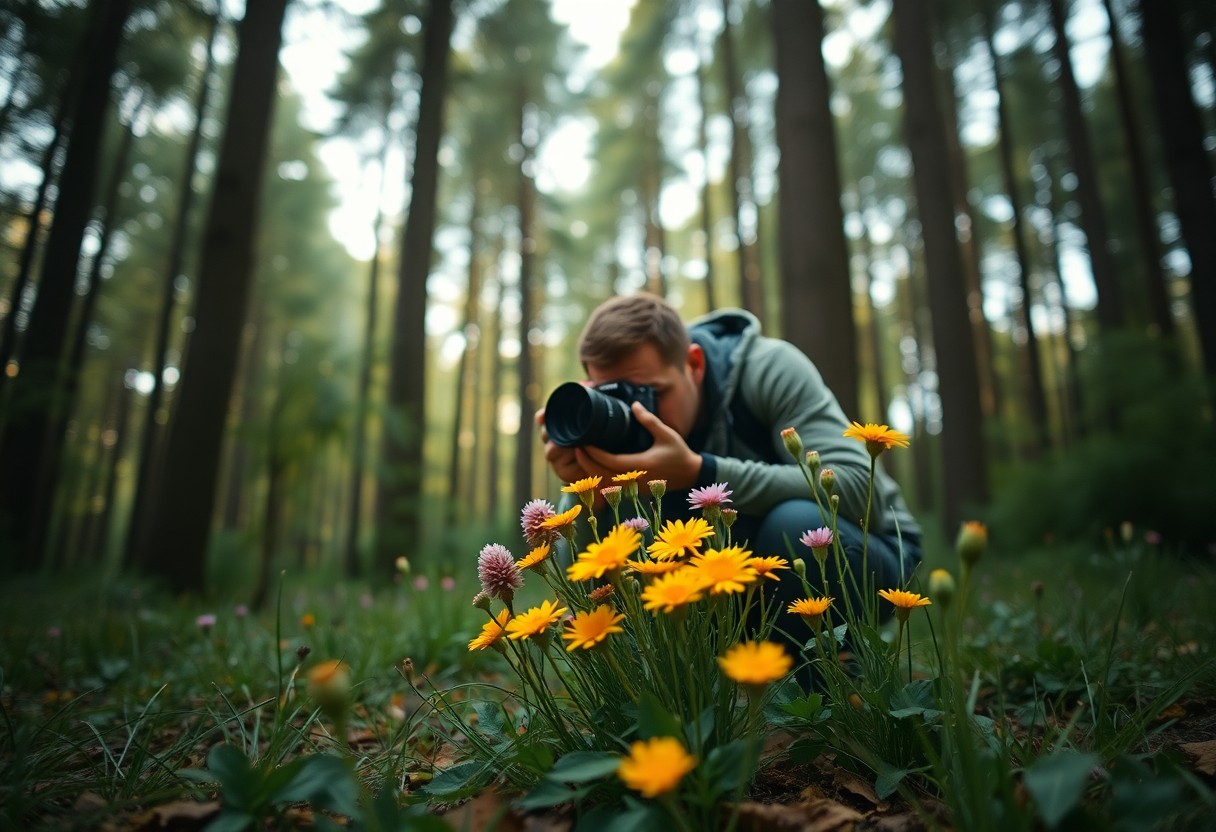
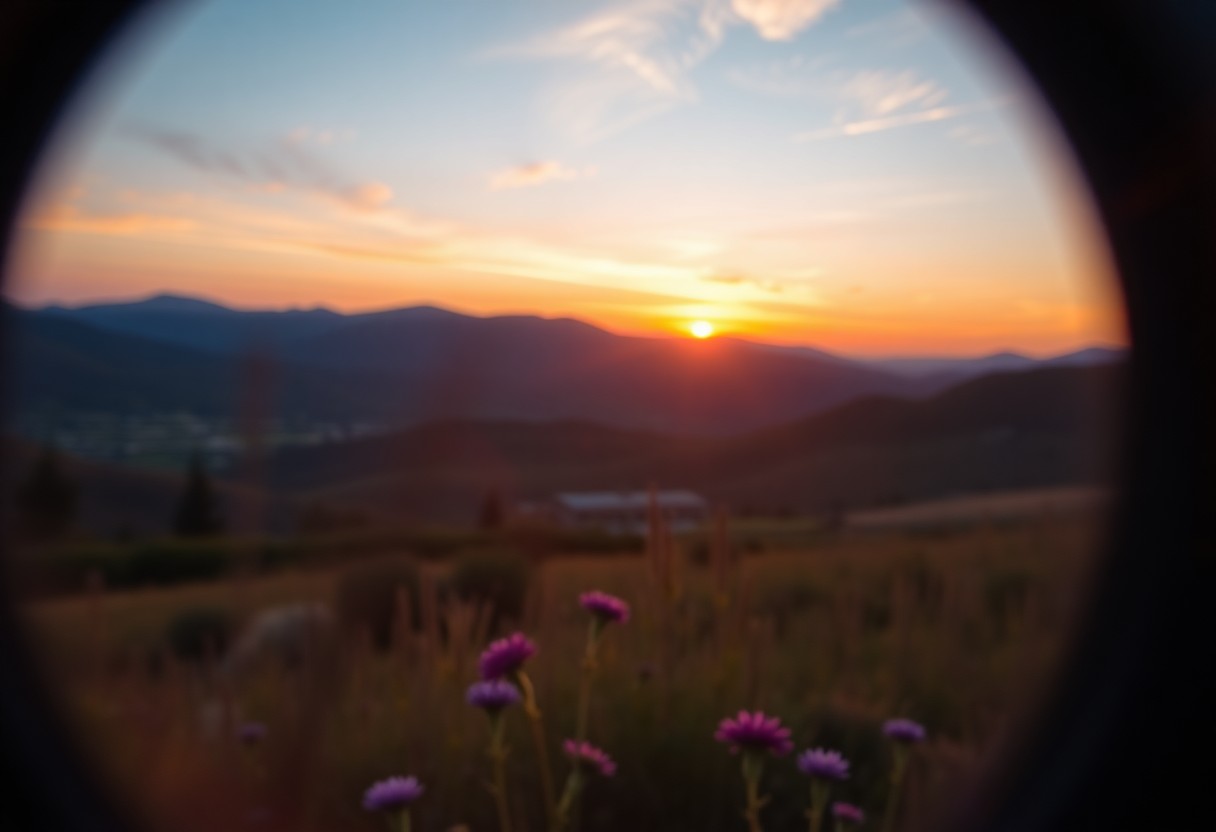
Now, if you find tranquility in nature, landscape and nature photography might be your calling. This genre involves capturing stunning vistas, serene forests, and breathtaking sunsets. By experimenting with composition, lighting, and perspective, you can convey the beauty of the outdoors through your lens.
Portrait and Street Photography
Photography can also take you into the world of portrait and street photography, allowing you to capture human emotion and candid moments in urban settings. This type focuses on showcasing the personality of your subjects, whether they are friends, family, or strangers on the street.
The art of portrait and street photography is about connecting with your subjects and telling their stories. You’ll develop skills in directing poses, understanding light, and creating dynamic compositions. Don’t be afraid to approach people and engage with their environment, as this will often lead to the most authentic and inspiring images.
Essential Photography Tips
Keep your focus sharp and your creativity flowing with these necessary photography tips:
- Understand your camera settings.
- Utilize natural light whenever possible.
- Experiment with different angles and perspectives.
- Practice composition techniques like the rule of thirds.
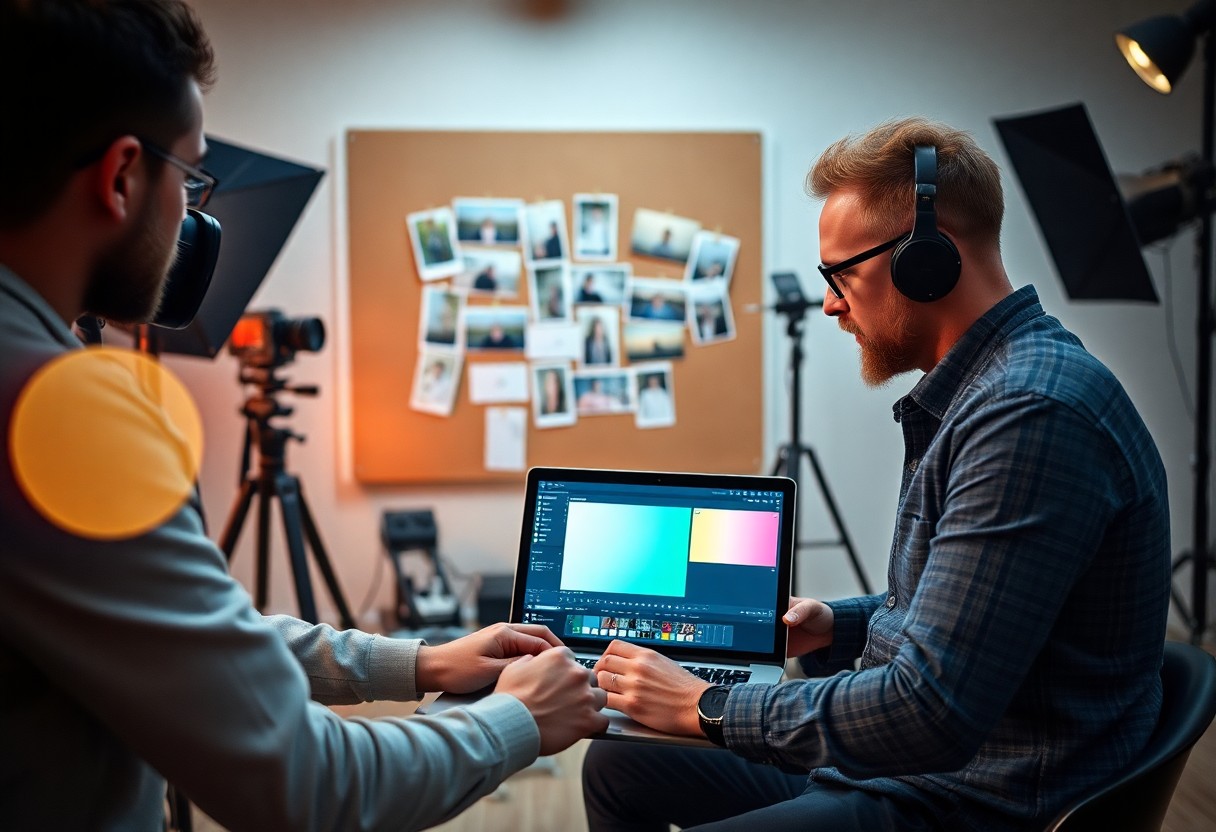
- Post-process your images for enhancement.
Perceiving the world through your lens takes practice, but these tips will guide you in the right direction.
Common Mistakes to Avoid
Common mistakes include neglecting to check your camera settings, which can lead to blurry or poorly exposed images. Failing to consider composition can also detract from your photos’ impact. It’s easy to overlook these details when you’re starting out, but being mindful of them will significantly improve your photography skills.
Best Practices for Beginners
Best practices involve consistently practicing your photography skills and being open to learning from your experiences. Keep a journal to track your progress, noting what works well and what doesn’t. Also, try to shoot regularly, whether it’s daily or weekly, to build your confidence and skill set.
Avoid shooting in automatic mode too often. Instead, challenge yourself to examine manual settings gradually, as this will help you understand your equipment better. Focus on mastering a few foundational skills, like exposure and composition, before advancing to complex techniques. Engage with a photography community to gain feedback and support to accelerate your growth.
Photography Equipment Guide
Many aspiring photographers find themselves overwhelmed by the vast array of equipment options available today. Understanding the importants can enhance your photography experience and ensure you are well-prepared for various shooting scenarios. This guide will cover the must-have gear, important accessories, and the pros and cons of different equipment types, helping you make informed decisions as you begin on your photography journey.
Must-Have Gear and Accessories
With the right gear and accessories, you can elevate the quality of your photography. Start with a reliable camera, whether it’s a DSLR, mirrorless, or even a high-quality smartphone. A sturdy tripod is important for stability, while lenses allow for creative versatility. Don’t forget memory cards, extra batteries, and a camera bag to protect your equipment. Each component plays a significant role in enhancing your photography skills and outcomes.
Pros and Cons of Different Equipment
An understanding of the pros and cons of various photographic equipment can guide your purchasing decisions. Below is a summary that outlines key considerations based on different types of gear, helping you weigh your options effectively.
Pros and Cons of Different Equipment
| Equipment | Pros | Cons |
|---|---|---|
| DSLR Cameras | High image quality | Bulkier and heavier |
| Mirrorless Cameras | Compact and lightweight | Battery life can be shorter |
| Smartphone Cameras | Convenient and portable | Limited zoom and manual control |
| Tripods | Stability for low-light shots | Can be cumbersome to carry |
| Wide-angle Lenses | Great for landscapes | Distortion at edges |
| Zoom Lenses | Flexibility in focal lengths | Can be expensive and heavy |
| Lighting Equipment | Improves image quality | Can be complex to set up |
| Filters | Enhances colors and reduces glare | Needs proper knowledge to use |
| Camera Bags | Protection for gear | Can be bulky |
| Remote Shutter Release | Reduces camera shake | Extra equipment to carry |
Guide your camera gear choices by evaluating your specific photography needs and preferences. Each piece of equipment comes with advantages and disadvantages that can affect your shooting experience. Take the time to research options, read reviews, and test equipment when possible. By doing this, you can build a kit that aligns with your style and enhances your creativity as a photographer.
Summing up
Taking this into account, you are now equipped with imperative photography tips to kickstart your journey. By understanding your camera, mastering composition, and practicing regularly, you can significantly enhance your skills. Embrace experimentation and don’t shy away from mistakes; they are invaluable learning opportunities. With patience and perseverance, your unique perspective will shine through your photographs, allowing you to capture the world in your own distinctive way. Enjoy the artistic process and let your creativity flourish as you explore the beautiful realm of photography.