Best Lens for Real Estate Photography in 2026
–
 Save
SaveMore About Lenses For Real Estate Photography
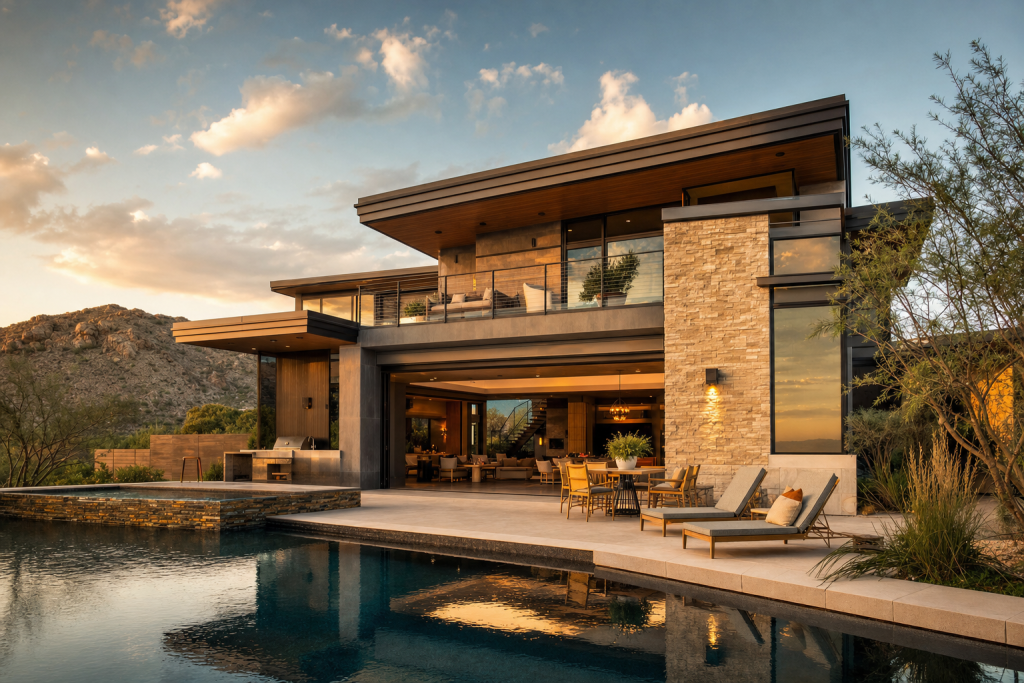
Real estate photography demands wide, distortion-correctable lenses that show room scale accurately without the fisheye exaggeration that fools buyers. The best real estate lenses in 2026 are architecturally corrected ultra-wides in the 10-24mm APS-C range or 16-35mm full-frame range, ideally with minimal edge distortion and the ability to auto-correct in Lightroom.
Top Picks: Detailed Breakdown
Here is a closer look at each recommended option, with pros, cons, best use cases, and purchasing information for each pick.
Sigma 10-20mm f/3.5 EX DC HSM (Canon EF/Nikon F) — ~$469
The classic real estate photography lens for APS-C DSLRs. Constant f/3.5, 10mm ultra-wide, excellent sharpness at f/8 across the full frame, widely used by professional real estate photographers.
Best for: DSLR-based real estate photographers on Canon EF or Nikon F mounts who want the most widely used real estate lens in the industry at a competitive price.
Pros:
- Constant f/3.5 — consistent interior exposure across the zoom range
- 10mm ultra-wide on APS-C = 15mm full-frame equivalent — shows true room scale
- Widely supported by Lightroom lens correction profile — fast distortion removal
Cons:
- DSLR only (Canon EF, Nikon F) — no native mirrorless version
- Some barrel distortion at 10mm — requires correction in post
- f/3.5 is not the fastest for handheld in dark interiors
Buy the Sigma 10-20mm f/3.5 EX DC HSM (Canon EF/Nikon F) at B&H Photo
Laowa 12mm f/2.8 Zero-D (Sony FE / Canon EF) — ~$449
“Zero Distortion” optical design — virtually no barrel distortion at 12mm on full-frame. f/2.8 for dark interior work without flash. The most technically accurate architectural prime available.
Best for: Architectural and interior photographers who prioritize optical accuracy over workflow speed — particularly editorial and magazine work where distortion-free rendition matters. Less ideal for volume production real estate (50+ rooms per day).
Pros:
- Near-zero distortion — rooms look accurately proportioned without significant Lightroom correction
- f/2.8 allows ambient-light interior shots at reasonable ISO
- Available for Sony FE, Canon EF, Nikon F, and Pentax K
Cons:
- Manual focus only (or Sony FE electronic AF-confirm version)
- No autofocus means slower room-by-room workflow
- $449 for a manual prime in a market with autofocus alternatives
Buy the Laowa 12mm f/2.8 Zero-D (Sony FE / Canon EF) at B&H Photo
Canon RF 15-35mm f/2.8 L IS USM — ~$2,399
Canon’s L-series ultra-wide for the RF system. f/2.8, IS, 5-stop stabilization, weather sealing, 840g. The premium professional real estate lens for EOS R-series.
Best for: Professional real estate photographers on the Canon EOS R system who shoot 50-100+ properties per month and need the fastest, sharpest, most weather-resistant ultra-wide in the Canon RF lineup.
Pros:
- f/2.8 constant aperture + IS combination enables ambient-only real estate photography in most interior conditions
- Best corner sharpness of any wide Canon zoom — critical for architectural straight lines
- Weather sealing for exterior property photography in all conditions
Cons:
- $2,399 — premium price appropriate only for high-volume professional operators
- 840g — heaviest lens in this comparison
- Canon RF mount only — no cross-system compatibility
Buy the Canon RF 15-35mm f/2.8 L IS USM at B&H Photo
Sony FE 16-35mm f/2.8 GM II — ~$2,299
Sony’s second-generation G Master ultra-wide. f/2.8, 547g (much lighter than Canon equivalent), XD Linear motors for fast AF, extreme corner resolution.
Best for: Professional real estate and architectural photographers on Sony FE who want the fastest AF, lightest weight in the f/2.8 category, and access to Sony’s full-frame A7R series for high-resolution property photography.
Pros:
- 547g — dramatically lighter than competing f/2.8 ultra-wides
- XD Linear AF is the fastest ultra-wide AF available for Sony FE
- Best-in-class corner resolution at f/2.8 — no stopping down needed for sharp wall lines
Cons:
- $2,299 — same premium tier as Canon RF equivalent
- Sony FE mount only
- Requires a good lens correction profile for LR (provided natively for Sony bodies)
Buy the Sony FE 16-35mm f/2.8 GM II at B&H Photo
 Save
SaveBuying Guide: How to Choose the Right Option for You
Before purchasing, work through these key decision questions:
What camera system do you shoot?
Canon EF DSLR: Sigma 10-20mm f/3.5. Canon EOS R mirrorless: Canon RF 15-35mm f/2.8 L. Sony FE mirrorless: Sony FE 16-35mm f/2.8 GM II or the budget-friendly Tamron 17-28mm f/2.8 Di III ($749). Nikon Z: Nikkor Z 17-28mm f/2.8 ($897).
Do you use flash for real estate photography?
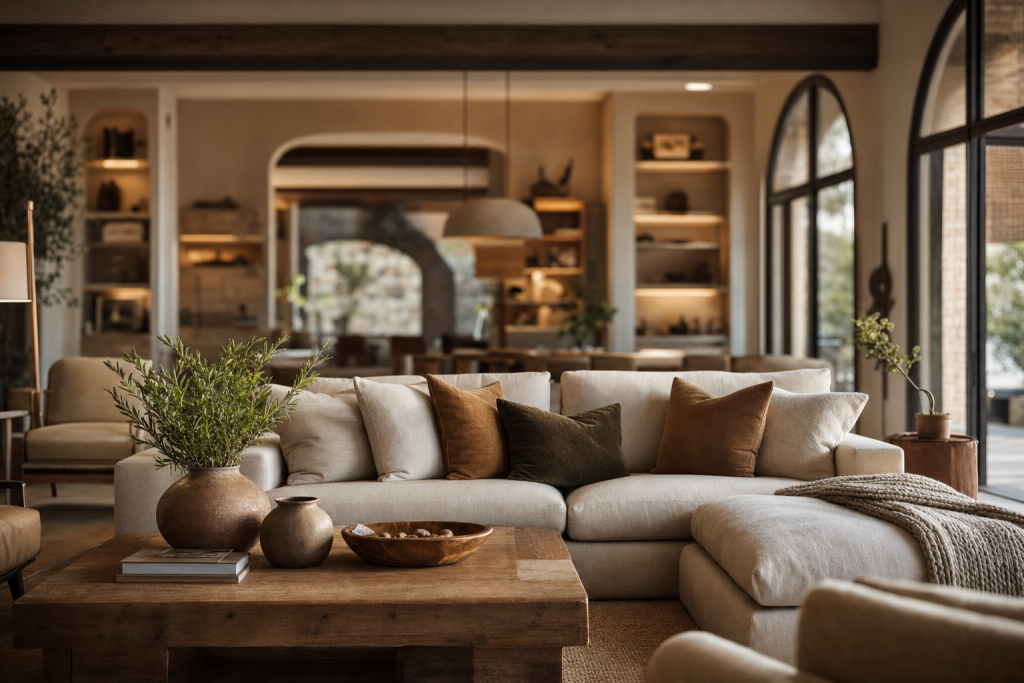
With flash: f/8 aperture for sharpness and maximum depth of field is standard — a slower f/3.5-4 wide-angle works fine. Without flash (ambient only): f/2.8 is highly beneficial for adequate exposure at reasonable ISO in dark interiors.
How many properties per week do you shoot?
1-5 per week (part-time): Sigma 10-20mm f/3.5 ($469) or Tamron 17-28mm f/2.8 ($749) delivers professional quality without premium lens investment. 20+ per week (full-time): the Canon L or Sony GM builds pay for themselves through durability, AF speed, and reduced post-processing time.
Do you include twilight exterior shots?
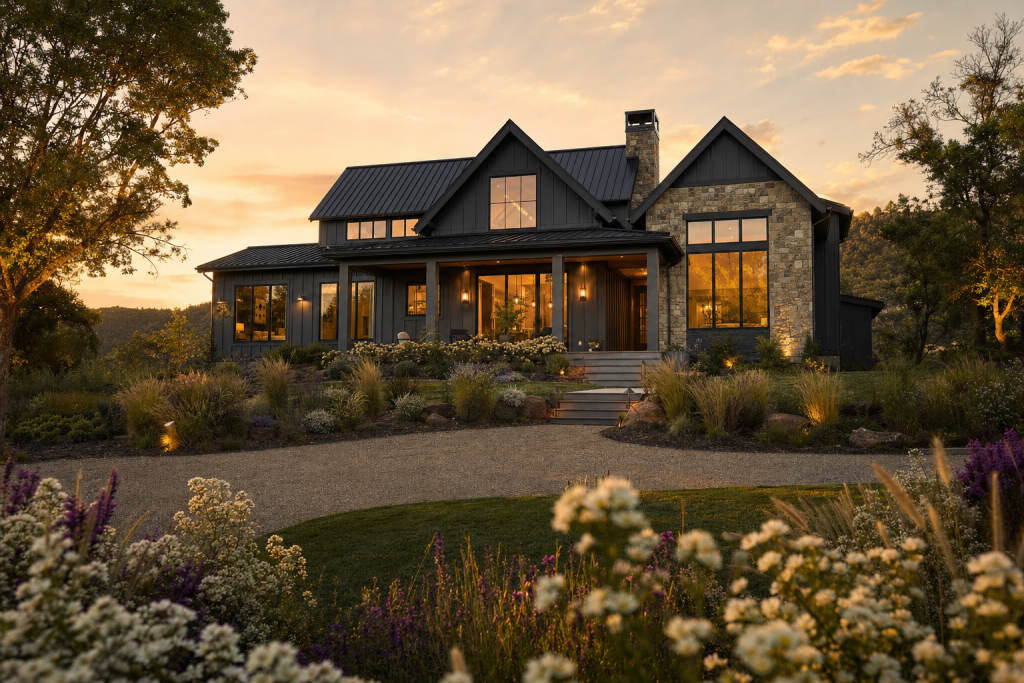
Blue-hour exterior shots require a fast aperture (f/2.8-4) and a tripod. The Sigma, Laowa, Canon L, and Sony GM all produce excellent twilight exteriors when used on a tripod at f/8 with a 2-4 second exposure.
 Save
SaveFrequently Asked Questions
What focal length is best for real estate photography?
On full-frame: 16-24mm covers most interior spaces. On APS-C: 10-16mm (10-24mm full-frame equivalent). The 16mm-equivalent is the standard interior real estate focal length — wide enough to show room scale without the fisheye distortion of ultra-wide extremes.
Should I use a tilt-shift lens for real estate photography?
For editorial architectural photography (magazine, high-end property marketing): yes — the Canon TS-E 24mm f/3.5 L II ($2,099) corrects vertical perspective without Lightroom distortion. For volume production real estate: Lightroom’s vertical correction tool provides 90% of the benefit at zero extra cost.
What is the best editing software for real estate photos?
Adobe Lightroom Classic for RAW processing, lens correction, perspective correction (Transform → Vertical), and batch export. Most professional real estate photographers apply consistent Lightroom presets for color and exposure uniformity across each property set.
Do I need a fisheye or ultra-wide lens for real estate?
No fisheye — the barrel distortion makes rooms look unnaturally curved and is not appropriate for real estate marketing. An ultra-wide rectilinear lens (16-35mm full-frame equivalent) shows scale accurately without distortion when corrected with the Lightroom lens profile.