If aperture still feels fuzzy, start with our deep-dive aperture photography guide — it covers everything from f-stop math to bokeh control.
Street photography is the ultimate playground for any creative with a camera. It’s raw, it’s unpredictable, and it’s completely free. You don’t need a fancy studio or a fleet of models; you just need a pair of comfortable shoes and the ability to see the extraordinary in the ordinary. If you’ve been staring at your camera wondering where to start, you’ve come to the right place. These 25 street photography ideas will push you out of your comfort zone and help you start seeing the world through a much more interesting lens.
The beauty of the street is that it never repeats itself. You can walk the same block every single day for a year and never see the same shadow twice. But for many, the "street" can be intimidating. Maybe you're shy, or maybe you just don't know what makes a "good" street photo. Whether you are looking for photography for beginners or you're a seasoned pro looking for a spark, this list is your roadmap.
1. Keep Your Setup Dead Simple
The biggest mistake beginners make is carrying too much gear. You don't need a backpack full of lenses. In fact, that's the fastest way to miss a shot. Pick one camera and one lens. A small, discreet prime lens like a 35mm or 50mm is the gold standard. When you have one focal length, your brain starts to "see" in that frame. You stop zooming with your hands and start zooming with your feet. If you're looking for the best mirrorless cameras for this, look for something compact that doesn't scream "I'm a professional photographer."
2. Master the "Fishing" Technique
Instead of hunting for people, find a great background and wait. Look for a cool doorway, a splash of light, or a piece of street art. Frame your shot, check your exposure, and stay still. Eventually, the right person will walk into your frame. This takes the pressure off you and allows you to focus purely on the timing. It’s a great way to practice photography tutorials in a real-world setting.
3. Hunt for Harsh Shadows
Midday sun is usually a nightmare for portrait photographers, but for street photographers, it’s a gift. Look for high-contrast areas where the shadows are deep and the highlights are piercing. This creates a naturally dramatic, noir-like feel. If you can find a narrow alley where a single sliver of light hits a pedestrian, you’ve got a winner.
4. Shoot from the Hip
If you’re feeling too self-conscious to bring the camera to your eye, try shooting from the hip. This means holding the camera at waist level and clicking the shutter without looking through the viewfinder. It’s a bit of a gamble, but it yields the most authentic, candid results because nobody knows they’re being photographed. If you're using a modern camera, check out these Sony a6700 settings for street photography to see how to set up your autofocus for this.
5. Play with Motion Blur
Don’t be afraid to slow things down. Set your shutter speed to 1/15th or 1/30th of a second and pan your camera with a moving subject, like a cyclist or a car. If you do it right, the subject will be relatively sharp while the background becomes a beautiful, streaky blur. This adds a sense of energy and chaos that perfectly captures the "vibe" of a city. Learning how to use manual mode camera settings is crucial here.
6. Embrace the Rain
Most people run for cover when it starts raining. You should run for your camera. Rain brings out colors and reflections that you just don’t get on sunny days. Wet pavement acts like a giant mirror, reflecting neon signs and streetlights. Umbrellas also make for fantastic props and help frame faces. Just make sure your gear is somewhat weather-sealed, or grab a cheap plastic rain cover.
7. Focus on Textures and Details
Street photography isn't always about people's faces. Sometimes the story is in the details. Look for weathered hands, a discarded coffee cup, or the texture of a brick wall. These "macro" street shots can be incredibly powerful when paired with wider environmental shots. Check out some examples of fine art street work at www.edinfineart.com for inspiration on how to capture these small details.
8. Use Leading Lines
The city is built on lines. Use sidewalks, railings, rows of buildings, or even the paint on the road to lead the viewer’s eye toward your subject. Leading lines create a sense of depth and structure in what can often be a messy environment. It's one of the oldest tricks in the book, and for good reason, it works every time.
9. Capture Juxtaposition
Juxtaposition is just a fancy word for placing two things together that don’t quite fit. Think of a man in a tuxedo standing next to a pile of trash, or a giant billboard of a smiling model looming over a person who looks miserable. These shots tell a story or offer a social commentary without you having to say a word. It's what separates a "snapshot" from a "photograph."
10. Go Black and White
If a scene is too busy or the colors are clashing, strip them away. Black and white photography forces you to focus on light, shadow, and composition. It also gives your work a timeless, "classic" street feel. Many street photographers shoot in B&W exclusively because it removes the distraction of color and highlights the emotion of the moment. If you want to take your editing to the next level, I highly recommend using Luminar for its incredible AI-driven B&W conversion tools.
11. Shoot at Night
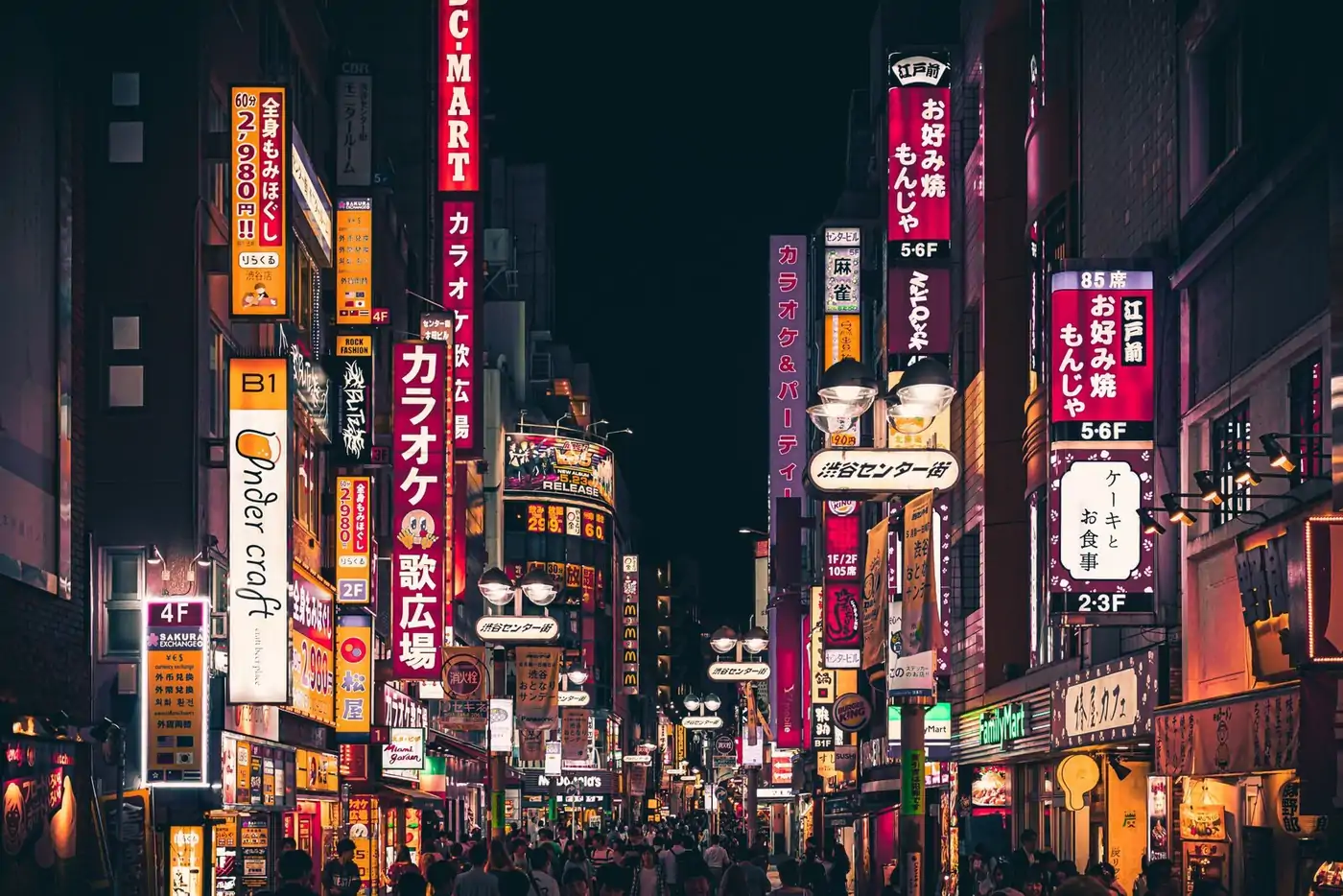
When the sun goes down, the city transforms. Neon lights, shop windows, and car headlights become your primary light sources. Night street photography is moody, mysterious, and technically challenging. You’ll need to push your ISO higher than usual, but don't be afraid of a little "noise." It adds grit. For more technical tips on low-light shooting, head over to PhotoGuides.org.
12. Find the Frame Within a Frame
Look for windows, doorways, or even gaps between people to "frame" your main subject. This creates a layering effect that makes your photos feel more three-dimensional. It also helps isolate your subject from a busy background, which is one of the hardest things to do in street photography.
13. Look for Color Blocks
Sometimes the color itself is the subject. Find a wall that’s a solid, vibrant color and wait for someone wearing a contrasting color to walk past. A yellow raincoat against a bright blue wall is a guaranteed banger. It’s simple, graphic, and visually striking.
14. Document Street Performers
Musicians, magicians, and dancers are used to being watched, which makes them easy targets for street photography. However, don't just take a boring photo of them performing. Look for the moments between the performance, the way they count their tips, the look of exhaustion when they think nobody is watching, or the way they interact with a heckler.
15. The "Decisive Moment"
Coined by Henri Cartier-Bresson, the "decisive moment" is that split second where everything in the frame, the light, the subject, the background, comes together perfectly. It’s the peak of an action or the height of an emotion. Capturing it requires a mix of luck and extreme anticipation. You have to learn to predict what’s going to happen before it actually does.
16. Silhouettes are Your Friend
When the light is behind your subject, don't fight it, embrace it. Expose for the bright background and let your subject fall into a total silhouette. This turns people into anonymous shapes, which can make a photo feel more universal and artistic. It’s a great technique for when you’re shooting in the best camera for landscape photography conditions but want a human element.
17. Use a Telephoto Lens
Wait, didn't I say use a prime? Usually, yes. But sometimes, using a telephoto lens (like an 85mm or 135mm) can give you a completely different perspective. It compresses the background, making the city feel tighter and more claustrophobic. It also allows you to stay further back if you're feeling particularly shy.
18. Ask for a Portrait
"Street photography" doesn't always have to be candid. Some of the best street work involves simply walking up to an interesting-looking person and asking, "Hey, can I take your portrait?" Most people are flattered. It gives you more control over the lighting and background while still capturing the grit of the street. For more on this, check out blog.edinchavez.com where Edin often talks about his personal interactions in the field.
19. Look Up
Most people walk through life looking straight ahead or down at their phones. Look up. Look at the patterns of the windows, the way the sky is framed by skyscrapers, or people leaning out of balconies. The perspective change alone will make your photos stand out from the crowd.
20. Follow the Light
Literally. Walk toward where the light is hitting. If you see a golden glow at the end of a street, head that way. Good light is 90% of a great photograph. Even a boring subject looks incredible in the right light. If you find a spot with magical light, stay there until the sun moves.
21. Capture Commuters
Bus stops, subway stations, and train platforms are gold mines for street photography. People are often in their own worlds, lost in thought or tired from a long day. There’s a raw vulnerability in commuters that makes for very relatable, human images.
22. Incorporate Street Art
Murals and graffiti are part of the city’s DNA. Instead of just taking a photo of the art (which is someone else’s work), try to incorporate a person into the frame so the art interacts with them. Maybe a painted hand looks like it's reaching for a real person, or a painted eye is "watching" a passerby.
23. Photograph the "Invisible" People
Street photography is often a tool for social documentation. Look for the people society often ignores: street cleaners, construction workers, or the elderly sitting on park benches. Treat your subjects with respect, but don't shy away from the harder realities of city life.
24. Create a Series
Instead of looking for one "perfect" shot, look for a theme. Maybe you spend a whole day only photographing people wearing hats, or only red cars, or only dogs. Having a "mission" like this helps you focus and often results in a much more cohesive body of work.
25. Edit with Intent
The work doesn't end when you click the shutter. How you edit your street photos defines your style. Are they gritty and high-contrast? Soft and pastel? Dark and moody? Use tools like Luminar to enhance the mood you felt when you were on the street. Editing is where you turn a raw file into a piece of art.
Street photography is a marathon, not a sprint. You will have days where you walk 10 miles and don't get a single shot you like. That’s normal. The goal isn't to get a masterpiece every time; it’s to train your eye to see the world more clearly. So, grab your best mirrorless camera, head out the door, and start shooting. The street is waiting for you.
If you found these tips helpful and want to dive deeper into your craft, don't forget to check out our full range of photography tutorials where we break down everything from manual mode to advanced post-processing.