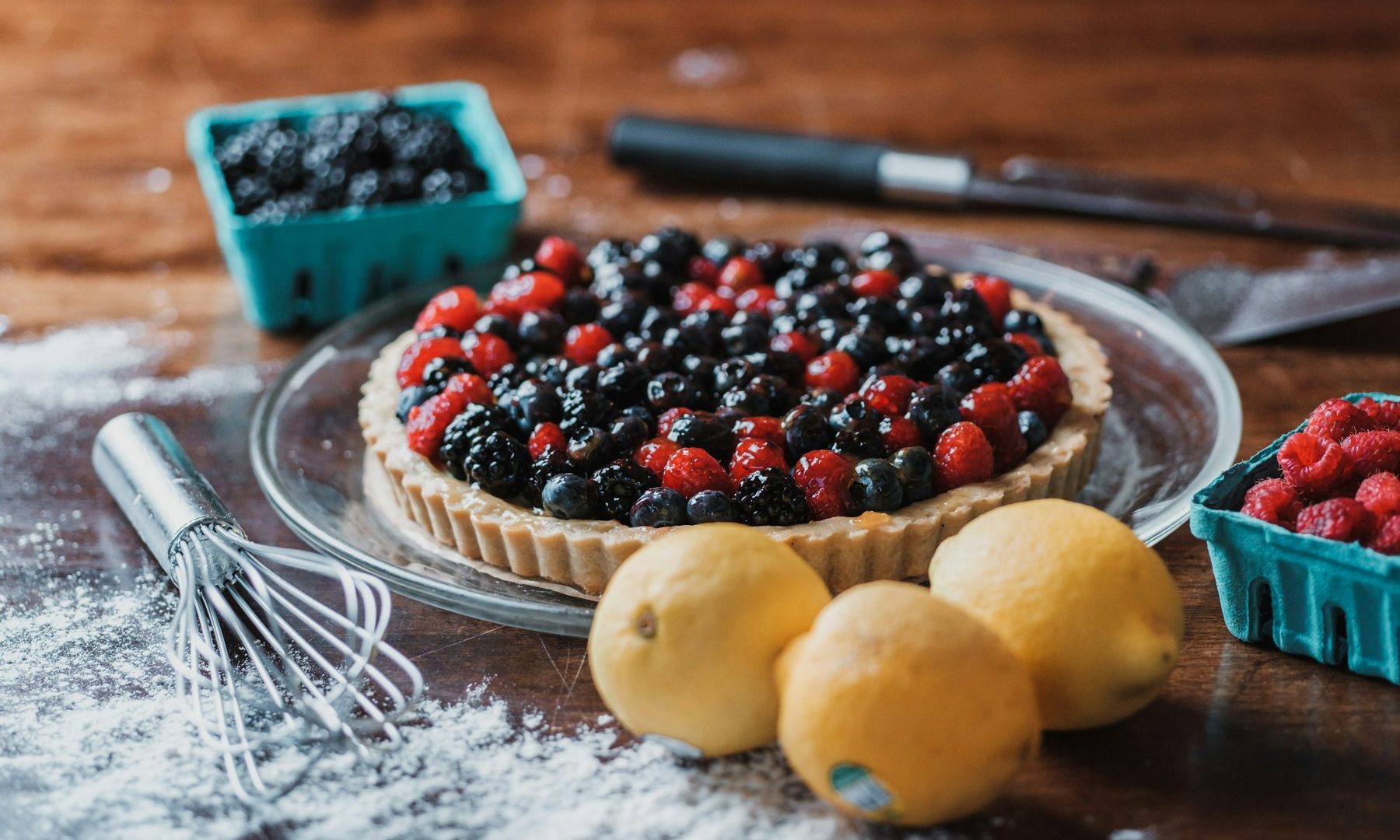
Food photography is not about making a plate look expensive. It is about making the food readable, inviting and believable. The viewer should understand the dish before noticing your props, your lens or the editing. When the photograph fails, start with the light and the frame before blaming the camera.
A reliable workflow is simple enough to repeat: understand the use, prepare the setup, shape the light, choose an angle that explains the food and capture it before it changes. Then edit for clean color and a consistent set. These tips walk through the setup, capture and delivery so you can build a repeatable way to work.
Start with the job the photograph has to do
A menu image, a magazine story, a packaged-food advertisement and a personal social post ask for different pictures. Find out where the image will appear, the crop, the delivery dimensions and what has to remain visible. A beautiful wide arrangement may be useless when the final placement is a tight vertical crop.
For a client, agree on finished image count, editing scope, deadline, revisions and permitted use before the shoot. Ask who approves the result and whether the food must match a real served product exactly. Decide whether the project needs a stylist, a chef working to a schedule or simple plating by the restaurant.
Choose a visual priority. Is it the texture of a crust, the ingredients in a bowl, the height of a sandwich or the setting of a shared meal? Write that down. If you cannot identify the subject, adding more props usually makes the problem worse.
Build the frame before the finished food arrives
Use an empty plate or a stand-in to set the camera position, background and rough exposure. Check the crop and leave room for any required text. It is easier to move a table or change a surface before a dish is cooling, wilting or melting in front of you.
Choose props that belong to the food and its use. A utensil can create direction, and a napkin can introduce texture. Too many small objects can pull attention away from the plate. Remove anything that does not improve the story, and check whether a bright prop is becoming the unintended subject.
Look at the edges of the frame. Half a glass, a cut-off fork or a stray crumb may be deliberate, but it should be a choice. Take a test photograph and inspect it instead of relying only on the scene in front of your eyes. The camera flattens relationships that can look fine on the table.
Window light: a useful starting point
A window can give you a large, directional source without a complex lighting setup. Adobe’s food-photography guide discusses diffused window light, while Lightroom Academy’s window-light tips provides a food-focused learning route. Neither source means every window will work equally well.
Place the dish so the light comes from the side or partly behind it, then compare the result. Side light can reveal texture and shape. Back-side light can make some translucent ingredients or drinks interesting. The best direction depends on the dish and the look you need; it is not a rule to apply blindly.
If direct sun produces harsher shadows than you want, diffuse it with an appropriate material positioned safely. If the light is already soft, adding diffusion may only reduce the amount you have. Make a test, move the source relationship and judge the food rather than copying an illustration exactly.
Window light changes. Clouds, time and reflections from nearby surfaces can affect exposure and color. For a long menu shoot, decide how you will monitor and maintain consistency. Natural light is a tool, not a guarantee of a stable production day.
Use fill and negative fill deliberately
A white card opposite the main light can lift the shadow side. Move it closer or farther and watch what changes. You do not need to erase every shadow. Some shadow gives a dish dimension; too much fill can make texture look flat.
A dark surface can reduce unwanted reflected light and deepen a side of the scene. This is often called negative fill. Test the change in small steps. A dramatic shadow should still leave the food recognizable, especially when the photograph is intended to help a customer choose a dish.
B&H’s natural-light food demonstration shows how direction, diffusion and reflected fill change a subject. Treat it as a demonstration to learn from, not a required equipment list. A plain card used well can teach you more than a pile of modifiers you do not understand.
Artificial light: choose control when the job needs it
Continuous light lets you see its effect before capture. Flash can offer a different balance of output and motion control. Either can work for food when the equipment, space and operator suit the job. Do not buy a system because a tutorial presents it as the only professional option.
Start with one controlled source and understand its direction and softness. Add another light only when it solves a defined problem. Watch unwanted room lighting, especially when it adds a different color to the shadows. A mixture can be deliberate, but an accidental mixture complicates the edit.
Keep the setup safe. Secure stands, manage cables, leave work areas clear and coordinate with the people preparing the food. Do not place ordinary fabrics near hot equipment or obstruct restaurant operations. A successful production includes the people around the photograph.
Control reflections by moving the relationship
Glass, cutlery, sauces and glazed plates show the things they reflect. If a bright rectangle distracts from the food, change the position of the light, camera or object and see where the reflection moves. Reducing exposure alone may darken the whole dish without solving the reflection.
Use a larger diffused reflection when it supports the shape, or reposition a shiny prop that adds nothing. Check whether a sauce highlight helps describe texture or hides the main ingredient. There is no need to remove every shine; appetizing food often depends on a believable highlight.
Inspect at the final viewing size and at full size. A small glare can look insignificant on the camera and dominate a large print. Make the correction at capture when possible instead of committing to complicated retouching later.
 Save
SaveChoose the camera angle to explain the dish
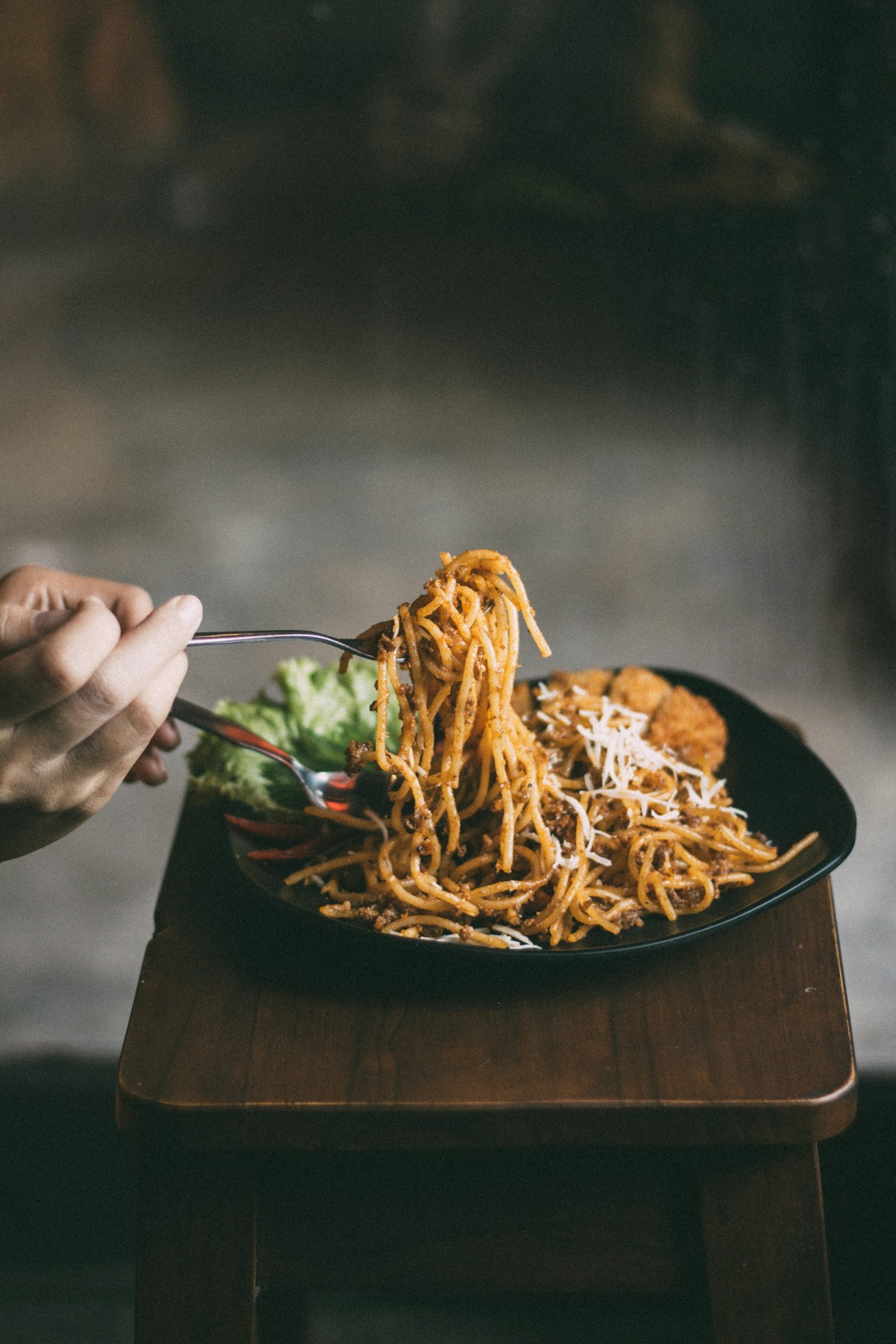
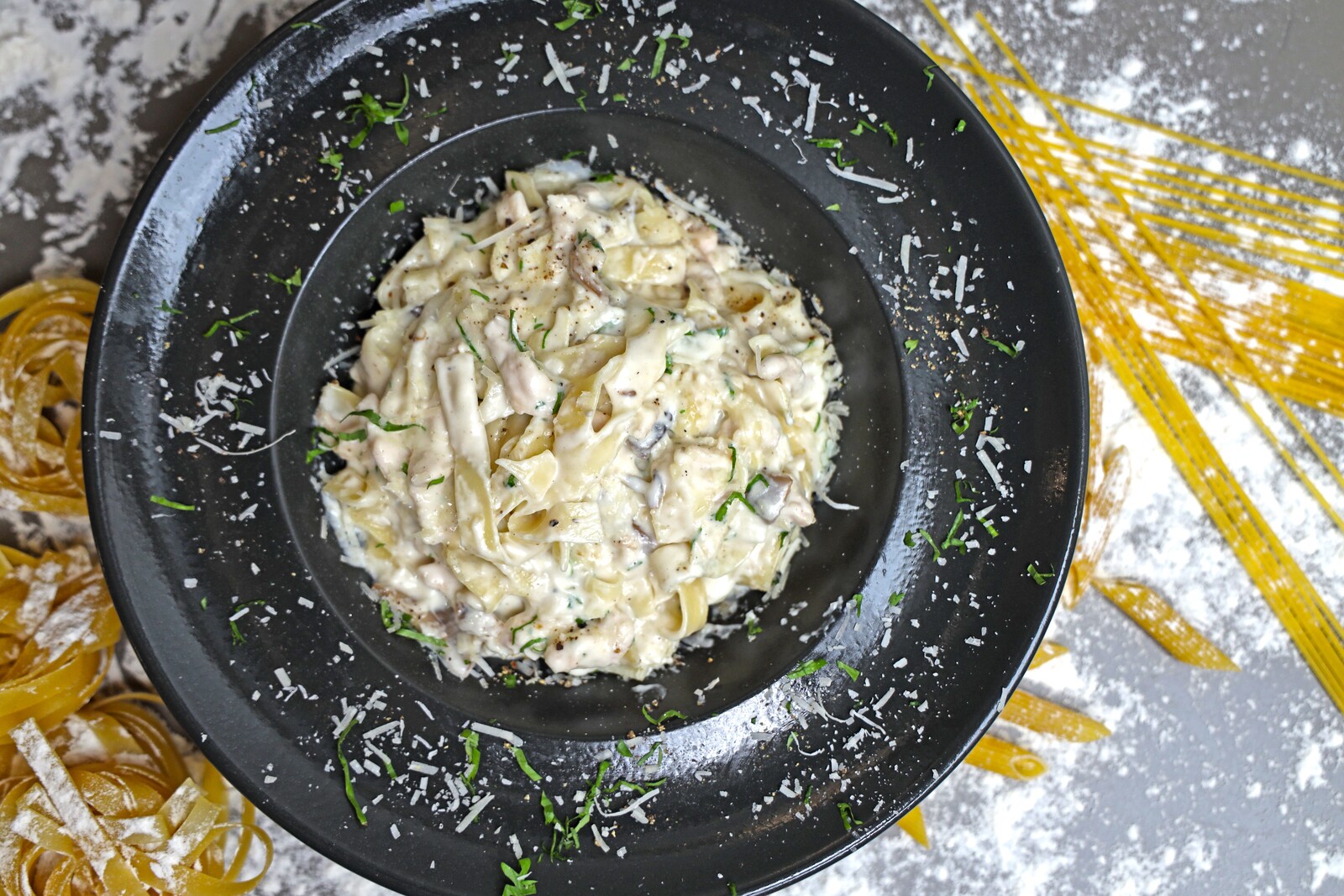
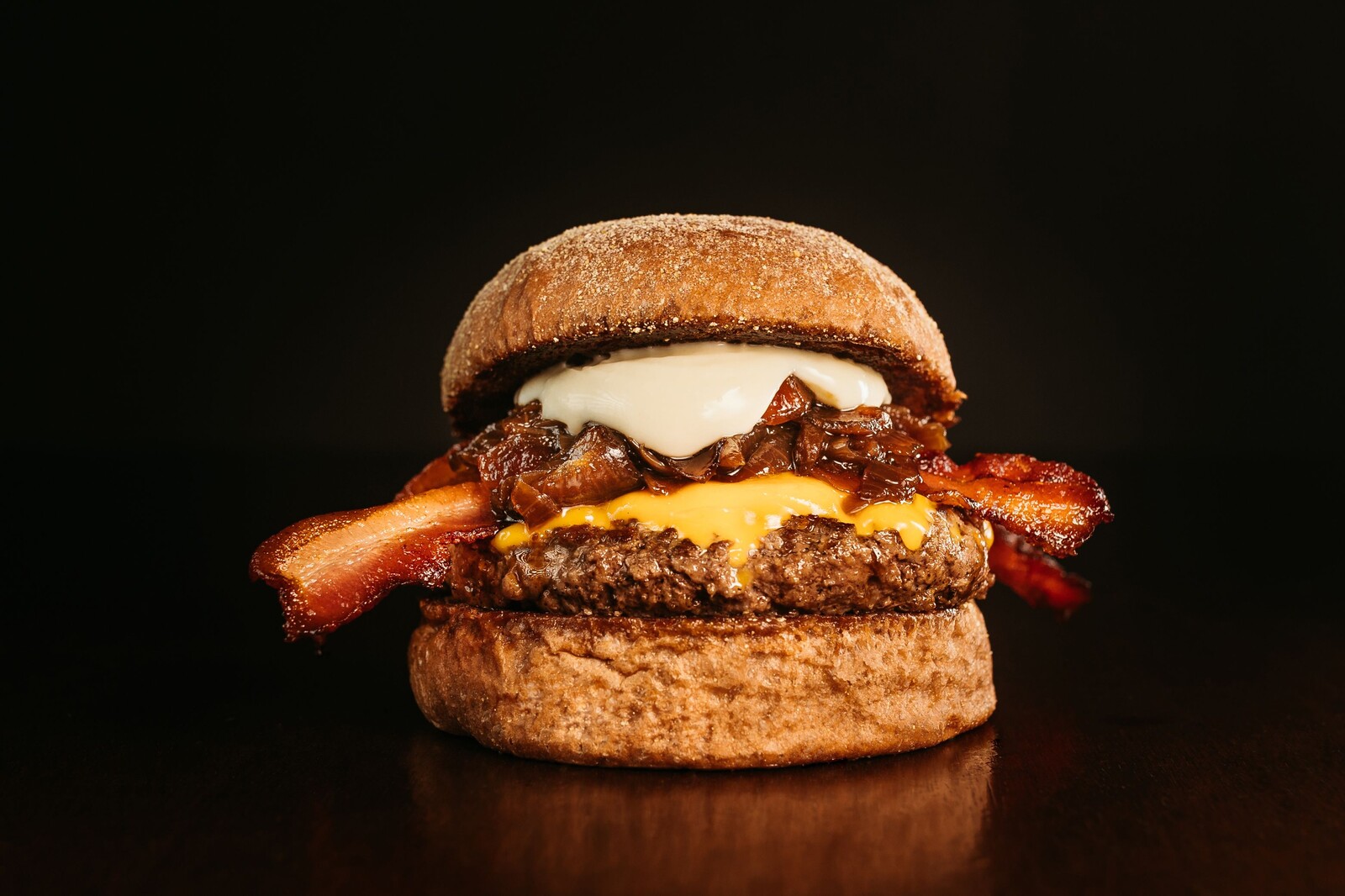
Overhead can show a flat plate, a pizza’s toppings or a table arrangement clearly. A roughly 45-degree view can show both the top and height of a bowl. A lower view can emphasize layers in a sandwich or the form of a drink. These are starting choices, not fixed assignments for every food.
Canon’s food-photography tips uses the difference between top and side views to explain why angle matters. Try more than one before settling the composition. A tiny change can reveal an ingredient that was hidden behind another element.
Watch what the chosen angle does to the background. A low frame needs a background that remains clean beyond the plate. An overhead frame needs a surface and arrangement that work across the whole image. The angle is connected to the setup, not a decision you make after styling is complete.
 Save
SaveLens, focus and depth of field
Use the camera and lens you have before assuming a macro lens is necessary. A moderate field of view can avoid exaggerated near-edge shapes, while close-focusing capability helps with details. Check how near your lens focuses and whether you have enough room for the frame.
Choose the focus point intentionally. It might be the front edge of a main ingredient, the layers of a sandwich or a product label. Inspect the result. Focus that lands somewhere on the plate is not the same as focus that makes the important part readable.
Depth of field should support the use. A shallow plane can isolate a detail, but it can also leave most of the food indistinct. Overhead arrangements may need more depth to keep the intended elements clear. There is no universal best aperture for every dish.
Balance shutter speed with movement and support. A tripod can help with repeatable framing and slower exposures for a stationary scene. It does not freeze pouring, steam, a hand or melting food. Raise the sensitivity or adjust the light when the moment requires it rather than protecting a low-ISO number at the expense of sharpness.
For a controlled comparison, use our aperture comparison tips. Keep the plate and focus point still, then compare how much of the dish remains clear as you change the f-number.
Style the food honestly and keep it safe
Clean accidental drips, choose a sound example of the ingredient and make small adjustments that clarify the dish. Ask the client where styling ends and misrepresentation begins. If the image advertises a real menu item, do not casually replace ingredients or enlarge a portion beyond what is served.
Keep food prepared for photographs separate when it has been handled in ways that make it unsuitable to eat. Do not encourage someone to consume a styled dish after unsuitable additions or extended handling. Food safety belongs with the qualified people preparing and serving it, not with a photographer’s guess.
Work in a sensible order. Set the frame first, bring the finished food when ready and capture a clean version before making more ambitious changes. Have additional ingredients or portions available when the project needs them. Frozen, fresh and hot subjects can change at different rates.
Do not mistake a trick for a workflow. The lasting skill is noticing texture, shape and light, communicating with the people making the dish and delivering an honest image. A spectacular effect is optional.
Build a consistent menu or product set
For several dishes, establish a repeatable camera position, background and lighting approach. Record the decisions so you can restore them after a break. A set should feel related even when each dish needs a slightly different angle or emphasis.
Check color as you go. White plates, neutral surfaces and important ingredient colors can reveal drift. If the light changes, make the adjustment deliberately and compare the next image with the approved reference. Do not wait until the final export to discover that half the menu looks warmer than the rest.
Capture the required crops rather than assuming every image can be cut down later. A square delivery-app image and a wide banner may require different spacing. Leave safe room where possible, but do not sacrifice the primary composition to hypothetical uses the client did not request.
Edit for believable color, then use selective adjustments
Start with exposure, white balance and overall contrast. Check that neutral objects look plausible and that food colors have not become unnatural. Saturation can make an image louder without making the meal more appealing. Compare the edited photograph with the actual dish or the agreed reference.
Use local adjustments to address a defined problem, such as a distracting bright area or a shadow that hides important detail. Avoid making every surface equally bright and sharp. Texture needs restraint, especially when an aggressive setting makes a sauce or soft food look brittle.
Affiliate disclosure: If you buy through the Luminar link below, Shut Your Aperture may earn a commission. Software is optional; use an editor that fits your files and workflow.
Luminar is one editing option to explore for this workflow. Skylum’s Luminar Neo masking guide describes tools for limiting an effect to part of a photograph. That capability can support a restrained local adjustment. Check the current edition and requirements; no trial, discount or personally tested result is claimed here.
For menu and product work, do not use generative changes to invent ingredients or a serving that the customer will not receive. Removing a stray background distraction is a different decision from altering the advertised food. Agree on the boundaries and keep the result honest.
Deliver files that work where they will be used
Confirm pixel dimensions, crop, format and color requirements with the recipient. A print provider may need a different file from a website or ordering platform. Export for the agreed use instead of sending every possible version and asking the client to sort them out.
Name the files clearly and check the download. Open the final images, verify the count and look for accidental crops, missing edits or inconsistent color. Keep the original captures and appropriate backups according to the agreed retention process.
For a paid project, record approval and revision decisions. Pricing should follow the actual production, deliverables, licensing and costs. This guide gives no universal per-dish rate because a quick menu update and a styled advertising production are not the same service.
A simple practice exercise
Pick one stable subject and photograph it with a single light direction. Make a side-lit image, adjust fill, then try a different angle. Change one thing at a time. Compare which version makes the subject readable and why.
Next, create a small matching set with two or three subjects. Keep the light and background consistent while adjusting the frame to suit each one. Finish the exercise by exporting the same agreed dimensions and checking the files as a recipient would. That teaches a usable workflow, not merely one lucky photograph.
Food photography Q&A
Can I use a phone for food photography?
Yes, if its controls and output meet the use. Start with light, position and a clean frame. Avoid getting so close with a wide camera that the plate and food stretch unnaturally.
Is natural light always better than artificial light?
No. Window light is a useful starting point, while controlled light can support consistency and difficult schedules. Choose by the job, available space and the setup you understand.
What is the best angle?
The angle that explains the dish. Try overhead for flat arrangements, a raised angle for top and height together and a lower view for layers. Compare the actual result rather than applying one rule.
Do I need a macro lens?
Not for every food photograph. Check whether your current lens focuses close enough for the required frame. A detail assignment may need closer capability, but a full plate may not.
Should the background always be blurred?
No. Use depth of field to support the picture. Context or several ingredients may need to remain readable. Shallow focus is a tool, not proof of professionalism.
Can editing rescue bad light?
Editing can improve a file, but it cannot reliably recover every lost highlight, blurred detail or misleading reflection. Make a sound capture first and use adjustments to finish it.
How do I keep a menu shoot consistent?
Establish a reference for light, camera position, crop and color, then compare each dish as you work. Record changes, capture the required formats and review the exported set together.
Want to go further? The ShutYourAperture Academy’s The Edible Image (6 modules, 24+ lessons) is built to help you make food look as good as it tastes.
Food photography gear: control the light first
Impact 22-inch 5-in-1 reflector with handles (R2522-51). A small tabletop setup often needs better fill or diffusion before it needs a new camera. This model has a translucent disc and white, silver, gold and black surfaces. Start with white fill for a neutral look; use black to reduce unwanted bounce. Check the space around your plate and arrange safe support before shooting.
White foam board and a suitable translucent diffuser can cover the same basic jobs. Buy only when a folding tool solves a real setup problem. A 22-inch disc will not cover every window or large arrangement.
Check the Impact reflector at B&H Check the same model at Amazon
No price, stock or firsthand equipment-test claim is made here. Compare the current listing and included surfaces before buying. For camera choices, start with the camera buyer guide rather than assuming food photography needs the most expensive body.
Affiliate disclosure: As an Amazon Associate, Shut Your Aperture earns from qualifying purchases. We may also earn a commission through B&H and Luminar links. A purchase is not required to use these tips.