Wellness Retreat Photography: A Working Photographer’s Field Guide
It’s 5:55 a.m. in Ubud, Bali. A thin layer of mist sits about knee-high over the rice paddies. Inside an open-air shala, twelve students are mid-tree-pose — arms raised, eyes closed, completely absorbed. The retreat owner has asked you to capture the morning session for a new brochure. No flash. Minimal disruption. Natural, unstaged, honest shots that show what this retreat actually feels like at its best.
This is wellness retreat photography — one of the most rewarding specialisms a working photographer can develop, and one of the most misunderstood. It’s not event photography with softer backgrounds. It’s not portrait work. It sits in its own category, with its own ethics, its own gear logic, and its own skill set.
Why Retreat Photography Isn’t Just Event Photography with Yoga Mats
At a corporate event or wedding, you are expected. You move through a room with a 70-200mm lens and people accept your presence as part of the event. At a wellness retreat, the moment guests notice a camera directed at them, the authenticity you were hired to capture evaporates. Your entire job depends on being unremarkable.
That requires a fundamentally different approach than conventional event work:
- No flash, ever. Artificial light destroys the atmosphere in yoga halls, candlelit meditation spaces, and low-light spa interiors. You commit to available light before you arrive, not as a fallback.
- Slow shutter discipline. Movement in wellness settings is often slow and deliberate — a Vinyasa flow, a guided meditation, a spa treatment. Learning to work at 1/100s or slower without motion blur is a skill in itself.
- Proximity without intrusion. A 35mm or 50mm prime forces you to get genuinely close. Done right, this reads as intimacy in the final image. Done clumsily, it ruptures the energy of the space.
- Consent first, shoot second. Retreat guests have paid to be in a protected, private environment. Your presence is only legitimate because the retreat owner has arranged it — and that permission does not automatically extend to every individual in frame.
The working mindset is closer to documentary photography than event coverage. You are an observer, not a director. You are there to record what happens, not to shape it. For photographers trained in directed portraiture or commercial work, this is a genuine re-calibration. For those with a documentary or street background, retreat photography often feels like coming home.
For a deeper foundation in reading and working with available light, the travel photography guides on this site cover the fundamentals that translate directly into retreat environments.
The Main Types of Retreat Work — and What Each One Demands
Yoga and Meditation Retreats
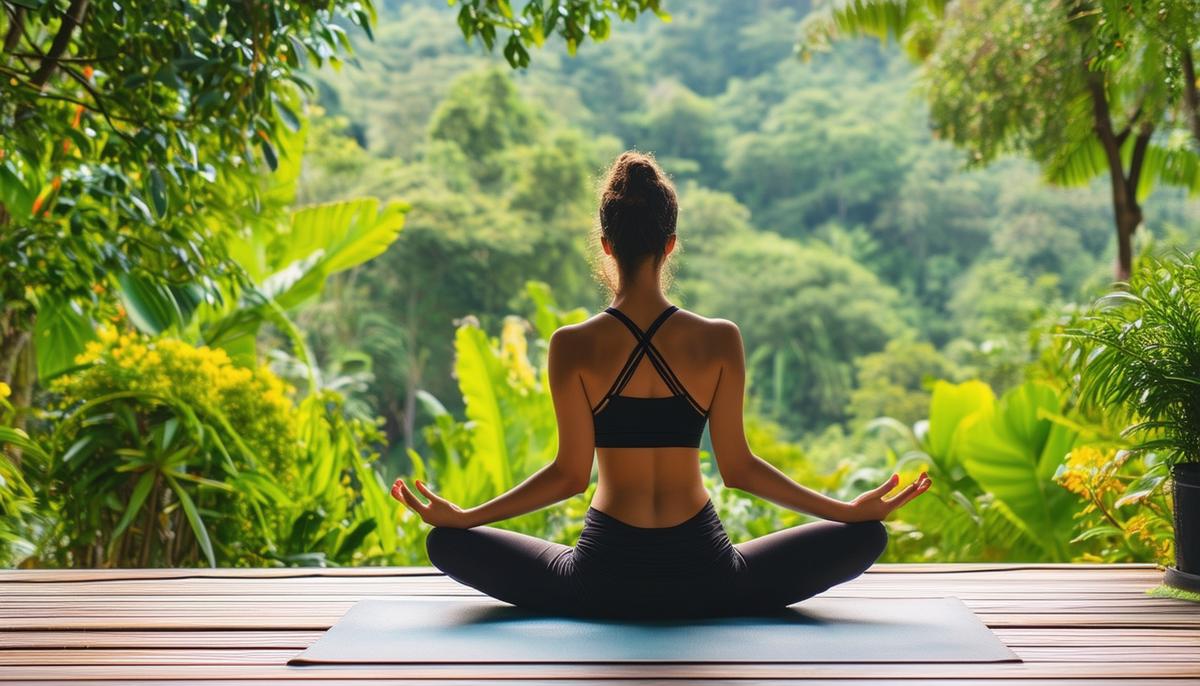
The most common entry point for retreat photographers. Yoga retreats demand two opposed technical approaches: movement and stillness. A Vinyasa flow at 7 a.m. calls for fast shutter work to freeze extended limbs. A Yin session an hour later requires patience and willingness to sit still for ten minutes waiting for a single frame where light and posture align. The brochure money shot — the one retreat owners display above the fold on their website — is usually that quiet moment.
Wellness Spas
Spa photography is primarily still life and interior work. The primary technical challenge is mixed color temperatures — ambient daylight fighting warm incandescent light over a treatment table. White balance manually, use a tripod for every interior shot, and shoot before opening when you can control the space without clients present. Product vignettes of treatment oils and branded amenities require the same still-life attention as food photography, with composition built around props and natural side-lighting.
Silent Retreats
The most ethically demanding category in the genre. Guests at a silent retreat are there to be free from stimulation and social performance — approaching someone for a model release during noble silence is obviously out of the question. The entire framework must be negotiated in writing with the retreat director before arrival, including a protocol for when participants are informed. Many experienced retreat photographers decline these assignments entirely. Those who accept do so only with strict conditions: photography limited to communal spaces before silence begins, no identifiable faces without written consent, and opt-out rights for every participant.
Detox and Health Retreats
Detox retreats generate significant demand for food photography — fresh juices, raw food prep, harvest tables, medicinal herb arrangements. Side-window natural light, a 50mm lens for flattening compression, and shooting from table level rather than overhead applies directly. Guests often look depleted mid-cleanse, so scheduling participation shots on arrival or final day, when energy is highest, is practical.
Adventure Retreats
Adventure retreats demand both action photography technique (fast shutter, continuous AF tracking) and landscape sensibility. The small-and-quiet gear philosophy takes a pragmatic back seat: a dual-camera kit with a quiet mirrorless body for group sessions and a longer telephoto for activity coverage is the workable approach.
Healing and Ceremony Retreats
Plant medicine ceremonies, grief retreats, trauma integration workshops. These sit at the extreme far end of the ethics spectrum. If asked to photograph at one of these events, the only responsible first question is: “Have all participants individually consented, prior to arrival, that a photographer will be present?” If the answer is anything other than a documented yes, decline. Navigating these ethical frameworks is covered in the photography business guides on this site.
Gear Philosophy: Small, Quiet, Fast
Retreat photography punishes large gear. A photographer who arrives with a 600mm white telephoto and a lighting rig signals the wrong intent from the moment they walk through the gate. The physics and the aesthetics both point in the same direction: small body, prime lenses, no flash, minimum footprint.
Here is what a purpose-built retreat kit looks like:
The Body — Quiet Mirrorless
Two bodies dominate conversations in this space. The Fujifilm X-T5 brings a 40-megapixel APS-C sensor into a body roughly the size of a 35mm film camera — its film simulation modes produce ready-to-deliver tones that align naturally with the muted, warm aesthetics most wellness brands favor. The Sony a7C II offers full-frame output in a similar compact shell, with stronger low-light performance at high ISO — a meaningful advantage when you’re shooting a candlelit evening ceremony at ISO 6400 without a tripod.
Both bodies have electronic shutters that are genuinely silent, which matters enormously in a meditation session or a silent treatment room. A mechanical shutter click in a quiet space carries the same social weight as a phone ringing in a library.
The Lens — 35mm Prime
The Fujifilm XF 35mm f/1.4 is a classic for good reason. On the X-T5’s APS-C sensor it renders as a 53mm equivalent — just wide enough to include environmental context, just tight enough to compress backgrounds and make subjects feel genuinely present. The f/1.4 maximum aperture gives you the ISO headroom to shoot clean frames in near-darkness. For Sony shooters, the equivalent is the Sony FE 35mm GM.
A 50mm prime is worth carrying as a second lens. In spa interior work and food photography, the slight tele compression of a 50mm flattens plates and treatment tables in a way that reads as deliberate and polished, rather than cramped.
The Reflector — For When You Need a Little Help
The Impact 42″ 5-in-1 Collapsible Reflector folds to roughly a third of its open size and weighs almost nothing. In a spa still-life setup where your only light source is a single north-facing window, having an assistant hold the white panel a metre from your subject puts you in control of the fill without adding any artificial light. In outdoor yoga sessions, the gold surface can warm up flat morning light on faces. It reads as a prop, not as a lighting rig, which is exactly the right energy for a retreat environment.
The Support — Mini Tripod for Spa and Interior Work
For spa interiors, still-life product shots, and anywhere you’re shooting at 1/15s on a tripod at f/4 in ambient-only light, the Joby GorillaPod 1K is the right answer. It holds up to 2.2 lb, wraps around railings and furniture, and takes up no meaningful space in your bag. A full-size tripod belongs in a studio; a GorillaPod belongs on a retreat assignment.
The Bag — Neutral and Non-Photographic Looking
Arriving with a bag that screams “camera equipment” creates a transactional atmosphere before you’ve taken a single frame. The Peak Design Everyday Backpack 20L in Ash looks like a premium travel pack from the outside — neutral grey, no camera logos, clean lines. Inside, the FlexFold dividers protect a mirrorless body and two lenses. The side-access panels let you draw a camera without opening the top, which means you can pull the X-T5 from your bag during a transition between sessions without making a production out of it.
For broader guidance on building a compact travel photography kit that survives real-world use, see the aperture photography section of this site.
Working with Retreat Owners as a Paid Photographer
Day Rate Ranges
Retreat photography day rates typically range from $800 to $2,500 depending on market and deliverable scope. Bali, Costa Rica, and Mexico sit at the lower end; US, UK, and Australian domestic markets at the upper end. At $800/day, the deliverable is usually 50–80 edited images. At $2,000–$2,500, expect to deliver both a brochure-ready gallery and a social cut of short-form video.
Multi-day retreat assignments are common: a five-day residential retreat may want coverage on day one, day three, and day five — three distinct shoot days with in-retreat access in between. Negotiate per-day rates for shoot days and a half-day rate for days you’re on-site but not actively shooting.
Deliverables the Market Expects
Retreat owners need photography for three primary use cases:
- Brochure and print collateral — high-resolution files at 300 DPI, landscape-oriented hero images, square crop variants. These are the images that show up in travel magazines and retreat directories.
- Website and digital — large web-optimized files for hero banners, gallery pages, and instructor profiles. Vertical crops for mobile hero images are increasingly a specific request.
- Social media — square and vertical crops with headroom for overlay text. Many retreat brands now specifically request a set of images that are “blank-sky” or “negative space” shots specifically for Instagram overlay copy.
Model Releases and Consent Culture
Retreats operate in a distinct consent ecosystem. Guests have chosen to be in a private, therapeutic environment. Most retreat operators include photography consent language in their booking terms — but contract language is not the same as informed consent given to a camera in person. Best practice: distribute a printed consent form on day one, keep originals, and know exactly which participants have not signed. Do not publish any image in which they are identifiable. This protects you from liability if an image is published and the subject objects.
Brand Alignment
You are part of the retreat’s aesthetic from the moment guests see you. Arrive in muted clothing — earth tones, nothing branded, nothing loud. Move slowly. If you’re tense, guests will feel it and it will show in your frames.
Settings Cookbook: Four Scenarios You Will Encounter Every Time
Yoga in Soft Window Light
Lens: 35mm f/1.4 | Shutter: 1/250s | ISO: 1600 | WB: Shade or Kelvin ~5500K
Position yourself so the window light falls across your subject at roughly 45 degrees. At 1/250s you freeze most yoga movement without freezing the sense of effort and breath. f/1.4 gives you a razor-thin depth of field — acceptable for one-subject frames, but close down to f/2 or f/2.8 for group shots where you need more than one face in focus. Pull highlights in post to recover any blown window areas.
Outdoor Meditation at Sunrise
Lens: 24mm f/4 | Shutter: 1/200s | ISO: 800 | WB: Auto or Kelvin ~4500K
Mist diffuses hard sunrise light beautifully, but it also means fast-changing exposure values as the sun climbs. Set your camera to aperture priority and let shutter speed float. Work wide to include the environment — the mist, the mountains, the rice paddies — because environmental context is part of the story. Get low, shooting from ground level up, to separate subjects from the background and put sky above them.
Spa Interior Still Life
Lens: 50mm f/4 | Shutter: 1/15–1/30s | ISO: 400 | Tripod: Essential
Shoot in ambient light only. Turn off every overhead fixture you can and rely on the quality of the window light. f/4 gives you adequate depth of field for a product arrangement while keeping the background softly out of focus. Use the GorillaPod on a treatment table edge or a nearby shelf. Shoot tethered if possible, or review every frame on the back of the camera at 100% zoom before moving on — blurry spa stills are not recoverable in post.
Food on the Healing Menu
Lens: 50mm close-focus | Shutter: 1/100s | ISO: 400 | Angle: 30–45 degrees off horizontal
Position your camera to the side and slightly above the plate, not directly overhead, to show depth and layers in a composed juice bowl or raw dish. Use the reflector’s white side just off-frame to open the shadow side of the plate. The healing menu at a detox retreat is often the marketing centrepiece of the brand — give it the same attention you’d give a restaurant assignment.
Editing and Publishing Ethics
A signed model release that covers commercial use does not give you unconditional right to publish. Retreat environments create specific vulnerabilities. An image of a guest weeping during a healing session may be completely authentic and beautifully made. It may also cause that person real distress or professional harm if it appears in a brochure. Before publishing any image where a participant’s emotional state is visible, apply the simplest test: if this person saw this image published without warning, would it embarrass them?
Retreat brands live or die on guest trust. A single guest complaint about published photography travels fast through the word-of-mouth networks that fill retreat programs. The photographer who understands this — and operates accordingly — builds a reputation that generates long-term client relationships. The photographer who doesn’t usually gets one assignment.
This also applies to editing choices. Heavy retouching of participants’ faces or bodies implies a standard of appearance that retreats, by their nature, are supposed to subvert. Keep edits tonal and atmospheric — color grading, exposure, contrast — rather than corrective on human subjects.
Understanding the commercial photography relationship from a business perspective is worth your time — the portrait photography section covers model releases, consent frameworks, and the ethics of publishing images of real people in depth.
5 Ways to Land Your First Retreat Photography Client
Retreat operators are a distinct kind of client. They tend to book photographers through trust and referral rather than through cold outreach. Breaking in requires a slightly different approach than commercial or wedding photography sales.
- Start with yoga studios in your city. Most yoga studios run workshops, teacher trainings, and day retreats that need photography. A well-executed yoga studio shoot gives you images that speak directly to retreat operators in the same market. Offer a discounted rate in exchange for usage rights. Studio owners talk to retreat owners constantly.
- Offer a trial day to a local retreat. Many retreat operators have never hired a dedicated photographer. They’ve worked with a friend’s iPhone or a half-day wedding photographer who didn’t understand the environment. Offering a single free or significantly reduced trial day, in exchange for portfolio rights, lets both parties test the fit without a financial risk on either side. Set a clear limit: one trial, not two.
- Build a “calm” portfolio section. Retreat operators evaluating a photographer’s portfolio are looking specifically for evidence that you know how to be unobtrusive. A portfolio section titled “Retreat and Wellness Photography” with a clear editorial sensibility — muted tones, environmental context, no flash artefacts, natural expressions — signals that you understand the category. Your action sports or commercial food work is a distraction in this context, even if it’s excellent. Keep portfolios segmented.
- Target retreat venues directly. Venue managers at boutique hotels and wellness resorts often coordinate between multiple visiting retreat operators. A single venue relationship can yield multiple bookings per year at the same location, cutting your logistics overhead significantly.
- Partner with retreat marketing agencies. Search “wellness retreat marketing” agencies in your target geography and approach them with a portfolio and a clear day rate. These agencies manage content for multiple operators at once — a single relationship can generate several client introductions.
The photography business section of this site covers client acquisition, pricing strategy, and portfolio management in depth.
The Honest Picture of Retreat Photography Work
Back to that Bali shala at 6 a.m. By 7:15 the session has ended, the mist has burned off, and you have 340 frames on your card. Maybe eight are exceptional. Three might make the front of a brochure. One might be the image the retreat owner uses for the next two years.
That ratio is not a failure rate — it is the nature of documentary work in a low-light, no-control environment. Retreat photography rewards patience and the ability to sit in a room full of people and be completely invisible. Those are learned skills. Start with a local yoga class. Learn your silent shutter. Practice at f/1.4 in low light until the missed frames stop happening. Then make the call.