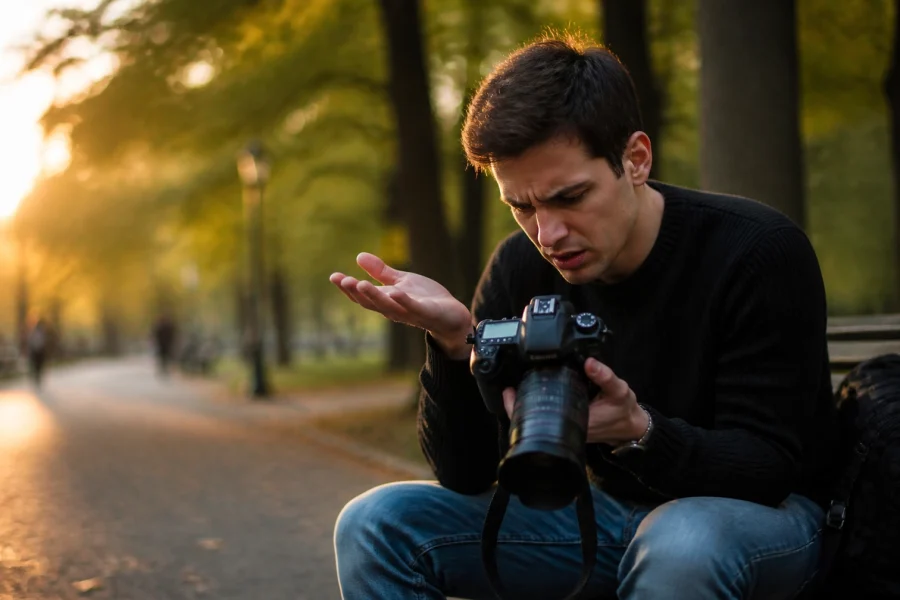
So, you’ve got a camera. Maybe it’s a shiny new mirrorless rig, or maybe it’s an old DSLR you found in the back of a closet. Either way, you’re standing there, looking at a dozen buttons and dials, wondering how on earth people make those breathtaking images you see on Instagram.
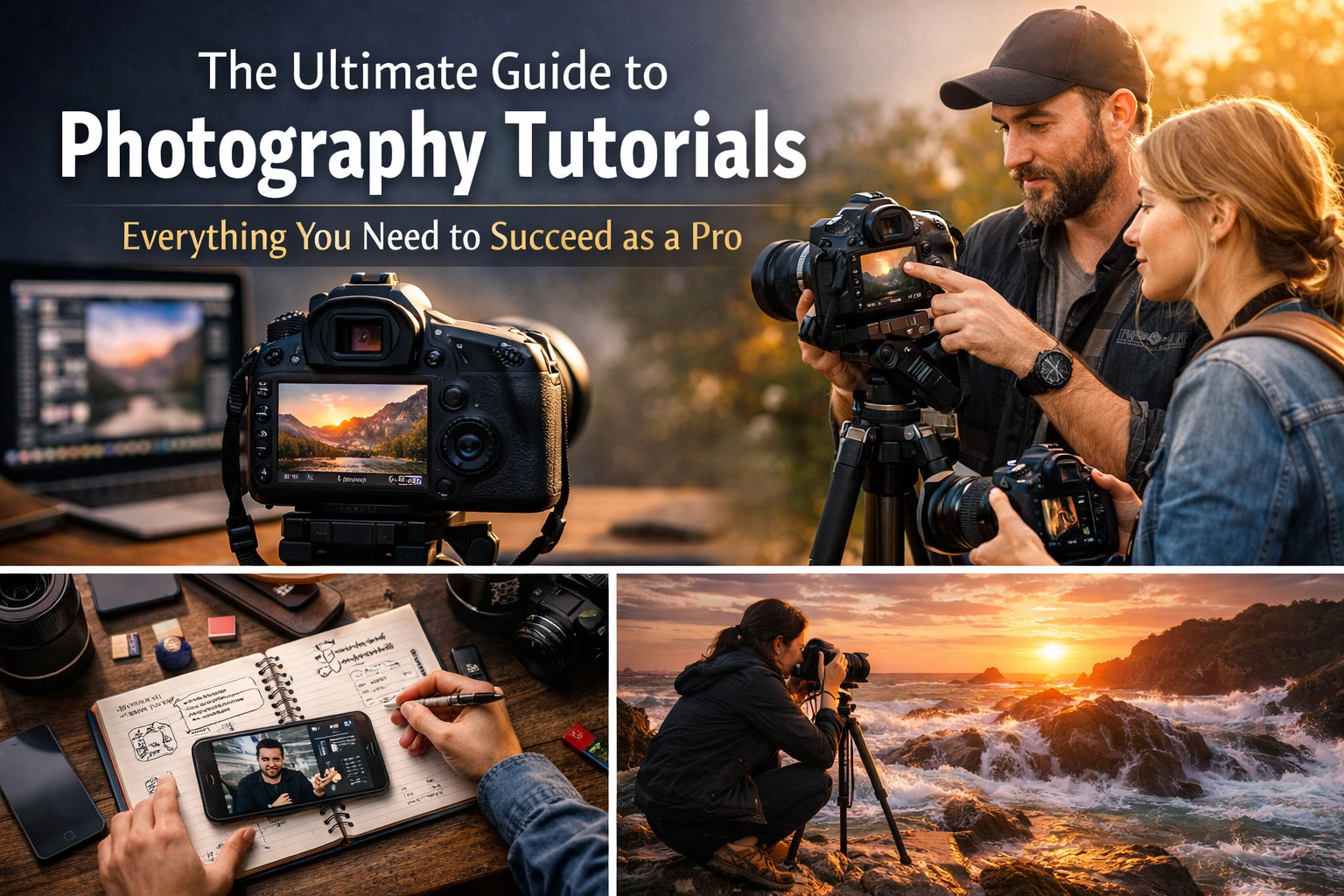
Welcome to the club. We’ve all been there. The gap between "taking a picture" and "creating an image" is wide, but it’s not impossible to cross. At Shut Your Aperture, we believe that anyone can master the art of visual storytelling if they have the right roadmap. This guide is that roadmap. We’re diving deep into the world of photography tutorials, from the absolute basics to the high-level secrets that separate the pros from the weekend warriors.
Why You Need Professional Photography Tutorials
In 2026, everyone is a "photographer" because everyone has a smartphone. But being a professional is about more than just having a lens. It’s about intent. It’s about knowing exactly why you’re choosing a specific shutter speed or why you’re standing in a particular spot at 5:00 AM.
The internet is flooded with information, but much of it is fragmented. You might find a video on how to blur a background, but it won’t tell you how that blur affects the emotional weight of your portrait. That’s why structured photography tutorials are essential. They don't just teach you the "how"; they teach you the "why." If you want to dive into the current state of the industry, check out why everyone is talking about today’s photography news.
How to Use Manual Mode Camera Like a Boss
If there is one thing that holds beginners back, it’s the "Auto" mode. Using Auto is like buying a Ferrari and only driving it in the parking lot. To get the most out of your gear, you need to learn how to use manual mode camera settings.
Manual mode gives you full control over the three pillars of photography: Aperture, Shutter Speed, and ISO. This is known as the Exposure Triangle.
1. Aperture (The 'Eye' of the Lens)
Aperture controls how much light enters the camera and, more importantly, your depth of field. Want that creamy, blurred background (bokeh)? Use a wide aperture like f/1.8. Want everything from the foreground to the mountains in focus? Stop it down to f/11.
2. Shutter Speed (The 'Heartbeat')
Shutter speed determines how long your sensor is exposed to light. A fast shutter speed (1/1000s) freezes action, like a bird in flight. A slow shutter speed (1/2s or longer) creates motion blur, perfect for making waterfalls look like silk.
3. ISO (The 'Sensitivity')
ISO measures your sensor's sensitivity to light. In bright daylight, keep it low (ISO 100). In dark environments, you’ll need to raise it, but be careful: high ISO adds "noise" or grain to your images.
Mastering these three settings is the first step toward professional work. If you're feeling overwhelmed, don't worry. We have a guide on how to master your camera’s manual mode in 5 minutes that breaks it down even further.
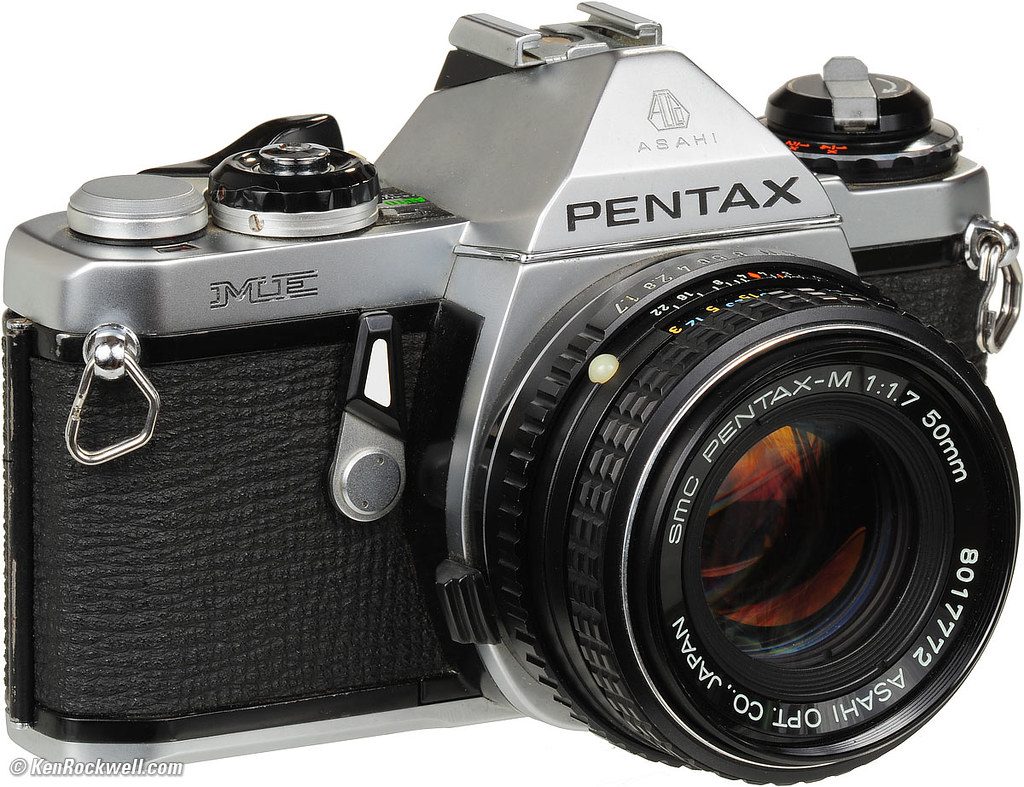 Save
Save
SEO Alt Text: A photographer adjusting the manual dials on a high-end mirrorless camera during a golden hour landscape shoot.
Understanding Your Gear in 2026
The gear debate never ends. Does the camera make the photographer? No. But does the right gear make your job easier? Absolutely. In 2026, mirrorless technology has reached a point where the autofocus is basically magic, and low-light performance is staggering.
When you're looking for gear-focused photography tutorials, start by understanding what you actually need. Are you shooting weddings? You’ll need fast primes. Are you shooting wildlife? You’ll need a telephoto lens that can reach the moon. Before you drop five grand on a new setup, read our comparison on how to choose the best mirrorless camera for 2026.
 Save
Save
SEO Alt Text: Close-up of a minimalistic retro-inspired digital camera held in hand, showing compact design and essential controls.
Composition: The Secret Sauce of Great Photos
You can have the most expensive camera in the world and perfect exposure, but if your composition sucks, your photo sucks. Composition is how you arrange the elements within your frame to lead the viewer’s eye.
- The Rule of Thirds: Imagine your frame divided into a 3×3 grid. Placing your subject on the intersections makes for a more balanced image.
- Leading Lines: Use roads, fences, or rivers to point directly to your subject.
- Framing: Use natural elements like overhanging branches or windows to frame your subject.
- Negative Space: Sometimes, what you leave out is just as important as what you put in.
To really level up, you should focus on storytelling in photography. A pro doesn't just take a photo of a person; they take a photo of a person’s story. For more inspiration on the artistic side of the craft, check out Shut Your Aperture.
Mastering Light: Natural vs. Artificial
Light is the literal medium of photography. Without it, you have nothing. Pro-level photography tutorials spend a significant amount of time on lighting because it's the hardest thing to master.
Natural Light: It’s free, but it’s fickle. The "Golden Hour" (just after sunrise or before sunset) provides soft, warm light that makes everything look better. But a real pro knows how to shoot in the harsh midday sun or blue hour, too.
Artificial Light: This is where many people get intimidated. Using flashes or continuous LEDs allows you to create your own sun. If you’re looking to build a studio or get into high-end portraiture, check out the resources over at Edin Studios.
Finding Your Niche
To succeed as a pro, you eventually need to specialize. While being a "jack of all trades" is fine for a hobbyist, clients want experts.
Landscape Photography
Landscape photography is about patience. It's about waiting for the light to hit the peak of the mountain just right. If you’re struggling with your shots, you might be making some common errors. Check out our guide on 7 mistakes you’re making with landscape photography.
Urban and Street Photography
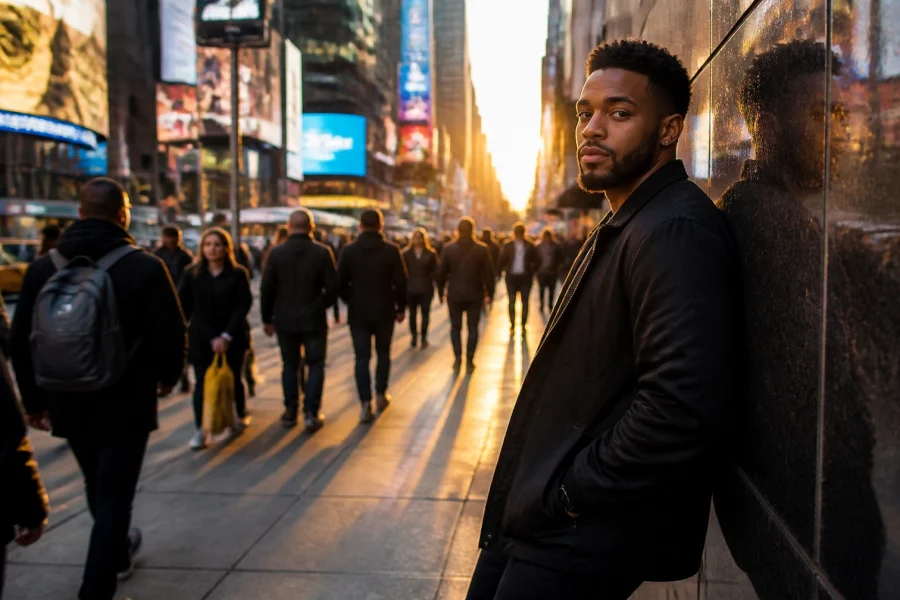
Street photography is about the "decisive moment." It’s about capturing the soul of a city in a single frame. This requires a mix of technical skill and social intuition. You can find some secrets to enchanting urban photography on our blog to help you navigate the concrete jungle.
Water Photography
Capturing water is a unique challenge. Do you freeze the droplets or let them flow? Mastering techniques for stunning water photography can add a whole new dimension to your portfolio.
 Save
Save
SEO Alt Text: A long exposure photograph of a waterfall in a lush forest, demonstrating professional water photography techniques.
Post-Processing: Where the Magic Happens
Taking the photo is only half the battle. The other half happens at the computer. Editing isn't "cheating"; it's the digital equivalent of a darkroom. It’s where you refine your vision.
One of the most powerful tools available today is Luminar. Its AI-driven tools allow you to replace dull skies, enhance skin tones, and adjust lighting with incredible precision. Whether you are using Lightroom, Photoshop, or Luminar, the goal is to enhance the reality you captured, not replace it.
For a deeper look into the philosophy of editing and fine art, browse the gallery at Edin Fine Art to see how professional processing elevates an image from a snapshot to a masterpiece.
Building a Photography Business
If you want to go pro, you have to treat photography like a business. This means building a portfolio, networking, and understanding marketing.
- Portfolio: Only show your best work. Ten amazing photos are better than fifty "okay" ones.
- Networking: Get your name out there. Platforms like ProShoot.io are fantastic for connecting with other professionals and finding gigs.
- Consistency: Post regularly and keep learning. The industry moves fast, and you need to keep up.
Edin Chavez often shares his personal insights and business tips on his personal blog, which is a goldmine for anyone looking to make a living with their camera.
 Save
Save
SEO Alt Text: A person seated on a giant camera model, representing the creative and expansive world of professional photography customization.
Conclusion: Join the #1 Photography School
Becoming a professional photographer is a journey, not a destination. There will always be a new technique to learn, a new piece of gear to master, and a new location to explore. The key is to never stop being a student.
At Shut Your Aperture, we are dedicated to being the number one photography school online. We provide the photography tutorials that cut through the noise and give you the practical, actionable advice you need. From mastering how to use manual mode camera to finding hidden gem locations for travel photography, we’ve got your back.
Stop taking snapshots. Start making art. Grab your camera, get out there, and let’s get to work. Your professional career starts with the next shutter click.