Miami rewards photographers who plan around the light. Start with a simple plan: sunrise on the beach, mid-morning color in the Art Deco District, golden hour on the bay, and neon after dark in Wynwood. This guide covers the best Miami photography tours and photo walks you can book right now, plus a full self-guided route through the city’s most photogenic neighborhoods.
Whether you want a local guide to put you in position or you would rather chase the light on your own schedule, everything you need is below. Read the tour picks first, then steal the route, the timing notes and the kit list.
Best Miami photography tours to book
A guided walk is the fastest way to learn a new neighborhood, and Miami has solid options run by local operators who know when and where the light works. These are independent third-party tours, not Edin Chavez photography workshops. Check the current price, departure time, meeting point and cancellation terms on the listing before you book, and ask the operator about pace if you want unhurried shooting time at each stop.
Little Havana food and walking tour on Viator
Viator identifies the provider as Miami Culinary Tours. Little Havana’s Calle Ocho is one of the richest street-photography walks in the city: hand-rolled cigars, dominoes in Maximo Gomez Park, roosters on the sidewalk, and bold color on every block. A food-focused walk works well for photographers because it moves slowly and stops constantly, which is exactly how you want to shoot a neighborhood this dense.
Little Havana food and culture walk on GetYourGuide
GetYourGuide identifies the provider as Bobby’s Bike, Hike & Food Tours – Miami. Same neighborhood, slightly different route and tastings, so compare the two itineraries and pick the one that hits the blocks you want.
For everything else – sunrise shoots, skyline walks, boat-based skyline views, night tours – the catalogs change seasonally, so the most reliable move is to search the current Miami listings and filter by the style of shooting you want:
Browse all Miami photography tours on Viator
What a good photo tour actually gives you
Honest answer: not secrets. Every spot on every Miami tour is findable on your own. What you are paying for is compression and timing. A good local guide has already done the scouting you would need three or four visits to finish. They know which corner of the beach fills with tripods at sunrise and which one stays empty, when the neon comes on in Wynwood, where the skyline reflection goes glassy on a calm evening, and which blocks in Little Havana still have the old character instead of the new storefronts.
If you have one or two days in Miami, a well-matched tour can reduce planning. If you have a week, do one guided walk early, then spend the rest of the trip working the self-guided route below on your own terms. That combination is how I would plan it for a friend visiting with a camera.
One more thing to check before booking: access. Ask the operator which courtyards or venues the route enters, whether admission is included, where the walk ends and what happens if weather changes the plan. That logistics layer is invisible until it goes wrong, and on a short trip it can be the difference between shooting and circling a block.
A self-guided Miami photo route
If you would rather shoot on your own schedule, this route follows the rhythm working photographers use in Miami: early light on the coast, midday shade and details, then sunset and blue hour. It lines up with the spots in my larger guide to the best photography spots in Miami, which goes deeper on each location. The whole loop below is walkable in segments – none of the walking stretches are long – but Miami heat makes short distances feel longer, so budget water and rest stops the way you budget shooting time.
Sunrise at Miami Beach

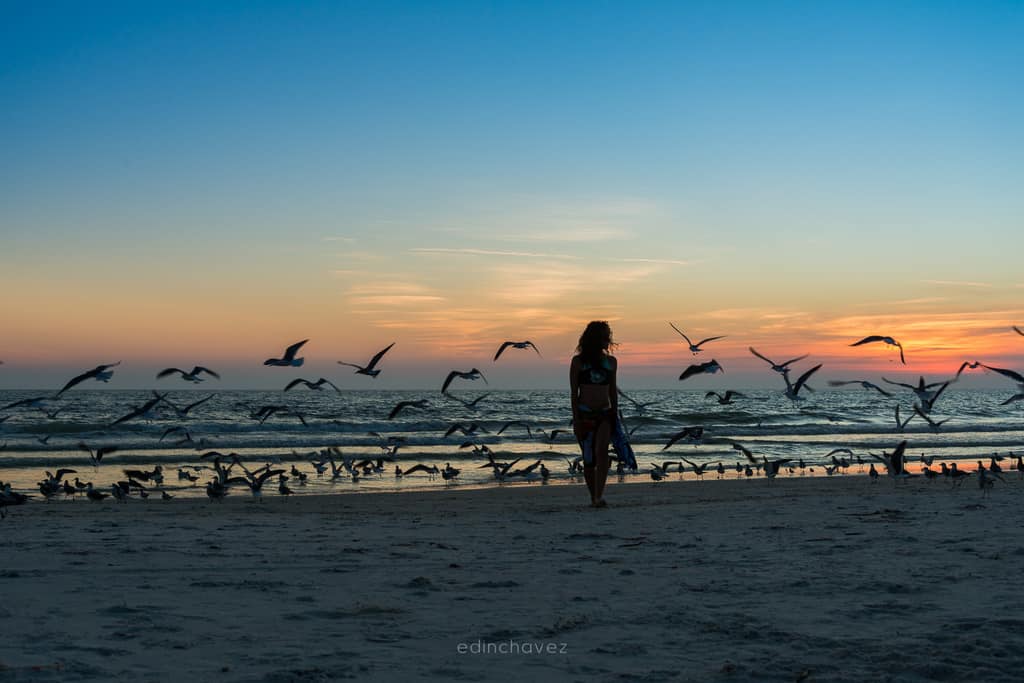
Start on the sand 30 minutes before sunrise. Pick a public beach access point anywhere between South Pointe and the jetty, find a foreground – a lifeguard stand, dune grass, the waterline – and be in position before the color peaks. Miami sunrises move fast: the sky goes from deep blue to pastel pink to harsh daylight in under an hour, and the best frames usually happen in the 15 minutes before the sun actually clears the horizon.
The pastel lifeguard towers are the signature foreground here, and they come in a range of colors and designs. The Miami coastal photography spots guide maps the towers and the other shoreline subjects worth a morning.
Mid-morning in the Art Deco District
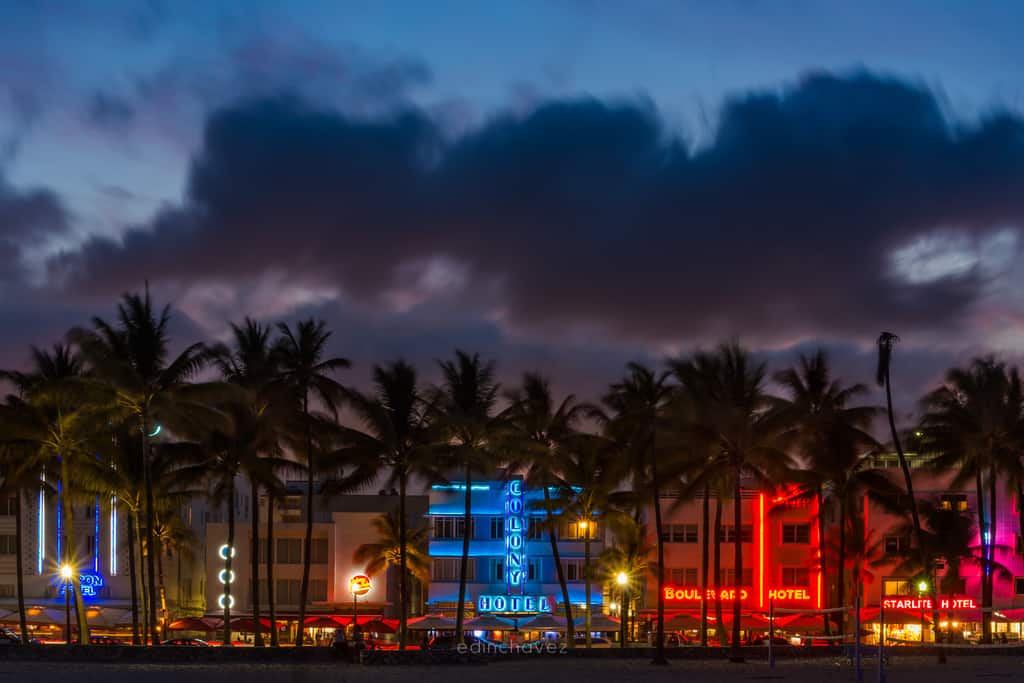
Walk Ocean Drive and the side streets between 5th and 15th for pastel facades, neon signs and geometric details. Check which side of the street is lit, and by late morning the crowds are still thin enough for wide shots of full building fronts. Come back at dusk when the signs switch on – Ocean Drive after dark is a completely different subject, and it is worth shooting both versions of the same block.
Wynwood Walls and the arts district
Wynwood’s murals change constantly, so every visit is a new set. Overcast light is your friend here: even exposure keeps the paint colors saturated instead of blowing out half the wall. Late afternoon can work too; look for side light that brings out wall texture without splitting a mural into bright sun and deep shade. Check current venue access rules before you go, and do not skip the blocks around the Walls themselves – the side streets often hold better work than the famous ones. The murals and the people around them are covered in the Miami street photography guide.
Little Havana: Calle Ocho
Give Calle Ocho at least two hours. In late afternoon, look for angled light on awnings and doorways rather than treating every block as a wide establishing shot. Maximo Gomez Park is the anchor – domino players, Cuban coffee windows, constant movement – but walk a block off the main street in both directions and the neighborhood gets quieter and more honest. This is people photography, so work respectfully: shoot the scene first, and ask before you push a camera close to a face.
Sunset on the waterfront
Choose one location for the evening rather than rushing between several. The bayfront and the Ocean Drive skyline both give you a west-facing glow with reflections, and Biscayne Bay on a calm evening doubles every color in the sky. Review the day’s frames before you head out so you know what to reshoot – a missed sunrise shot often works better as a blue-hour shot anyway.
Downtown and Brickell after dark
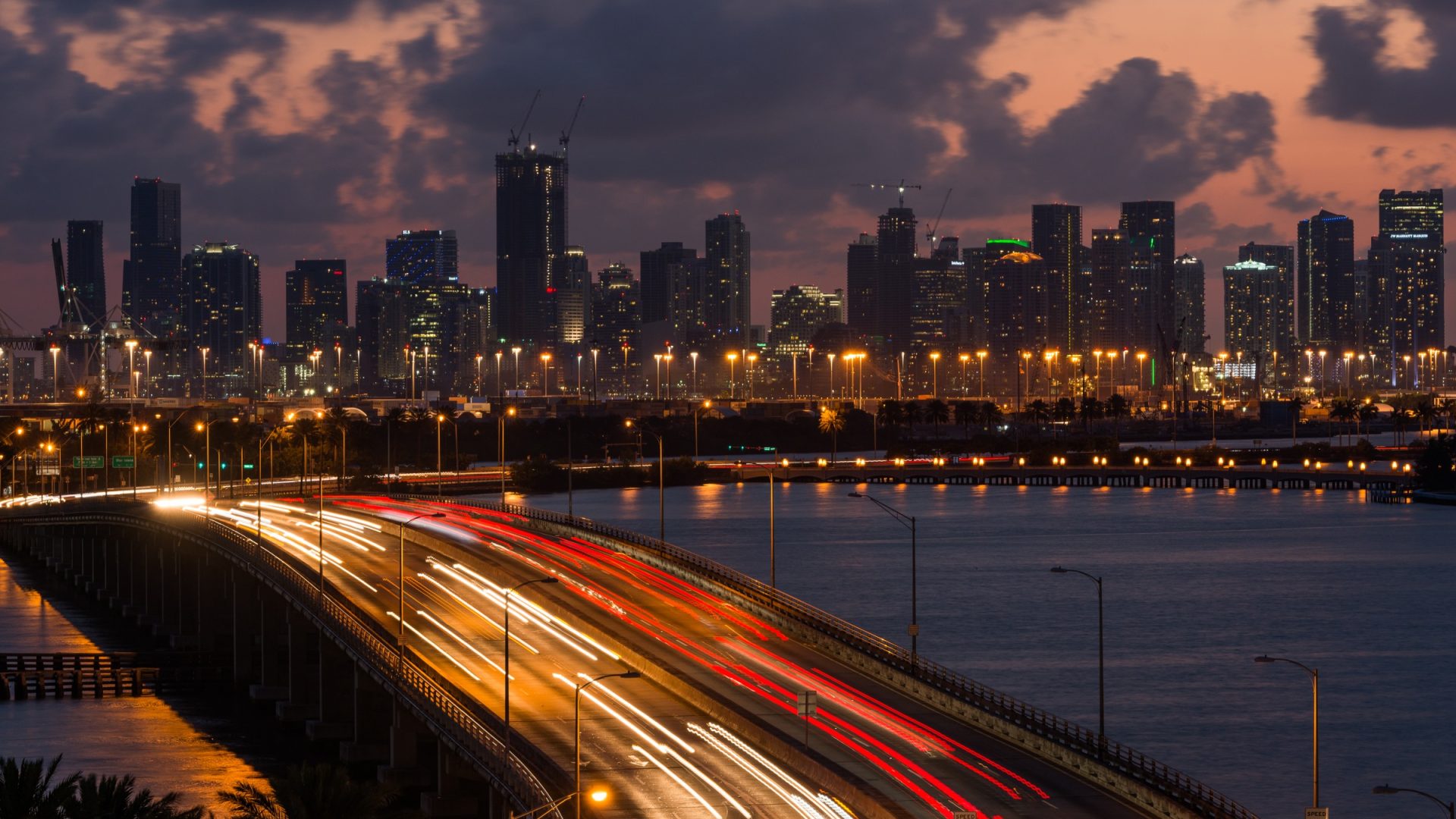
Finish the day across the water from the skyline. The downtown and Brickell towers light up hard after sunset, and the reflections off the river and the bay are the shot. Blue hour lasts maybe 20 minutes here, so set up while it is still daylight, dial in your composition, and wait. Long exposures of 10 to 30 seconds turn the water to glass and the traffic to ribbons. The Miami skyline and night photography guide covers the exact vantage points for this.
Day trip: the Everglades
If you have a second full day and want something completely different, the Everglades gives you an entirely different set of subjects: wading birds at dawn, alligators in the sloughs, endless grass and broad horizons. Go for sunrise, bring a long lens, and read the Everglades photography guide before you pick your trails.
Key Biscayne is the other easy add-on if you want lighthouse silhouettes and calm bay water without leaving the city. Either detour pairs naturally with a sunrise start, which keeps the rest of the day free.

Best time of day and season for Miami photography
Sunrise is the single most productive hour in Miami. The beach faces east, the light is clean, the sand is empty, and the pastel towers glow. Golden hour before sunset is the second window, and blue hour – the 20 to 30 minutes after sunset – is when the skyline shots happen. Midday from about 11am to 3pm is harsh and flat; use it for interiors, shade details, Cuban coffee and lunch.
On season: winter, roughly November through April, gives you dry air, lower humidity, clearer skies and comfortable walking weather. Summer is hot, sticky and stormy, but the afternoon thunderstorms build enormous skies, and the hour after a storm clears can produce the most dramatic light of the year. If you visit in summer, shoot mornings, hide in the afternoons, and come back out for storm light.
What to bring on a Miami photo walk
Carry only what you can walk with for hours. A camera you know well, one or two lenses, charged batteries and space for your files is the whole list for most of the route. A wide-to-standard zoom covers architecture and street work without turning a photo walk into a gear-hauling exercise. Use a tripod only where it is allowed and where it will not block a walkway – you will want one for the night skyline shots and long exposures on the bay, so a travel tripod earns its spot in the bag.
Summer storms build fast in the afternoon, so plan indoor or covered stops after lunch and keep a rain cover or even a plastic bag in your kit. Miami humidity also fogs cold lenses coming out of air conditioning, so give your gear a few minutes in the shade before you start shooting.
Practical tips before you book
Book directly through the listings linked above so the price, meeting point and cancellation policy are in writing on your confirmation. Read the recent reviews, not just the star rating – for a photo walk you are looking for comments about pace and whether the guide lets people stop and shoot. Group size matters more than tour length: a three-hour walk with eight people beats a five-hour bus tour with forty. And if a listing says “photo tour” but the itinerary is all bus stops, skip it. You want walking time with the camera in your hand.
Miami photography tours: common questions
Are Miami photography tours worth it?
Yes if you are new to the city or short on time. A local guide compresses days of scouting into a few hours and puts you in position at the right time. If you already know the neighborhoods, the self-guided route above covers the same ground on your own schedule, free.
What is the best time of day to photograph Miami?
Sunrise on Miami Beach for clean light and empty sand, late afternoon for the Art Deco District and Calle Ocho, and sunset into blue hour for the skyline and Wynwood’s neon. Midday sun is harsh; use it for shade details and interiors.
How much do Miami photo tours cost?
There is no single city-wide price. Group size, duration, food stops and private instruction all change the total. Enter your date and party size on the listing, then compare the final price, inclusions and cancellation deadline. Do not assume a general sightseeing tour includes photography instruction, and do not assume every ticket is refundable.
Do I need a permit to photograph in Miami?
Rules depend on the location and what the shoot involves. A casual handheld visit is not the same as a production with lights, models or a crew. Tripods, commercial shoots and venues such as Wynwood Walls can have separate requirements. Check the location’s current policy before you set up, and expect security to ask questions if you put a tripod down in front of a building downtown.
Can I do this with just a phone?
Yes. Miami’s color and light flatter phone cameras, and every stop on the self-guided route works with a phone. Bring a power bank – navigation plus shooting drains a battery fast in the heat.
Are these tours run by Edin Chavez?
No. Edin no longer leads tours or workshops. Every tour linked on this page is operated by the independent provider named on the listing.
Planning references
Use Greater Miami Convention & Visitors Bureau’s one-day itinerary for neighborhood planning and its photo-location overview for beach, mural and architecture ideas. Tour prices, entry rules and cancellation terms must be checked with the operator for your chosen date.
A small kit for a Miami photo walk
Build the bag around the camera you already own. These options cover support, carrying comfort and a spare card; check compatibility before buying:
- Peak Design aluminum travel tripod – light enough to carry all day, tall enough for skyline long exposures on the bay.
- Peak Design Slide Lite camera strap – an adjustable sling, shoulder or neck strap for walking between stops.
- SanDisk 128GB Extreme Pro SD card – bring a spare; a full Miami day fills cards faster than you expect.
Affiliate disclosure: I may earn a commission from Viator, GetYourGuide or B&H purchases through these links at no extra cost to you. These tours are operated by the providers named above, not by me or Shut Your Aperture.