Updated October 2026
Photography business insurance cost is not one number. A liability-only starting price, a camera policy and a package with professional liability can all appear under the same search result. They are not the same purchase. Before you compare premiums, write down what your business needs covered and what the quote leaves out.
The useful answer is a documented budget: the annual price of the selected coverages, any installment charges, the deductible you could actually pay and the limits that match your work. Spend ten minutes sorting those numbers before spending ten hours looking for the lowest headline price.
Scope: this guide covers United States photography businesses. The figures below were checked against the linked provider pages in October 2026. They are advertised prices, a provider’s illustrative example or a broker’s historical customer medians, not personalized quotes or a nationwide rate survey. Eligibility, state, policy forms and final terms control. Ask a licensed insurance professional about your business; this is general information, not legal advice or a coverage guarantee.
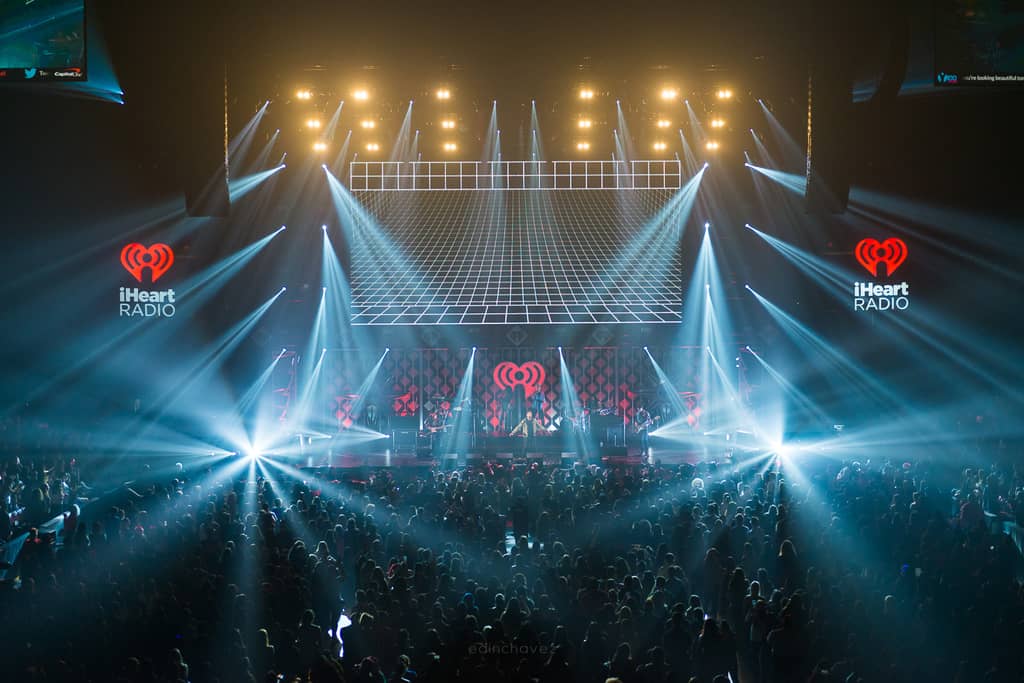
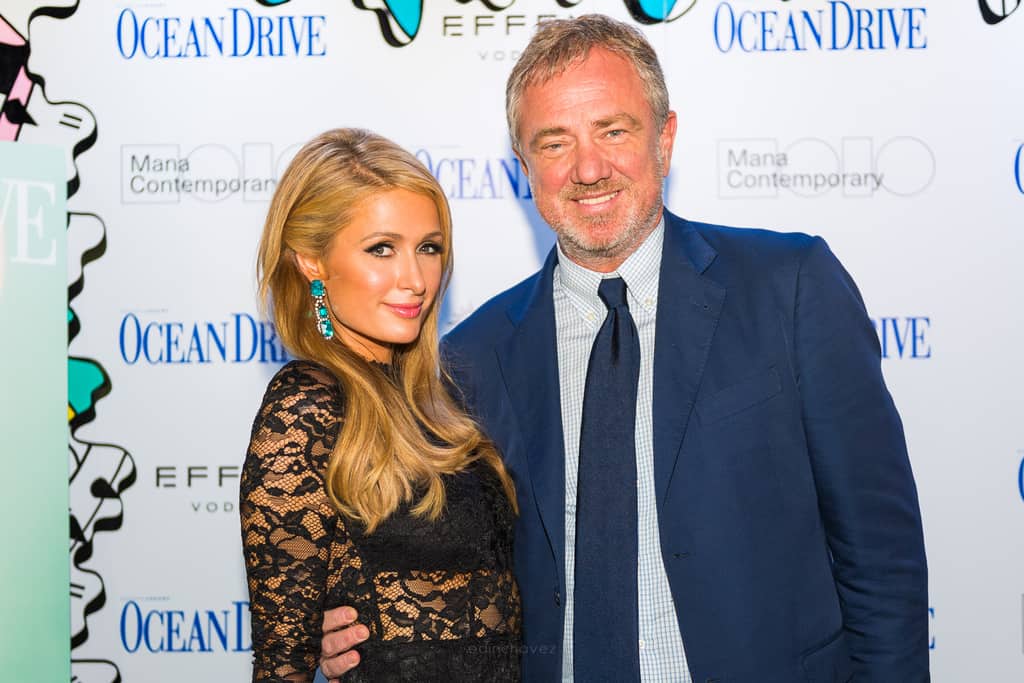
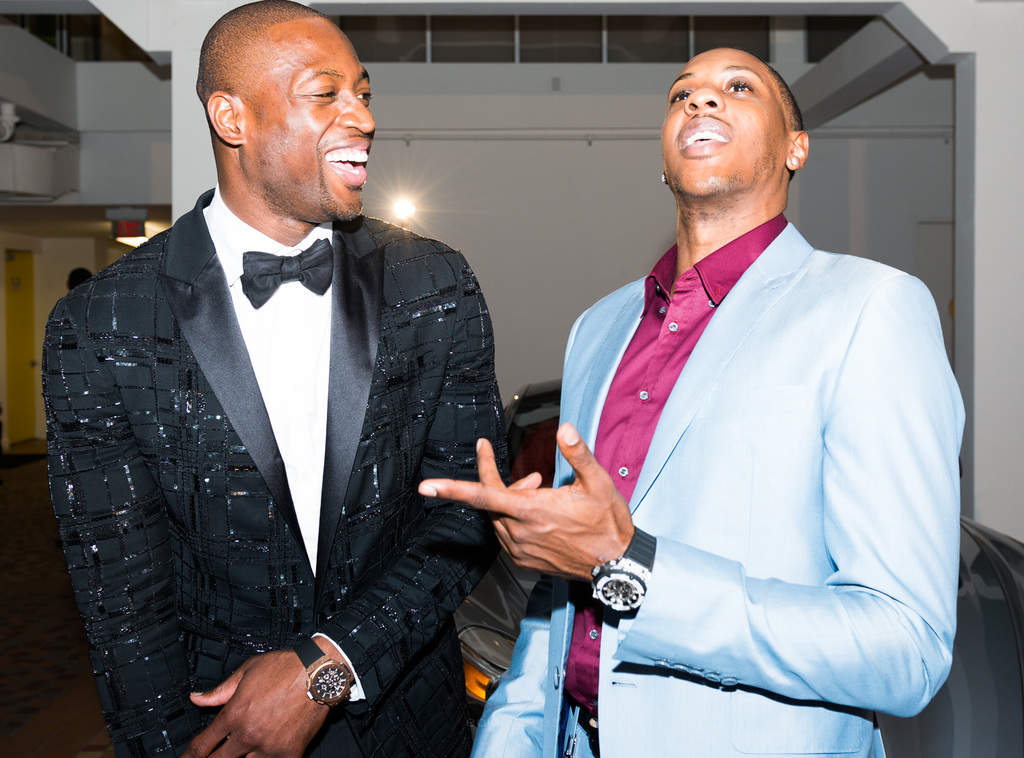
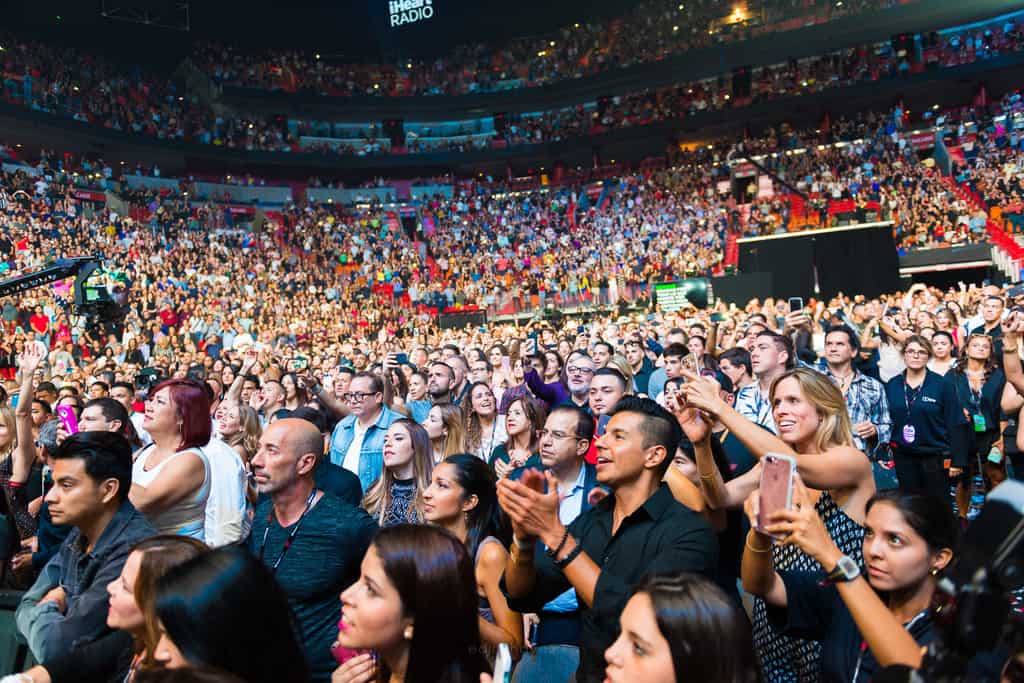
The event photographs illustrate the types of assignments a photography business may take. They do not identify anyone’s insurance, demonstrate a paid claim or show a provider’s interface.
Start with these three kinds of price
An advertised starting price tells you where a provider’s offer begins. It does not tell you that your business qualifies or that every coverage you want is included. Check the revenue band, limits, options and any territory restrictions before treating it as a budget.
A customer median describes a particular group of purchased policies. Half the prices in that dataset fall on either side of the middle value. A median is not the price every photographer pays, and a broker’s customers are not the entire US market. The date of the sample matters too.
An illustrative quote is a worked example for a stated business. It can help show how several coverages fit together, but it should not be copied into your own forecast without comparing the assumptions. A photographer with staff, a studio and commercial clients may need a different package from a solo portrait photographer working outdoors.
Current public figures, with the missing context attached
- Full Frame annual general liability: its coverage-details page lists $129 annually for $0-$100,000 in annual sales and $209 for $101,000-$200,000. Those are provider-listed revenue tiers, not promises for every applicant. The listed base limits are $1 million each occurrence and $2 million general aggregate.
- Full Frame Annual+: its photography page advertises $347 per year or $30.17 per month with base camera-equipment protection described as $2,000 and a $20,000 aggregate. The FAQ uses per-item wording while tables use per-occurrence wording; confirm the issued form rather than silently choosing one label. Do not mistake the site’s higher available equipment limits for the base package.
- Hiscox example: its photographer page gives a Kansas City, Missouri example with $250,000 annual revenue and a total of $155.27 per month: $50.40 for a BOP, $75.30 for professional liability and $29.57 for cyber. That is an illustrative combination for the stated example, not a starting price for all photographers.
- Simply Business customer medians: its cost page lists $200 annually for general liability, $252 for equipment/business property, $430 for professional liability, $746 for workers’ compensation and $540 for a BOP. The footnote identifies customers specializing as photographers who purchased policies from July 1 through December 31, 2024. These are historical broker customer medians, not October 2026 market rates.
Do not add all four bullets together. They describe different providers, packages and evidence types. A BOP already includes selected coverages, so stacking a separate general liability price onto it could count the same protection twice. Ask the insurer which policies are alternatives and which are needed additions.
There is also a real source conflict to keep visible. Full Frame’s cost blog gives Annual+ a different annual figure, $271, from the $347 currently advertised on its product page. Do not average them or choose the cheaper page as proof. Resolve the price and included limits through the current application, dated quote and policy documents before buying.
Annual premium and monthly payments are different numbers
A monthly option can be easier on cash flow without being cheaper over the year. Compare the full annual payment schedule, not the size of its first installment. Ask whether the monthly number includes fees and whether an initial payment differs from later payments.
For example, twelve payments of the advertised Full Frame Annual+ monthly figure of $30.17 total $362.04, compared with the separately advertised $347 annual figure. That arithmetic explains why multiplying and comparing matters; it is not a checkout quote or an explanation of the provider’s fee structure. Get the actual schedule for your application.
Broker pages may round monthly medians. Simply Business lists $17 monthly and $200 annually for general liability, and $36 monthly and $430 annually for professional liability. Do not overwrite the source’s annual figure with twelve times its rounded monthly display. Use the annual number it reports, keep the source and sample dates attached, and obtain your own current quote.
Record the renewal date and payment terms beside the premium. Ask what cancellation does to the balance, whether a refund is available and what happens if an installment fails. A low first payment is not useful if you misunderstand how long the policy runs or when coverage could lapse.
Price the work you actually do
Describe the business plainly. Include weddings, events, portraits, product photography, real estate, video and aerial work when applicable. Do not label the whole operation as a lower-risk activity just to get a smaller number. The insurer needs the real operations to assess eligibility and coverage.
State the annual revenue you expect, who works with you and whether clients visit a studio. Tell the provider about travel, rented equipment and contracts with venues or commercial clients. The Hartford’s photography guide separates general liability, professional liability and business property; that separation is a useful starting point for your quote brief.
Location, employee count, revenue and claims history are cost factors identified on Simply Business’s photographer page. They are not a formula you can use to calculate your premium at home. Give every provider the same current facts so differences in quotes do not come from different descriptions of the business.
Update the description when the work changes. Adding staff, opening a studio, increasing equipment values or accepting destination assignments can change the coverage discussion. Tell the agent before the change becomes an uninsured assumption.
Separate general liability from professional liability
General liability and professional liability address different kinds of claims. A guest injured around your setup is not the same problem as a client alleging you failed to deliver the promised photographs. A cheap liability headline should not be read as protection for every dispute arising from a photography job.
Ask the agent to explain both coverages using your contracts and deliverables. For professional liability, discuss missed assignments, lost files, delays and allegations about the finished work. Ask what is excluded, whether defense costs reduce the limit and when you must report a claim or a circumstance that may become one.
The NAIC’s small-business guide says a typical BOP does not include liability for wrongful professional practices, workers’ compensation or commercial auto. A package name therefore does not settle the whole list. Read the proposed declarations and endorsements to see which coverages are actually selected.
Compare the same limits and deductibles across quotes. If one package omits professional liability and another includes it, the premium difference is partly a coverage difference. It is not evidence that the first insurer is cheaper for the same protection.
Camera value is not the only equipment number
Build an inventory before requesting equipment coverage. List bodies, lenses, lighting, computers and storage, with serial numbers and current documentation. Separate owned equipment from rentals. Ask how the insurer values a covered loss, whether individual items must be scheduled and which devices count as business property.
Look at the per-item or per-occurrence limit as well as the aggregate. An advertised $20,000 total can still sit beside a $2,000 item limit. That may matter more than the headline premium if your most expensive piece costs more than the single-item amount. Ask which valuation basis and deductible apply.
Also ask about equipment away from the studio, transit, theft, accidental damage, overnight storage and rented gear. Full Frame’s FAQ says rented-equipment coverage changed for policies bought or renewed on or after March 26, 2026, while other coverage summaries still contain exclusions. Obtain the dated policy wording and a written answer rather than treating either summary as a universal rule.
A larger deductible may reduce a quoted premium, but compare the savings with the amount you would have to fund after a covered loss. There is no useful bargain in a deductible that would stop you replacing the equipment needed for the next job. Keep that decision separate from assumptions about whether a particular loss would be covered.

Membership benefits are a separate comparison
Insurance included with a professional membership can be worth investigating, but compare the whole membership and eligibility rather than treating it as a bare insurance quote. PPA’s Full Plus page lists $428 annually, or two payments of $214, with specified insurance benefits and other membership features.
The same page limits included general liability eligibility to US residents excluding New York and US territories, with annual revenue of $125,000 or less and no current general liability policy. It says other members may purchase general liability through Lockton Affinity rather than receive it included. Check the current eligibility and insurance documents; membership is not automatic proof you have every coverage your client requires.
Do not compare the full membership price with a liability-only offer and declare one universally better. Review equipment limits, professional-services protections, exclusions, deductibles and the value of the membership benefits you will actually use. Obtain confirmation of the insurance that would apply to you before relying on it.
Venue documents and staff can add questions and cost
For assignment-specific preparation, the wedding photography insurance checklist separates venue paperwork, equipment and delivery risks. A client may request a certificate of insurance and specific endorsements. Get the written request early. Ask whether additional-insured options are included, priced per recipient or available through another charge. A certificate holder is not automatically an additional insured.
The New York Department of Financial Services explains that a certificate cannot amend, extend or alter the policy. That is a New York source, not a statement that every state’s certificate law is identical. The broader purchasing point is to confirm the coverage and endorsements, not pay for paperwork that does not meet the contract.
Staff also changes the quote brief. Ask about employees, assistants and independent contractors separately. Do not assume your policy insures every second photographer’s own business. Workers’ compensation requirements depend on state law and the actual working arrangement; ask a licensed agent and check the relevant state rules rather than relying on a contractor label.
A clean worksheet for comparing quotes
Send the same one-page brief to each provider: state, annual revenue, work types, studio use, team structure, equipment inventory, travel and client requirements. Request the quote in writing with its expiry date. Then compare the following before choosing:
- Total annual premium for the selected coverages and the full installment schedule.
- Named insured and business activities described in the application.
- General liability occurrence and aggregate limits.
- Professional liability limits, reporting terms and exclusions.
- Equipment item limits, aggregate, valuation and deductible.
- Rented gear, off-premises use, transit and destination territory.
- Required client endorsements and any extra charges.
- Workers’ compensation, cyber, commercial auto or drone coverage where relevant.
- Cancellation, renewal and changes-to-business procedures.
Mark a missing answer as missing. Do not fill it with a sales headline from another page. If two quotes differ, ask the agent to show whether the difference is price, coverage, eligibility or payment terms. Keep the answer with the quote so you do not have to reconstruct it at renewal.
Reduce avoidable losses without confusing them with coverage
Backups, secure stands, safe cable routes and careful gear storage are useful business habits. They do not replace insurance, and they do not prove a claim will be paid. Ask whether a provider offers documented discounts for measures you actually use; do not invent a percentage or assume every insurer offers one.
Buy the protection that fits the work, then maintain the practical backup plan. Keep policy documents, the equipment inventory, client contracts and the agent’s contact details accessible away from the primary laptop. Plan a separate event gallery delivery workflow and backup archive; a client gallery is not your entire recovery plan. Review the package at renewal and whenever the business changes. The goal is a known budget and understood limits, not the smallest number on a search page.
Photography business insurance cost FAQ
Is $129 the complete cost of photography insurance?
No. It is a provider-listed annual general liability price for a specified revenue tier. Equipment, professional liability and other selections may cost more, and eligibility and final quote terms control.
Are monthly payments cheaper than paying annually?
Not necessarily. Compare the full annual payment schedule, fees and initial payment with the annual-pay quote. A smaller monthly payment can produce a larger yearly total.
Can I add the broker medians to estimate my package?
Do not treat that sum as a quote. Policies can overlap, and historical medians describe a particular customer sample. Request a package priced for your own operations and selected limits.
Does a BOP automatically include professional liability?
Do not assume it does. The NAIC describes professional-practices liability as outside a typical BOP. Confirm the actual policy and any selected endorsements.
Is camera equipment always covered away from the studio?
No universal rule applies. Check off-premises use, transit, theft exclusions, rented gear, item limits, valuation and deductibles in the policy offered to you.
What should I prepare before getting quotes?
Prepare your state, revenue, work types, staffing, equipment inventory, travel plans and written client requirements. Give each provider the same facts for a useful comparison.
Keep the backup plan practical
Insurance is not a reason to buy gear you do not need. Check compatibility with your existing camera before choosing cards, batteries or storage. These retailer searches are not claims of current stock or price.
- Compatible spare camera batteries: Amazon | B&H
- Memory-card storage cases: Amazon | B&H
- External backup drives: Amazon | B&H
Affiliate disclosure: purchases through the retailer links may earn Shut Your Aperture a commission at no extra cost to you. Insurance-provider links in this article are neutral, non-affiliate links.
For more photography tips, visit Shut Your Aperture Academy.