Every real estate photographer eventually runs the math. You have 40 images from today’s shoot. Editing them yourself takes about three hours. Sending them out costs $1.00 to $2.50 per image. At what volume does outsourcing make financial sense, and when does a preset workflow pay off more? The answer depends on your volume, your hourly rate, and your deadlines. Here is the honest breakdown, including the costs both sides hide.
What Outsourcing Actually Costs
Established real estate editing services like PhotoUp, BoxBrownie, and Pixelz typically charge $1.00 to $4.00 per image depending on complexity. Standard corrections (exposure, white balance, perspective straightening, basic sky work) land at the low end; HDR blending, object removal, and virtual staging cost significantly more.
 Save
SaveA 30-image shoot at budget pricing runs $30 to $60. Scale that: five properties a week at $40 each is about $800 a month. Ten a week is $1,600 a month, every month.
The hidden costs of outsourcing
Turnaround is the first one. Standard service runs 24 to 48 hours; agents increasingly expect same-day delivery, and rush fees of 50 to 100 percent apply when the service can meet that at all. Transfer time is the second: uploading 30 RAW files on hotel or rural internet can eat 45 minutes before editing even starts.
Then there are revisions. An outsourced editor does not know your client’s preferences or the property’s quirks, so budget at least one revision round per shoot while a relationship is new. And consistency varies: different editors inside the same service produce visibly different results, which matters when a listing’s photos need to feel like one house.
What a Preset Workflow Actually Costs
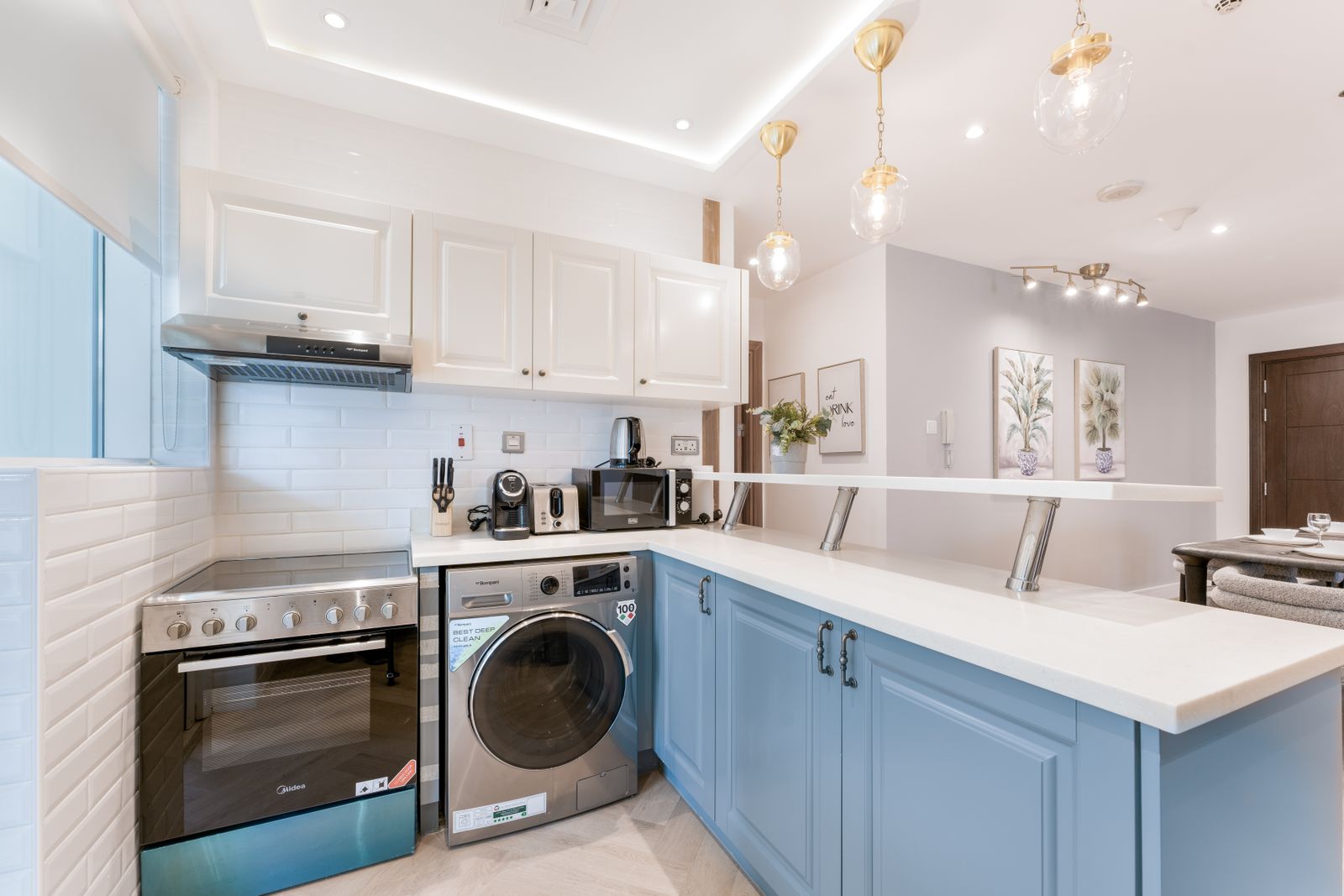
The upfront cost is your time: two to four hours to build a solid base set, then a few more hours refining it across your first weeks of shoots. After that the marginal cost per image approaches zero. Ongoing cost is the Lightroom subscription, roughly $10 to $12 a month for the Photography plan, plus optionally a one-time commercial preset pack. The Lightroom presets guide walks through building, organizing, and syncing a preset library.
 Save
SaveTime cost per image with presets
With a dialed-in preset system, a realistic pace is 10 to 20 images per hour: apply the base preset, adjust white balance and exposure per image, straighten verticals, spot obvious distractions, export. At 15 images an hour, a 30-image shoot takes about two hours.
Now the real comparison: opportunity cost. If your effective hourly rate is $75, those two hours “cost” $150. If your rate is $30, they cost $60. That number, not the per-image price, is what outsourcing has to beat.
AI Editing as a Third Option
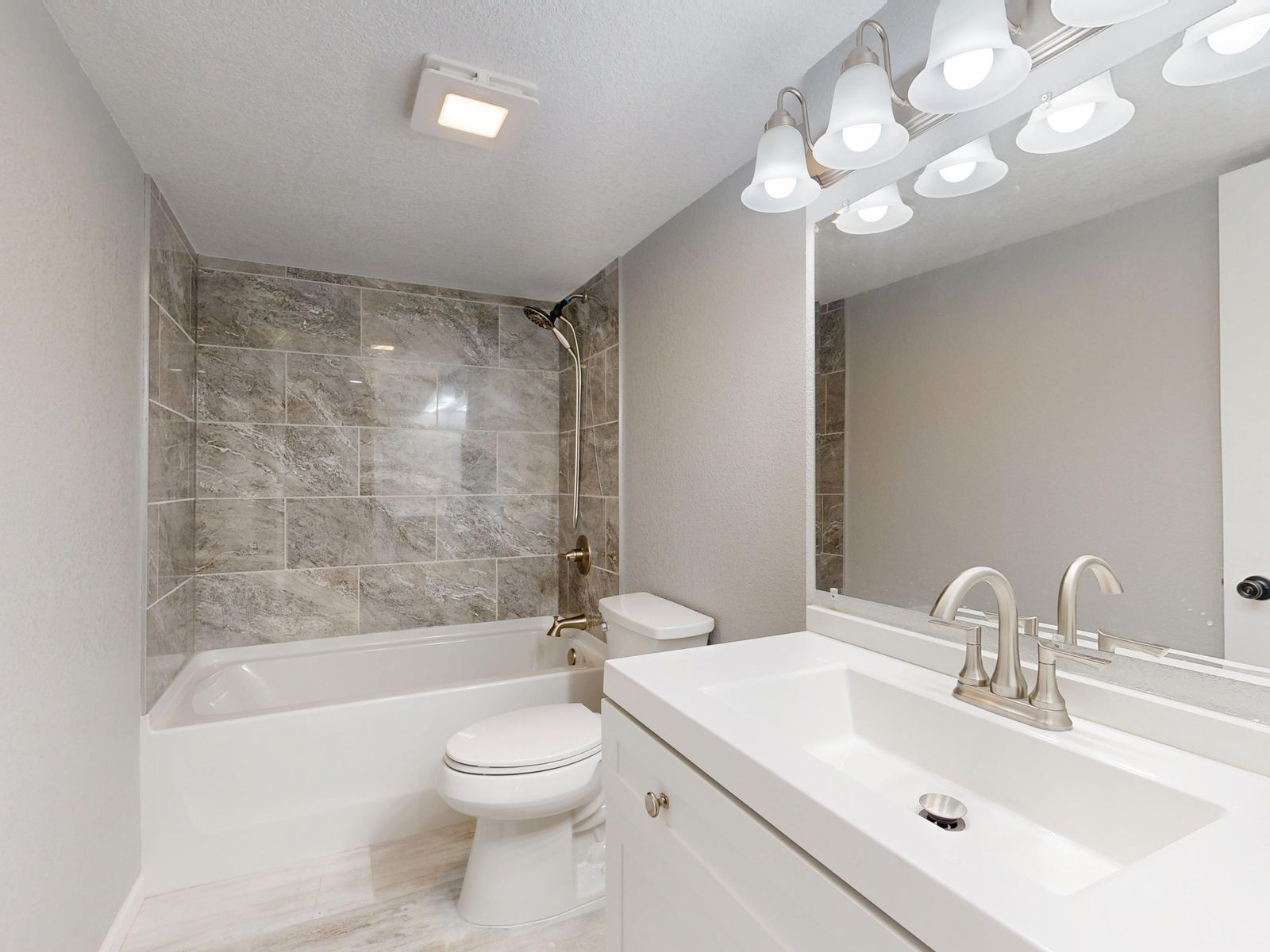
AI-assisted editing has changed the math since 2023. Tools from Adobe, Luminar, and a wave of plugins now handle exposure normalization, sky work, and basic cleanup faster than either manual editing or outsourcing. The practical role: AI works best as an accelerator inside your own Lightroom workflow rather than a wholesale replacement. It cuts per-image time without adding turnaround time or per-image fees, which is precisely outsourcing’s weakness.
 Save
SaveWant to go further? The ShutYourAperture Academy’s Architectural & Interior Photography (8 modules, 32+ lessons) is built to help you compose with steel, glass and light the way architects do.
The Real Comparison: Volume and Business Stage
Early stage (1-3 properties a week): build the preset workflow. Monthly outsourcing at this volume costs close to a year of Lightroom, and learning to edit makes you a better shooter, because you learn what will be easy or hard to fix before you press the shutter. Your aperture and exposure choices on site directly decide how much editing each frame needs.
Mid volume (5-10 properties a week): the genuinely competitive zone. Outsourcing runs $200 to $400 a week; if those editing hours could be booked as shoots instead, outsourcing can pay for itself. The break-even depends on your rate and how full your shooting calendar already is.
High volume (10+ a week): hybrid wins. Standard shoots run through a fast preset workflow; complex jobs (HDR merges, virtual staging, heavy object removal) go out, where the per-image cost is justified by the specialist time saved.
Whichever lane you choose, the system only pays if it is fast and consistent. If presets are part of that system, the Real Estate Preset System gives you 88 tested starting points across interior, exterior, twilight, HDR, and drone work, so the two hours a shoot takes are spent on the images, not the sliders.
Keep the editing handoff organized
A SanDisk Extreme Portable SSD V2 in black, 1TB model SDSSDE61-1T00-G25, is one storage option for originals, working files and returned edits. Use separate folders so an outsourced export does not overwrite the source. Check current manufacturer firmware guidance, computer connection and capacity before use. Open and inspect copies before clearing a card. A drive does not set an editing rate or make outsourcing profitable. Keep a separate checked backup; one portable drive is not the whole archive. Compare the current retailer specifications; no hands-on test, price or stock promise is being made here.
Compare SanDisk Extreme Portable SSD V2 1TB Black SDSSDE61-1T00-G25 on Amazon | Check SanDisk Extreme Portable SSD V2 1TB Black SDSSDE61-1T00-G25 at B&H
Affiliate disclosure: We may earn a commission from qualifying purchases through these gear links at no extra cost to you. As an Amazon Associate, Shut Your Aperture earns from qualifying purchases.