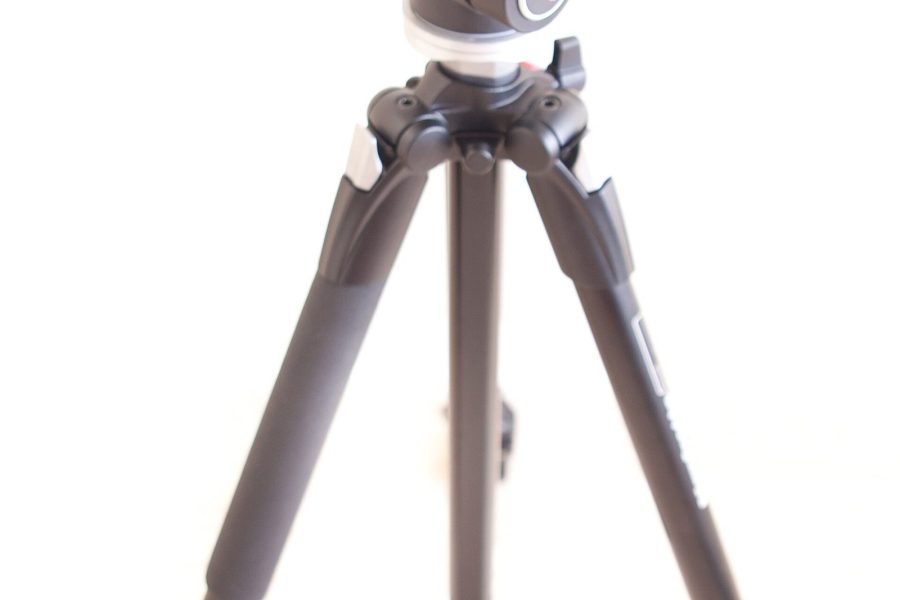
A tripod is the most overlooked piece of gear in most kits. Buy a cheap one and you’ll fight it every shoot — wobbly legs, slow leg locks, a center column that sags under a 70-200mm. Buy a carbon-fiber tripod that actually fits how you shoot and it disappears into your workflow. The five tripods below have been tested in the field by working photographers across landscape, travel, and astrophotography use cases through 2026. I’ve kept the list short because there’s no point recommending tripods that look good on paper but fail in salt air or under a heavy telephoto.
Carbon fiber matters for three reasons. First, weight: a carbon traveler at 1.2 to 1.6 kg versus an aluminum traveler at 2.0 to 2.4 kg adds up over a week of hiking. Second, vibration damping: carbon absorbs micro-vibrations from wind and footsteps faster than aluminum, which translates to sharper long exposures. Third, cold-weather handling: aluminum legs in February become uncomfortable to grip without gloves, while carbon stays neutral. The downside is cost — every tripod here is more expensive than its aluminum twin — but you only buy a good tripod once if you choose right.
 Save
SaveQuick comparison: top carbon-fiber tripods 2026
The table below uses our dual-affiliate format so you can price-check at both B&H and Amazon before buying. B&H usually wins on customer service and free shipping over $49. Amazon often has faster Prime delivery and occasional sales on the cheaper end of the list.
| Best for | Pick | B&H | Amazon | Why |
|---|---|---|---|---|
| Best overall | Peak Design Travel Tripod CF ~$650 |
B&H | Amazon | Smallest folded profile in class, 1.27 kg, 9 kg load. Genuine travel tripod. |
| Best premium | Gitzo Mountaineer GT1545T ~$900 |
B&H | Amazon | Gold standard. eXact carbon, traveler series, lifetime in the field. |
| Best mid-range | 3 Legged Thing Punks Brian 2.0 ~$420 |
B&H | Amazon | Removable monopod leg, 14 kg load capacity, smartly built. |
| Best budget | Neewer LT32 Carbon ~$200 |
B&H | Amazon | 750 g, real carbon, ball head included. Genuinely usable at this price. |
| Best heavy-duty | Benro Mach3 9X CF ~$400 |
B&H | Amazon | 9-layer carbon, 18 kg load, the workhorse for telephoto + landscape. |
Peak Design Travel Tripod CF — best overall
The Peak Design Travel Tripod has the smallest folded diameter of any carbon-fiber tripod I’ve used. Folded, it’s roughly the size of a 750ml water bottle, which actually fits in a side pocket of most travel packs. Weight comes in at 1.27 kg with the ball head attached, and load capacity is rated to 9 kg — enough for a full-frame body with a 70-200mm f/2.8 lens.
The design choices are clever rather than gimmicky. The legs are triangular in cross-section so they pack flush against each other without empty space between them. The center column has a Phone Mount tucked into it for video work. The ball head is integrated with the column rather than detachable, which is the one tradeoff — you can’t swap in a custom head — but the integration is what enables the slim folded form.
For travel and landscape work, this is the tripod I recommend most often. The deployment speed is genuinely faster than competitors because the leg locks rotate as a unit. From shoulder bag to fully deployed takes about 7 seconds with practice. The only weakness is in heavy telephoto use; if you regularly mount a 600mm, look at the Benro Mach3 instead.
Gitzo Mountaineer GT1545T — best premium
Gitzo invented the carbon-fiber tripod, and the Mountaineer GT1545T is the lineage piece. It’s the tripod working pros buy when they’re done with breakage. The eXact carbon construction is stiffer than what most competitors offer at the same diameter, and the Traveler series has a unique 180-degree leg fold that brings the folded length down to around 16 inches.
The G-lock leg twist system on Gitzo is the cleanest in the industry. Three turns per section to lock or unlock, and the locks don’t shift under load like cheaper systems sometimes do. Load capacity is 10 kg, which exceeds the spec sheet of cheaper tripods rated similarly because Gitzo measures conservatively.
The price is the issue. At around $900 without a head, you’re paying premium. For a full-time landscape or travel pro, the cost-per-shoot over 15 years is reasonable. For a hobbyist, the Peak Design at $650 with head included is the smarter buy.
3 Legged Thing Punks Brian 2.0 — best mid-range
3 Legged Thing built a reputation on creative tripod design that actually works in the field. The Punks Brian 2.0 is the mid-range carbon piece in their lineup, with a removable leg that converts into a full monopod. That conversion isn’t a gimmick — the monopod mode is useful for wildlife and sports shooters who carry the tripod anyway.
Load capacity here is 14 kg, which is the highest in this price bracket. The legs use twist locks that are slightly thicker than competitors, giving a more secure grip but slightly slower deployment. The included AirHed ball head is competent but not industry-leading; many users swap it for an Arca-Swiss or RRS head once they upgrade.
Mid-range tripods are where most photographers get the best value. The Punks Brian 2.0 sits in the sweet spot — robust enough for landscape and travel, light enough at 1.74 kg to hike with, and cheap enough that you don’t agonize over scratches.
Neewer LT32 Carbon — best budget
The LT32 is the cheap tripod that doesn’t feel cheap. At around $200, Neewer somehow ships a genuine carbon-fiber tripod with a ball head and Arca-compatible plate. The weight is just 750 g — lighter than every other carbon tripod on this list — and load capacity is rated at 8 kg, which is plausible for normal use even if the spec is optimistic for true sustained loads.
This is the tripod I recommend for photographers who own one DSLR or mirrorless body, shoot under 5 kg of total kit, and want carbon-fiber benefits without spending Gitzo money. The 5-section legs require more locks to operate than 4-section competitors, so deployment is slower. The ball head pan-lock action is functional but not buttery. None of that matters if your alternative is a $60 aluminum tripod from the bargain bin.
A budget tripod gets you started, and starting is the point. If photography becomes your career, you’ll upgrade in three years. If it doesn’t, you saved $700.
Benro Mach3 9X CF — best heavy-duty
The Mach3 9X is built around a 9-layer carbon construction that meaningfully outperforms typical 6-layer or 8-layer competitors in stiffness tests. Load capacity is 18 kg — high enough for a 600mm telephoto with a pro body, or a medium-format kit with a heavy lens. Maximum height with center column extended hits 165 cm, which is tall enough for shooting standing up at full extension.
The weight is 1.93 kg, which is on the heavier end of carbon tripods. That’s because the Mach3 is essentially a studio-and-landscape hybrid rather than a pure travel piece. If your normal kit involves long telephotos for wildlife, sports, or astrophotography with a heavy tracker, the Mach3 9X is worth the extra grams. For pure travel use, look elsewhere.
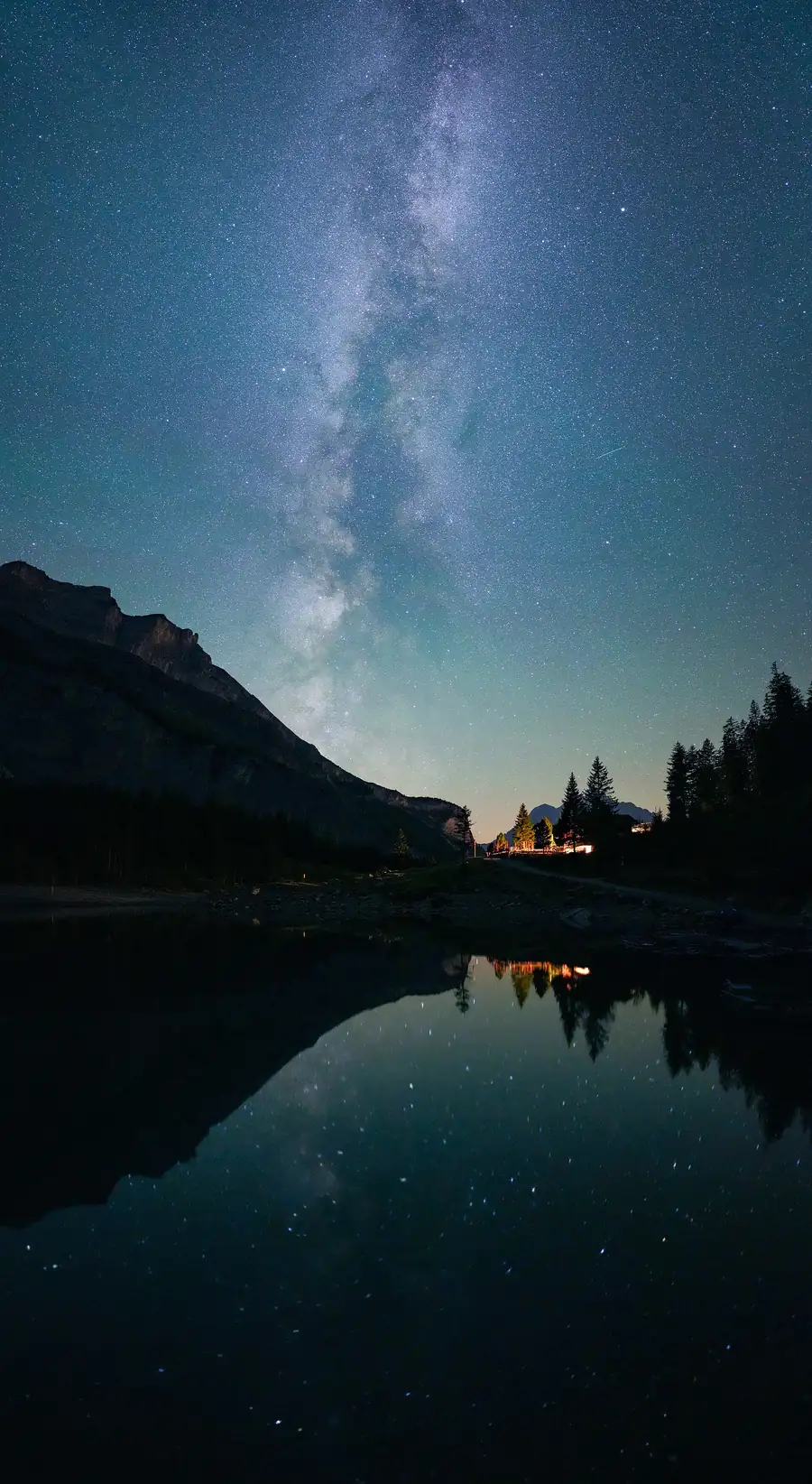
For locking down long exposures of the Milky Way or a 5-minute landscape shot at f/16, this tripod handles wind better than any of the lighter options. Slow shutter speeds need a stable platform — vibration ruins more astrophotography shots than any other variable.
 Save
SaveHow to choose: matching the tripod to how you shoot
Pick by use case, not by spec sheet. Most photographers buy more tripod than they need.
Travel-only with carry-on luggage: Peak Design Travel Tripod CF. The folded size matters more than absolute stability for this use case, because the difference between 9 kg and 12 kg load capacity is irrelevant if your heaviest setup is 4 kg.
Mixed travel and serious landscape: Peak Design or 3 Legged Thing Punks Brian 2.0. Both balance weight, height, and capacity well. The 3 Legged Thing wins if you sometimes shoot wildlife and want the monopod option.
Career landscape with telephoto: Benro Mach3 9X or Gitzo Mountaineer. The Mach3 wins on capacity per dollar; the Gitzo wins on reliability over 15 years.
Astrophotography: Benro Mach3 9X. The 9-layer carbon, mass, and load capacity matter most when you’re shooting 4-minute exposures and the slightest sag ruins the frame. Pair it with a sky tracker. Read our ISO and noise control guide for the exposure planning side.
First serious tripod under $250: Neewer LT32. Doesn’t quite hit the build quality of the others, but it’s a real carbon tripod with a ball head for the price of a kit lens hood.
Ball head, gimbal, or geared head?
The tripod is half the system. The head matters too. A ball head is right for 90% of photography — fast to adjust, locks at any angle, compact. The Peak Design and Neewer include heads. For the Gitzo and 3 Legged Thing, budget another $200-400 for a quality head.
If you shoot wildlife with a 600mm, you want a gimbal head. The 3 Legged Thing AirHed Cine works at the budget end; Wimberley WH-200 is the gold standard. If you shoot architecture or macro and need precise micro-adjustments, look at geared heads from Arca-Swiss or Manfrotto. For everything else, a quality ball head with Arca-Swiss compatibility wins.
Field-care notes for carbon tripods
Carbon doesn’t corrode but the hardware does. After every coastal or beach shoot, rinse the leg sections with fresh water and let them air-dry fully before retracting. Salt that gets inside the leg sections destroys twist-lock threads within a season if ignored. Lubricate the lock threads annually with a silicone-based grease — not WD-40, which attracts grit.
Carbon legs scratch but rarely break. The breaking point is usually the head plate or center column collar, which are aluminum on every model here. If you drop your tripod, inspect the head and column connection first.
The right tripod stops being a piece of gear you think about and starts being a tool that disappears. Buy once, use it for fifteen years, and the cost per shoot eventually rounds to zero. The five tripods above are the ones I’ve watched working photographers actually keep, rather than the ones that get rebought every two years.