The Complete Beginner Photography Kit Under $500
You do not need to spend $3,000 to take great photos. This guide builds a complete, capable photography kit for under $500 — every item recommended here has been tested against gear costing 5x more.
For the underlying mechanics behind every choice below, our aperture photography guide is the fastest way to get fluent.
The Kit at a Glance
| Item | Our Pick | Price | Why |
|---|---|---|---|
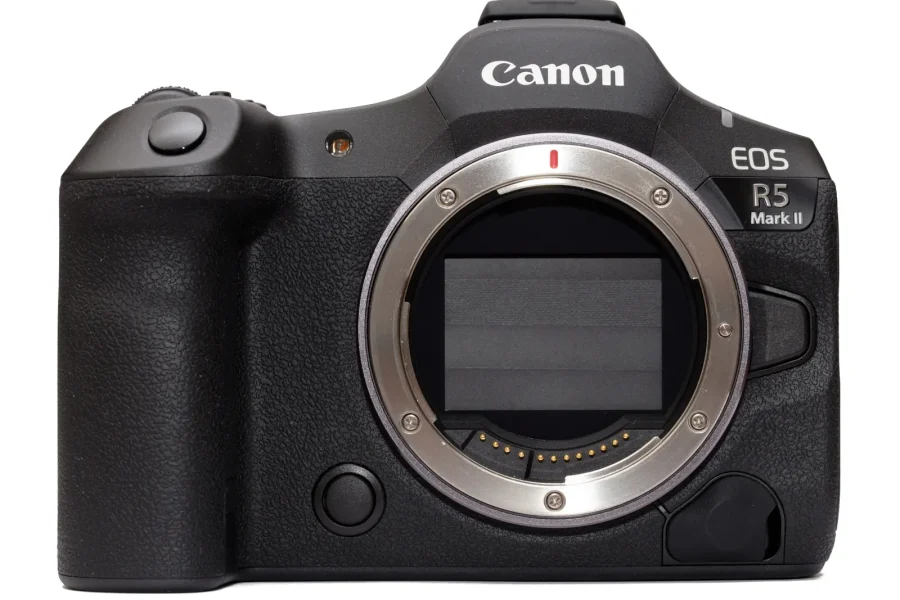
| Camera Body | Canon EOS R50 | $479 (refurbished) | Best AF in class, 4K video, lightweight |
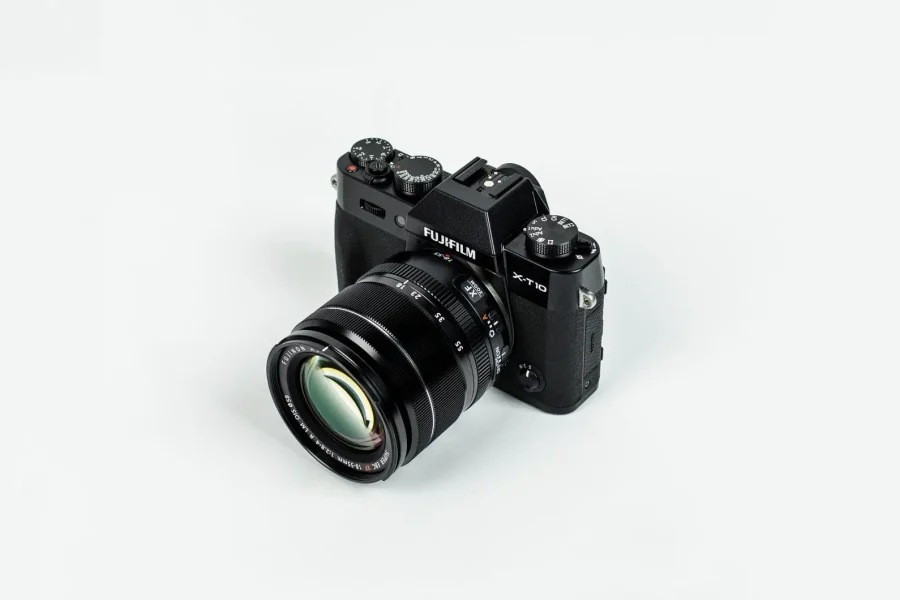
| Alt: Camera Body | Nikon Z50 (used) | $350-$400 (used) | Excellent ergonomics, sharp kit lens included |
| Memory Card | SanDisk Extreme 128GB V30 | $15 | Fast enough for burst shooting and 4K |
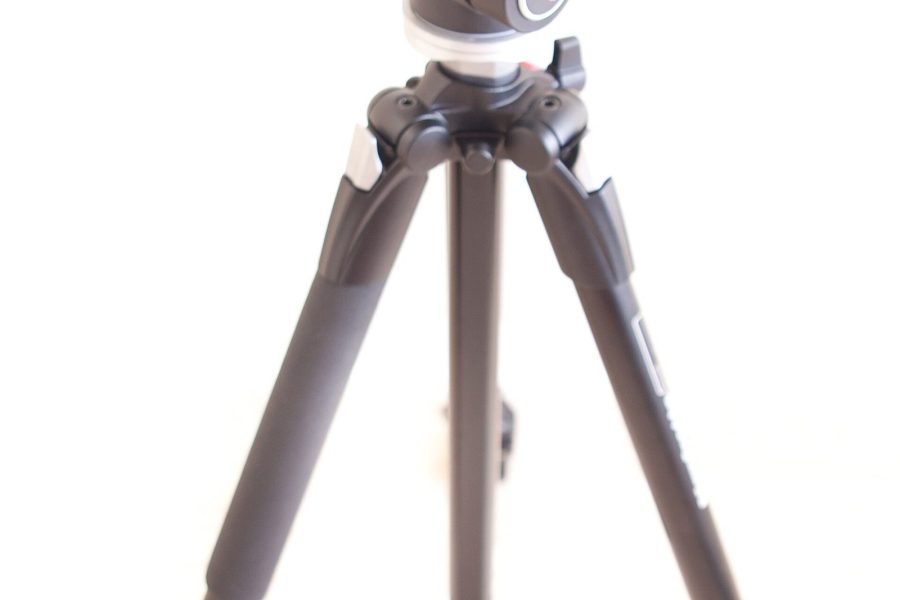
| Tripod | Amazon Basics 60″ Lightweight | $23 | Decent for landscapes and long exposure |
| Camera Bag | Lowepro Adventura SH 140 III | $30 | Fits body + 2 lenses + accessories |
| Extra Battery | Wasabi Power LP-E17 (2-pack) | $22 | Half the price of Canon brand, same performance |
| Cleaning Kit | Altura Photo Cleaning Kit | $12 | Blower, microfiber cloth, lens pen |
Total: ~$480 (with R50 refurbished) or ~$450 (with used Z50)
 Save
SaveWhy These Cameras
Canon EOS R50 — Our Top Pick
- Sensor: 24.2MP APS-C CMOS
- Autofocus: Dual Pixel CMOS AF II with Eye AF for people, animals, and vehicles — same AF system as $2,500 cameras
- Burst rate: 15fps electronic, 12fps mechanical
- Video: 4K 30p, 1080p 120p slow motion
- Weight: 375g body only — lighter than most phones with a case
- Kit lens: RF-S 18-45mm f/4.5-6.3 IS STM ($99 if bought separately)
The R50 replaced the EOS M50 Mark II as Canon’s entry camera. The autofocus alone justifies the price — Eye AF tracking that works in low light is something that cost $6,000+ just five years ago.
Nikon Z50 — Best Used Value
- Sensor: 20.9MP APS-C CMOS
- Autofocus: 209-point hybrid AF with Eye-Detection
- Burst rate: 11fps
- Video: 4K 30p
- Ergonomics: Deeper grip than any competitor — feels like a real camera, not a toy
- Used market: Widely available at $350-$400 with kit lens
Your First Three Lens Upgrades (When Budget Allows)
| Lens | Price | What It Does | Buy When |
|---|---|---|---|
| Canon RF 50mm f/1.8 STM | $199 | Portraits with beautiful background blur | Month 2-3 |
| Sigma 16mm f/1.4 DC DN | $399 | Wide angle, night sky, interiors | Month 4-6 |
| Canon RF-S 55-210mm f/5-7.1 | $349 | Wildlife, sports, travel telephoto | When needed |
The 50mm f/1.8 (called the “nifty fifty”) should be your first lens purchase after the kit lens. At f/1.8, it lets in 8x more light than your kit lens at f/4.5, and the shallow depth of field transforms portrait quality. It is the single biggest image quality upgrade per dollar in photography.
Free Software to Start With
- darktable — Free, open-source Lightroom alternative. 90% of Lightroom’s features.
- RawTherapee — Another free RAW editor. Better highlight recovery than darktable.
- GIMP — Free Photoshop alternative for retouching.
- Google Photos — Free basic editing, unlimited storage at “storage saver” quality.
When you are ready to upgrade, the Adobe Photography Plan ($9.99/month) gives you Lightroom Classic + Photoshop. And if you want to speed up your editing, check our preset packs.
What NOT to Buy as a Beginner
- UV filters for your lens. Modern lens coatings are better than a $20 filter. Save your money.
- A camera bag backpack. Start with a basic shoulder bag. Backpacks encourage overpacking.
- Lens hoods (separately). They come included with most lenses.
- Photography courses over $50. YouTube has thousands of hours of free tutorials that are better than most paid courses.
Frequently Asked Questions
Is a mirrorless camera better than a DSLR for beginners?
Yes, in 2026 mirrorless is the clear winner for beginners. The electronic viewfinder shows you the exposure before you shoot (WYSIWYG), autofocus is more accurate, the cameras are lighter, and all new lens development is mirrorless-only. DSLRs are a dead-end platform.
Should I buy a camera or use my phone?
If you own an iPhone 15 Pro or Samsung S24 Ultra, your phone takes very good casual photos. Buy a dedicated camera when you want: (1) shallow depth of field/bokeh, (2) better low-light performance, (3) interchangeable lenses for different situations, (4) RAW files for serious editing, or (5) to develop photography as a skill or career.
SaveWhat memory card size do I need?
128GB is the sweet spot. A 24MP camera shooting RAW produces ~25MB files. That is about 5,000 photos per 128GB card. Unless you shoot video heavily, 128GB lasts weeks. Get a UHS-I V30 card minimum for reliable burst shooting.
Do I need a tripod as a beginner?
Not immediately. Modern cameras have excellent image stabilization. Get a tripod when you want to shoot: long exposures (waterfalls, night sky, light trails), landscapes at f/11+ in low light, self-portraits/group photos with a timer, or real estate/architecture photography.
What is the best first lens to buy?
Start with the kit lens (18-45mm or 16-50mm). Your first additional lens should be a 50mm f/1.8 or 35mm f/1.8 prime. Primes teach you composition by forcing you to move your feet, and the wide aperture opens up portraiture and low-light shooting.