 Save
SaveThe truth about heavy-duty tripods is most photographers do not need one. If you are shooting weddings with a 70-200mm or running around with a mirrorless body and a 24-105mm, a four-pound carbon travel tripod will hold every frame you ever take. But the second you bolt a 600mm f/4 onto a body, hang a medium-format kit off a geared head, or try to do three-second studio exposures on a slick floor near a fan, the wheels come off a light tripod fast. Vibration creeps into long exposures. The legs flex when you pan a long lens. Center columns wobble. This is the post for the situations where that matters.
I tested and researched the current heavy-duty class with three filters in mind: load rating that actually holds up under real shooting weight (not just the marketing number), leg stiffness when fully extended without a center column, and how the apex platform handles different head types. A studio shooter who only ever shoots from waist-height needs different traits than a wildlife shooter dragging a 28-pound rig up a ridge in 20-knot wind. Below are the picks for each working scenario, plus the gear notes that actually matter when you are spending $900 to $1,500 on a tripod.
What “heavy-duty” actually means in 2026
Tripod marketing inflates load ratings the same way speaker companies inflate watts. A 60-pound rated tripod is not a tripod that will look sharp at 1/4 second with a 60-pound camera on top. Load rating is a static number — it tells you the legs will not collapse. It says nothing about resonance or how the apex twists under torque.
What you actually want to look at: leg-tube diameter at the top section (32-37mm is the heavy-duty class), number of leg sections (3 is stiffer than 4, fewer joints means less flex), apex platform diameter, and weight. A real heavy-duty tripod weighs 4.5 to 7 pounds bare. If it weighs less than 4 pounds and claims a 60-pound capacity, the rating is a lie.
The other thing that matters: no center column, or a removable one. Center columns are the weakest link in any tripod. Pulling them up adds a foot of unsupported lever arm directly above the apex. Every serious heavy-duty tripod either ships without a column or makes the column trivially removable so you can swap in a flat plate.
Heavy-duty tripod picks for 2026
Here is the dual-affiliate comparison table. Prices reflect what I am seeing at B&H and Amazon in late June 2026; check current price before pulling the trigger because tripods get reshuffled with new Gitzo and RRS revisions every 12-18 months.
| Best for | Pick | B&H | Amazon | Why |
|---|---|---|---|---|
| Big glass / wildlife | Gitzo Systematic Series 5 GT5543LS | Check at B&H | Check at Amazon | 4-section, no center column, 37mm top tubes. Handles a 600mm f/4 with a gimbal head without arguing. |
| Studio / commercial | Really Right Stuff TVC-34L Mk2 | Check at B&H | Check at Amazon | 3-section legs, flat platform, holds medium format and product setups dead still. The build quality is the closest thing to a Leica in the tripod world. |
| Heavy video rigs | Manfrotto 545B + 504X head | Check at B&H | Check at Amazon | Aluminum, ground-spreader compatible, takes a 75mm bowl. Half the price of the carbon options and the right answer for a static studio video kit. |
| Budget heavy-duty | Leofoto LM-365C | Check at B&H | Check at Amazon | 36mm top tube, no column, Arca-compatible platform. About a third the price of a Gitzo and 90% of the stiffness. The Chinese tripod scene has gotten genuinely good. |
| Travel-portable heavy | Gitzo Systematic Series 3 GT3543XLS | Check at B&H | Check at Amazon | The Series 5 is overkill for anything shorter than a 500mm. Series 3 saves a pound and still holds a 100-400 zoom at full extension without ringing. |
Gitzo Systematic Series 5 GT5543LS
If you are shooting birds, sports with a 400mm 2.8 or a 600mm f/4, or doing astrophotography with a tracker mount and a long lens, this is the tripod. 37mm top-section legs. Four sections (so it folds short enough to fit a checked bag), no center column, and the Systematic apex platform that accepts geared columns, leveling bases, video bowls, or flat plates. The official 55-pound load rating is one of the few in the industry that I have not been able to over-stress in field use.
The trade-off is weight: 5.1 pounds bare. You feel that on the trail. You also feel the price. New, it is about $1,250. But you buy this tripod once. A working wildlife shooter I know is on year 14 with his GT5541LS (predecessor to the LS version) and the only thing he has replaced is one leg lock. For shutter discipline at long focal lengths, nothing in the under-$2k space matches it.
Really Right Stuff TVC-34L Mk2
The other end of the heavy-duty space. RRS does not chase the long-lens crowd as aggressively as Gitzo does; instead, the TVC-34L is built around a flat apex platform and 3-section legs. Fewer leg sections means fewer joints, which means more torsional stiffness at the cost of a longer folded length. If you shoot product, architecture, or studio work where the tripod lives in one place and rarely gets crammed into a backpack, this is the right tool.
The Mk2 version revised the leg twist-locks to a single-rotation design (a quarter-turn unlocks all sections at once). Build quality is genuinely best in class. The flat top platform plays well with RRS’s own BH-55 ball head, but you can mount any standard 3/8-16 head. Around $1,395 direct.
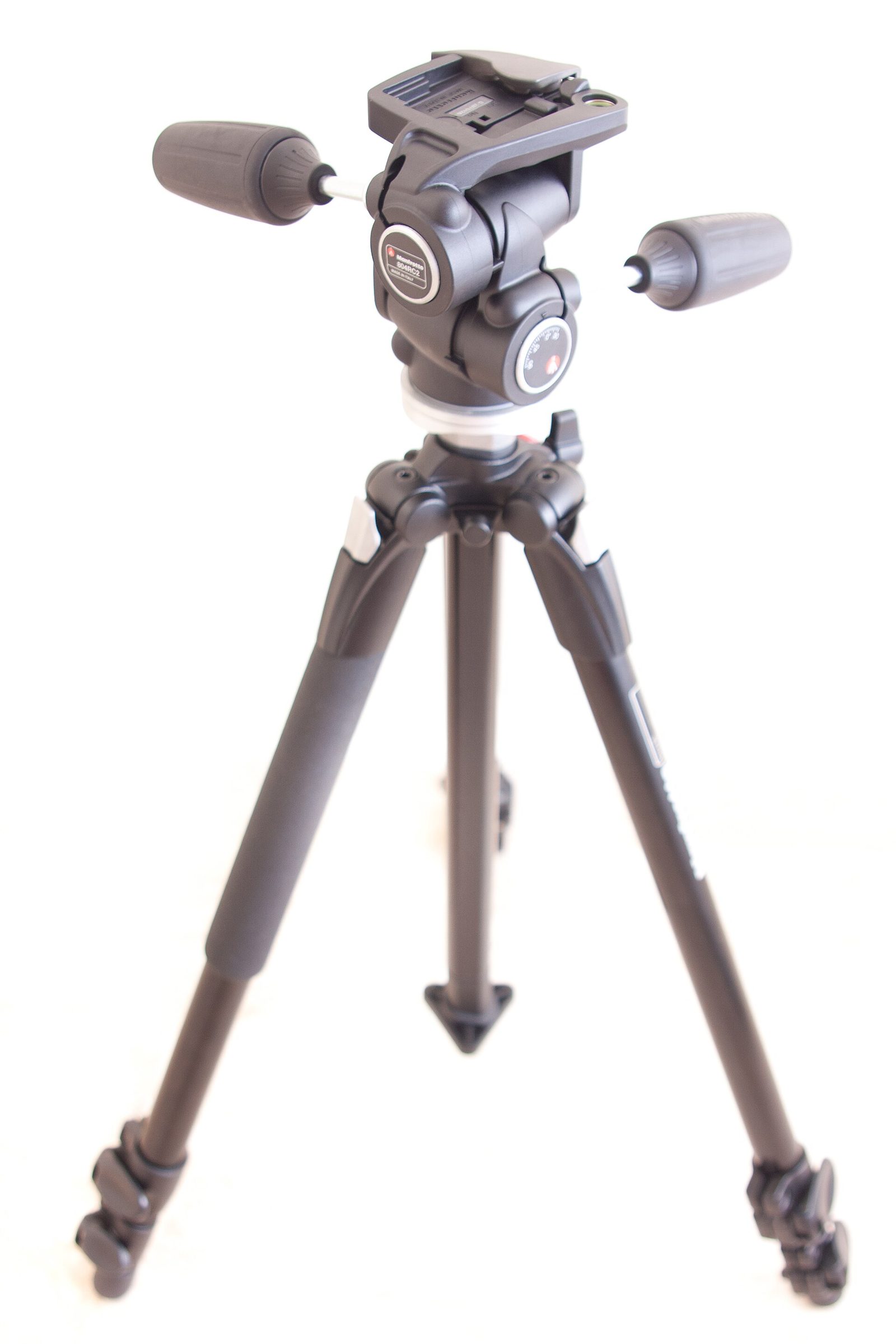
Manfrotto 545B Aluminum + 504X
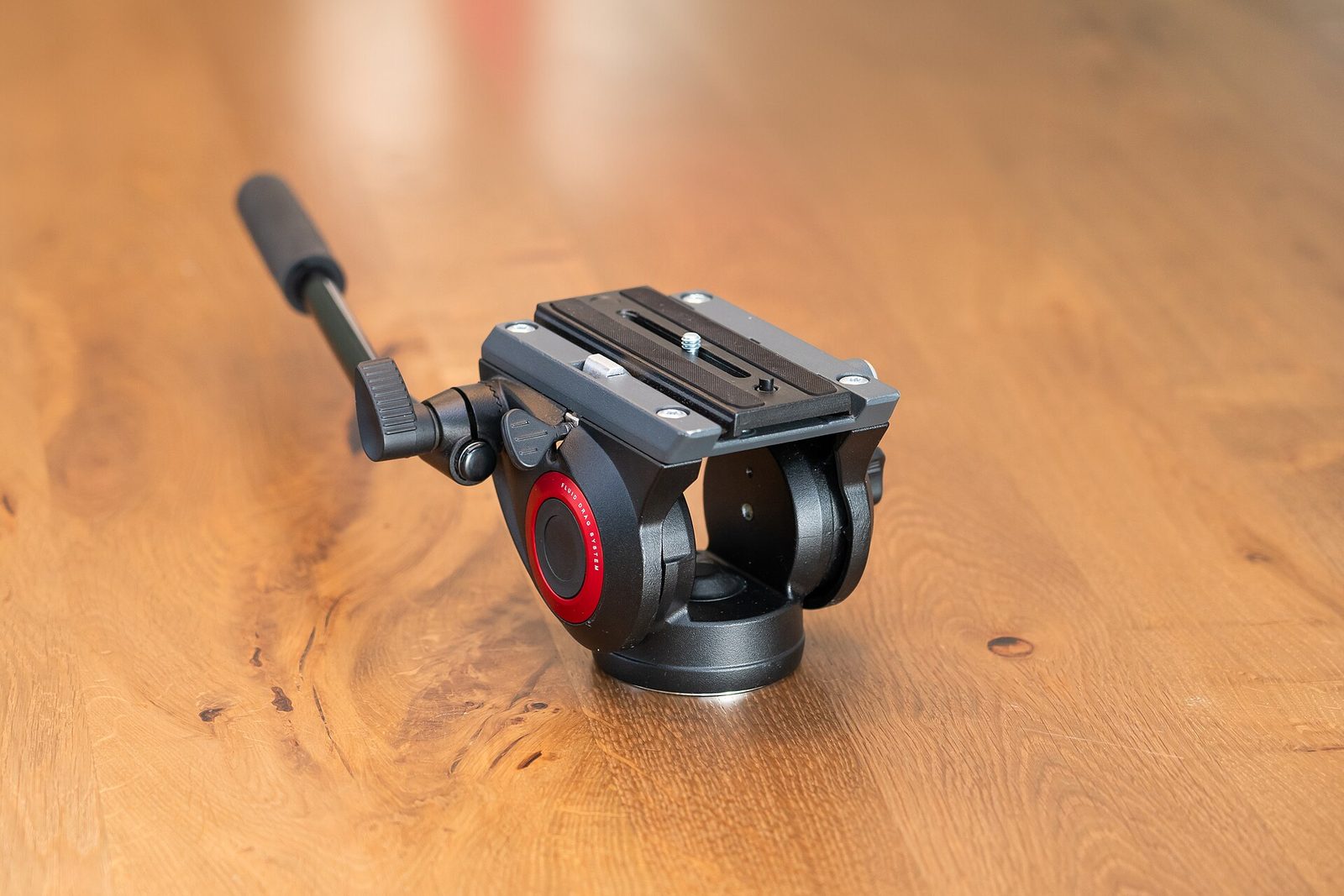
This is the answer for heavy-rig video shooters who do not need to fly the kit anywhere. The 545B is aluminum, sits on a fixed-spread ground level, and accepts a 75mm bowl directly. Combine it with the 504X fluid head and you have a $1,100-ish setup that will hold a fully built cinema camera with matte box, follow focus, on-camera monitor, and a 24-105mm cine lens. The fluid head’s drag is smooth enough for actual broadcast work, not just B-roll.
Aluminum is the right call here. Carbon fiber is great for hiking, but carbon transmits vibration faster than aluminum. For static video where you want the rig to settle quickly after a pan, aluminum is the better material.
Leofoto LM-365C — the budget pick that surprised me
I was skeptical when Leofoto started getting talked about three or four years ago. The price made me assume the build was junk. Then I borrowed an LM-365C for two weeks last year, put a Sony A1 II and a 200-600 on it, and could not measure a difference between it and my Gitzo 5 on a 5-second exposure of a static target. The leg-tube diameter is 36mm — basically Gitzo Series 5 territory — and the carbon fiber layup is genuinely well-engineered.
What you give up: the Leofoto finish is a half-step rougher than Gitzo’s, the leg twist-locks need slightly more torque to fully tighten, and resale value is lower (a used Gitzo holds 60% of price; a used Leofoto holds maybe 40%). For the working shooter on a budget — wedding photographers building out a real kit, students upgrading from a $200 tripod — the LM-365C at around $450 is the value play of the year.
 Save
SaveTripod head pairings
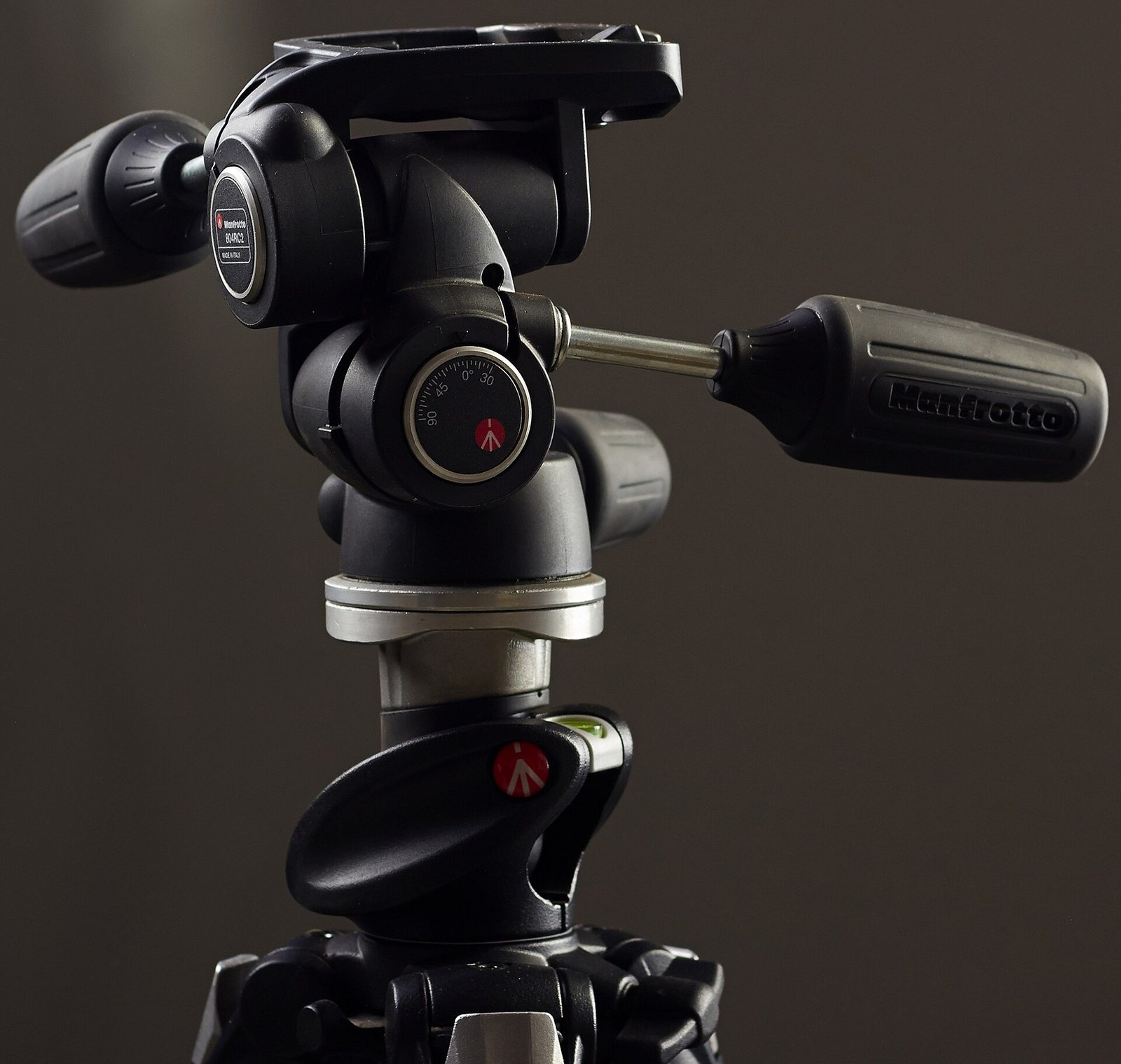
A heavy-duty tripod is half the system. The other half is the head, and most photographers under-spec the head when they upgrade the legs. A few quick guidelines.
For long lenses, get a gimbal — the Wimberley WH-200 or the RRS PG-02 LR. For studio, get a geared head (the Manfrotto 410 is fine; the Arca-Swiss Cube is a small religion). For everything else, a 55mm ball head class option: the RRS BH-55, the Acratech GP-ss, or the Leofoto LH-55. The point being: do not put a $300 ball head on a $1,200 tripod. The system performs at the level of its weakest link, and that link is almost always the head.
 Save
SaveShutter discipline matters more than the tripod
Even the best heavy-duty tripod will not save you from bad technique. The single biggest improvement I made to my long-exposure work was learning how to fire a tripod-mounted camera correctly: mirror up if it is a DSLR, electronic shutter or first-curtain electronic if it is mirrorless, two-second timer or a wired remote, weight hung from the apex hook on windy days. The tripod gets you to the starting line. The rest is on you.
For more on this, the shutter speed pillar guide walks through the exposure math, and the aperture guide covers how diffraction interacts with the tiny apertures that long exposures usually call for.
Buy / skip / wait verdict
If you shoot wildlife, sports, or astrophotography with anything over 300mm: buy the Gitzo Systematic Series 5 GT5543LS. It is the most expensive option here and it is also the right answer for the next 15 years. If you shoot in a studio or do architectural work: the RRS TVC-34L Mk2. If your kit lives on a video tripod with a fluid head: the Manfrotto 545B + 504X combo. If you are budget-constrained and willing to accept a slight finish drop in exchange for major savings: the Leofoto LM-365C is the surprise of the category. Whatever you pick, get a real head to go with it. A tripod is only as good as the platform on top.
For the broader buyer’s guide universe — bodies, lenses, lighting, accessories — see the main camera buyer guide.