
Real estate photography does not require the most expensive gear on the market. It requires the right gear: specific tools that address the actual challenges of shooting in spaces you do not control, with lighting you cannot always predict, on a schedule that does not allow extended setup time. This is a working gear list, not a wish list. Everything here earns its place by solving a real problem that comes up on most shoots.
Camera Body: What to Look For
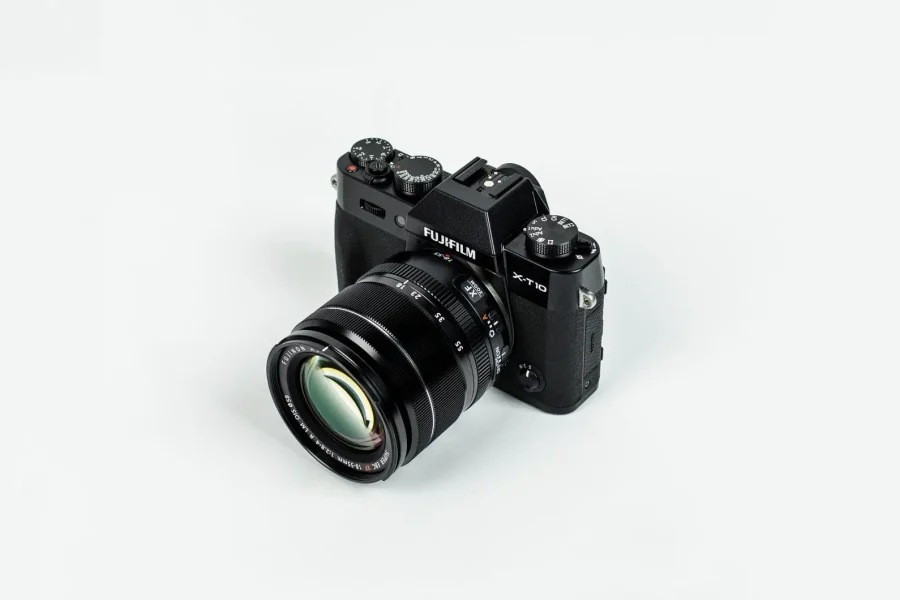
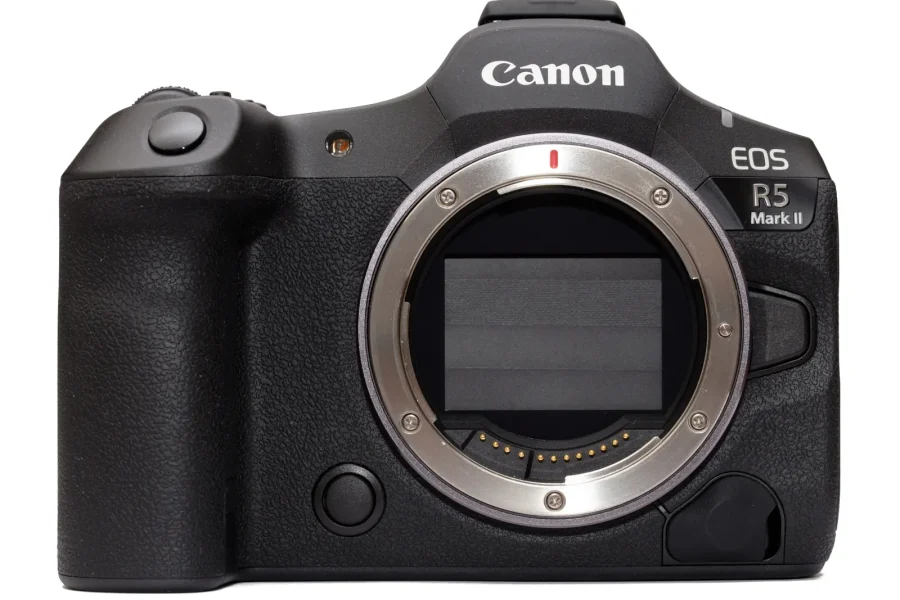
Real estate photography does not push camera bodies to their performance limits the way sports or wildlife photography does. You are shooting stationary or slow-moving subjects on a tripod for most of the work. The camera characteristics that actually matter are dynamic range, high-ISO performance for occasional handheld or dim shooting, and reliability.
Full-frame sensors have a meaningful advantage in dynamic range over APS-C for interior work. The ability to recover 3-4 stops of overexposed window detail from a single RAW file is what makes the aperture-and-window blending workflows described elsewhere in this guide possible. Crop sensors can produce good real estate photos, but the headroom for window recovery is narrower.
Current bodies well-suited to real estate work (2026): Sony A7 IV, Sony A7C II, Nikon Z6 III, Canon EOS R6 Mark II. All offer full-frame sensors with strong dynamic range, reliable autofocus, and compatibility with wide-angle lenses that cover the focal length range real estate requires. Mid-range mirrorless options in the $1,500-$2,500 body price range are the practical target for working photographers in this genre; you are not gaining much for real estate purposes from a $4,000+ body.
Lens: The Most Important Gear Decision
The lens matters more than the camera body for real estate photography. Specifically: you need a wide-angle zoom that covers 16-35mm (full-frame equivalent) with good corner sharpness at f/8, minimal distortion, and reliable optical quality across the frame.
Corner sharpness is critical because real estate compositions place important architectural details in the corners of the frame: baseboards, crown molding, door frames. A lens with soft corners at f/8 will produce images where these details look blurry, which does not look professional even when the center of the frame is sharp.
Distortion matters because straight horizontal and vertical lines, walls, floors, ceilings, door frames, are everywhere in architectural photography. Severe barrel distortion requires significant correction in post and degrades image quality at the edges. A well-corrected wide-angle with a Lightroom lens profile applied requires minimal manual transformation work per image.
The Sony FE 16-35mm f/2.8 GM II (B&H) is the current benchmark for Sony shooters: exceptional corner sharpness at f/8, well-controlled distortion, and compact enough to carry all day. For Nikon Z users, the 17-28mm f/2.8 is a strong lightweight option. Canon RF shooters have the RF 14-35mm f/4L, which is lighter and more affordable if maximum aperture is not a priority.
Tripod: Non-Negotiable
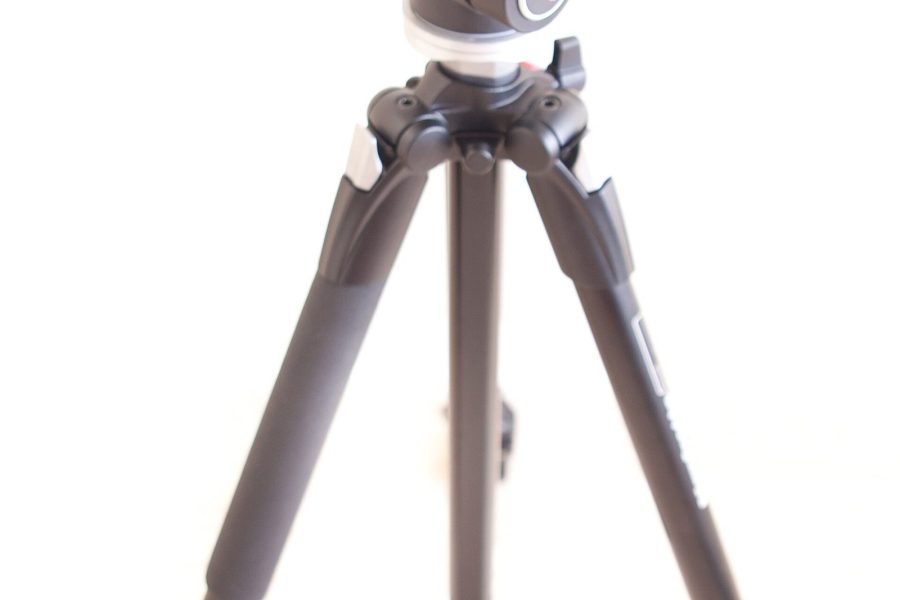
A sturdy tripod is not optional for professional real estate work. Interior exposures at base ISO and f/8 often require 1-4 second shutter speeds, which are impossible to shoot handheld with acceptable sharpness. Twilight and exterior HDR brackets require a tripod to keep alignment between frames precise enough for clean blending in post.
What to look for in a real estate tripod: height extension to at least 60-65 inches (eye level or higher for standard room shots), carbon fiber or solid aluminum construction for stability, and a ball head with a pan lock for quickly leveling and recomposing between shots. Weight matters if you are carrying it in and out of multiple properties per day: a 3-4 pound carbon fiber tripod is significantly easier to work with all day than a 6-7 pound aluminum model with the same stability specs.
A bubble level on the tripod head or a hot shoe-mounted level prevents the slanted horizon problem that is common in handheld-style setups. Straight floors and walls require a level camera, and eyeballing it on every shot is slower and less accurate than a reference level.
Lighting: Flash or Natural Light?
Real estate photographers fall into two camps on artificial lighting: those who use flash (typically off-camera speedlights or strobes) to supplement or replace ambient light, and those who work entirely with available light and handle exposure in post. Both approaches are used professionally. The choice affects what gear you carry.
Available light (no flash)
Working with available light requires no additional lighting gear, which keeps the kit minimal and setup time fast. The trade-off: very dark spaces without natural light (interior bathrooms, basement rooms, windowless storage areas) are difficult to photograph well without supplemental light. A single portable LED panel (500-1000 lux output) used as a fill light for these dark spaces is a minimal addition that solves most of the edge cases.
Speedlights or strobes
Flash-based real estate photography uses one or more off-camera speedlights or studio strobes placed strategically around a room to supplement ambient light. The results can be exceptional: consistent, even lighting that makes every room look well-lit regardless of actual natural light levels. The trade-off: setup time increases significantly (5-10 minutes per room versus 30-60 seconds for available light), and the equipment load is heavier.
For photographers shooting 3-5 properties per day on tight schedules, flash setups often slow the workflow more than the quality improvement justifies. For luxury property specialists shooting fewer, higher-value assignments, flash lighting is often worth the setup time.
What to Skip
Several accessories are commonly recommended for real estate photography but do not earn their place in a working photographer’s bag:
- Tilt-shift lenses: useful for architectural work requiring perfect perspective correction in-camera, but expensive ($2,000+) and largely replaceable by Lightroom’s Transform tools for standard real estate deliverables.
- Multiple light stands and triggers: necessary for a full flash setup but unnecessary for available light or single-fill-light workflows.
- Extremely wide fisheye lenses: the distortion that makes fisheye lenses interesting in artistic contexts looks wrong in listing photography and creates significant extra correction work in post.
- Matterport 3D cameras: useful if you are actively selling 3D virtual tours as a service, but the $3,500+ upfront cost requires a specific business case to justify.
The best real estate photography kit is the one that lets you work efficiently across the full range of conditions a working day brings. Having the right wide lens, a solid tripod, a fast Lightroom preset workflow, and a backup card slot in the camera body covers 95% of what real estate photography requires. Everything else is optional depending on the specific services you offer and the market you serve.