Utah Photography Spots: 5 Field-Guided Locations
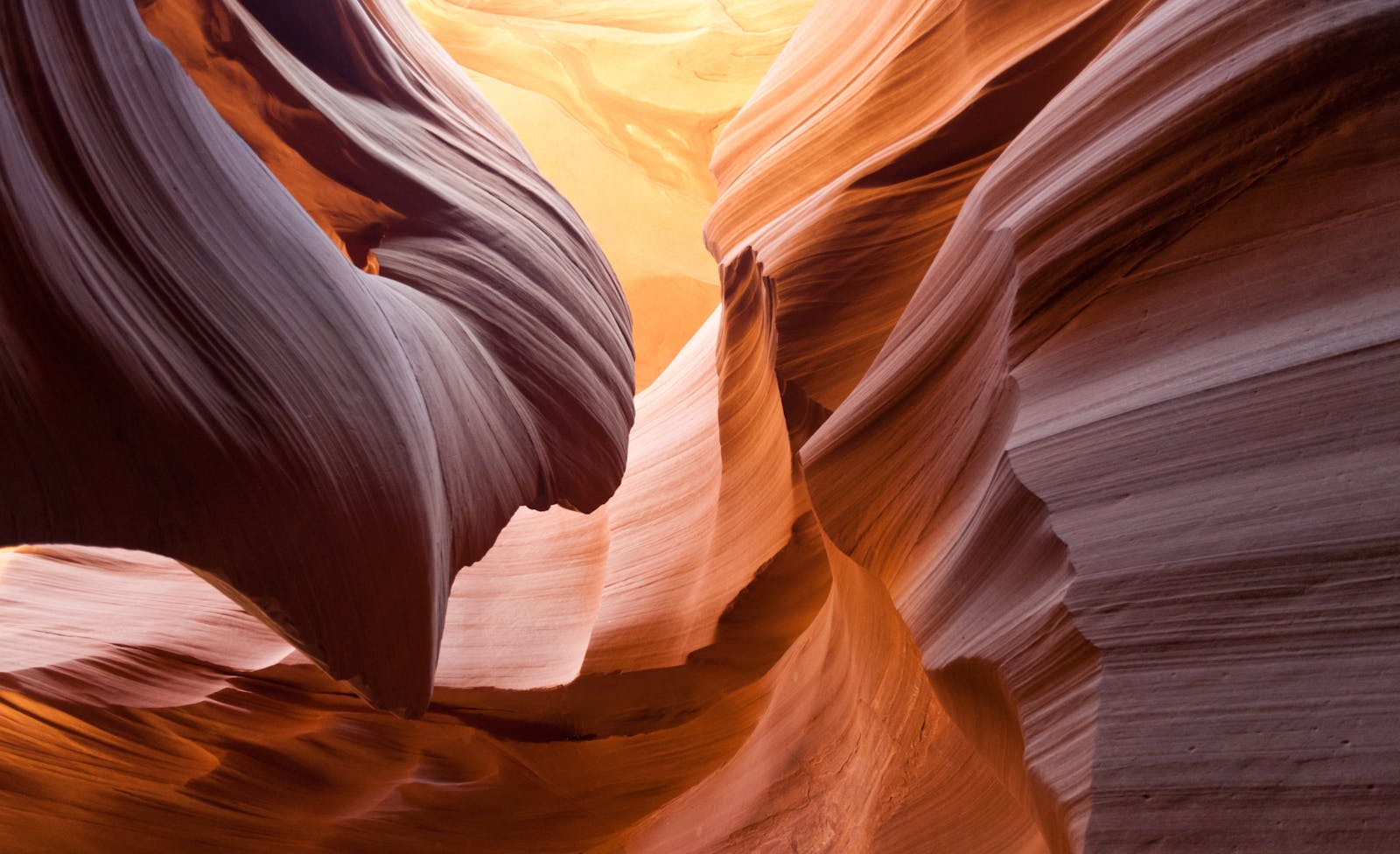
Utah is built for landscape work. Five national parks, the most concentrated red-rock formations on the continent, and almost no haze means edge-sharp detail from foreground to horizon. The trick here is timing — most of the best compositions need either first or last light to avoid blown highlights.
Photo Spots in Utah
Every spot below is a field guide — vantage point, best time of day, lens recommendation, parking and access notes. Click through for the full breakdown including GPS coordinates and gear specifics.
Arches
Bryce Canyon
Canyonlands
Zion
Photography Technique for Utah Conditions
Most Utah compositions reward a deliberate technical setup. For landscape work in the harder light here, lean on sharp mid-range aperture at f/8-f/11 to keep both foreground and far ridges sharp. Bracket your exposures — the dynamic range in sunrise and sunset frames often exceeds what a single capture can hold. For darker scenes, control your noise floor through ISO discipline and consider shutter-speed control for water, clouds, and motion. Finish in Lightroom with restrained edits — most of these locations photograph better with subtle tone work than with heavy preset stacks.
What to Pack
Utah conditions favor a lightweight kit you can hike with, plus enough range to cover landscape and detail work. The combination below is what working travel photographers carry for trips like this.
- Sony A7 IV body at B&H — strong dynamic range for sunrise/sunset latitude
- Sony 16-35mm f/4 G at B&H — wide enough for sweeping landscapes, sharp corners
- Peak Design Travel Tripod at B&H — collapses small enough for carry-on
- K&F Concept ND Filter Kit on Amazon — long-exposure water and cloud work
- SanDisk Extreme Pro 128GB SD card on Amazon — backup cards for multi-day trips
- Utah photography tours and experiences on Viator — local guides who know the access and timing