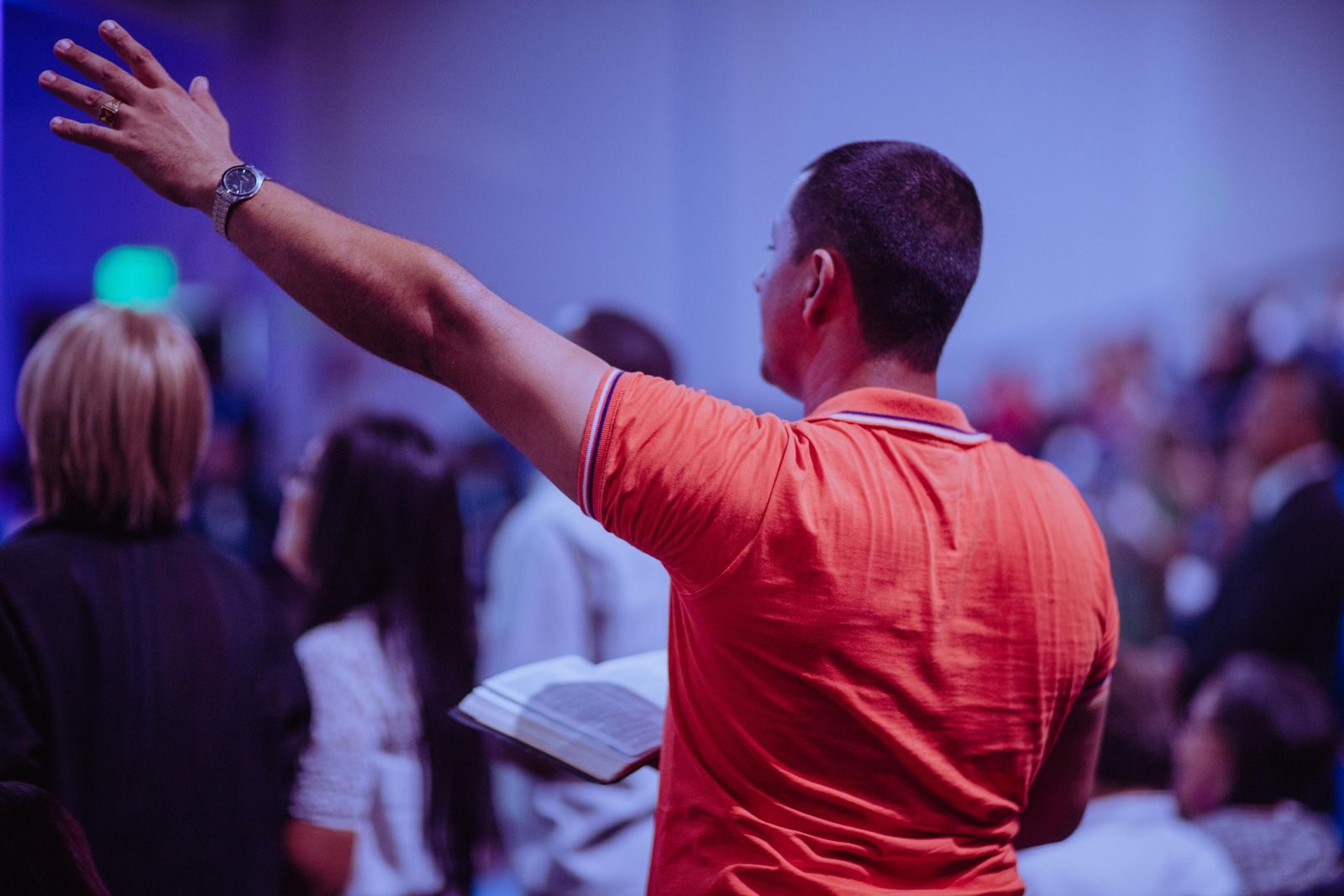
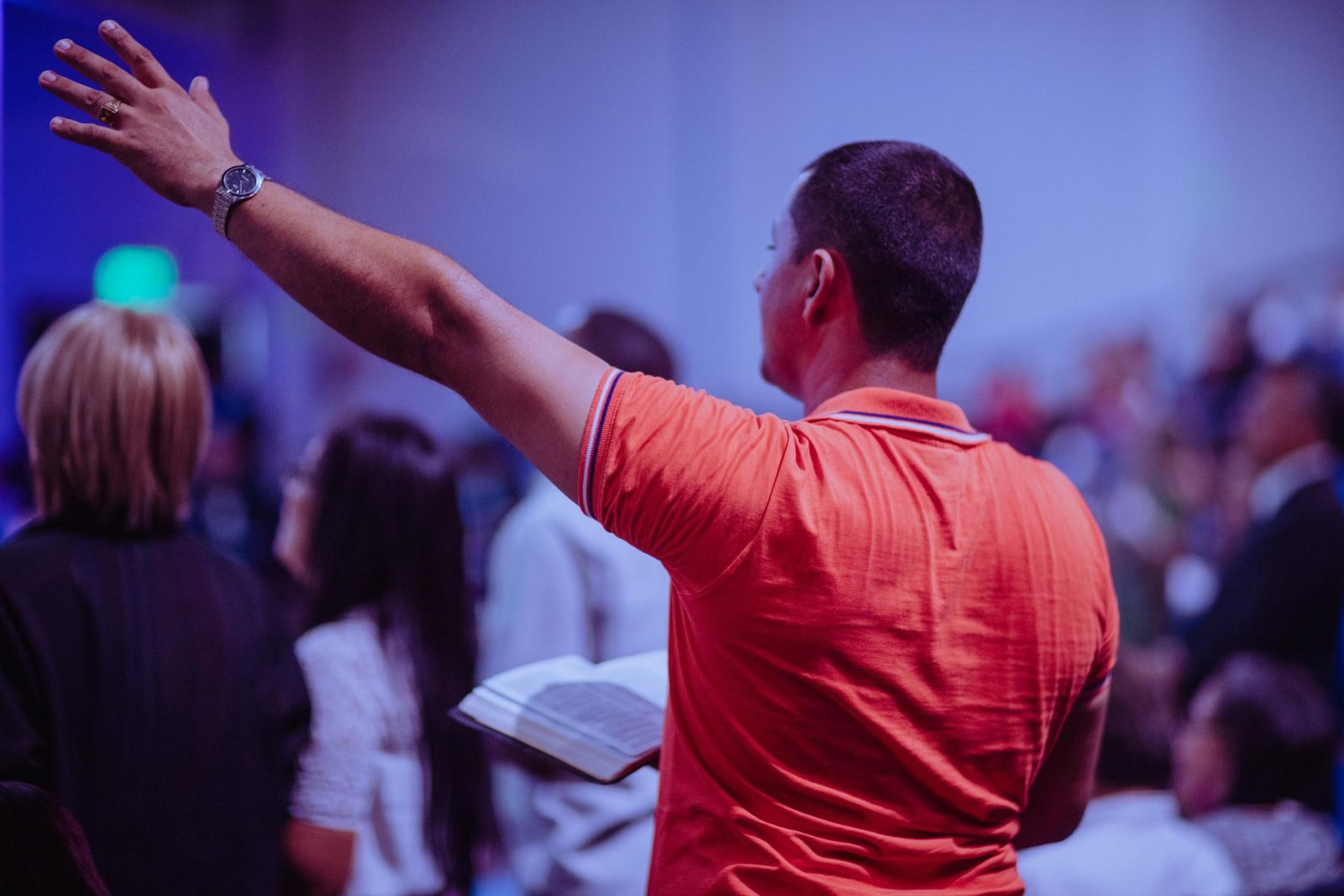
Event photography lives or dies on turnaround. The corporate client wants the keynote shots before the next morning’s board meeting. The conference wants the registration-day photos by lunch so the marketing team can post them. The festival wants nightly recap galleries so attendees share. If your delivery method is a Google Drive folder of zipped JPEGs and a long email chain, you’re losing repeat bookings to the shooter who delivered before breakfast.
SmugMug solves one half of the event problem — fast, branded, scannable gallery delivery. It doesn’t solve the capture or ingest side, which is still on you and your card-reader workflow. But the moment cards hit the laptop, SmugMug is the cleanest path between rough edit and client link.
Below is the working photographer’s breakdown for event work: how to structure galleries that 800 attendees can search, how to handle the per-event print question, and where SmugMug actually saves you versus where a generic cloud service is still cheaper.
Why event galleries are different from wedding or portrait galleries
A wedding gallery is one couple, one event, deep customization, white-glove polish. An event gallery is hundreds or thousands of attendees, none of whom you know by name, all of whom want to find themselves quickly. Scale is the difference. The gallery design has to handle search, navigation, and identity at volume.
SmugMug handles this with three platform features that don’t get talked about much. First, gallery search by filename — if you tag images during ingest, attendees can search for their name or their seat or their session title. Second, fast-thumbnail scrolling without progressive loading hits, which matters when someone is scanning 1,200 candid frames looking for themselves. Third, sub-gallery nesting up to four levels deep, so a three-day conference can split: day 1 / morning keynote / breakouts / reception, day 2 / morning keynote / lunch / awards, and so on.
Most generic cloud platforms collapse around 500 images per shared folder. SmugMug doesn’t. A standard SmugMug plan handles the volume an event shooter generates without resorting to splitting deliveries across multiple folders or zipping.
Structuring the gallery so attendees actually find themselves
The single highest-impact decision in event gallery setup is naming. If your folder hierarchy reads “Acme Corp Conference 2026 / Day 1 / Keynote / Candids / IMG_4571.jpg,” attendees give up. They’re scrolling for ten minutes looking for one photo of themselves at the speaker dinner. They’ll never share, never tag, never become a referral.
The fix is a session-and-time hierarchy. Build galleries by what happened, not by your shoot order. Acme 2026 / Keynote-Tuesday-9AM / Breakout-Sales-1030AM / Lunch-Noon / Awards-Reception-7PM. Attendees know what they attended and roughly when. They click into the right gallery, scroll through 200 frames instead of 2,000, and find their photo in under a minute.
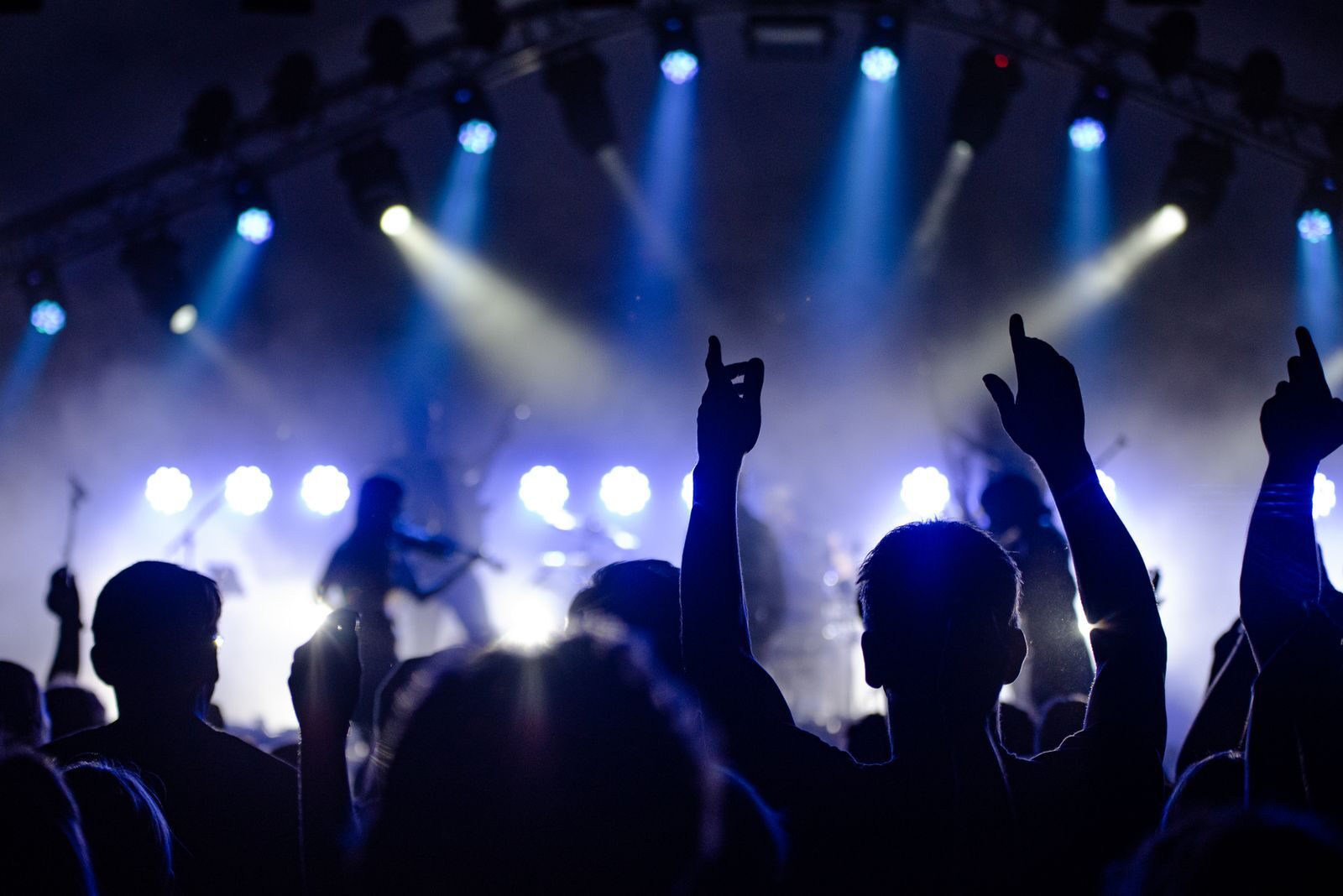
For corporate events with named speakers, build a top-level “Speakers” sub-gallery alongside the time-based galleries. Speaker bureau bookings and PR teams want one place to pull headshots and stage shots without scrolling through candids. Five-minute upload, hours saved on follow-up requests.
The watermarking-versus-shareability tradeoff
Event photography sits in a strange spot on the watermarking question. You want attendees to share — every social post is free marketing for the client and for you. You also want a watermark or a credit so when the photo travels, you travel with it. SmugMug’s built-in watermarking handles this gracefully: a small studio mark in the corner on previews and on social-sized downloads, no watermark on full-resolution downloads if those are gated behind a payment or a client password.
The right balance for most events is: small corner watermark on web previews (1280px social downloads), no watermark on full-resolution paid or password-protected downloads. Attendees grab the social size and post it — your mark travels. The client’s marketing team pulls the full-res via password — clean files for their use.
If the event contract includes print sales (popular for school events, sports leagues, and gala fundraisers), SmugMug’s print lab integration handles the fulfillment end. The attendee orders, the lab ships, you get a margin. Per-print margins are small, but on an event with 600 attendees and high engagement, the cumulative is real.
Speed-of-delivery: the workflow that wins repeat bookings
The corporate event client cares about one metric more than anything else: how fast they have shareable photos. If you can deliver a tight first-cut gallery within four hours of the keynote ending, you’re in a category by yourself. Most event shooters take 48-72 hours. The four-hour shooter gets the repeat booking and the recommendation.
SmugMug enables this because the upload, organize, and share workflow is fast. Ingest cards, run a Lightroom batch preset on the keynote folder (no major retouching, just exposure correction and a mild color profile), export to a watched folder, SmugMug auto-uploads in the background, gallery goes live. Send the client the link. They post in the next break. Total elapsed time: about two and a half hours if you’re practiced.
The harder version of this workflow includes tethered shooting from the keynote stage or backstage, with Capture One or Lightroom pushing frames live to a folder that syncs to SmugMug. Some event shooters running this setup deliver shots to the client’s social team within ten minutes of the keynote. That’s a different price tier, but the workflow scales from the same SmugMug base.
The gear behind a working event setup
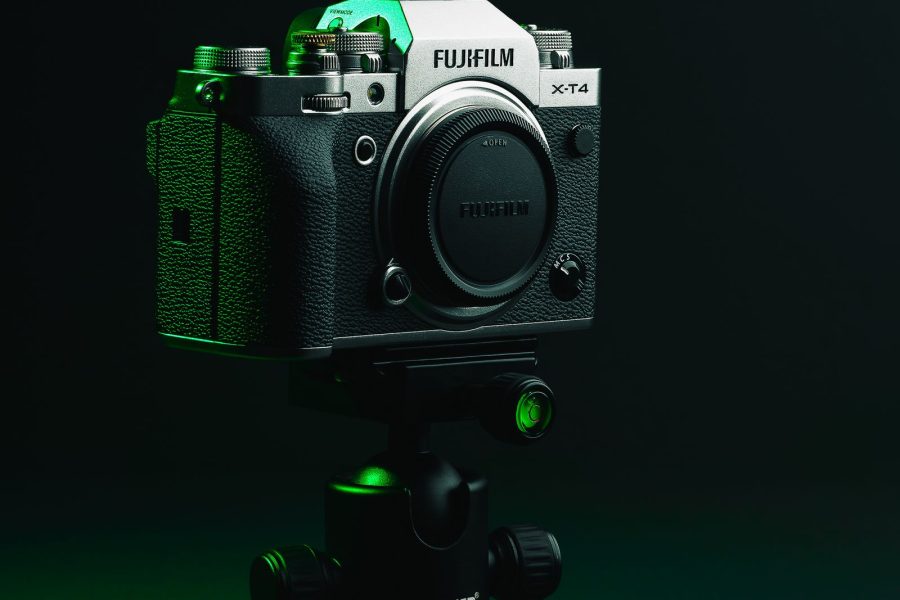
Events live on fast glass, fast bodies, dual card slots, and a backup. The gallery is the back end. The capture is still where the contract is won or lost. Below is the working stack for a one-shooter corporate or conference event in 2026 — fast standard zoom, fast telephoto, low-light prime, and a reliable speedlight for reception coverage.
| Best for | Pick | B&H | Amazon | Why |
|---|---|---|---|---|
| Standard zoom | Sony 24-70mm f/2.8 GM II | Check at B&H | Check on Amazon | Lighter than gen-1, faster AF, sharp wide open. Covers 80% of conference shots without lens swaps. |
| Stage telephoto | Sony 70-200mm f/2.8 GM II | Check at B&H | Check on Amazon | Stage compression at 200mm, fast enough for low keynote lighting, IS holds clean handheld at 1/60. |
| Low-light reception | Sigma 35mm f/1.4 DG DN Art | Check at B&H | Check on Amazon | f/1.4 saves the dim reception room without bumping ISO past 6400. Sharp wide open for candid framing. |
| On-camera flash | Godox V1 Pro | Check at B&H | Check on Amazon | Round head for softer bounce, fast recycle for back-to-back candids, magnetic mod system for quick gels. |
Pricing the SmugMug overhead into your event quote
Event shooters often underprice their delivery side. The keynote is 90 minutes, the breakouts another six hours, the reception another two — ten hours of shooting that produces 1,500 frames you have to edit, organize, and ship. The client sees the hour-rate. They don’t see the gallery hours.
SmugMug bills under $50/month on the photographer-pro tier. Amortize that across the events you shoot in a month — if you’re running two corporate events plus a few smaller bookings, the per-event delivery cost is a few dollars. The polish you get back — a branded gallery URL, attendee self-service, print sales, password protection — is worth significantly more than the line item on your invoice.
Build the gallery cost into the package as “client gallery and rapid delivery,” not as a line item. Clients don’t want to think about platform fees — they want to know how fast they can share photos with their VPs.
Where SmugMug falls short for event work
Tagging at scale is the weakest link. If your event runs 2,000 frames and you want attendees to search by name, you’ll be tagging by hand or running a third-party face-recognition tool that exports tags into SmugMug’s metadata. SmugMug itself doesn’t do face-recognition out of the box. For a small corporate event with named speakers, hand-tagging the speaker shots is enough. For a gala with 600 attendees who all want to find themselves, you’ll need a separate tool.
The mobile upload app is also weaker than the desktop sync. If you’re trying to deliver from the venue floor with no laptop, the workflow gets bumpy. Plan to ingest and upload from a laptop in a quiet room between sessions — not from a phone in the hallway.
Live tethered shooting needs a third-party bridge. SmugMug doesn’t have a native tethered capture mode. You’ll shoot tethered into Lightroom or Capture One, then sync that watched folder to SmugMug via a desktop client. Two extra steps, manageable, not invisible.
Tightening the workflow over a season
Build a gallery template once per event type — corporate keynote, gala, conference, festival — with the sub-folder structure already laid out. Clone the template at the start of each shoot, rename to the client and date, you’re ready to drop frames in. Five minutes of setup that you reuse for every booking.
Set up two Lightroom export presets that match your SmugMug download presets: “Event Web” (1920px, 80% quality) and “Event Full” (original resolution). When you batch-edit a keynote, export to both, let SmugMug auto-organize on the receiving side. The client sees the web gallery while the full-res is still uploading in the background.
For repeat clients, lock in a brand color and logo on the gallery once. Every event you shoot for them lands on a gallery that looks like theirs. The cumulative brand effect of three or four events in a year on the same gallery look is real, and it makes you the obvious pick when they hire next.
The exposure side — light shapes the keynote shot
None of the delivery polish saves a flat keynote shot. Event lighting is brutal — uplit stages, dim audiences, bright projected slides washing out faces. The fundamentals matter more than at any other genre except possibly concert work. ISO discipline at 6400-12800 with modern bodies handles the keynote dim. Shutter speed of at least 1/250 freezes the speaker mid-gesture without motion blur. Aperture wide open at f/2.8 isolates the speaker from a busy backdrop. Get the capture right and the gallery polish becomes a finishing layer, not a fix layer.
The verdict for event shooters
SmugMug isn’t built for events specifically — it’s built for galleries at volume, which happens to be most of what event delivery is. The shooters who get the most out of it treat speed of delivery as part of the service and structure galleries assuming attendees are searching, not scrolling. Build the template once, clone it per event, and the per-event delivery cost drops to about twenty minutes of setup plus the actual edit time.
If you’re an event shooter and your current delivery is zipped folders, generic Dropbox, or a slow custom WordPress gallery, SmugMug is worth a trial. Run one event through it — ideally a small corporate gig where the stakes are lower — and measure the speed-of-delivery delta. That single metric will tell you whether the platform earns its keep on your books.