Best Photography Spots in Channel Islands National Park: GPS Guide, Vantage Points & Permits
~15 min read · 2026-05-15 For practitioners, see our breakdown of linear gradient for skies.
shutyouraperture-20). Buying through these links costs you nothing extra and helps fund our free guides.
Channel Islands National Park is the Galapagos of North America — five remote Pacific islands off Santa Barbara sheltering endemic species and sea caves accessible only by boat. This is the working photographer’s field guide: 12 GPS-tagged vantage points, season-by-season light conditions, current 2026 entrance fees and permit requirements, wildlife safety distances, and the post-processing workflow that handles this park’s specific color challenges. The genre rewards photographers who arrive prepared — bring this guide, pin the coordinates before you leave home, and the logistics solve themselves.
Get the Channel Islands National Park Ultimate Photographer’s Guide
Every location below — pre-mapped with GPS, golden-hour timing, gear recommendations, cultural rules, and a 14-day itinerary. Downloaded by 200+ working photographers.
Quick map: 12 photography vantage points with GPS
The table below covers all 12 vantage points with GPS coordinates verifiable on Google Maps, recommended focal length, best time of day, and trail difficulty. Pin them to your phone before driving to the park — cell service is unreliable or absent at elevation in most of these parks. The list is ordered roughly as a photographer would work through a full day: establishing wide first, then mid-range compositions, then detail and wildlife.
| Vantage point | GPS (lat, lng) | Best time | Lens (mm) | Hike difficulty |
|---|---|---|---|---|
| Anacapa Island Arch Rock | 34.0145, -119.3626 | Sunrise / golden hour | 16-35mm, 24-70mm | Easy |
| Anacapa Seabird Colony (Western Anacapa) | 34.0046, -119.4291 | Morning (breeding season Mar–Jul) | 100-400mm, 70-200mm | Easy |
| Santa Cruz Island Smugglers Cove | 33.9991, -119.5558 | Sunset | 16-35mm, 24-70mm | Moderate |
| Santa Cruz Island Cavern Point | 34.0182, -119.72 | Golden hour / sunrise | 16-35mm | Moderate |
| Scorpion Anchorage (Santa Cruz) | 34.05, -119.71 | Morning | 16-35mm, 24-70mm | Easy |
| Santa Rosa Island Torrey Pine Grove | 33.8983, -120.1065 | Morning / golden hour | 24-70mm, 16-35mm | Moderate |
| Santa Rosa Island Carrington Point | 33.9937, -120.1232 | Morning | 70-200mm, 100-400mm | Strenuous |
| San Miguel Island Point Bennett (Pinniped Colony) | 34.0278, -120.4262 | Morning (ranger escort required) | 100-400mm, 200-600mm | Strenuous |
| Santa Cruz Painted Cave (kayak access) | 34.072, -119.87 | Morning (summer calm seas) | 16-35mm, 24mm prime | Easy |
| Santa Barbara Island Elephant Seal Beach | 33.4763, -119.0312 | Winter (Jan–Mar) | 100-400mm, 70-200mm | Moderate |
| Anacapa Tide Pools | 34.0143, -119.3582 | Minus tide (any time) | 16-35mm, 100mm macro | Easy |
| Channel Islands Harbor Viewpoint (mainland) | 34.1521, -119.2063 | Sunset | 70-200mm | Easy |
The complete Channel Islands National Park guide is $47
All vantage points above + 5 bonus secret spots, printable map, gear pack list, and editing recipes. One-time payment, instant download, lifetime updates.
These coordinates are decimal-degree format for direct entry into Google Maps or Gaia GPS. A dedicated GPS app with offline maps is strongly recommended for backcountry vantage points. The 12-point PDF version (linked above) includes driving directions and trail access notes for each entry.
 Save
SaveWhy Channel Islands National Park is a photographer's pilgrimage
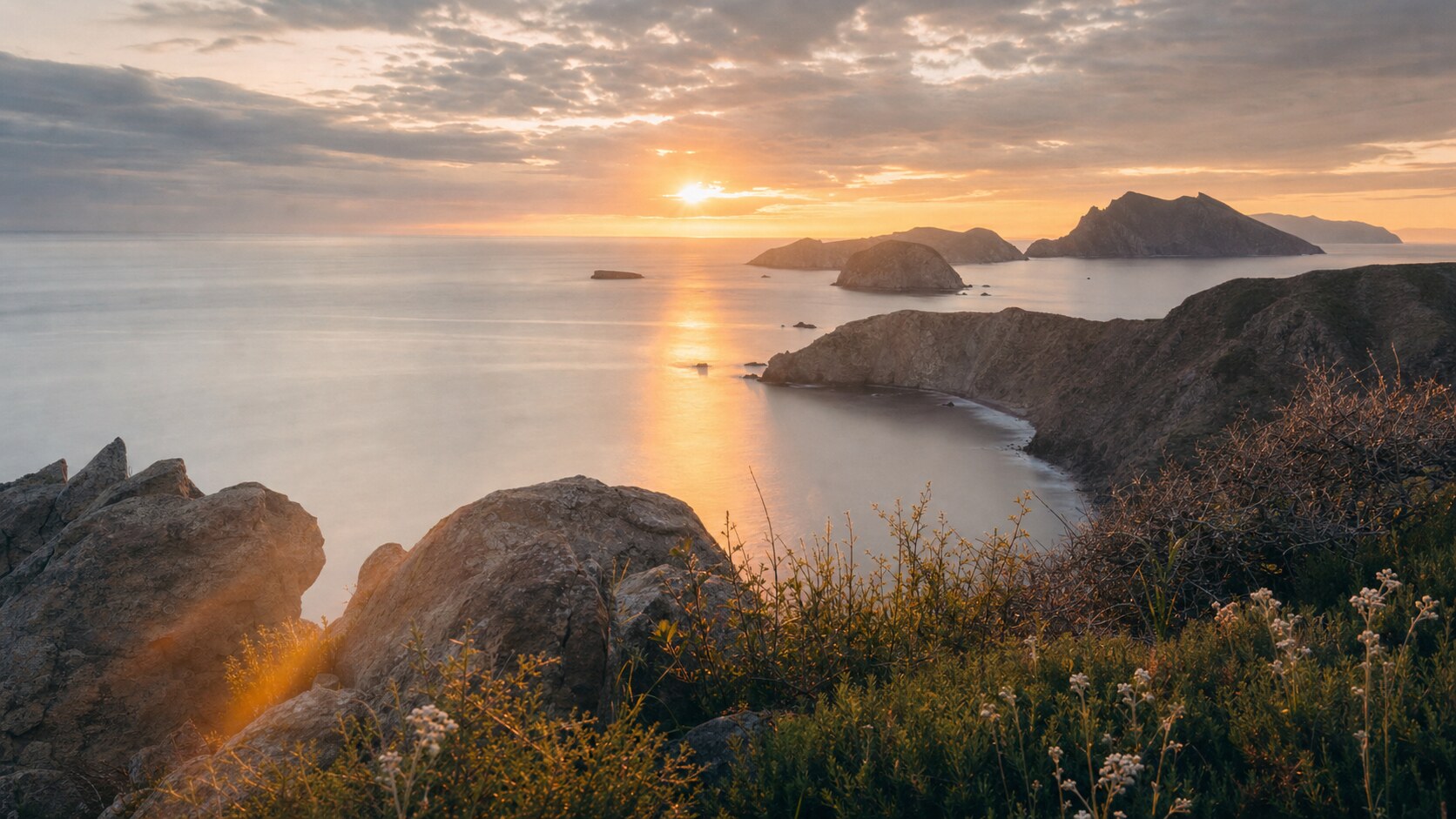
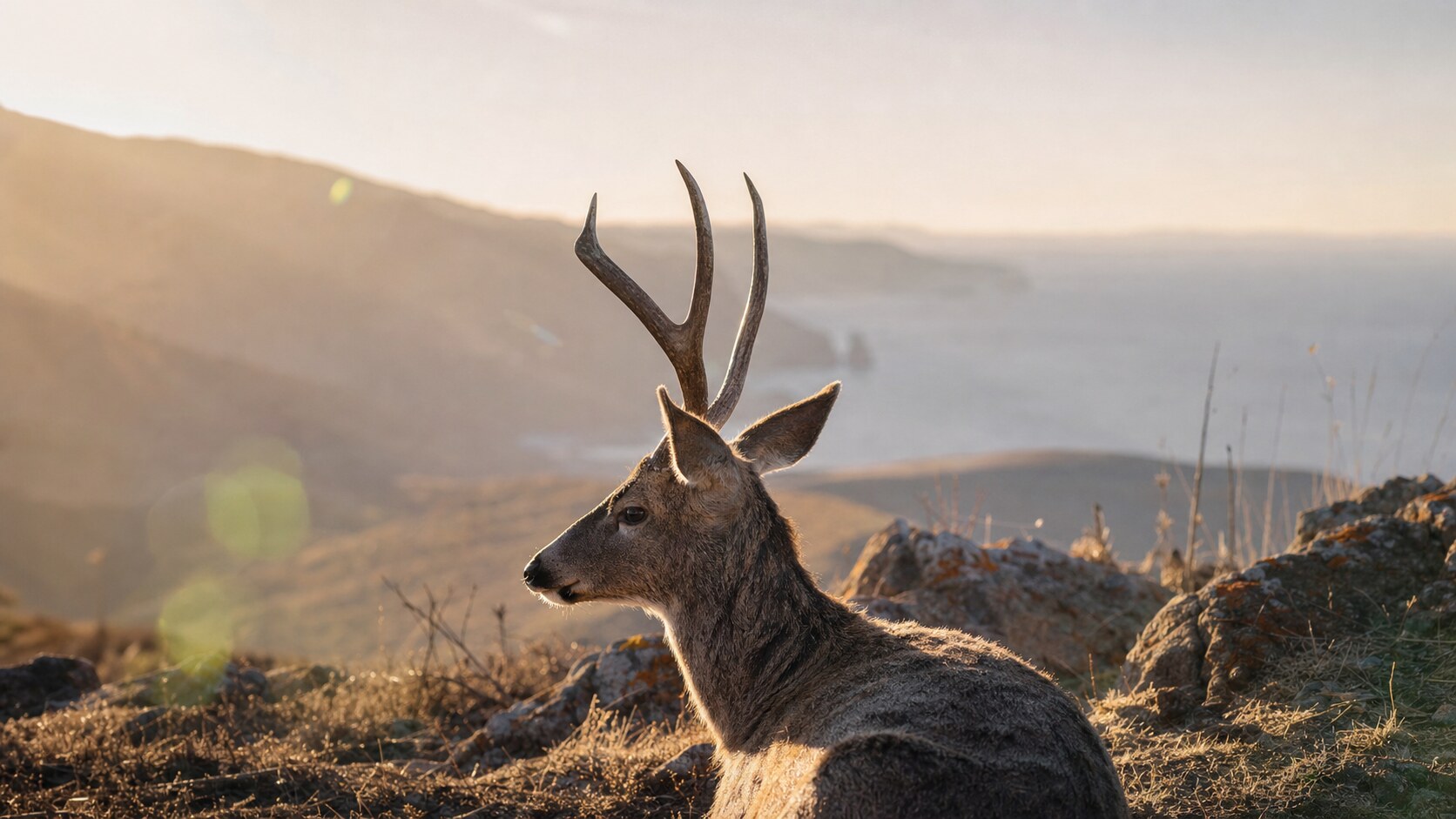
Channel Islands National Park encompasses five islands off the coast of Ventura, California, that have been largely isolated from the mainland for thousands of years, producing 150 endemic species found nowhere else on Earth. The park is 96% designated wilderness and accessible only by ferry or private boat — there are no bridges, no casual day visitors, and no infrastructure except ranger stations and primitive camping. For photographers, this separation produces extraordinary wildlife density and behavior that has been unlearned of human fear: island foxes investigate tripods, sea lions haul out 50 feet from trails, and Brandt’s cormorants nest in cliff colonies above the surf. Santa Cruz Island (the largest) contains the world’s largest painted sea cave (Painted Cave, 100 feet wide, 1,215 feet deep) accessible by kayak. Anacapa Island’s foghorn-topped sea arch is one of the most reproduced Pacific coast images in the western United States.
For photographers, Channel Islands National Park concentrates a particular set of technical demands. The park rewards photographers who study the iconic frames in advance — and decide deliberately what to do differently. Look for the second-best angle: it is usually empty, and the image it produces is more personal and more publishable than the postcard shot everyone else is shooting from the main overlook. Bring questions, not just gear.
The most common mistake photographers make at major national parks is arriving without a shot list and spending the first hour figuring out what to shoot. The GPS table above is your shot list. Work it systematically, allow time to return to the same location in different light, and the portfolio builds itself. Three vantage points visited three times in different conditions beats twelve vantage points visited once each.
 Save
SaveWhen to visit: season-by-season and photo conditions
March through November for ferry access to most islands. December through February has reduced service but whale migration peaks (gray whale December–April, blue and humpback whale May–October, orca year-round). April–June is the optimal photography season: spring wildflowers, breeding seabird colonies at peak activity, California gray whale migration, island fox pups, clear water visibility for kelp forest snorkeling. Month-by-month: Dec–Feb (gray whale migration peak, few visitors, rough seas possible); Mar–May (spring wildflowers, giant coreopsis bloom on Anacapa, seabird nesting begins, whale migration continues); Jun–Aug (warm, highest ferry frequency, sea lion pups, kelp forest peak); Sep–Oct (crowds reduce, clear skies, island fox activity); Nov (service reduces, storms build, dramatic coastal light).
Day-by-day, plan around the morning and evening blue and golden hours. Midday at most national park landscapes is harsh and unflattering for wide-angle work — but productive for wildlife (animals are most active at the edges of day, but midday thermals are when raptors and condors soar most visibly). Photographers who insist on shooting through midday sun produce washed-out files they cull in the edit. Use midday for scouting the afternoon compositions, eating lunch in shade, and resting. Return when the light returns.
Weather is your collaborator. Light overcast is a gift for waterfall and forest photography — diffuse light eliminates the harsh contrast that blows out cascade whites. Rain darkens volcanic rock and saturates botanical color. Storm approach clouds create drama that clear-sky postcard shots cannot match. The best national park photographers book trips specifically targeting transitional weather windows rather than chasing guaranteed sunshine.
 Save
SaveEntrance fees, permits, and reservations (2026)
Entrance fee: Free — no NPS entrance fee. Ferry required: Island Packers $63-$84 round-trip per adult depending on island and season (islandpackers.com). San Miguel Island requires NPS ranger escort; permit from park required.
No NPS entrance fee. Ferry reservations through Island Packers are required for all island access (islandpackers.com). Reserve months in advance for peak season weekends. San Miguel Island is owned by the US Navy and is open only when NPS rangers are on the island; a permit (including liability waiver) is required for landing — contact the park visitor center. Backcountry camping on all islands requires an advance reservation. Commercial photography and film productions with crews over 8 or requiring exclusive site access require a Special Use Permit from the park. Drones are prohibited within Channel Islands National Park boundaries per NPS uncrewed aircraft policy — this is particularly significant given the sensitivity of seabird nesting colonies, pinniped haul-outs, and endemic species. Drone violations at active wildlife colonies may result in enhanced penalties.
The America the Beautiful interagency annual pass ($80 for US citizens and residents) covers entrance fees at all national parks and most federal recreation lands — it pays for itself in two visits to fee-charging parks. For commercial photography productions, contact the park superintendent’s office at least 30 days before your shoot date to allow permit processing time.
Detailed vantage point guide for Channel Islands National Park
Each of the 12 vantage points below includes GPS coordinates (linkable to Google Maps), recommended focal length range, optimal time of day, trail difficulty, and specific composition and hazard notes. Work through the list as a sequence rather than jumping around — the ordering is designed for efficient movement through the park.
Anacapa Island Arch Rock
GPS: 34.0145, -119.3626 |
Best time: Sunrise / golden hour |
Focal length: 16-35mm, 24-70mm |
Difficulty: Easy
Anacapa's natural sea arch and foghorn are the defining Channel Islands composition. Short walk from the East Anacapa landing. Sunrise from the east illuminates the arch and ocean perfectly. Western backlighting at sunset creates silhouette options. Access via Island Packers ferry.
Anacapa Seabird Colony (Western Anacapa)
GPS: 34.0046, -119.4291 |
Best time: Morning (breeding season Mar–Jul) |
Focal length: 100-400mm, 70-200mm |
Difficulty: Easy
Western Anacapa hosts the largest Western Gull breeding colony in the world (5,000+ pairs). The entire island surface in spring is covered with nests. Telephoto from trails; stay on designated paths to protect nesting birds. Brown pelican and Brandt's cormorant also nest here.
Santa Cruz Island Smugglers Cove
GPS: 33.9991, -119.5558 |
Best time: Sunset |
Focal length: 16-35mm, 24-70mm |
Difficulty: Moderate
7.5-mile RT from Prisoners Harbor to a secluded cobble cove. Olive orchard and historic adobe (1888 era sheep ranch). Island foxes are regularly encountered on the trail. The cove has clear water and kelp beds visible from shore.
Santa Cruz Island Cavern Point
GPS: 34.0182, -119.72 |
Best time: Golden hour / sunrise |
Focal length: 16-35mm |
Difficulty: Moderate
2-mile RT from Scorpion Anchorage. Bluff-top views of the Channel and mainland mountains on clear days. Island foxes frequently visible on this trail. Northern Channel Islands and Santa Cruz mountains visible on ultra-clear winter mornings.
Scorpion Anchorage (Santa Cruz)
GPS: 34.05, -119.71 |
Best time: Morning |
Focal length: 16-35mm, 24-70mm |
Difficulty: Easy
The main landing on Santa Cruz Island. Sea lions haul out on rocks near the landing dock. The valley behind the landing contains a restored historic ranch and endemic island scrub habitat. Island foxes are so habituated they may approach within 10 feet.
Santa Rosa Island Torrey Pine Grove
GPS: 33.8983, -120.1065 |
Best time: Morning / golden hour |
Focal length: 24-70mm, 16-35mm |
Difficulty: Moderate
The rarest pine in North America — Torrey pine — has only two natural groves on Earth: this one on Santa Rosa Island, and one at Torrey Pines State Reserve near San Diego. Gnarled wind-sculpted pines against ocean views. Access via Island Packers ferry to Santa Rosa Island.
Santa Rosa Island Carrington Point
GPS: 33.9937, -120.1232 |
Best time: Morning |
Focal length: 70-200mm, 100-400mm |
Difficulty: Strenuous
11-mile RT from the pier. The point has the highest concentration of nesting seabirds on Santa Rosa, and is a primary area for Steller and California sea lion photography. The walk through island chaparral is also strong for endemic island fox.
San Miguel Island Point Bennett (Pinniped Colony)
GPS: 34.0278, -120.4262 |
Best time: Morning (ranger escort required) |
Focal length: 100-400mm, 200-600mm |
Difficulty: Strenuous
Point Bennett hosts the largest concentration of pinnipeds in the world — 6 of the 7 North American pinniped species haul out here, up to 30,000 animals in peak season. Access requires ranger escort (limited daily permits). San Miguel Island permit required for landing. 17-mile RT hike. One of the world's most spectacular wildlife photography experiences.
Santa Cruz Painted Cave (kayak access)
GPS: 34.072, -119.87 |
Best time: Morning (summer calm seas) |
Focal length: 16-35mm, 24mm prime |
Difficulty: Easy
World's largest painted sea cave — 100 feet wide, 1,215 feet deep. Kayak rental available at Scorpion Anchorage. Long exposure inside the cave entrance: 15-30 seconds, f/8, ISO 400. Accessible only by sea kayak in calm conditions — typically July-September.
Santa Barbara Island Elephant Seal Beach
GPS: 33.4763, -119.0312 |
Best time: Winter (Jan–Mar) |
Focal length: 100-400mm, 70-200mm |
Difficulty: Moderate
The smallest island (1 square mile). Northern elephant seal bulls establish breeding territories December–March. Peak birthing season is January–February. Access via longer Island Packers ferry (~3-hour trip from Ventura).
Anacapa Tide Pools
GPS: 34.0143, -119.3582 |
Best time: Minus tide (any time) |
Focal length: 16-35mm, 100mm macro |
Difficulty: Easy
East Anacapa tide pools are among the richest in Southern California — protected from mainland recreational pressure. Purple sea urchins, ochre sea stars, anemones, and nudibranchs in dense pools. Macro essential for invertebrate close-ups. Check tide charts (NOAA).
Channel Islands Harbor Viewpoint (mainland)
GPS: 34.1521, -119.2063 |
Best time: Sunset |
Focal length: 70-200mm |
Difficulty: Easy
From Channel Islands Harbor in Oxnard, telephoto compression of the island silhouettes against a Pacific sunset is achievable on clear days. Anacapa is closest (11 miles); Santa Cruz is visible beyond it. Good fallback option when ferry schedules prevent island access.
| Scenario | Aperture | Shutter | ISO |
|---|---|---|---|
| Golden hour landscape | f/8 – f/11 | 1/125 – 1/500s | 100 – 400 |
| Wildflower foreground (wide) | f/11 – f/16 | 1/60 – 1/250s | 100 – 400 |
| Wildlife (birds in flight) | f/5.6 – f/8 | 1/1600 – 1/3200s | 400 – 1600 |
| Waterfall long exposure | f/11 – f/16 | 0.5s – 4s (tripod, ND) | 100 |
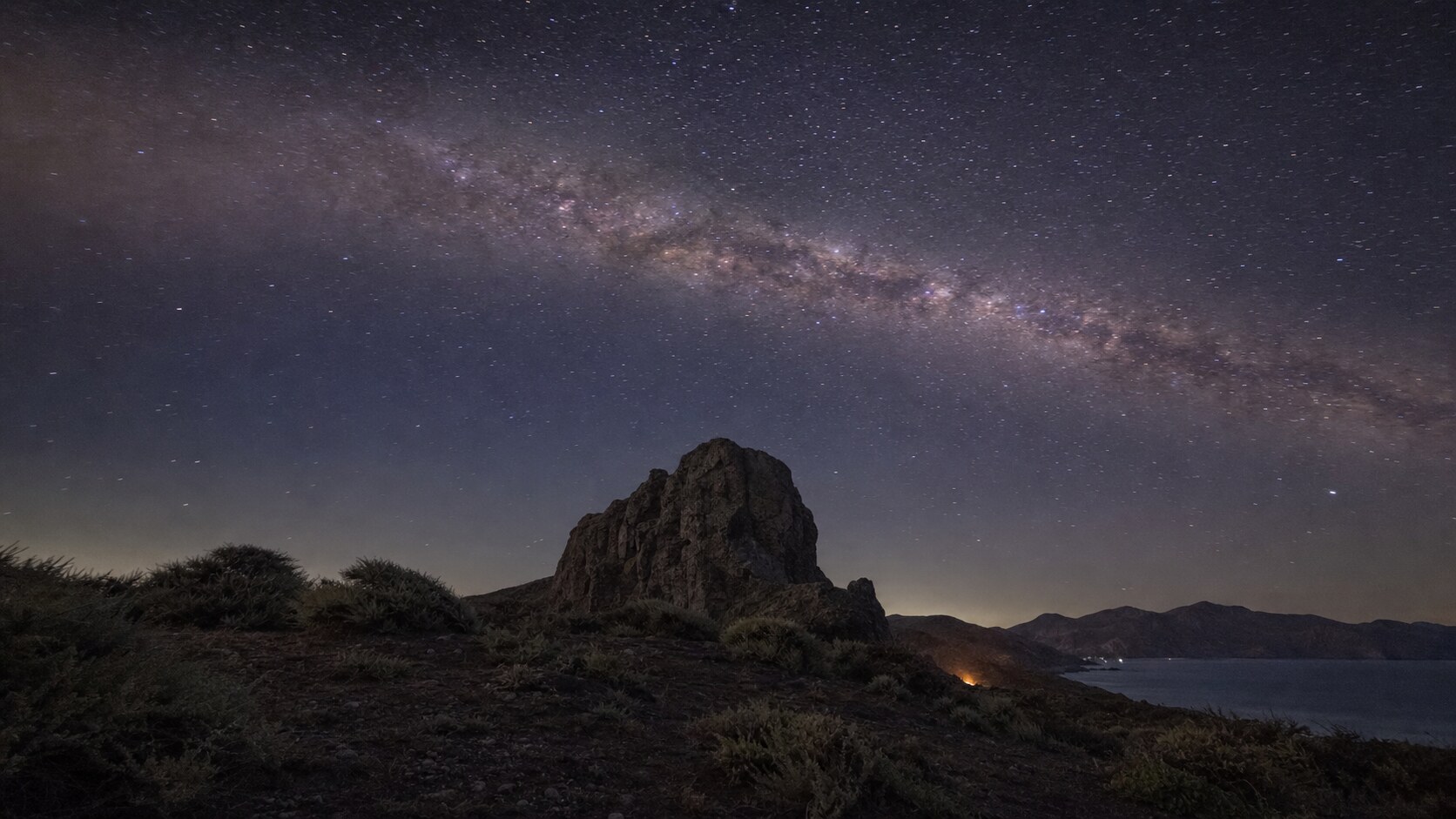
| Milky Way / night sky | f/2.8 | 15 – 25s (tripod) | 3200 – 6400 |
| Blue hour lake reflection | f/8 | 2s – 8s (tripod) | 200 – 800 |
Wildlife photography ethics and safety distances
The Channel Islands were home to the Chumash people for at least 13,000 years. The Chumash name for the Santa Cruz Island is Limuw, and the islands are considered sacred homeland by the Santa Ynez Band of Chumash. Archaeological sites including shell middens, rock art, and village sites are present on all five islands — these are federally protected. Do not disturb, photograph with intent to damage, or remove any archaeological material. Wildlife distances: California sea lions and harbor seals 50 yards minimum; elephant seals 50 yards; nesting seabirds 50 yards. Channel Islands fox (island fox) is an endemic subspecies; they are habituated to humans but are wild animals — do not feed or attempt to handle them. San Miguel Island is a US Navy installation and requires NPS escort for all visits.
The NPS wildlife distance guidelines apply at all national parks: maintain at least 100 yards from bears and wolves; 25 yards from all other wildlife including elk, deer, and bison; 50 yards from nesting birds. If an animal changes its behavior in response to your presence — stops feeding, raises its head, moves away — you are too close. Back away slowly. A longer focal length is always the right tool; approaching wildlife for a closer shot is the wrong one, and it is illegal in national parks regardless of the photographic result.
Leave No Trace principles apply universally: pack out everything you pack in, camp only in designated sites, do not collect any natural materials (rocks, cones, flowers, feathers), and avoid creating new social trails to off-trail vantage points. The trampling damage from a hundred photographers creating an unofficial path to an off-trail viewpoint can take a decade to recover in fragile alpine or volcanic ecosystems.
Drone rules at national parks
Drones (uncrewed aircraft) are prohibited within all National Park Service boundaries per NPS uncrewed aircraft policy (36 C.F.R. § 2.12). Launching, landing, or operating a drone inside any national park boundary without written authorization from the park superintendent is a misdemeanor under federal law, punishable by up to six months imprisonment and a $5,000 fine per violation. This prohibition applies regardless of FAA authorization — having a FAA Part 107 certificate does not grant permission to fly in a national park. The only exceptions are NPS administrative operations (search and rescue, fire, scientific research) explicitly approved by the superintendent. For any commercial aerial work requiring drone footage of a national park, the only legal path is to apply to the park superintendent for a written Special Use Permit, which is rarely granted for commercial visitor photography purposes. Photographers seeking aerial perspectives of national parks should use light aircraft with open windows or seek helicopter-based photography services that operate under existing NPS commercial air tour regulations.
Backcountry vs roadside shooting strategies
Island photography is determined by ocean conditions. All gear must be waterproof-protected for the ferry crossing and any kayak work (splash in the Zodiac landing on Anacapa can wet camera bags). Waterproof drybags are strongly recommended. Telephoto (300-600mm) is essential for wildlife at safe distances — sea lion colonies, nesting seabirds, and island fox at natural behavior distances. Wide-angle (14-24mm) for sea cave interiors and sea arch compositions. A macro lens for the extraordinary tide pool ecosystems. A small video light or LED panel is useful inside Painted Cave and talus areas where ambient light is insufficient. Bring more batteries than you think you need — the island ferry rides are long and cold, and lithium batteries drain in ocean wind.
Backcountry photography in national parks requires self-sufficiency that roadside photography does not. Navigation: download offline maps before entering areas with poor cell coverage (Gaia GPS or AllTrails with downloaded tiles). Emergency: carry a satellite communicator (Garmin inReach or SPOT) for any trip beyond cell range. Weather: afternoon thunderstorms develop quickly at elevation — the rule is to be below treeline by noon in summer. Water: treat all backcountry water sources; carry a filter or treatment tabs. A lightweight carbon-fiber tripod (under 1.5kg) is the right balance of stability and portability for multi-mile approaches.
Roadside shooting has its own constraints. Most national park pullouts fill by 8am in summer — arrive early or accept that you will be shooting over other vehicles and tripods. The solution is to identify pullouts accessible before sunrise and arrive in the dark. Rangers do not enforce a closing time at most overlooks, and the 30 minutes before first light at a good composition is consistently worth the alarm clock sacrifice.
Sample edits and post-processing workflow
Channel Islands RAW files split between wildlife and landscape. Wildlife (island fox, sea lions, seabirds): shoot in RAW with high-speed burst at 1/1600-1/2000s. In post, apply lens sharpening (+70 Sharpening, Radius 1.0, Detail 25) and careful noise reduction (Luminance 40, Color 25 at ISO 1600-3200 typical for wildlife light). Avoid over-sharpening feather detail on seabirds. For sea cave interiors: stack multiple exposures (3-5 frames, aligned in Lightroom or Photoshop) to manage the extreme dynamic range between cave shadow and illuminated entrance. Pull Highlights -80 on the bright entrance; push Shadows +60 on the dark interior walls. For arch and coastal landscape: circular polarizer at capture reduces surface reflection; in post, push Aqua Saturation +15 for ocean color and pull Blue Luminance -12 to deepen the Pacific sky. Island fox portraits at close range: use a shallow depth of field (f/2.8-f/4), focus on the eye, and apply a Radial Filter brightening the face by +0.3 EV.
A general post-processing sequence that works on most national park RAW files: (1) lens correction and chromatic aberration first — always; (2) basic exposure with shadows lifted and highlights pulled before any other adjustment; (3) HSL panel to manage the specific color challenges of this park’s palette; (4) Clarity at +10 to +15 maximum on landscape frames — never higher; (5) a subtle vignette to draw the eye inward; (6) export at 16-bit TIFF for printing, JPEG 90% for web. Save the base settings as a starting preset for the whole trip’s RAW files — consistency across a trip’s images is more important than perfection on individual frames. The 20 presets in the matched pack have been built specifically for this park’s color challenges and provide that consistency starting point.
3-day photography itinerary
Day 1: Ferry to Santa Cruz Island (Island Packers, departs Ventura). Morning Scorpion Anchorage for island fox close encounters and sea lion haul-out. Afternoon Cavern Point hike for bluff-top views. Sunset from the anchorage hillside with Anacapa Island in the background. Camp at Scorpion Canyon Campground (advance reservation required). Day 2: Full day Santa Cruz. Morning kayak to Painted Cave (calm summer conditions required — check forecast). Afternoon Smugglers Cove hike for historic olive orchard and endemic habitat. Second island fox golden-hour session at Cavern Point on return. Day 3: Ferry to Anacapa Island. Sunrise at Arch Rock (East Anacapa). Walk the 1.5-mile island trail through Western Gull colony (breeding season). Anacapa tide pools at minus tide before afternoon ferry return to Ventura. Optional add: Santa Rosa Island day trip via ferry for Torrey Pine grove (requires separate advance reservation, adds 3+ hours of travel).
This itinerary is designed for the dedicated photography traveler who is there to shoot, not to cover the tourist checklist. It assumes early starts (4-5am in summer for dawn positions), midday rest, and afternoon re-engagement. Three full days of structured photography will produce a portfolio of 300-500 RAW frames that edit down to 30-50 keeper images — a meaningful body of work from a single park. Adjust based on fitness, weather windows, and which specific subjects matter most to your portfolio.
Take the Channel Islands National Park guide further
More national park photography guides from ShutYourAperture: Crater Lake National Park, Mount Rainier National Park, North Cascades National Park — and the full national parks photography hub.
The ShutYourAperture national parks photography hub covers the complete US national parks system with the same GPS-tagged, permit-verified depth as this guide. Each park guide in the series follows the same structure so you can quickly identify the logistics differences between parks and build multi-park itineraries efficiently.
All links go to Viator (a TripAdvisor company), the world’s largest marketplace for guided experiences. Tagged as affiliate per FTC.
Luminar Neo’s Sky AI, atmosphere AI and SuperSharp are designed for landscape work — replace flat skies, add depth, and recover detail in seconds. Tagged as affiliate per FTC.
Quick Amazon shortcuts to the gear most useful for this kind of shot. Use them if Prime shipping or Amazon credit makes more sense than B&H. As an Amazon Associate ShutYourAperture earns from qualifying purchases.
Frequently asked questions
How do I get to Channel Islands National Park?
All islands are accessible only by boat or plane — there is no road or bridge access. Island Packers (islandpackers.com) is the official park concessionaire ferry, departing from Ventura Harbor. Round-trip fares range from approximately $63 to $84 per adult depending on island and season. Reserve months in advance for peak season weekends. Private boaters may also access the islands.
What wildlife can I photograph at Channel Islands?
Channel Islands fox (an endemic species habituated to humans), California and Steller sea lions, northern elephant seals (especially San Miguel Island), western gulls, Brandt's cormorants, brown pelicans, California gray whales (winter-spring), blue whales (summer), and up to 6 pinniped species at San Miguel. A 300-600mm telephoto is essential for safe-distance wildlife photography.
Are drones allowed at Channel Islands National Park?
No. Drones are prohibited within Channel Islands National Park boundaries per NPS uncrewed aircraft policy. This is especially important given the extreme wildlife sensitivity on the islands — drone encounters with nesting seabirds, pinniped colonies, and the endangered California condor (visible on Santa Cruz) can cause colony abandonment and fatalities. Violations carry significant penalties.
Is there an entrance fee for Channel Islands National Park?
No entrance fee is charged by the NPS. However, ferry tickets through Island Packers are required for island access and cost approximately $63-$84 round-trip per adult. Camping reservations (charged separately) are required for all overnight island stays.
What is the best island to visit for wildlife photography?
San Miguel Island has the world's most spectacular pinniped photography opportunity at Point Bennett (6 species, up to 30,000 animals). Access requires a longer ferry ride (4+ hours), NPS ranger escort, and advance permit from the park. Anacapa Island is the easiest for a day trip with reliable arch, seabird colony, and tide pool photography. Santa Cruz Island offers the best combination of wildlife and landscape.
All links go to B&H Photo Video, the trusted pro source. Tagged as affiliate per FTC.
Common questions about the Channel Islands National Park guide
Is the Channel Islands National Park photography guide worth $47?
For most photographers, yes. The guide saves 8-12 hours of trip-planning research and prevents the most common mistake of Channel Islands National Park photography: shooting at the wrong time of day. If a single better frame is worth $47 to you, the guide pays for itself on day one. Buyers get every GPS coordinate, every golden-hour window, every cultural rule, and a printable shot list.
Does the Channel Islands National Park guide include GPS coordinates?
Yes — every vantage point in the guide has Google Maps-ready GPS coordinates so you can pin them before you fly. The guide also includes a printable map showing all locations clustered by walking distance, so you can build efficient half-day routes.
What's in the Channel Islands National Park PDF that isn't in this article?
The article shows the highlights. The PDF includes: 5 additional secret spots not published online, a 14-day itinerary with daily routes, the full camera-settings cheat sheet for every scenario in Channel Islands National Park, a printable gear packing list, post-processing recipes with screenshot examples, and a list of local guides we trust for portrait commissions.
Do I get the Lightroom presets too?
The $47 guide is the PDF only. The matching Channel Islands National Park preset pack is a separate $19 download — most buyers grab both as a bundle and save the editing time. Both are instant download, both work on Lightroom Classic and Lightroom Mobile.
Will the guide work for a Channel Islands National Park trip in 2026?
Yes. The guide is updated annually as fees, restrictions, and new vantage points change. All buyers get free lifetime updates. The 2026 edition includes the latest drone rules, museum photography policies, and seasonal light data for the year.
Visiting more than Channel Islands National Park?
Bundle multiple destination guides and save planning time across the trip:
- Philadelphia Photographer’s Guide ($47)
- Houston Photographer’s Guide ($47)
- San Antonio Photographer’s Guide ($47)
- Dallas Photographer’s Guide ($47)
Or get all 60+ destinations in one bundle: Photo Atlas — every guide, every map, $97.
What to Pack
A focused landscape kit handles every shot at Channel Islands National Park without breaking your back. Here is the working photographer's pack list — every link goes to B&H Photo Video (our primary supplier) or Amazon (for accessories and same-day delivery in the US).
| What & Why | B&H | Amazon |
|---|---|---|
Wide-angle zoom (14-35mm range) The single most important lens for sweeping vistas. Pair with a circular polarizer for skies and water. | Shop B&H → | Shop Amazon → |
Sturdy travel tripod Carbon fiber, packs to 15 inches, holds steady in wind off the coast. Essential for blue-hour and long-exposure work. | Shop B&H → | Shop Amazon → |
Circular polarizer (77mm or 82mm) Cuts haze, deepens sky, reveals texture in water. Non-negotiable for landscape work. | Shop B&H → | Shop Amazon → |
10-stop ND filter For 30-second exposures that turn moving water and clouds into silk. | Shop B&H → | Shop Amazon → |
Extra batteries (3 minimum) Cold weather and long exposures eat batteries. Carry triple what you think you need. | Shop B&H → | Shop Amazon → |
Fast SD/CFexpress cards V90 or CFexpress depending on your body. Two cards minimum so a failure mid-trip is recoverable. | Shop B&H → | Shop Amazon → |
Microfiber lens cloths Salt spray, mist, and dust will ruin every shot if you don't carry a cloth. | Shop B&H → | Shop Amazon → |
B&H and Amazon links are affiliate links. We earn a small commission on purchases at no extra cost to you. We only recommend gear we use or would buy ourselves.