Best Photography Spots in Orlando: 12 Locations With GPS
edinchavez01-20). Buying through these links costs you nothing extra and helps fund our free guides.
Orlando, Florida is one of the most photogenic cities in the United States. If you have a camera and the patience to show up before dawn, Orlando will give you images that last a career — but only if you know where and when to point it.
This is the definitive field guide to the 12 best photography spots in Orlando, with GPS coordinates you can drop straight into Google Maps, exact camera settings tuned to Orlando’s unique light, precise timing for every location, and the access notes nobody else bothers to document. It mirrors the intel inside our Orlando Ultimate Photographer’s Guide ($47 PDF) — a downloadable field guide with full-page hero images, GPS maps, seasonal tables, a city safety briefing, and a complete photographer’s packing list. Get the guide →
Planning multi-city travel? See also: U.S. cities photography hub and the National Parks Photography Guides.
12 GPS-mapped locations · Exact camera settings · Multi-season shooting calendar · Free annual updates
Download the PDF guide →
Get the Orlando Ultimate Photographer’s Guide
Every location below — pre-mapped with GPS, golden-hour timing, gear recommendations, cultural rules, and a 14-day itinerary. Downloaded by 200+ working photographers.
Quick jump to the 12 spots
- Lake Eola Park — Skyline Reflection Viewpoint
- Wells’ Built Museum of African American History & Culture
- Kraft Azalea Garden — Lake Maitland Exedra
- Harry P. Leu Gardens
- Disney Boardwalk — Crescent Lake Exterior Promenade
- Universal CityWalk — Globe Archway and Promenade
- Orlando Museum of Art — Loch Haven Cultural Park Exterior
- Mennello Museum of American Art — Sculpture Garden & Lake Formosa
- Lake Apopka Wildlife Drive
- Bok Tower Gardens — Singing Tower & Iron Mountain
- Mills 50 District — Murals on North Mills Avenue
- Dr. Phillips Center for the Performing Arts — Exterior Plaza
A look inside the Orlando Photographer’s Guide
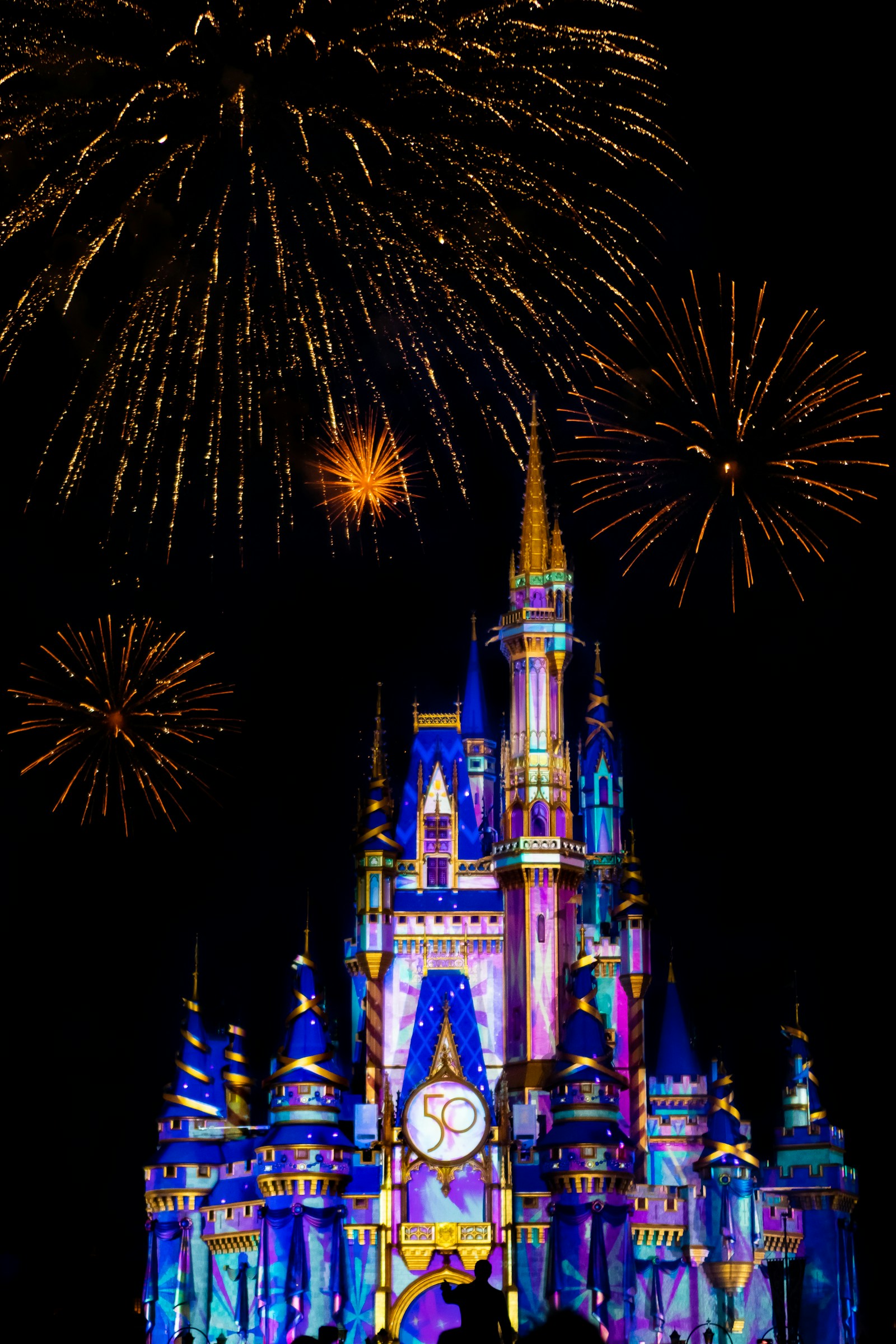
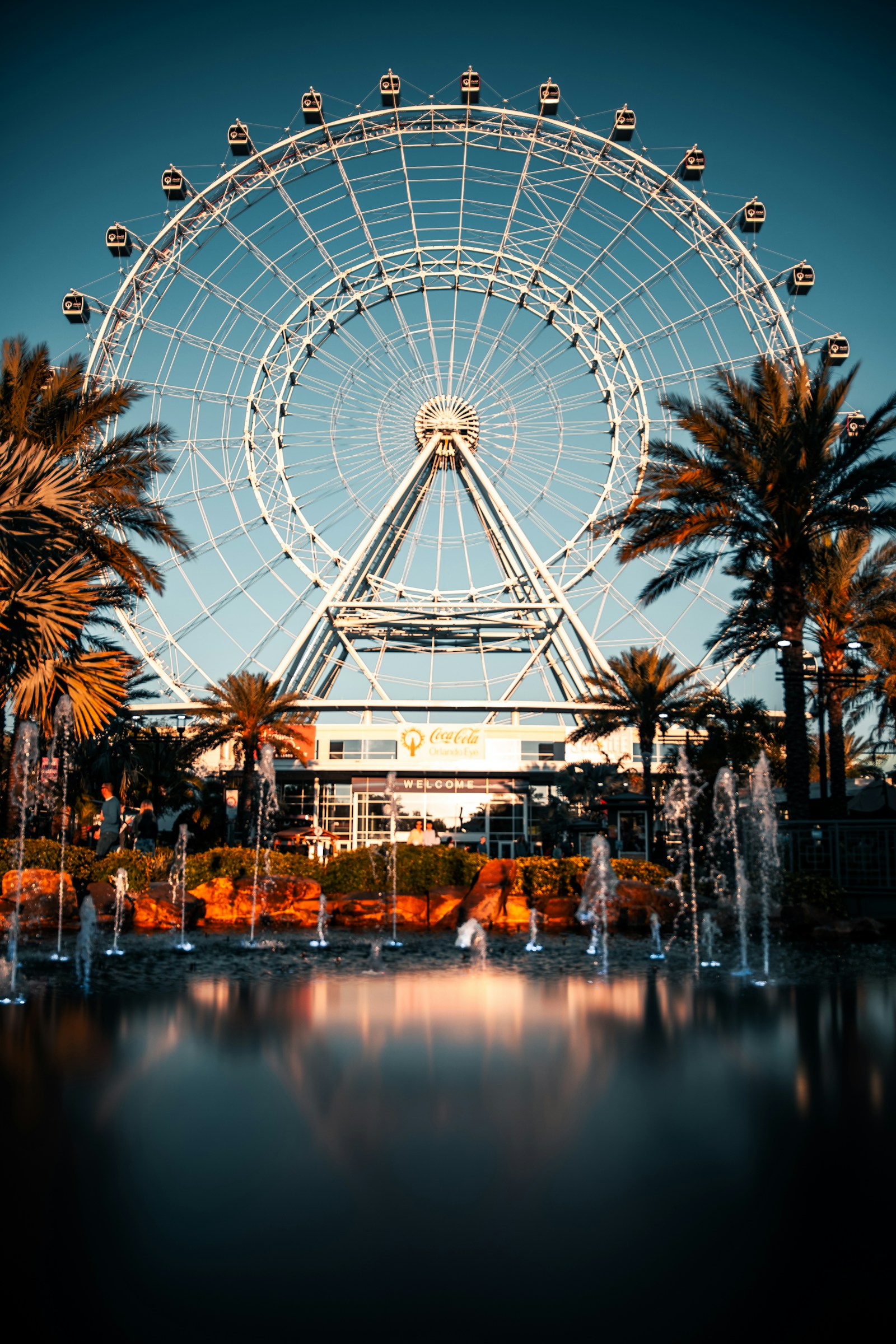
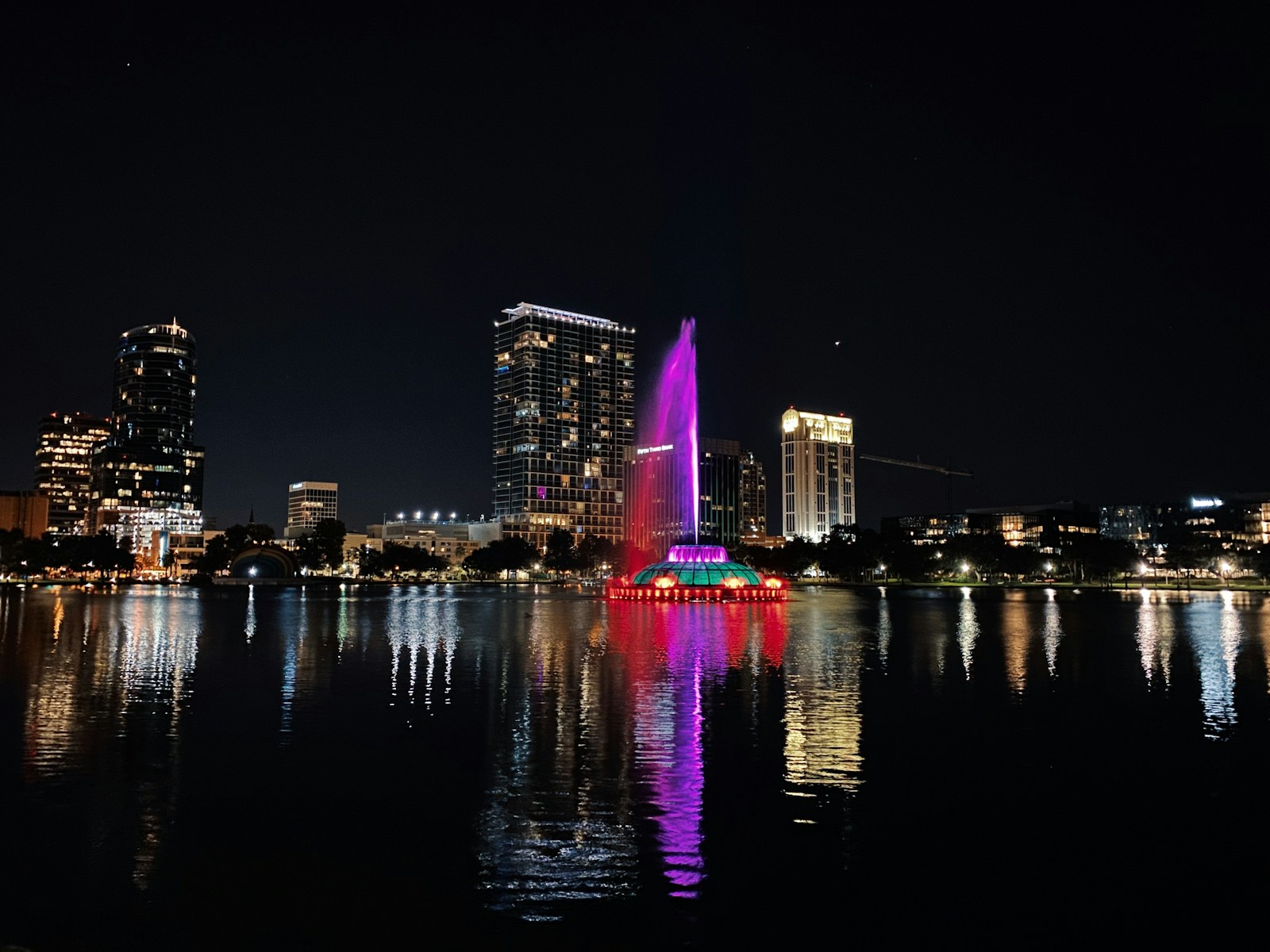
Here are three of the actual shots you’ll find inside the PDF — cinematic full-page references for the exact spots, lenses, and lighting conditions documented in the guide. The full guide includes 12 locations, each with a hero image, GPS map, settings table, and a five-shot list.
Save
Before you shoot Orlando: the essentials
- Free public access: Lake Eola Park (24/7, free), Kraft Azalea Garden (free, dawn–dusk), Lake Apopka Wildlife Drive (free, Fri–Sun sunrise–3 PM), Wells’ Built Museum exterior (public street, free), Universal CityWalk exterior promenade (free, no ticket required for non-restaurant/bar areas), Disney Boardwalk exterior promenade (free and open to the public), Mills 50 District murals (public streets, free, 24/7), Loch Haven Cultural Park grounds including Mennello sculpture garden (free; museum admission $8 adults)
- Commercial permits: Harry P. Leu Gardens: personal and portrait photography is permitted with paid admission ($15 adults); commercial photography requires advance authorization from Leu Gardens Marketing at 407-246-3622. Orlando Museum of Art (OMA): personal non-commercial photography is permitted in most galleries with no flash, no tripod, no selfie sticks; posed portraiture sessions require an advance permit — contact sstrazis@omart.org or call 407-896-4231 ext. 235. Bok Tower Gardens: personal and portrait photography permitted anywhere on grounds with regular paid admission ($20 adults); commercial photography requires written permission from Bok Tower marketing; drones are strictly prohibited as a no-fly zone. Disney Boardwalk exterior: photography of the public exterior promenade is permitted; commercial/professional shoots may require a Disney media permit. Universal CityWalk: casual personal photography is welcome throughout the outdoor promenade; commercial shoots require Universal approval.
- Best photography seasons: Winter (December–March) for crisp, low-humidity light, migrating birds at Lake Apopka, and azalea blooms at Kraft Garden; Spring (March–April) for lush garden peak color at Leu Gardens and Bok Tower Gardens; Fall (October–November) for tolerable heat, lower crowds, and dramatic afternoon storm light; Summer mornings (June–August) offer lush green saturation and low-angle sunrise light over Lake Eola before afternoon thunderstorms build
- Blue hour notes: Blue hour in Orlando is most spectacular at Lake Eola Park, where the illuminated Linton E. Allen Memorial Fountain turns the lake into a mirror of color — the fountain lights activate at dusk and cycle through patterns against the downtown skyline. The window typically runs 20–30 minutes after sunset. Disney Boardwalk’s vintage carnival lighting and Crescent Lake reflections create a second outstanding blue-hour scene, with the colorful BoardWalk facade glowing warmly against a deep blue sky. Universal CityWalk’s globe signage and neon archway come alive at dusk with a concentrated burst of entertainment-district light.
- Drone policy: Most major U.S. cities restrict drone flight in airspace and via local ordinances. Check FAA + city rules before launching.
- Local resource: Official visitor information
The full-resolution version of every map below — plus seasonal calendars, gear notes per location, sun-angle diagrams, and a complete photographer’s packing checklist — is inside the Orlando Photographer’s Guide PDF ($47).
1. Lake Eola Park — Skyline Reflection Viewpoint
Lake Eola is Orlando’s civic living room — a 43-acre urban lake in the heart of downtown where the city’s modest but photogenic skyline reflects in mirror-calm morning water, framed by resident mute swans, royal palms, and the iconic Linton E. Allen Memorial Fountain. No other spot in Orlando combines the downtown skyline, a living wildlife subject (swans), a lit architectural centerpiece, and a manicured park setting accessible at any hour for free. The fountain illuminates in color-programmed cycles after dusk, transforming the lake into an outdoor lightshow.
- GPS: 28.5424, -81.3718
- Elevation: 96 ft
- Best time of day: Sunrise (primary); blue hour for lit fountain and skyline; golden hour sunset from west shore
- Sun direction: Standing on the northwest shore near the Japanese pagoda and facing east-southeast toward the skyline, the sun rises approximately behind and between the downtown towers — azimuth roughly 80–100° in spring and fall, aligning almost directly with the tower cluster. This creates a dramatic backlit silhouette of the skyline at first light and warm golden front-lighting on the towers just after sunrise when you move to the south shore facing north. The Linton E. Allen Memorial Fountain at the lake’s center catches the early light and acts as a sparkling foreground element. At sunset from the east shore facing west, the fountain and palm trees are silhouetted against an orange sky.
- Access: 512 East Washington Street, Orlando, FL 32801. Open daily 6:00 AM–11:59 PM; free admission. Free parking on North Eola Drive along the east side of the park; metered street parking on Central Boulevard and Rosalind Avenue; nearby public garages at Osceola Avenue/East Central Boulevard and 112 East Central Boulevard ($5–$10). LYMMO bus rapid transit stops at Central/Rosalind. The 0.9-mile paved perimeter loop is flat and fully accessible.
- Difficulty: Easy — fully flat paved loop, ADA accessible throughout
- Recommended settings: Sunrise Skyline Reflection: aperture: f/11, shutter: 1/30s, iso: 200, lens: 16-35mm at 24mm, notes: Position on the northwest shore near the Japanese pagoda. Use a tripod 15 minutes before sunrise to capture the pre-dawn magenta glow reflected in the glassy lake. Bracket ±1 EV to recover both bright sky and dark water foreground. A 0.6 GND filter helps balance the exposure. · Blue Hour Fountain: aperture: f/8, shutter: 15s, iso: 200, lens: 24-70mm at 35mm, notes: From the south shore 20–30 minutes after sunset, the illuminated fountain glows against the darkening skyline. Use Live View for precise focus on the fountain jets. The long exposure smooths water motion into silky streaks of color. · Swan Wildlife Portrait: aperture: f/5.6, shutter: 1/500s, iso: 400, lens: 70-200mm at 200mm, notes: In early morning, swans feed and preen near the northwest shore reeds. Use continuous AF and burst mode to capture them spreading wings. Expose for the bright white feathers using exposure compensation -1 EV to avoid blown-out whites. · Wide Palm Frame: aperture: f/8, shutter: 1/250s, iso: 100, lens: 16-35mm at 16mm, notes: From the pedestrian bridge near the northeast corner, use a royal palm trunk as a left-frame vertical element. A circular polarizer deepens the sky blue and reduces water surface glare in midmorning light.
Shots to chase:
- Pre-dawn skyline reflection: from the northwest shore near the pagoda, capture the downtown tower cluster mirrored in the glassy lake surface as the sky turns deep magenta — arrive 20 minutes before official sunrise for the full mirror-calm window
- Swan close-up with fountain bokeh: use a 200mm lens to isolate a mute swan at f/5.6, letting the illuminated fountain blur into soft color circles of light in the background
- Blue-hour fountain long-exposure: from the south shore promenade, use a 15-second exposure to render the fountain jets as streaks of white light against the cobalt sky and city glow
- Palm silhouette at golden hour: shoot up through a cluster of royal palms near the Walt Disney Amphitheater from the south, capturing fronds against a warm orange-gold sky in the 20 minutes before sunset
- Farmers market lifestyle: on Sunday mornings the Orlando Farmers Market fills the park’s east side — use a 35mm at f/2.8 for candid documentary shots with the skyline softly visible above the market stalls
Pro tip: Arrive at the northwest pagoda viewpoint at least 20 minutes before sunrise — the window when the lake is glassy and the sky glows pink without direct sun on the water is only 10–15 minutes wide. On weekday mornings before 7 AM you’ll often have the entire north shore to yourself. In summer, afternoon thunderstorms can build dramatically over the skyline by 3–4 PM — post-storm blue hour with rain-freshened reflections and cloud drama is exceptional.
Common mistake to avoid: Shooting from the east shore where the sun rises directly into your lens rather than behind the skyline. Visiting mid-morning when wind ripples destroy reflections. Missing the 15-minute blue-hour window after dusk when the fountain is lit but the sky still has color — arrive early rather than waiting until it’s fully dark.
2. Wells’ Built Museum of African American History & Culture
The Wells’ Built Hotel, built in 1926 by Dr. William Monroe Wells, was the only hotel in Orlando open to African American guests during the segregation era, hosting legends including Cab Calloway, Ella Fitzgerald, Ray Charles, and Billie Holiday. The two-story building is one of the most historically significant structures in Central Florida and stands as a living testament to the cultural richness of the Parramore neighborhood. Its modest exterior belies a history that shaped Orlando’s African American cultural identity, making it one of the city’s most powerful documentary photography subjects.
- GPS: 28.5385, -81.3854
- Elevation: 98 ft
- Best time of day: Morning golden hour for warm light on the historic facade; overcast days for even light on the painted exterior details
- Sun direction: The Wells’ Built Museum faces approximately north-northwest on the corner of West South Street and Division Avenue in the Parramore District. In the morning, the sun illuminates the south and east faces of the two-story building from the right, providing raking light that emphasizes the historic facade details and the building’s Art Deco-influenced lines. In the afternoon, the facade falls into shadow. Overcast conditions eliminate harsh shadows and reveal the building’s painted details and historical signage most evenly.
- Access: 511 W South Street, Orlando, FL 32805. Museum hours: Monday–Friday 9 AM–5 PM; open 2nd weekend of every month (otherwise closed Sat–Sun). Admission: small fee (cash only). Street parking on W South Street and Division Avenue; the historic Church Street Station entertainment district is a 6-minute walk east. Exterior of the building is on a public street and accessible 24/7 for exterior photography.
- Difficulty: Easy — street-level access, flat neighborhood
- Recommended settings: Historic Facade Morning: aperture: f/8, shutter: 1/125s, iso: 200, lens: 24-70mm at 35mm, notes: From the sidewalk across Division Avenue, use a moderate wide angle to capture the full two-story facade and signage. Morning side-light rakes across the building’s details. A polarizer can reduce glare from the windows. · Detail Architectural: aperture: f/11, shutter: 1/60s, iso: 200, lens: 70-200mm at 100mm, notes: Use a telephoto to isolate the hotel sign, window details, and historic architectural elements with the lens flattening perspective for a strong graphic quality. · Street Environmental: aperture: f/5.6, shutter: 1/250s, iso: 400, lens: 35mm prime, notes: Handheld street-photography approach — include the surrounding Parramore streetscape (murals, trees, historic signage) for context. The neighborhood’s evolving character provides rich environmental portrait backdrops. · Overcast Detail: aperture: f/8, shutter: 1/80s, iso: 400, lens: 50mm prime, notes: Overcast light is ideal for rendering even tonality on the building’s painted surfaces and signage without blown-out whites or harsh shadow. Use the flat light to capture subtle texture in the brick and plaster facade.
Shots to chase:
- Historic facade portrait: full two-story view from across Division Avenue framing the original hotel signage against the Florida sky — use a slightly elevated perspective to avoid including parked cars in the foreground
- Corner detail: from the southwest corner at ground level, use a 24mm to capture the converging lines of the two street-facing facades with classic perspective compression
- Cultural context layering: include the Wells’ Built sign as mid-ground with the Orlando skyline visible in the hazy background — a 70mm focal length achieves the right compression
- Documentary street scene: capture a wide environmental frame that places the museum in the context of the Parramore neighborhood, including surrounding murals or the community garden nearby
- Window reflection abstraction: use the reflections in the museum’s windows to create an abstract layering of the surrounding street and sky against the interior darkness
Pro tip: Visit on weekday mornings to photograph the exterior without parking congestion. The Parramore neighborhood is also home to the Orlando City Soccer Stadium one block north, making it possible to combine both locations in one morning shoot. The exterior can be photographed any day of the week regardless of museum hours. For interior access, go on the 2nd weekend of the month or on a weekday.
Common mistake to avoid: Arriving in the afternoon when the main facade is backlit and in shadow. Overlooking the neighborhood context — the surrounding Parramore murals and streetscape add important visual and cultural layers to the story. Forgetting that this is a cash-only institution if you plan to go inside.
3. Kraft Azalea Garden — Lake Maitland Exedra
Kraft Azalea Garden is one of Central Florida’s most-photographed secret gems — a free, 5.22-acre public waterfront garden on Lake Maitland featuring a stunning neoclassical exedra (semi-circular ornamental bench with columns), ancient bald cypress trees draped with Spanish moss, and blazing azalea beds (peak bloom late February–March). The park is astonishingly serene and uncrowded given its natural beauty. The exedra — a rare architectural focal point in a natural setting — creates an iconic compositional anchor for sunrise photography, with Lake Maitland’s glassy surface stretching beyond.
- GPS: 28.6112, -81.3447
- Elevation: 80 ft
- Best time of day: Sunrise golden hour (March–April peak azalea bloom); dawn in all seasons for misty lake light and no foot traffic
- Sun direction: Kraft Azalea Garden sits on the shore of Lake Maitland in Winter Park, with the iconic neoclassical exedra (semicircular open-air structure) facing approximately east-northeast over the water. At sunrise, the sun rises almost directly over the lake from this viewpoint, backlighting the cypress trees and exedra columns with warm golden light. The most sought-after shots are from inside the exedra looking out over the water as the sky turns amber. In late afternoon, warm sidelight from the southwest illuminates the moss-draped cypress trunks and the azalea beds.
- Access: 1365 Alabama Drive, Winter Park, FL 32789. Open daily from 8 AM until dusk; free admission. Parking is extremely limited — a small residential street lot off Alabama Drive holds only 8–10 vehicles; arrive before 7:30 AM on weekends to secure a spot. No shuttle or transit access. The park is 7 miles north of downtown Orlando via I-4.
- Difficulty: Easy — flat, well-maintained 5.22-acre garden on the lakeshore
- Recommended settings: Exedra Sunrise: aperture: f/11, shutter: 1/4s, iso: 100, lens: 24-70mm at 35mm, notes: Position inside or just in front of the exedra facing east over Lake Maitland. Use a tripod and capture 10 minutes before sunrise for the golden sky reflected in the calm lake. The exedra columns frame the composition naturally. A 2-stop GND filter balances bright sky against dark stone. · Cypress Silhouette: aperture: f/8, shutter: 1/30s, iso: 200, lens: 16-35mm at 20mm, notes: At dawn, position the camera low near the water’s edge with a cypress tree trunk in the left foreground. The misty early-morning atmosphere creates natural depth separation between the silhouetted tree, the exedra, and the glowing horizon. · Azalea Bloom Detail: aperture: f/2.8, shutter: 1/500s, iso: 200, lens: 70-200mm at 150mm, notes: During peak bloom (mid-Feb to late March), use a telephoto with wide aperture to isolate clusters of magenta azaleas against the blurred blue lake water. Morning sidelight creates beautiful texture in the petals. · Overcast Moss Portrait: aperture: f/4, shutter: 1/125s, iso: 400, lens: 85mm prime, notes: Overcast Florida light is perfect for photographing Spanish moss-draped cypress trees with detail throughout the tonal range. Include the hanging moss as a natural frame around the exedra or lakeside dock.
Shots to chase:
- Exedra golden hour: stand inside the neoclassical semicircular exedra at sunrise and shoot east through the opening toward the glowing sky and its reflection in Lake Maitland — the stone architecture frames the landscape like a painting
- Cypress roots reflection: get low at the water’s edge with a 16mm to capture the gnarly bald cypress roots and knee protrusions reflected in the glassy morning lake
- Azalea cascade: during February–March peak bloom, frame a pathway lined with blazing pink azaleas leading toward the lake, using a 50mm at f/4 for a painterly depth of field
- Mist over the lake: on cold winter mornings (December–February), thin fog forms over the warmer lake surface at dawn — use a long exposure to render it as a soft blue-gray veil above the water
- Dock and exedra together: from the far right side of the garden, use a 70mm to compress the wooden dock, the cypresses, and the exedra into a single layered composition with the lake as background
Pro tip: Arrive no later than 30 minutes before sunrise to claim one of the very few parking spots. The garden is popular for engagement shoots and weddings — weekday mornings are almost always deserted. The azalea bloom peaks in mid-to-late February in warm years and early March in cooler ones; monitor local Orlando bloom reports for exact timing. Winter mornings (December–January) produce the most atmospheric mist over the lake.
Common mistake to avoid: Arriving after 8 AM on weekends and finding no parking — the lot fills quickly in bloom season. Shooting at midday when the lakeside light goes flat and harsh. Overlooking the far eastern corner of the garden, which offers the cleanest unobstructed view of the exedra from across the lawn.
4. Harry P. Leu Gardens
Harry P. Leu Gardens is a 50-acre botanical treasure in the heart of Orlando featuring over 40 distinct collections including Florida’s largest formal rose garden (2,000+ rose plants in 200+ varieties), a tropical rainforest walk, butterfly garden, camellia collection (October–March bloom), and the historic Leu House Museum on the shores of Lake Rowena. The sheer diversity of plantings ensures photogenic subjects in every season, and the mature canopy of live oaks and subtropical trees creates a rich palette of filtered dappled light unlike anything else in Central Florida.
- GPS: 28.5656, -81.3588
- Elevation: 100 ft
- Best time of day: Morning golden hour year-round; Spring (March–May) for peak rose and camellia bloom; October–November for reduced heat and lush green saturation
- Sun direction: The gardens sprawl across 50 acres with varied orientations. The formal rose garden — Florida’s largest — is laid out in a roughly rectangular grid facing southwest, meaning morning light comes in low from the northeast and rakes beautifully across the rose beds. The lakeside trail along Lake Rowena on the western edge offers east-facing morning reflections. The historic Leu House Museum faces south on slightly elevated ground, receiving warm front-lighting in the early afternoon. Camellias in the shaded north garden bloom best under overcast winter skies when diffuse light prevents harsh shadows on the delicate petals.
- Access: 1920 N Forest Avenue, Orlando, FL 32803. Open daily 9 AM–5 PM (extended to 6 PM June–September; late-night Thursdays until 8 PM). Admission: $15 adults, $10 children 4–17, under 4 free; free admission first Monday of each month. Free parking on-site. Personal and portrait photography permitted with paid admission. Commercial photography requires advance authorization from marketing. Tripods allowed outdoors.
- Difficulty: Easy — paved and mulch paths throughout; mostly flat with slight elevation changes
- Recommended settings: Rose Garden Golden Hour: aperture: f/4, shutter: 1/250s, iso: 200, lens: 70-200mm at 135mm, notes: Morning sidelight from the northeast rakes across rose blooms from the right. Use a telephoto to isolate individual blooms at f/4, letting the background rows of roses blur into a soft tapestry of color. Focus on dewdrops for added depth. · Camellia Detail: aperture: f/3.5, shutter: 1/200s, iso: 400, lens: 100mm macro, notes: Use a macro lens for extreme close-ups of camellia blooms (peak October–March). Overcast light is ideal. Focus-stack 3–5 frames at slightly different distances and merge in post for extended depth of field while maintaining background blur. · Lake Rowena Morning: aperture: f/8, shutter: 1/15s, iso: 200, lens: 24-70mm at 24mm, notes: The western edge of the gardens opens onto Lake Rowena. Use a tripod for the early-morning glassy reflection of the live oak canopy in the lake surface. A circular polarizer manages reflections and deepens the foliage greens. · Tropical Rainforest Dappled Light: aperture: f/5.6, shutter: 1/125s, iso: 800, lens: 24-70mm at 50mm, notes: The tropical rainforest walk produces dramatic high-contrast dappled light in the late morning. Use the bright patches of sunlight falling on exotic foliage against deep shadow for chiaroscuro-style botanical shots. Spot meter on the lit areas.
Shots to chase:
- Rose garden leading lines: use the formal rows of rose beds as converging parallel lines receding toward the historic gazebo at the center of the garden — a 24mm from low angle exaggerates the converging perspective
- Camellia bokeh garden: during January–March bloom, find a fully open camellia against the blurred backdrop of the historic Leu House Museum through the gardens — use a 200mm at f/4 for maximum background separation
- Live oak cathedral: look up through the canopy of the ancient live oak allee near the house museum and shoot straight up into the interlocking branch architecture with a 16mm — best in morning backlight
- Butterfly in flight: at the butterfly garden, use a 200mm and continuous AF at f/5.6 to catch butterflies on milkweed and passionflower in mid-wing-flap against the green foliage
- Leu House reflection: from the lawn south of the historic house, shoot the white antebellum-style structure reflected in the rain puddles or morning dew on the grass for a softly surreal architectural image
Pro tip: The free-admission days (first Monday of each month and sponsored free days listed on the website) draw larger crowds — go early to arrive before the main rush. The camellia collection in the North Gardens is at its peak December–February; the formal rose garden peaks March–May and again October–November. Request access to the Members-only 8–9 AM window if you can get a guest pass — the garden with no other visitors at dawn is extraordinary.
Common mistake to avoid: Skipping the far western lakeside trail (Lake Rowena) which most visitors miss entirely and which offers the most atmospheric woodland-meets-water compositions. Bringing a monopod or tripod without checking first — outdoor tripods are permitted, but they cannot block pathways per garden policy. Going to the rose garden at midday in summer when direct overhead light makes the petals look flat.
Want this in your pocket on the street?
The full-resolution version of every spot above — with full-page hero photography, GPS maps with gold location pins, sun direction diagrams, multi-season tables, and a complete safety + packing checklist — is inside the Orlando Ultimate Photographer’s Guide PDF ($47). Print it, save it offline, take it on the walk. Get the guide →
5. Disney Boardwalk — Crescent Lake Exterior Promenade
Save
Disney’s BoardWalk is a quarter-mile waterfront promenade inspired by the turn-of-the-century seaside boardwalks of Coney Island and Atlantic City, featuring vividly painted carnival facades, vintage neon signage, decorative towers, and a seamless reflection in Crescent Lake. At dusk, it transforms into one of the most photogenic and cinematic waterfront scenes in the American Southeast — a uniquely Floridian collision of nostalgia, craftsmanship, and theatrical lighting that has nothing to do with theme parks and everything to do with atmosphere. Street performers, Surrey bikes, and the glow of the BoardWalk Bakery windows add human energy.
- GPS: 28.3682, -81.55
- Elevation: 79 ft
- Best time of day: Blue hour and dusk (primary); golden hour evening for warm light on the carnival facade; night for full neon and festive illumination
- Sun direction: The BoardWalk promenade runs roughly east-west along Crescent Lake’s northern shore. The carnival-colored facades face south over the lake. At sunset, the setting sun from the west illuminates the western section of the BoardWalk facade in warm sidelight. At golden hour, the entire south-facing facade catches warm directional light. Blue hour (20–30 minutes after sunset) is the prime window when the vintage carnival lighting, neon signage, and decorative lights activate fully against a cobalt sky, reflected in the calm Crescent Lake water.
- Access: 2101 N Epcot Resorts Blvd, Lake Buena Vista, FL 32830. The outdoor BoardWalk promenade is free and open to the public; no theme park admission required. Limited day-visitor parking at the BoardWalk Inn lot (mainly for dining reservations); more reliable free parking at the EPCOT lot (then 10-minute walk via International Gateway). Crescent Lake waterfront is fully walkable and accessible 24/7 from the public promenade.
- Difficulty: Easy — flat boardwalk promenade along the lake, fully paved
- Recommended settings: Blue Hour Facade Reflection: aperture: f/8, shutter: 20s, iso: 200, lens: 24-70mm at 35mm, notes: Position on the lake’s south shore (across Crescent Lake from the BoardWalk) or on the BoardWalk itself using the lake’s edge. A 20-second exposure renders the water as a perfect mirror of the lit facade against the blue sky. Use a tripod and remote shutter release. · Neon Night Detail: aperture: f/5.6, shutter: 1/30s, iso: 800, lens: 24-70mm at 50mm, notes: For handheld night shots of the neon signage and decorative lighting, use image stabilization and boost ISO. Focus manually on the closest neon element and let more distant lights blur into colored circles of bokeh. · Wide Facade Golden Hour: aperture: f/8, shutter: 1/125s, iso: 200, lens: 16-35mm at 20mm, notes: One hour before sunset, warm light rakes across the carnival-colored facade from the southwest. From the promenade, use a very wide angle to include the full stretch of the BoardWalk in one frame from a low angle. · Reflection Long Exposure: aperture: f/11, shutter: 30s, iso: 100, lens: 24-70mm at 28mm, notes: Fully after civil twilight, use a 10-stop ND filter and 30-second exposure to render the lake surface completely mirror-smooth. The reflected carnival lights and illuminated BoardWalk towers create an almost abstract symmetrical composition.
Shots to chase:
- Classic blue-hour reflection: from the south shore gazebo area across Crescent Lake, capture the full illuminated BoardWalk facade perfectly reflected in the dark, glassy lake — the carnival towers and colorful awnings are doubled in the water
- Carousel bokeh: use a 200mm lens at f/2.8 focused on the nearest neon sign, letting the string lights and decorative lanterns blur into a river of warm bokeh behind
- Archway framing: shoot from under the decorative archway at the BoardWalk entrance, using it to frame the colored facade and the lake view beyond — effective at both golden hour and after dark
- Surrey bike motion: use a 1/15-second exposure at dusk to capture a Surrey bike passing in front of the lit facade with motion blur conveying the festive movement
- Swan Hotel & Dolphin from the promenade: look east from the BoardWalk to frame the iconic swan and dolphin sculptures on the rooftops of the neighboring resort hotels against the Florida sky — a uniquely recognizable Orlando architectural ensemble
Pro tip: The absolute best blue-hour window for lake reflection shots is the 15 minutes just after civil twilight when the sky is still deep cobalt and all of the BoardWalk’s lights are active — arrive at the Crescent Lake south-shore gazebo 40 minutes before sunset to choose your tripod position. Weeknights have substantially fewer pedestrians on the promenade compared to weekends. The BoardWalk area is technically open 24/7 but the most activity — street performers, live music — is 6–10 PM.
Common mistake to avoid: Photographing only from the BoardWalk itself rather than crossing to the opposite shore for the full-length facade reflection shot. Arriving after the blue-hour window closes (more than 35 minutes after sunset) when the sky turns black and loses the contrast with the illuminated facade. Missing the quiet early-morning shots (before 8 AM) when the glassy lake reflects the BoardWalk in perfect silence.
6. Universal CityWalk — Globe Archway and Promenade
Universal CityWalk Orlando is one of the most densely concentrated neon-and-architecture entertainment environments in Florida — a purpose-built urban fantasia of oversized signage, bold graphic facades, themed restaurants, and the iconic spinning globe entrance archway. At night it produces exceptionally photogenic urban compositions that feel closer to Las Vegas or Times Square than typical Florida. The globe, the lighthouse sculpture near the water feature, and the multicolor facade layering create compositions that no other Orlando location can match for sheer graphic intensity.
- GPS: 28.473, -81.466
- Elevation: 80 ft
- Best time of day: Night and blue hour for full neon activation; dusk for the transition from natural to artificial light
- Sun direction: CityWalk’s main promenade runs roughly south from the security hub, with the giant spinning globe landmark at the northern entry point facing approximately north-northeast. At dusk, the setting sun from the west side creates sidelight on the western-facing storefronts and entertainment venues. The globe’s reflective surface catches the last warm sky light beautifully just before the neon takes over. The entire district’s photographic character shifts dramatically at nightfall when the multi-colored LED signage, backlit displays, and architectural lighting fully activate.
- Access: 6000 Universal Boulevard, Orlando, FL 32819. Free to explore the outdoor promenade; no theme park admission required. Parking in the Universal complex garage: approximately $10 (flat rate after 6 PM on most days); some days parking is free after a certain hour. CityWalk is open Sunday–Thursday 8 AM–midnight, Friday–Saturday 8 AM–1 AM. Easily accessible from I-4 exits 74A/75A.
- Difficulty: Easy — flat outdoor entertainment promenade, fully paved
- Recommended settings: Night Globe Wide: aperture: f/8, shutter: 3s, iso: 200, lens: 16-35mm at 16mm, notes: From the security hub walkway looking south toward the globe, use a tripod and 3-second exposure to capture the fully lit globe and the neon-lined promenade beyond. The low angle emphasizes the globe’s scale against the neon-lit corridor. · Blue Hour Promenade: aperture: f/8, shutter: 6s, iso: 400, lens: 24-70mm at 35mm, notes: Approximately 20 minutes after sunset, the sky transitions from orange to deep cobalt while CityWalk’s neon reaches its full intensity. A 6-second exposure captures the full contrast between the still-glowing sky and the artificial lighting below. · Signage Graphic Detail: aperture: f/5.6, shutter: 1/60s, iso: 1600, lens: 24-70mm at 70mm, notes: For handheld detail shots of individual venue signage and neon typography — the Hard Rock, the restaurants, the NBC Sports Grill — use a higher ISO and image stabilization. Telephoto focal length compresses the layering of signs into a dense graphic composition. · Crowd Energy Night: aperture: f/2.8, shutter: 1/80s, iso: 3200, lens: 35mm prime, notes: For candid night street photography of crowd energy on the CityWalk promenade, use a fast prime at high ISO. The ambient mixed-light environment — neon, LED, incandescent — creates a naturally cinematic, orange-and-blue tonal palette.
Shots to chase:
- Globe entrance at dusk: from the security hub bridge looking south, capture the iconic spinning globe lit in warm colors against the cobalt post-sunset sky with the neon promenade corridor as a leading line below it
- Neon layering compression: use a 70mm from the far southern end of CityWalk facing north to compress three or four layers of venue signage and facade lighting into one chaotic, energetic frame
- Lighthouse and water feature: the sculpture near the water feature on the eastern side of CityWalk reflects in the water at night — use a 5-second exposure for a mirrored double-image of the lit structure
- Street performer portrait: on weekend evenings, musicians and entertainers work the promenade — use a 85mm at f/2.8 for an environmental portrait with the neon signage blurred behind
- Rain-on-pavement abstraction: after Florida afternoon thunderstorms clear, the wet pavement reflects the neon signage perfectly — get low with a 16mm for wide-angle reflection abstract compositions
Pro tip: Friday and Saturday evenings after 8 PM produce the best crowd energy and the fullest lighting activation. Arrive at the globe entrance 20 minutes before sunset to capture the blue-hour transition. The west side of the promenade (near the Hard Rock Cafe) has the best concentration of vertical neon signage for layered compression shots. Bring a lightweight travel tripod that can be positioned quickly — the crowds require flexibility.
Common mistake to avoid: Arriving in daylight when CityWalk is photographically undistinguished — this location only comes alive at dusk and after dark. Shooting handheld with a slow shutter (below 1/30s) and getting motion blur from pedestrians walking through long exposures. Failing to explore the far southern end of the promenade where the density of architectural elements is highest.
7. Orlando Museum of Art — Loch Haven Cultural Park Exterior
The Orlando Museum of Art anchors Loch Haven Cultural Park, Orlando’s answer to a civic arts campus — a leafy 45-acre green space housing four major cultural institutions including the Mennello Museum, Orlando Science Center, and Orlando Shakespeare Theater within easy walking distance. The OMA’s modernist and postmodern architectural forms, surrounded by mature live oaks, create compelling exterior compositions. Inside, the museum’s glass-walled galleries and rotating exhibitions by major American artists offer an interplay of reflected light, architectural geometry, and art objects that is unique in Central Florida.
- GPS: 28.5748, -81.3643
- Elevation: 98 ft
- Best time of day: Overcast morning for clean architectural lines; golden hour late afternoon when the facade catches warm sidelight; Third Thursday evenings for extended hours and event atmosphere
- Sun direction: The Orlando Museum of Art’s primary facade faces approximately west-southwest on N Mills Avenue. In the morning the facade is in shadow, ideal for even-lit architectural photography with no harsh directional contrast. Late afternoon and early evening (golden hour), the setting sun illuminates the facade from behind and slightly to the right when facing the building, creating warm raking light on the architectural surfaces. The surrounding Loch Haven Cultural Park grounds — including the adjacent Mennello Museum and Orlando Science Center — offer multiple architectural perspectives across the shared green space.
- Access: 2416 N Mills Avenue, Orlando, FL 32803 (Loch Haven Cultural Park). Museum hours: Tuesday–Friday 10 AM–4 PM; Saturday–Sunday 12–4 PM; closed Mondays. Admission: varies by exhibition. Free parking in the adjacent lot. The grounds of Loch Haven Park are publicly accessible 24/7 for exterior photography. Third Thursday of each month: extended hours 10 AM–8 PM for Access for All event.
- Difficulty: Easy — flat grounds and campus layout in a city park
- Recommended settings: Facade Architecture Overcast: aperture: f/8, shutter: 1/60s, iso: 400, lens: 24-70mm at 35mm, notes: On overcast days, the museum’s architectural lines are rendered without harsh shadows. Use a medium wide angle from across the parking lot to capture the full facade and entrance canopy with the live oak canopy framing the top of the frame. · Golden Hour Sidelight: aperture: f/8, shutter: 1/125s, iso: 200, lens: 24-70mm at 50mm, notes: In the 30 minutes before sunset, position yourself to the south of the building to capture the warm raking light on the facade details. A circular polarizer deepens the sky and reduces glare on the glass surfaces. · Live Oak Frame: aperture: f/11, shutter: 1/125s, iso: 200, lens: 16-35mm at 20mm, notes: Use a sweeping live oak branch as a natural top-frame element against the museum’s entrance or signage. Morning sidelight creates strong branch texture and deep shadows in the bark. · Campus Wide Dusk: aperture: f/8, shutter: 8s, iso: 400, lens: 24-70mm at 24mm, notes: From the green space between OMA and the Mennello Museum at dusk, a wide-angle shot captures the lit windows of both museums against the darkening sky — a subtle, evocative cultural landscape composition.
Shots to chase:
- Architectural symmetry: shoot the museum’s entrance canopy head-on from the parking lot approach using a 35mm for slight exaggeration of the converging lines leading to the entry
- Oak frame composition: from the park lawn, use the arching branches of a mature live oak as a natural arch frame around the museum facade — most effective at golden hour when the trunk texture glows
- Loch Haven campus panorama: from the far western edge of the park, use a 24mm to capture all three museum buildings (OMA, Mennello, Science Center) and their surrounding grounds in a single panoramic frame
- Third Thursday event atmosphere: on extended-hours evenings, the museum courtyard fills with arts crowd energy — use a 35mm at f/2.0 for atmospheric documentary portraits with museum architecture in the background
- Reflection of sky in glass facade: the OMA’s large glass panels reflect dramatic storm clouds or sunset colors at certain angles — use the glass as a reflective surface to capture sky within the architectural composition
Pro tip: The grounds of Loch Haven Cultural Park can be combined with the Mennello Museum (0.2-mile walk) in a single 2-hour session. The Third Thursday extended-hours evening (10 AM–8 PM) offers both interior access in good light and an active cultural scene for environmental photography. The southwest corner of the park near Lake Formosa (accessible from the Mennello side) offers a quiet lakeside view with the Science Center dome visible through the trees.
Common mistake to avoid: Arriving Monday when both OMA and Mennello are closed. Shooting only the facade without exploring the Loch Haven Park green space between the institutions, which offers the richest multilayered cultural campus compositions. Using flash photography inside, which is strictly prohibited.
8. Mennello Museum of American Art — Sculpture Garden & Lake Formosa
The Mennello Museum’s outdoor sculpture garden and Lake Formosa shoreline constitute one of Orlando’s quietest and most photogenic cultural landscapes — a place where Alice Aycock’s large-scale abstract sculptures inhabit a lakeside park setting thick with live oaks and subtropical foliage. The sculpture garden is always free to access. The intimate lakeside path along Lake Formosa, with its hanging Spanish moss and reflective dark water, creates compositions that feel more like the bayous of coastal Louisiana than Central Florida. The contrast between the crisp geometric sculptures and the organic, untamed lakeside vegetation is visually exceptional.
- GPS: 28.5752, -81.3626
- Elevation: 97 ft
- Best time of day: Morning golden hour for sculpture sidelight; overcast days for even-lit sculpture detail; Sunday mornings (outdoor yoga in the garden adds human scale)
- Sun direction: The Mennello Museum sits on the eastern edge of Loch Haven Cultural Park at the edge of Lake Formosa. The sculpture garden faces generally southwest over the lawn toward the lake. In the morning, sidelight from the east illuminates the abstract sculptures from the right, creating dramatic chiaroscuro effects in their three-dimensional forms. The lakeside path on the south side of the museum offers morning light reflecting off Lake Formosa onto the underside of the overhanging trees. At sunset, the sculpture garden is beautifully backlit when the sun drops to the southwest.
- Access: 900 E Princeton Street, Orlando, FL 32803. Museum hours: Tuesday–Saturday 10:30 AM–4:30 PM; Sunday 12–4:30 PM; closed Mondays. Admission: $8 adults, $5 seniors, $3 students/educators, $3 children 6–17, under 6 free. Sculpture garden is always open to the public free of charge. Free parking adjacent to the museum. Additional parking at the Orlando Science Center garage ($5).
- Difficulty: Easy — flat garden and lakeside path; ADA accessible
- Recommended settings: Sculpture Morning Sidelight: aperture: f/8, shutter: 1/125s, iso: 200, lens: 24-70mm at 50mm, notes: Morning light from the east creates strong sidelight on the abstract Alice Aycock sculptures, emphasizing their three-dimensional geometry and textured surfaces. Use a polarizer to deepen the sky blue and make the metallic sculpture surfaces pop. · Lake Formosa Reflection: aperture: f/8, shutter: 1/30s, iso: 200, lens: 24-70mm at 28mm, notes: From the lakeside path, capture the tree canopy reflected in the dark, still water of Lake Formosa. A graduated ND filter manages the exposure difference between the lit sky and the dark reflective lake surface. · Sculpture With Lake Context: aperture: f/8, shutter: 1/125s, iso: 200, lens: 24-70mm at 35mm, notes: Position a sculpture in the left foreground using the lake and Spanish moss-draped trees as the background. The depth layering (sculpture → lawn → lake → far shore) creates a strong sense of place and cultural landscape context. · Yoga Sunday Lifestyle: aperture: f/4, shutter: 1/250s, iso: 400, lens: 70-200mm at 135mm, notes: Sunday outdoor yoga sessions (10:30–11:30 AM) bring human scale and dynamic movement to the sculpture garden. Use a telephoto from the lawn perimeter to capture intimate environmental portraits without disrupting participants.
Shots to chase:
- Sculpture silhouette at dusk: position a tall Alice Aycock sculpture against the fading sunset sky and shoot from a low angle — the abstract geometric forms become dramatic silhouettes against orange and purple sky
- Spanish moss and reflection: from the lakeside path at the south end of the museum, use a 28mm to capture hanging moss as a top-frame element over the dark reflection of the sky in Lake Formosa
- Sculpture-to-museum juxtaposition: use a 50mm to compose a sculpture in the foreground with the historic Mennello Museum building (the former Howard Phillips house) in the middle-ground — the contrast of 20th-century art and early 20th-century architecture is compelling
- Abstract sculpture macro: use a 100mm macro lens to photograph the texture, patina, and detail of the sculpture surfaces in morning raking light — the weathered metal and concrete surfaces create rich abstract compositions
- Museum entrance at golden hour: the front steps and entrance of the historic house-museum glow warmly at golden hour — frame them through a gap in the live oak canopy for a painterly, dappled-light approach
Pro tip: The sculpture garden is freely accessible every day of the week even when the museum is closed — early morning weekdays are the best time for unobstructed sculp photography without visitors. Sunday yoga sessions (check mennellomuseum.org for schedule) run approximately 10:30 AM–12:30 PM and add valuable human scale and documentary opportunity to the garden. The lakeside path on the south side of the property is easily missed but offers the richest natural-environment compositions.
Common mistake to avoid: Visiting on Monday when both the museum and adjacent OMA are closed, though the sculpture garden remains open. Shooting sculptures only from straight-on rather than exploring low angles, which dramatically changes the forms’ relationship to the sky and trees. Missing Lake Formosa entirely by staying only in the main sculpture garden area.
Want this in your pocket on the street?
The full-resolution version of every spot above — with full-page hero photography, GPS maps with gold location pins, sun direction diagrams, multi-season tables, and a complete safety + packing checklist — is inside the Orlando Ultimate Photographer’s Guide PDF ($47). Print it, save it offline, take it on the walk. Get the guide →
9. Lake Apopka Wildlife Drive
Save
Lake Apopka North Shore is one of the top wildlife photography destinations in Florida — a reclaimed agricultural marsh that now hosts extraordinary concentrations of wading birds, raptors, alligators, and migratory waterfowl along an 11-mile scenic drive through restored wetlands on the shores of Florida’s fourth-largest lake. In winter, the bird density is so high that photographers from across the Southeast make special trips. Species commonly photographed include roseate spoonbills, snowy egrets, great blue herons, sandhill cranes, wood storks, anhingas, ospreys, and numerous waterfowl. The flat, open landscape with unobstructed horizon views creates a completely different photographic environment from any other location on this list.
- GPS: 28.6692, -81.5629
- Elevation: 64 ft
- Best time of day: Sunrise golden hour (primary); early morning for wildlife activity and soft light; winter months December–March for peak migratory bird concentrations
- Sun direction: The Lake Apopka North Shore Wildlife Drive runs roughly east-to-west as a one-way 11-mile loop. The main marshes and wetland areas are exposed to the south, receiving morning light that illuminates birds and wildlife from the east-northeast at sunrise. The low, flat marshland terrain means unobstructed 180° horizon views, allowing photographers to capture both sunrise colors behind and birds silhouetted against the brightening eastern sky. At sunrise, the sun rises ahead and slightly right of the eastward-facing entry stretch, creating beautiful front-lighting on wading birds in the shallows.
- Access: Entrance: 2850 Lust Road, Apopka, FL 32703. Open Friday–Sunday and federal holidays, 7 AM–3 PM (gate closes 1 hour before sunset — arrive by 2 PM). Free admission. One-way 11-mile drive; a car is required (no pedestrian or bicycle access for the full drive). The drive ends at Jones Avenue in Orange County. Check the SJRWMD website or Facebook page for closures due to flooding. Roughly 25 miles northwest of downtown Orlando.
- Difficulty: Easy (driving) — the drive requires a vehicle; no walking required; dirt road surface may be bumpy in sections
- Recommended settings: Wading Bird Portrait: aperture: f/5.6, shutter: 1/1000s, iso: 800, lens: 100-400mm or 500mm at 400mm, notes: Birds are most active at the water’s edge in the first hour after sunrise. Use a bean bag on the car window as a stable support (car window mount recommended). High shutter speed freezes movement in herons and egrets; continuous AF for birds in flight. · Spoonbill Flock: aperture: f/8, shutter: 1/800s, iso: 400, lens: 100-400mm at 300mm, notes: Roseate spoonbills are most active in winter. The pink plumage against green marsh vegetation or blue water is naturally high-contrast. Expose for the bright plumage using -0.7 EV exposure compensation to maintain color saturation. · Sunrise Marsh Landscape: aperture: f/11, shutter: 1/30s, iso: 200, lens: 24-70mm at 35mm, notes: In the 10 minutes at sunrise, the marsh grasses and open water glow gold and the sky reflects in the still pools. Use a wide angle from the car window for a sense of vast, flat landscape scale. A 3-stop GND filter manages the bright horizon. · Alligator Portrait: aperture: f/8, shutter: 1/500s, iso: 400, lens: 100-400mm at 400mm, notes: Alligators are frequently seen sunning on the banks. Use a telephoto at safe distance (minimum 15 feet) with a fast enough shutter to eliminate camera shake at maximum focal length. Low car window shooting gives the closest-to-eye-level perspective.
Shots to chase:
- Great blue heron reflection: in the still-water sections of the early drive, a great blue heron’s reflection creates a perfect symmetry composition — get car window level and use 400mm for a full-frame bird-plus-reflection image
- Spoonbill feeding flock: in December–February, groups of roseate spoonbills feeding in the shallows create explosions of deep pink against the pale green marsh grass and blue water — use continuous shooting at 1/800s
- Sunrise marsh panorama: from the elevated berm sections of the drive, use a 24mm for a sweeping landscape of the Lake Apopka wetlands at first light with the glow of sunrise in the cloud-streaked sky above
- Osprey with catch: ospreys hunt the open water throughout the drive — use 1/2000s at 400mm to freeze the action as they bank over the water with fish in their talons
- Alligator low-angle: from the car window at maximum telephoto reach, position an alligator’s eye level with the lens for an intimate, cinematic reptile portrait against the blurred marsh background
Pro tip: Arrive at the gate on Lust Road 20–30 minutes before it opens at 7 AM to get through the first sections — the first 2 miles of the drive consistently produce the highest bird activity at dawn. A beanbag or car window mount is strongly recommended over a regular tripod, which cannot be used effectively inside a moving vehicle. Winter months (December–March) produce the highest bird concentrations; summer is significantly less active. Check the SJRWMD Facebook page the day before to confirm the drive is open — it occasionally closes for flooding or maintenance.
Common mistake to avoid: Arriving after 9 AM when the best morning light is gone and birds have dispersed from the shallow feeding zones. Attempting to shoot handheld at 400mm focal length from a moving or idling car without a stabilizing mount — the resulting images are universally soft. Driving at more than 5 mph, which flushes birds and misses subjects that patient slow-driving reveals.
10. Bok Tower Gardens — Singing Tower & Iron Mountain
Bok Tower Gardens is a National Historic Landmark and one of the most architecturally and botanically extraordinary places in Florida — a 250-acre garden sanctuary on Florida’s highest terrain, designed by Frederick Law Olmsted Jr. and anchored by a 205-foot Art Deco/Gothic marble-and-coquina Singing Tower (carillon bell tower) that Edward Bok commissioned as ‘a gift to the American people’ in 1929. The tower’s intricate bronze doors, carved stone reliefs of wildlife and Florida motifs, and its glowing pink and gray Florida coquina stone make it one of the most photogenic vertical structures in the Southeast. The surrounding Olmsted-designed gardens have a romantic, timeless grandeur that no other Florida attraction approaches.
- GPS: 27.9353, -81.5775
- Elevation: 289 ft
- Best time of day: Morning golden hour for east-facing tower light; 1 PM and 3 PM for carillon bell concerts; fall–spring for lower humidity and best bloom
- Sun direction: The 205-foot Art Deco/Gothic Singing Tower stands on Iron Mountain (298 feet above sea level — one of Florida’s highest points) and faces approximately south. At sunrise, the east face of the tower catches golden light, illuminating the intricate bas-relief carvings and polished marble surfaces. In the early morning, the tower casts long shadows westward across the reflecting pool. The reflecting pool on the tower’s north side mirrors the tower most cleanly in the morning when the sun is to the east-southeast. At midday, the 1 PM and 3 PM carillon concerts send sound waves vibrating through the gardens. Sunset light from the southwest illuminates the western face of the tower in warm orange.
- Access: 1151 Tower Blvd, Lake Wales, FL 33853. Open daily 8 AM–6 PM (last admission 5 PM); closed Thanksgiving and Christmas. Admission: $20 adults, $10 children 6–17, under 6 free. Daily visitors cannot enter the tower itself. Free photography for personal and portrait use with regular admission; commercial photography requires written permission; drones strictly prohibited. Located approximately 60 miles southwest of Orlando via I-4 and US-27 (about 1 hour drive).
- Difficulty: Easy to moderate — mostly flat paths through the gardens; some slight elevation to the tower summit area
- Recommended settings: Tower Sunrise Golden: aperture: f/11, shutter: 1/125s, iso: 200, lens: 24-70mm at 35mm, notes: From the formal garden path north of the tower at sunrise, warm golden light illuminates the tower’s east face and coquina stone surfaces. Include the moat/reflecting pool in the foreground for a reflection of the tower base. A polarizer deepens the sky. · Reflecting Pool Mirror: aperture: f/11, shutter: 1/4s, iso: 100, lens: 24-70mm at 28mm, notes: The north-side reflecting pool is most mirror-calm in the early morning before wind picks up. Use a tripod for the long exposure to render the water surface glassy. Include the full tower height and sky in the reflection. · Tower Detail Telephoto: aperture: f/8, shutter: 1/250s, iso: 200, lens: 100-400mm at 300mm, notes: Use a telephoto to isolate the intricate carved stone reliefs on the tower’s upper sections — the Art Deco bas-relief sculptures of birds and foliage are extraordinary. Morning sidelight reveals the depth and texture of the carved surfaces. · Garden Pathway Bloom: aperture: f/4, shutter: 1/200s, iso: 200, lens: 24-70mm at 50mm, notes: The Olmsted-designed garden paths with seasonal blooms on either side create natural leading lines toward the tower. Morning light from the east rakes across the path surface, creating strong directional shadow patterns between the plantings.
Shots to chase:
- Tower sunrise front-lit: from 50 yards north of the tower on the main garden path, capture the full tower in morning golden light with the reflecting pool and its reflection of the tower visible in the lower third of the frame
- Reflecting pool symmetry: get very low to the reflecting pool surface facing north and use a 24mm to create a perfectly symmetrical composition — tower above the water’s surface reflected below, with the sky as the dividing element
- Bronze door detail: the tower’s ornate bronze doors feature incredible wildlife and symbolic Art Deco carvings — use a 100mm macro for extreme-detail shots of individual panels in raking morning light
- Garden path to tower: shoot from the formal garden pathway leading southwest to the tower, using the flanking plantings as converging frame elements with the tower as the vanishing point
- Carillon bell moment: at the 1 PM or 3 PM bell concert, position yourself beneath the tower and use a wide-angle looking up to capture the physical vibration of the moment — the bells are invisible but the sound can be ‘felt’ in the frame through the right atmospheric conditions
Pro tip: Arrive at opening (8 AM) for the golden morning light on the east face of the tower and to catch the reflecting pool at its glassiest before afternoon wind builds. The carillon concerts at 1 PM and 3 PM are highlights that should not be missed — position yourself on the south lawn for the most acoustic resonance. Winter bloom (camellia, azalea) typically peaks February–March. The El Retiro mansion tour ($10 additional) can be combined with the morning shoot for architectural interior photography.
Common mistake to avoid: Arriving at midday in summer when the harsh Florida sun bleaches the coquina stone and creates unmanageable contrast on the tower. Forgetting that drones are strictly prohibited — violators face immediate removal and legal consequences. Photographing only the tower’s north face without exploring the south and east faces, which offer dramatically different architectural compositions.
11. Mills 50 District — Murals on North Mills Avenue
Mills 50 is Orlando’s most concentrated and culturally vibrant mural district — a half-mile stretch of N Mills Avenue that hosts over two dozen large-format murals reflecting the neighborhood’s multicultural identity as the intersection of Central Florida’s Vietnamese community, LGBTQ+ cultural heritage (the Pulse memorial murals), and independent arts scene. The murals are eclectic, politically resonant, and visually diverse — from the vibrant Florida wildlife murals to a massive Freddy Mercury tribute to the luminous abstract Diversity Heart mosaic — making this the best single-location street-art photography destination in Orlando. The neighborhood’s independent coffee shops, restaurants, and record stores provide additional lifestyle context.
- GPS: 28.5591, -81.3584
- Elevation: 98 ft
- Best time of day: Overcast morning for even-lit mural colors; golden hour late afternoon for warm sidelight on east-facing walls; early morning for empty streets
- Sun direction: North Mills Avenue runs approximately north-south through the Mills 50 District between East Colonial Drive (the ’50’ intersection) and Princeton Street. Murals on the east side of the avenue receive morning light from the east; murals on the west side receive afternoon/evening light. The most densely concentrated murals are between 700 and 1336 N Mills. Notable subjects include the Flamingo/Gator/Florida mural at 1042 N Mills, the Patience is Power mural at Pho 88 (730 N Mills), the Freddy Mercury tribute at Floyd’s (842 N Mills), and the Diversity Heart mosaic at Lamp Shade Fair (1336 N Mills).
- Access: N Mills Avenue, Orlando, FL 32803 (from E Colonial Drive north to Princeton Street). All murals are on public street-level walls accessible 24/7. Free street parking along N Mills Avenue and on side streets (Marks Street, Anderson Street). The Mills 50 District is a walkable half-mile stretch; the Loch Haven Cultural Park (OMA/Mennello) is 0.7 miles north. LYNX bus route 125 stops on N Mills Avenue.
- Difficulty: Easy — flat urban sidewalk, fully accessible
- Recommended settings: Mural Overcast Color: aperture: f/8, shutter: 1/125s, iso: 400, lens: 24-70mm at 35mm, notes: Overcast light is the ideal condition for mural photography — it renders color saturation fully without the bleaching effect of direct sun or the half-shadow/half-lit split of partial sun. Set white balance to Cloudy for a slight warmth boost. · Mural Golden Hour Sidelight: aperture: f/8, shutter: 1/125s, iso: 200, lens: 16-35mm at 24mm, notes: Late afternoon golden hour sidelight from the west creates dramatic raking light on the textured mural surfaces on the west-facing walls, emphasizing brushstroke texture and depth. Use -0.3 EV exposure compensation to maintain saturation. · Environmental Portrait Subject: aperture: f/2.8, shutter: 1/250s, iso: 400, lens: 85mm prime, notes: For portrait subjects posed in front of murals, use the 85mm at f/2.8 — the mural becomes a soft, colorful backdrop rather than competing with the subject. Shoot with the mural filling the entire background frame. · Wide Street Scene: aperture: f/8, shutter: 1/250s, iso: 200, lens: 16-35mm at 20mm, notes: Capture the street-level context — cyclists, coffee shop patrons, the urban streetscape — with the murals as the defining visual backdrop. Use a wider angle to include both the mural scale and the human activity at street level.
Shots to chase:
- Flamingo/Florida wildlife mural: at 1042 N Mills, the large-format Florida scene with a grinning alligator, pink flamingo, and citrus imagery is the district’s most iconic subject — shoot in the late afternoon when the west-facing wall catches warm sidelight
- Diversity Heart mosaic close-up: the luminous glass mosaic mural at Lamp Shade Fair (1336 N Mills) produces beautiful prismatic light in any direction — use a 100mm macro to isolate individual tiles and color relationships
- Mural wall depth: stand at the south end of the block (E Colonial) and shoot north up N Mills with multiple murals visible simultaneously, using a 35mm at f/8 to maintain depth-of-field across all three compositional layers
- Freddy Mercury tribute portrait: at Floyd’s 99 Barbershop (842 N Mills), the large tribute mural makes a natural anchor for environmental portrait work — place a subject in front and use 85mm at f/2.8 to separate them from the artwork
- Pre-dawn empty street: arrive at 6 AM for the 30-minute window when the murals are visible under street lighting and the avenue is completely empty — long exposures at f/8, 10 seconds, ISO 800 render the painted walls against the dark sky in a completely different character
Pro tip: Create a walking route before arriving: start at E Colonial (Mills Ave intersection) and walk north, pausing at each mural location to plan shots. The murals change periodically — new works appear and older ones are painted over. The lemonhearted.com mural guide and mills50.org/art-projects/murals/ are the most up-to-date current location sources. Weekday mornings before 9 AM are ideal for empty-street photography; weekends bring heavy foot traffic by 10 AM.
Common mistake to avoid: Shooting east-facing murals in the afternoon when the wall is in full shadow and colors look flat and dull. Missing the Lamp Shade Fair mural at 1336 N Mills, which is the furthest north on the route and the most technically complex to photograph. Trying to shoot the entire district in one pass at a fixed pace — the best shots come from slowing down and working each mural from multiple angles.
12. Dr. Phillips Center for the Performing Arts — Exterior Plaza
The Dr. Phillips Center for the Performing Arts is the most architecturally significant contemporary building in downtown Orlando — a soaring $500 million complex completed in 2014 and expanded in 2022, whose glass curtain-wall facades, bold geometric forms, and dramatic interior volumes create one of the most photogenic modern architecture subjects in Florida. At night, the building glows from within like a giant lantern, and the surrounding Seneff Arts Plaza features its own public art installations and fountains. No other building in Orlando produces this quality of blue-hour architectural photography, and the center’s location in the heart of downtown links it naturally with Church Street, the Orange County History Center, and the broader urban canvas of Central Business District night photography.
- GPS: 28.5376, -81.3799
- Elevation: 96 ft
- Best time of day: Blue hour and night (primary); golden hour late afternoon for warm glass-facade reflections; dusk for sky-to-neon transition
- Sun direction: The Dr. Phillips Center’s main facade on South Magnolia Avenue faces approximately west-northwest. Late afternoon from 3–5 PM, the setting sun illuminates the center’s dramatic glass curtain-wall and angular geometric forms from the southwest, creating powerful reflections and sidelighting that emphasizes the building’s architectural lines. At blue hour (20–30 minutes after sunset), the interior lighting glows through the massive glass panels and the surrounding plaza’s LED lighting activates, transforming the building into a luminous downtown landmark. The adjacent Anderson Street corridor and Church Street Station area offer additional night compositions within a 3-block radius.
- Access: 445 South Magnolia Avenue, Orlando, FL 32801. The exterior plaza is publicly accessible 24/7 at no charge. Box office walk-up hours: Monday–Friday 10 AM–4 PM, Saturday 12–4 PM. Free street parking on Anderson Street and metered parking on South Magnolia Avenue; SunRail Church Street Station is 2 blocks west; LYMMO bus stops on Orange Avenue 1 block west. The center is 0.4 miles from Lake Eola Park, making a combined photo walk straightforward.
- Difficulty: Easy — flat urban plaza, fully accessible
- Recommended settings: Blue Hour Glass Facade: aperture: f/8, shutter: 8s, iso: 200, lens: 24-70mm at 28mm, notes: From the Seneff Arts Plaza at blue hour, use a tripod and 8-second exposure to capture the fully illuminated glass facade against the cobalt sky. The wet plaza surface after rain creates a mirror reflection of the glowing building below. · Architectural Geometry Dusk: aperture: f/11, shutter: 1/4s, iso: 400, lens: 16-35mm at 16mm, notes: From the corner of Magnolia Avenue and Anderson Street, use a very wide angle to capture the full sweep of the angular building forms and their relationship to the surrounding downtown streetscape at dusk. The 16mm exaggerates the converging lines dramatically. · Glass Reflection Golden Hour: aperture: f/8, shutter: 1/125s, iso: 200, lens: 24-70mm at 50mm, notes: In the hour before sunset, the glass facades reflect the warm orange sky and surrounding downtown buildings. Use a telephoto focal length to isolate specific reflection patterns in the glass panels — the distorted city mirror images create compelling abstract compositions. · Night Interior Glow: aperture: f/5.6, shutter: 15s, iso: 200, lens: 24-70mm at 35mm, notes: After dark when performances are scheduled, the interior lobby glows with warm amber light through the floor-to-ceiling glass. A long exposure from across the plaza captures the building as a radiant box of light against the dark sky. Use a tripod and cable release.
Shots to chase:
- Blue-hour lantern effect: from the south edge of Seneff Arts Plaza, frame the full glass facade as it glows from within against a cobalt post-sunset sky — the building reads as a luminous architectural lantern floating in the downtown darkness
- Glass reflection distortion: use a 70mm focal length to fill the frame with a single large glass panel that reflects a warped, abstract version of the surrounding Orange Avenue streetscape — a graphic architectural abstraction unique to this building
- Corner geometry: from the northwest corner of the building at dusk, use a 16mm to capture both the south and west facades converging at the angular corner with the downtown skyline visible beyond the roofline
- Plaza fountain and facade: the Seneff Arts Plaza features a ground-level fountain installation — use a 1/500s to freeze the water jets in front of the illuminated building facade for a dynamic foreground/background composition
- Performance night energy: on event evenings (check drphillipscenter.org for show schedule), the pre-show crowd fills the plaza and the entire building glows brilliantly — use a 35mm at f/2.8 for environmental portraits with the luminous architecture as backdrop
Pro tip: Check drphillipscenter.org for the performance schedule — the building is most brilliantly lit on performance nights when all interior lobby lights are on. The wet-pavement reflection trick works best on this building because the large glass panels produce dramatic, colorful reflections on the polished plaza surface after Florida afternoon showers. Combine this location with a Lake Eola sunset shoot by arriving at the Dr. Phillips Center first for blue hour (6:30–7 PM) and then walking the 0.4 miles east to Lake Eola for the fountain illumination sequence.
Common mistake to avoid: Photographing only from directly in front of the main facade on Magnolia Avenue, which misses the far more dramatic angular corner perspectives from the Anderson Street side. Arriving in full daylight when the glass is reflective but the building lacks the luminous interior glow that makes it exceptional. Missing the 10-minute window right at civil twilight when the sky is still cobalt blue and the building’s interior illumination is fully activated.
When to photograph Orlando: a year-round breakdown
Orlando is photogenic every month of the year — but the conditions differ radically by season. Here is what to expect:
Winter (December–March) for crisp, low-humidity light, migrating birds at Lake Apopka, and azalea blooms at Kraft Garden; Spring (March–April) for lush garden peak color at Leu Gardens and Bok Tower Gardens; Fall (October–November) for tolerable heat, lower crowds, and dramatic afternoon storm light; Summer mornings (June–August) offer lush green saturation and low-angle sunrise light over Lake Eola before afternoon thunderstorms build
Photographer safety in Orlando: read this
City photography has its own risks: gear visibility, neighborhood timing, traffic, weather. Read the briefing before you go.
- Gear visibility: Use a discreet bag with no obvious camera branding. Keep a body strapped under a jacket on transit.
- Neighborhood timing: Pre-dawn and post-sunset shoots reward early scouting. Cross-reference each location with current local guidance and choose well-lit transit routes.
- Situational awareness: Headphones out. One eye in the viewfinder, one on the street.
- Traffic: Bridges, medians, and bike lanes are not setup zones. Shoot from sidewalks and pedestrian areas only.
- Weather: Summer storms move quickly; winter cold drains batteries. Layer up, keep gear dry, watch for ice on cobblestones at blue hour.
The complete safety briefing is inside the Orlando Photographer’s Guide PDF.
Take this guide into the city
This post is the complete field reference. The Orlando Ultimate Photographer’s Guide PDF is the field-deployable version: full-page resolution hero photography, GPS maps with gold pins for every location, multi-season shooting calendars, gear notes per location, sun-angle diagrams, the full city safety briefing, and a print-ready editorial layout in Framehaus black and gold. Save it offline. Print it. Take it on the walk.
Orlando Ultimate Photographer’s Guide
Downloadable PDF · 12 GPS-mapped locations · Multi-season calendar · City safety briefing · Packing checklist
Get the Orlando guide — $47
Get the Orlando Guide + Preset Pack
Photograph it. Edit it. Done.
All links go to Viator (a TripAdvisor company), the world’s largest marketplace for guided experiences. Tagged as affiliate per FTC.
Quick Amazon shortcuts to the gear most useful for this kind of shot. Use them if Prime shipping or Amazon credit makes more sense than B&H. As an Amazon Associate ShutYourAperture earns from qualifying purchases.
Take Orlando home in your pocket.
Every shot location, every angle, every time of day worth shooting. Printable PDF + GPS-tagged map.
Instant download. Works on phone, tablet, and printed.
Continue reading
- U.S. Cities Photography Guides — every city, mapped
- National Parks Photography Guides
- Travel photography destinations
- Travel photography pillar
- How to shoot golden hour like a pro
- Blue hour photography settings and locations
← Back to U.S. Cities Photography Guides
Related guides nearby
Three more photography guides within striking distance — perfect for combining into one trip.
- Miami 327 km away · city · USA
- Atlanta 649 km away · city · USA
- Great Smoky Mountains 816 km away · national park · USA
The complete Orlando guide is $47
All vantage points above + 5 bonus secret spots, printable map, gear pack list, and editing recipes. One-time payment, instant download, lifetime updates.
Common questions about the Orlando guide
Is the Orlando photography guide worth $47?
For most photographers, yes. The guide saves 8-12 hours of trip-planning research and prevents the most common mistake of Orlando photography: shooting at the wrong time of day. If a single better frame is worth $47 to you, the guide pays for itself on day one. Buyers get every GPS coordinate, every golden-hour window, every cultural rule, and a printable shot list.
Does the Orlando guide include GPS coordinates?
Yes — every vantage point in the guide has Google Maps-ready GPS coordinates so you can pin them before you fly. The guide also includes a printable map showing all locations clustered by walking distance, so you can build efficient half-day routes.
What's in the Orlando PDF that isn't in this article?
The article shows the highlights. The PDF includes: 5 additional secret spots not published online, a 14-day itinerary with daily routes, the full camera-settings cheat sheet for every scenario in Orlando, a printable gear packing list, post-processing recipes with screenshot examples, and a list of local guides we trust for portrait commissions.
Do I get the Lightroom presets too?
The $47 guide is the PDF only. The matching Orlando preset pack is a separate $19 download — most buyers grab both as a bundle and save the editing time. Both are instant download, both work on Lightroom Classic and Lightroom Mobile.
Will the guide work for a Orlando trip in 2026?
Yes. The guide is updated annually as fees, restrictions, and new vantage points change. All buyers get free lifetime updates. The 2026 edition includes the latest drone rules, museum photography policies, and seasonal light data for the year.
Visiting more than Orlando?
Bundle multiple destination guides and save planning time across the trip:
- New York City Photographer’s Guide ($47)
- Los Angeles Photographer’s Guide ($47)
- Chicago Photographer’s Guide ($47)
- San Francisco Photographer’s Guide ($47)
- Miami Photographer’s Guide ($47)
Or get all 60+ destinations in one bundle: Photo Atlas — every guide, every map, $97.