Best Photography Spots in Philadelphia: 12 Locations With GPS
edinchavez01-20). Buying through these links costs you nothing extra and helps fund our free guides.
Philadelphia, Pennsylvania is one of the most photogenic cities in the United States. If you have a camera and the patience to show up before dawn, Philadelphia will give you images that last a career — but only if you know where and when to point it.
This is the definitive field guide to the 12 best photography spots in Philadelphia, with GPS coordinates you can drop straight into Google Maps, exact camera settings tuned to Philadelphia’s unique light, precise timing for every location, and the access notes nobody else bothers to document. It mirrors the intel inside our Philadelphia Ultimate Photographer’s Guide ($47 PDF) — a downloadable field guide with full-page hero images, GPS maps, seasonal tables, a city safety briefing, and a complete photographer’s packing list. Get the guide →
Planning multi-city travel? See also: U.S. cities photography hub and the National Parks Photography Guides.
12 GPS-mapped locations · Exact camera settings · Multi-season shooting calendar · Free annual updates
Download the PDF guide →
Get the Philadelphia Ultimate Photographer’s Guide
Every location below — pre-mapped with GPS, golden-hour timing, gear recommendations, cultural rules, and a 14-day itinerary. Downloaded by 200+ working photographers.
Quick jump to the 12 spots
- Philadelphia Museum of Art — Rocky Steps
- Boathouse Row — Kelly Drive Viewpoint
- Independence Hall + Liberty Bell Area
- City Hall + LOVE Park (JFK Plaza)
- Reading Terminal Market — Interior
- Elfreth’s Alley
- Philadelphia’s Magic Gardens
- Spruce Street Harbor Park / Penn’s Landing
- Benjamin Franklin Bridge — Pedestrian Walkway
- Fairmount Water Works
- Race Street Pier
- Common Threads Mural — Mural Arts Philadelphia
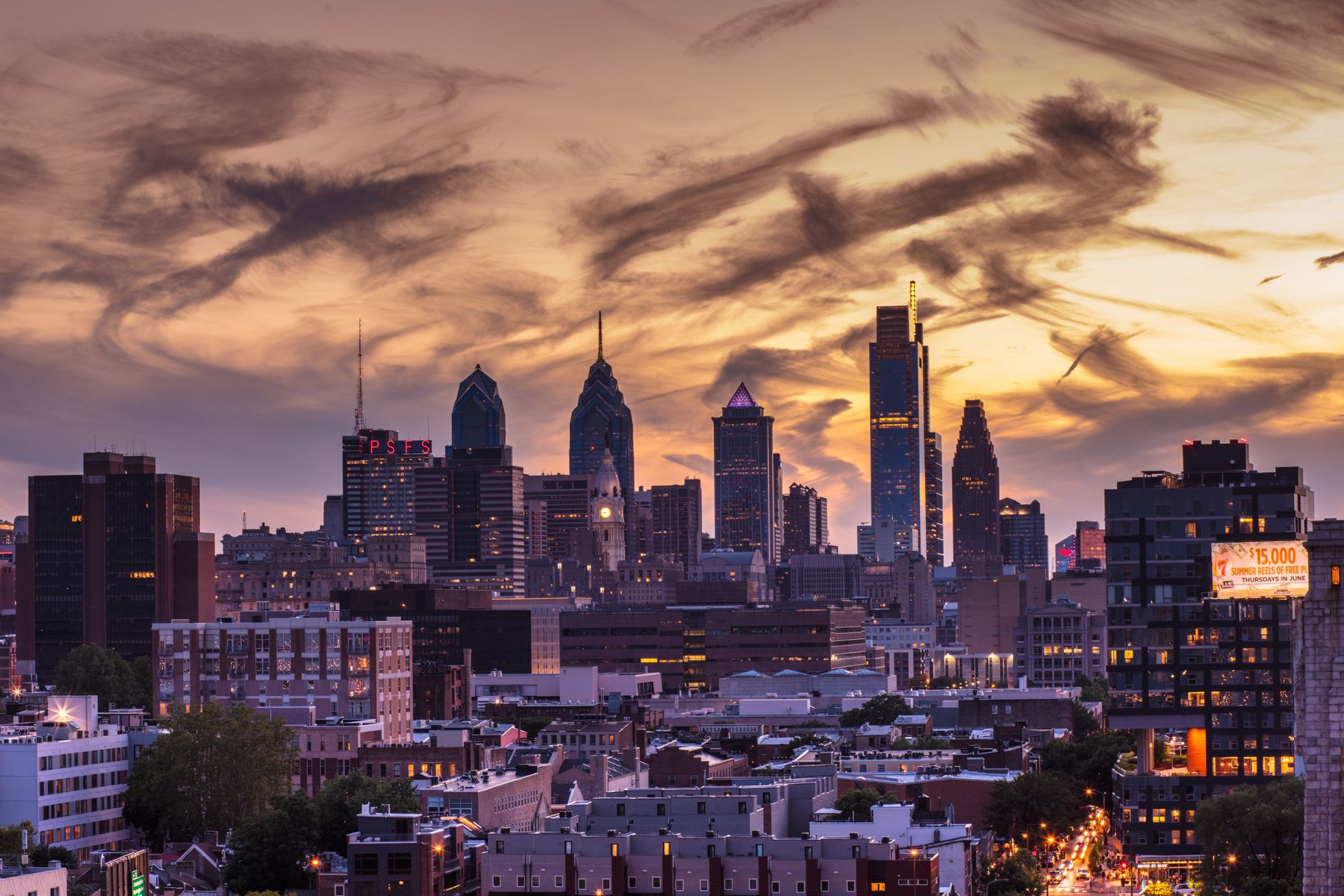
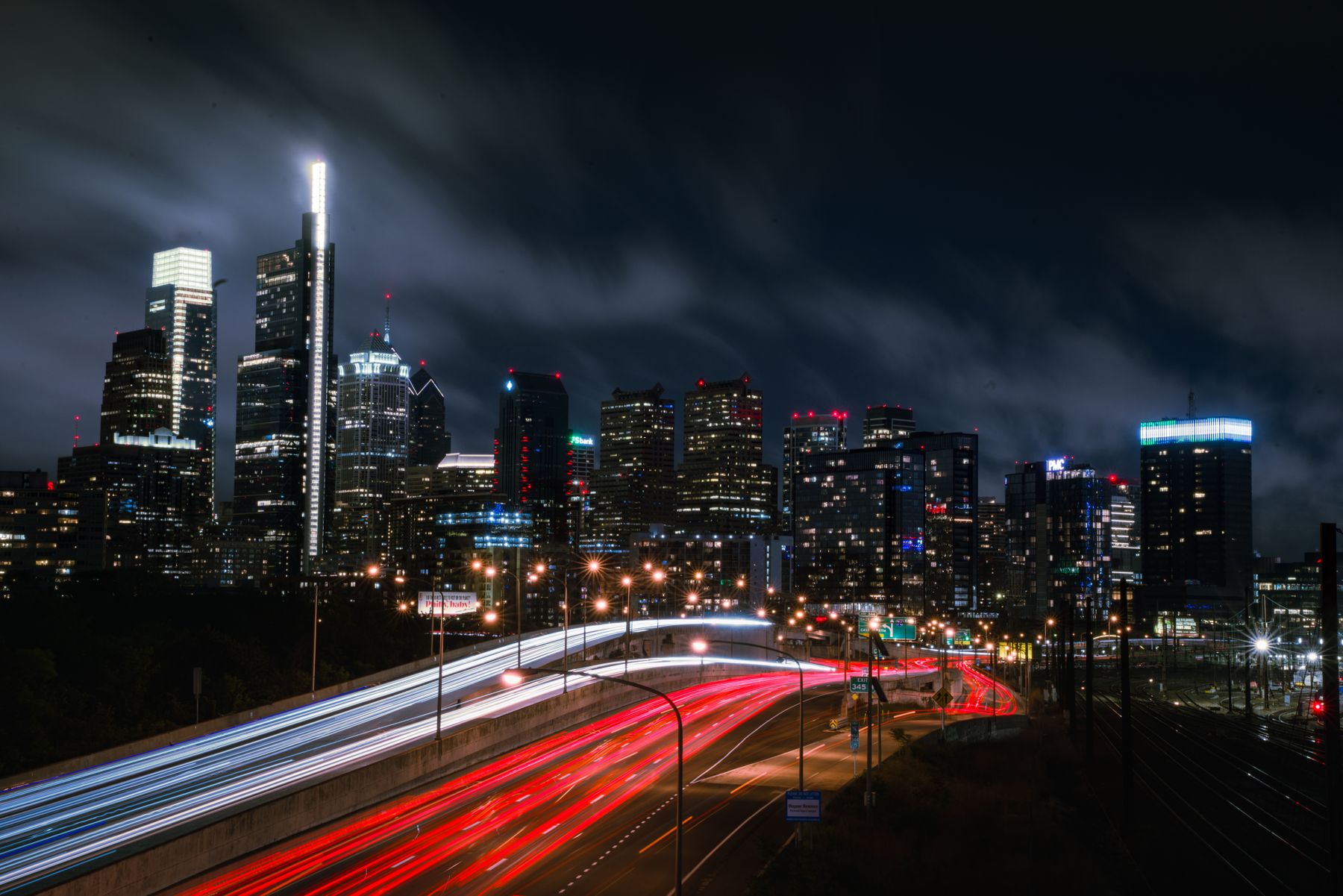
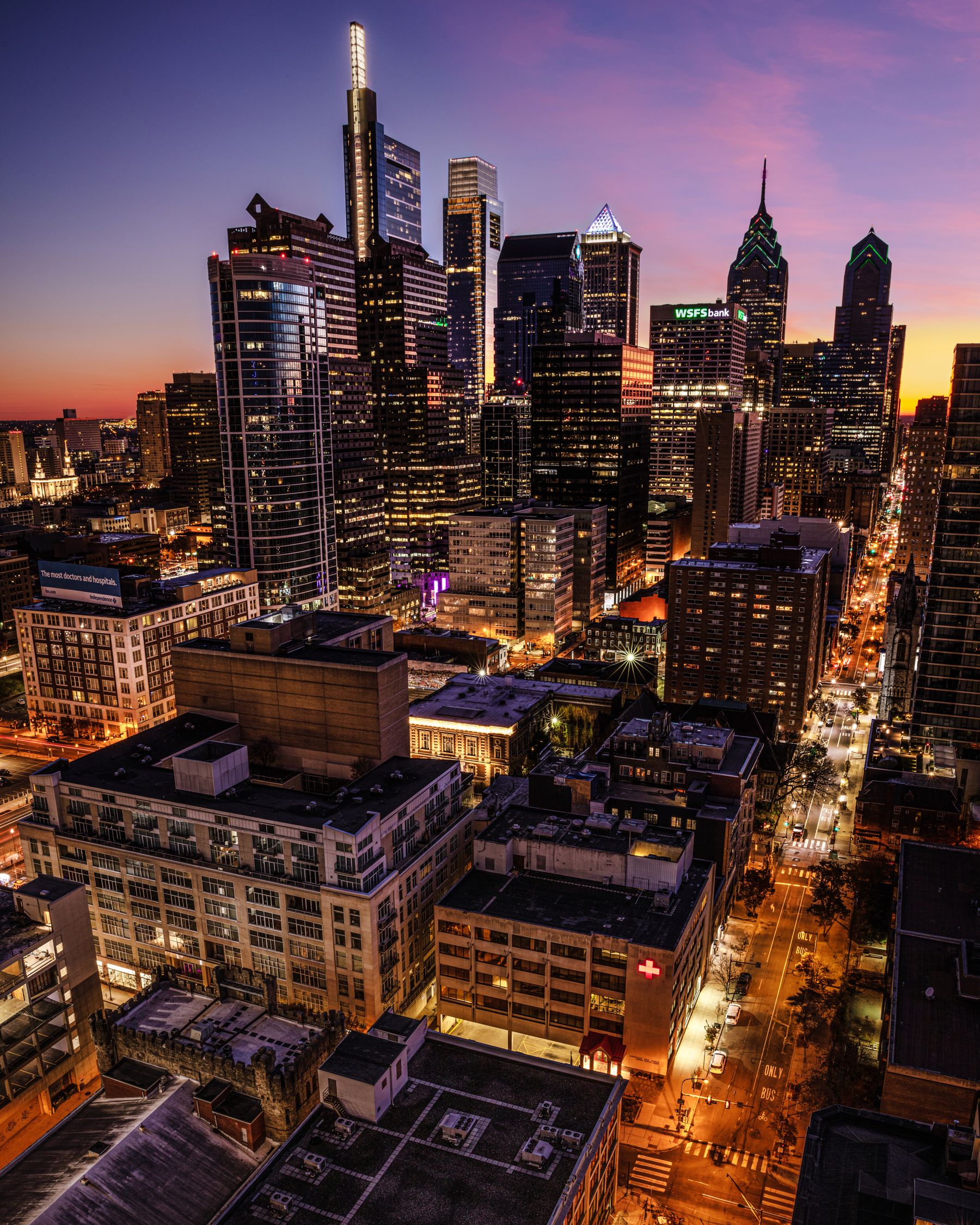
A look inside the Philadelphia Photographer’s Guide
Here are three of the actual shots you’ll find inside the PDF — cinematic full-page references for the exact spots, lenses, and lighting conditions documented in the guide. The full guide includes 12 locations, each with a hero image, GPS map, settings table, and a five-shot list.
Save
Before you shoot Philadelphia: the essentials
- Free public access: The Rocky Steps and grounds of the Philadelphia Museum of Art, all exterior views of Independence Hall and the Liberty Bell Pavilion exterior, City Hall exterior and courtyard, Elfreth’s Alley (public street, 24/7), Race Street Pier, Boathouse Row from Kelly Drive, Fairmount Water Works exterior, Ben Franklin Bridge pedestrian walkway, and all exterior murals including Common Threads are free to photograph publicly
- Commercial permits: Commercial photography on Philadelphia Parks & Recreation property (including PMA grounds, Fairmount Water Works, Race Street Pier) requires a media permit from the Philadelphia Film Office; $25 application fee plus $50–$150/day location fee; Certificate of Insurance required; submit at least 10 business days in advance via phila.gov. NPS Independence National Historical Park: under the EXPLORE Act (signed January 4, 2025), permits and fees are NOT required for still photography involving 8 or fewer individuals using hand-carried equipment in public areas that does not require exclusive site use. Groups over 8, productions needing exclusive access, or activities with significant NPS administrative impact still require a Special Use Permit — contact 215-597-9205. Philadelphia’s Magic Gardens: casual photography is encouraged; professional/posed shoots require a Photo Shoot Request form submitted 2 weeks in advance; $100/half-hour permit fee plus $50 non-refundable deposit; tripods and selfie-sticks are prohibited inside the garden
- Best photography seasons: Fall (mid-October) for golden foliage framing historic brick architecture and Boathouse Row reflections; Spring (late March–April) for cherry blossoms along the Schuylkill and at Fairmount Park; Summer (June–August) for vibrant waterfront parks, dramatic afternoon thunderhead skies over the Delaware, and long golden hours; Winter (December–February) for unobstructed Parkway views, dusting of snow on Elfreth’s Alley cobblestones, and dramatic ice-cold blue hour on the Delaware
- Blue hour notes: Blue hour is transformative for Philadelphia’s mix of 18th-century brick and 21st-century glass towers. Along the Delaware waterfront at Penn’s Landing and Race Street Pier, the Camden skyline and Ben Franklin Bridge cables ignite with LED illumination against a cobalt sky — typically 20–30 minutes after sunset. Boathouse Row’s 6,400 LED lights activate at dusk, turning the dark Schuylkill into a mirror of color. City Hall’s William Penn statue glows warmly against the deepening sky when viewed down South Broad Street. The Blue Hour window in Philadelphia runs approximately 25–35 minutes after sunset and before sunrise
- Drone policy: Most major U.S. cities restrict drone flight in airspace and via local ordinances. Check FAA + city rules before launching.
- Local resource: Official visitor information
The full-resolution version of every map below — plus seasonal calendars, gear notes per location, sun-angle diagrams, and a complete photographer’s packing checklist — is inside the Philadelphia Photographer’s Guide PDF ($47).
1. Philadelphia Museum of Art — Rocky Steps
The Rocky Steps offer one of the most cinematically charged viewpoints in American urban photography: 72 wide granite steps descending to Eakins Oval, with the entire Ben Franklin Parkway — a Haussmann-inspired diagonal boulevard modeled on the Champs-Élysées — receding 1.5 miles to City Hall and the William Penn statue. No other viewpoint in Philadelphia compresses this much civic iconography into a single frame. The steps gained global pop-culture immortality from the Rocky (1976) training sequence, and the bronze Rocky Balboa statue at the base adds a uniquely Philadelphia narrative layer. At sunrise with low fog over the Parkway, the boulevard appears to float above the city like a river of golden light.
- GPS: 39.9655, -75.1811
- Elevation: 98 ft
- Best time of day: Sunrise and early morning (golden hour); blue hour; late afternoon golden hour looking west
- Sun direction: The museum’s east-facing portico and steps face approximately 90° east-southeast. At sunrise (azimuth roughly 80–100° in spring/fall, 60–70° in summer), the rising sun comes directly from ahead as you stand on the steps looking down the Parkway — creating warm front-lighting on the Washington Monument obelisk at Eakins Oval and the long boulevard receding to City Hall. The Ben Franklin Parkway runs NW-SE at roughly 45°, so in June the sunrise azimuth (~63°) is slightly left of the Parkway axis, and in September (~82°) it aligns almost perfectly with the corridor. At sunset, the museum’s front façade and steps are backlit — ideal for silhouette compositions. Golden hour light in late afternoon rakes across the museum’s neoclassical columns from the southwest, giving dramatic column texture.
- Access: 2600 Benjamin Franklin Parkway, Philadelphia, PA 19130. The exterior steps and grounds are publicly accessible 24/7 at no charge. The museum interior is open Tuesday–Sunday 10 AM–5 PM (Friday until 8:45 PM); admission ~$30 adults. SEPTA buses 32 and 43 stop nearby; Phlash tourist bus from Center City. Paid parking in the underground museum garage off Fairmount Ave ($10–$18). Tripods are permitted on the exterior steps and grounds; PMA media permit required for commercial shoots on museum property — contact the Philadelphia Film Office at least 10 business days in advance.
- Difficulty: Easy — flat plaza at base and top, 72 stone steps in between; ADA ramps available on the sides
- Recommended settings: Sunrise Parkway View: aperture: f/11, shutter: 1/15s, iso: 200, lens: 24-70mm or 16-35mm, notes: Shoot from the top landing or mid-step position looking southeast down the Parkway. Use a tripod for the 10–15 minute pre-dawn window when the sky glows magenta before the sun crests. Bracket ±1.5 EV to handle the bright sky vs. dark boulevard foreground. A 0.6 graduated ND filter helps balance exposure. · Blue Hour Cityscape: aperture: f/8, shutter: 8s, iso: 400, lens: 24-70mm, notes: From the top of the steps 20–30 minutes after sunset, the Parkway streetlights activate and the distant City Hall illuminates. Car headlight trails add kinetic energy to the frame. Use Live View for precise manual focus on the City Hall tower at the end of the boulevard. · Rocky Statue Portrait: aperture: f/5.6, shutter: 1/250s, iso: 400, lens: 70-200mm at 135mm, notes: Shoot the Rocky statue from the bottom of the steps using a telephoto to compress the statue against the museum columns. Early morning backlight from the east creates a rim-lit silhouette; use exposure compensation +1 EV to open the shadows. · Wide Architecture: aperture: f/11, shutter: 1/125s, iso: 100, lens: 16-35mm, notes: From the bottom of the steps, use a 16–20mm focal length to include the full spread of the 166-foot-wide museum portico above and the Eakins Oval fountain below. A polarizer deepens the Greco-Roman columns’ tonal contrast on blue-sky mornings.
Shots to chase:
- Parkway sunrise corridor: from the top step landing, frame the Washington Monument obelisk at Eakins Oval as mid-ground anchor with City Hall’s Penn statue as a tiny silhouette at the far vanishing point — captured in the 5-minute window when sky turns gold
- Rocky triumphant imitation: use a wide 20mm from the museum base looking up the steps — include a real person in mid-run at step 40 for authentic scale and energy in the tradition of the 1976 scene
- Blue hour Parkway light-trail: from the top step, use 10–15 second exposure to capture headlight and taillight trails flowing along both sides of the Parkway boulevard against the illuminated museum facade
- Telephoto City Hall compression: from the top landing with a 200mm lens, isolate City Hall’s tower and Penn statue as it floats at the end of the tree-lined Parkway — works best in morning haze for atmospheric depth
- Museum facade reflection: after rain, the water on the stone plaza below the steps creates imperfect reflections of the Ionic columns — get low with a 24mm for a moody, asymmetric reflection shot
Pro tip: Arrive at the top of the steps 20–30 minutes before official sunrise for the pre-dawn alpenglow window when the Parkway corridor glows deep magenta with zero foot traffic. Weekday mornings between 6–7 AM have the fewest Rocky-pose tourists; by 9 AM on weekends the steps are crowded for the rest of the day. The Washington Monument at Eakins Oval has a water fountain active April–October — at blue hour its lit jets add a sparkle of foreground interest. In winter, the fountain is drained but the clearing of leaves opens Parkway views that summer canopy obscures.
Common mistake to avoid: Standing at the exact center of the top landing rather than shifting 10–15 feet to one side, which puts you off-axis with the Parkway and loses the City Hall alignment. Shooting only at sunrise and missing the equally excellent blue hour when the streetlights activate. Leaving immediately after sunrise without exploring the lower Eakins Oval viewpoint, which gives a more dramatic upward angle on the museum’s columns with the statue silhouetted against the portico.
2. Boathouse Row — Kelly Drive Viewpoint
Boathouse Row is one of America’s most recognized and most-photographed urban waterfronts — a cluster of 10 eclectic Victorian-era rowing clubs built between 1861 and 1905, each outlined with LED lights that make the row sparkle after dark like a film set come to life. The 6,400 LED lights can cycle through rainbow colors for special events and holidays, creating an almost surreal display. In autumn, the hillsides of Fairmount Park behind the boathouses turn brilliant gold and orange, doubling the color richness of reflection shots. No other major American city has this combination of preserved Victorian riverfront architecture, active elite rowing culture, and nightly illumination ritual at the edge of its premier park.
- GPS: 39.9694, -75.1854
- Elevation: 30 ft
- Best time of day: Blue hour (dusk primary); sunrise golden hour (secondary); winter for ice reflections
- Sun direction: Boathouse Row runs roughly north-south along the east bank of the Schuylkill, with the boathouses facing west across the river. At sunrise, the eastern sky lights up behind the boathouses, creating a dramatic backlit silhouette from the opposite (west/Lemon Hill) bank. At sunset, warm golden light falls directly on the Victorian and Italianate boathouse facades from the southwest, illuminating the ornate gable details and brick arches. Blue hour is the signature window: approximately 20–30 minutes after sunset the 6,400 LED lights outlining all 10 boathouses activate, and in calm conditions the entire illuminated row reflects in the Schuylkill. The best reflection angle is from the Schuylkill River Trail on the opposite bank (Lemon Hill/West River Drive side) at eye-level with the river surface.
- Access: Viewpoint on the west bank: from Lemon Hill Drive off Kelly Drive in Fairmount Park. The Schuylkill River Trail runs along the west bank and is free, open 24/7. Parking: Kelly Drive has pull-offs near the boathouses; alternatively park at the Philadelphia Museum of Art garage (0.4 miles south) and walk north. SEPTA Bus 38 stops at Kelly Drive. The I-76 overpass provides an elevated view but is not a safe photography platform. The boathouses themselves belong to private rowing clubs; entry is not publicly available for photography.
- Difficulty: Easy — flat paved trail along the riverbank; walking distance from PMA
- Recommended settings: Blue Hour Reflection: aperture: f/8, shutter: 10s, iso: 400, lens: 24-70mm, notes: From the west bank trail, get your tripod at near-river-level — the lower the better for maximum reflection. Shoot 20–35 minutes after sunset when the LED lights are at full brightness and the sky still holds cobalt color. Use a remote shutter release to eliminate camera shake during the long exposure. Check wind apps — even 5 mph will ripple the surface and blur reflections. · Sunrise Silhouette: aperture: f/11, shutter: 1/125s, iso: 200, lens: 70-200mm, notes: From the east bank (Kelly Drive side, near the boathouses), shoot back west across the river at the Lemon Hill bluffs catching first light, with the boathouse facades in the warm foreground. Telephoto compression stacks the Victorian gables against the glowing sky. · Fall Foliage Reflection: aperture: f/11, shutter: 1/4s, iso: 100, lens: 16-35mm, notes: Mid-October mornings after a calm night. Overcast skies deliver the most saturated color in reflections — bright sun creates harsh contrast. Include a reed or rock as near foreground to give the composition a grounding anchor. A polarizer at 45° rotation selectively removes glare without eliminating the reflection entirely. · Rainbow Led Display: aperture: f/8, shutter: 15s, iso: 800, lens: 24-70mm, notes: During holidays or special events, the LEDs cycle through colors. Use a 15-second exposure to capture 2–3 color cycles as color-blended streaks in the reflection. Check the Boathouse Row events calendar at Kelly Drive for scheduled color displays.
Shots to chase:
- Classic blue hour reflection: from the Schuylkill River Trail west bank, compose all 10 boathouses reflected in the river with cobalt sky above — the definitive Boathouse Row image, best 25 minutes after sunset
- Fall foliage double: mid-October morning from the west bank, the hillside behind the boathouses turns gold-orange and doubles in the still river — use a polarizer to balance the color saturation between sky and water
- Dawn rower silhouette: position on the east bank at 6 AM during regatta season and use a 200mm to catch a single scull or eight-person shell sliding past the illuminated boathouses in the pre-sunrise mist
- LED rainbow event: check the Boathouse Row calendar for green (St. Patrick’s), pink (breast cancer awareness), or pride rainbow displays — these long-exposure color abstractions are unique social-media drivers
- Winter ice foreground: after hard freezes in January–February, the Schuylkill’s shoreline ice creates a jagged foreground texture with the boathouse reflections dancing behind — an undershot and highly distinctive composition
Pro tip: The optimal reflection position is from the Schuylkill River Trail at the Lemon Hill Park section, approximately opposite boathouses #4–#7. Arrive 45 minutes before sunset to scout river conditions and set up before the LED lights activate. The LEDs typically turn on automatically at dusk — usually within 10–15 minutes of official sunset. Calm winds are critical: download a wind forecast app (Windy or Weather Underground) and target evenings when speeds are below 5 mph for mirror-like reflections. Weekend regattas in April and October bring sculls onto the water during golden hour — call the Schuylkill Navy at 215-985-4086 for regatta dates.
Common mistake to avoid: Shooting from the east bank (Kelly Drive) directly beside the boathouses rather than from the opposite west bank where the reflections and full row are visible. Arriving too early before the LED lights activate and leaving when the sky turns dark — the sweet spot is the 15-minute overlap when sky color and LED intensity are balanced. Using a tripod that’s too high: the lower the camera, the more river fills the frame and the stronger the reflection.
3. Independence Hall + Liberty Bell Area
Independence Hall is the single most historically charged architectural subject in the United States — a Georgian brick building where both the Declaration of Independence (1776) and the US Constitution (1787) were debated and signed. As a UNESCO World Heritage Site, it anchors Philadelphia’s status as the birthplace of American democracy. The building’s mid-18th-century proportions — red Flemish-bond brickwork, white wooden steeple, symmetrical wings — have an elegance rare among colonial American structures. The glass-walled Liberty Bell Pavilion across the street allows photographers to include the bell in the foreground with Independence Hall directly behind through the glass — a layered composition combining 1751 cast bronze and 1753 Georgian architecture in a single frame.
- GPS: 39.9489, -75.15
- Elevation: 18 ft
- Best time of day: Sunrise (primary) for frontal soft light and zero crowds; blue hour/dusk for lamplight atmosphere; fall golden hour for brick-glow
- Sun direction: Independence Hall faces south on Chestnut Street, with the main clock tower facade on the south (Chestnut St) side and the rear garden (Independence Square) on the north. At sunrise, the sun rises to the east-southeast — from Independence Square (south lawn), the clock tower catches warm side-light as early as 6:30 AM. By mid-morning in summer, the full south facade receives direct frontal light from the southeast. The golden hour window before sunset (from the west) side-lights the clock tower and illuminates the white steeple against a warm sky. The best frontal lighting for the iconic symmetrical south-facade shot is approximately 8–10 AM in spring/fall when the sun is 20–30° above the horizon from the southeast. Blue hour is ideal from Independence Square — lamppost illumination activates and the brick glows warmly against cobalt sky.
- Access: 520 Chestnut Street, Philadelphia, PA 19106 (Independence Hall); Liberty Bell Center at 526 Market Street. Both are within Independence National Historical Park. The exterior grounds and Independence Square are freely accessible 24/7. Independence Hall tours (required to enter the building) are free but time-ticketed through Recreation.gov or at the Visitor Center (first-come morning tickets). Under the 2025 EXPLORE Act, groups of 8 or fewer using hand-carried equipment in public areas do not need an NPS photography permit. Groups over 8 or productions requiring exclusive site access contact INDE Special Events Office: 215-597-9205. Liberty Bell Pavilion: free, open 9 AM–5 PM daily. No tripods inside either building; tripods freely permitted on exterior grounds.
- Difficulty: Easy — flat pedestrian mall; no admission or physical challenge for exterior photography
- Recommended settings: Sunrise South Facade: aperture: f/11, shutter: 1/30s, iso: 200, lens: 16-35mm or 24-70mm, notes: From directly south on the Independence Square lawn, set up 20 minutes before sunrise. Include the colonial lamp posts and flagstone path as leading lines. Bracket ±1 EV — brick tones and white steeple create a 3-stop contrast range in bright morning light. A polarizer darkens the blue sky and enriches the brick saturation. · Blue Hour Lamplight: aperture: f/8, shutter: 8s, iso: 400, lens: 24-70mm, notes: From Independence Square at dusk, the colonial-style lampposts activate and the clock tower is floodlit. Use the lamp posts as foreground elements with the tower as mid-ground and darkening sky behind. At 8 seconds, lamp glow creates warm halos — check histograms to avoid blown lamp highlights. · Liberty Bell Through Glass: aperture: f/8, shutter: 1/125s, iso: 800, lens: 24-70mm at 35mm, notes: Inside the Liberty Bell Pavilion (open 9 AM–5 PM), shoot the bell with Independence Hall framed through the glass wall behind it. Arrive at 9 AM on weekdays before tour groups arrive. Use a lens hood to minimize glass reflections; position your lens very close to the glass. · Architectural Detail: aperture: f/8, shutter: 1/250s, iso: 100, lens: 70-200mm at 135mm, notes: Use telephoto from the Chestnut Street pedestrian zone to isolate the clock tower and steeple against a cloud-streaked sky. The louvered belfry windows and octagonal clock faces are richly detailed at this focal length. Overcast days eliminate harsh shadows on the white woodwork.
Shots to chase:
- Symmetrical south-facade at sunrise: from center-axis of the Independence Square south lawn, catch the full Georgian symmetry with lamppost and path leading lines in the 15-minute window when sky is pink and brick is warm
- Liberty Bell + Hall two-shot: inside the Pavilion at opening (9 AM sharp, before crowds), compose the cracked bell in sharp foreground with Independence Hall framed through the rear glass wall in soft morning light
- Blue hour lamp atmosphere: at dusk from the north side of the square, use the activated period-style lampposts to frame the clock tower against cobalt sky — this is the most atmospheric, least-shot version of the classic facade
- Period costume detail: when NPS rangers in 18th-century dress conduct tours on Chestnut Street, use a 135mm to document the anachronistic juxtaposition of tricorn hats against the modern glass IRS building across the street
- Tree-framed autumn tower: from the northeast corner of Independence Square in mid-October, a large oak turns golden and frames the steeple — telephoto at 135mm isolates the steeple against fall color
Pro tip: The absolute best day for crowd-free exterior shots is a weekday (Tuesday–Thursday) morning between 6:30–8 AM in March–May or September–October. By 9:30 AM in summer, school groups and tour buses fill Independence Square. The south (Chestnut Street) facade photographs best in morning light; the rear garden photographs best in late afternoon side-light. Avoid mid-day on sunny summer days — the overhead sun flattens the brick texture and the white steeple blows out against blue sky. In winter (December–February), the bare trees open the sky and the Flemish bond brickwork takes on a pewter-grey tone that contrasts dramatically with snow.
Common mistake to avoid: Shooting the iconic south facade in the afternoon when it is in flat or side shadow. Positioning from the Chestnut Street sidewalk (north side) rather than Independence Square — the Square gives a full-facade view with natural foreground elements. Photographing only the building and missing the Liberty Bell + Hall glass-wall composite shot, which only works from inside the Pavilion with a wide-to-normal lens near the glass.
4. City Hall + LOVE Park (JFK Plaza)
Philadelphia City Hall is the largest municipal building in the United States and the only one topped with a statue of a city’s founder — the 37-foot, 27-ton bronze William Penn, designed by sculptor Alexander Milne Calder (grandfather of mobile sculptor Alexander Calder). From 1894 until 1987, no Philadelphia building was permitted to exceed the height of Penn’s hat (548 feet) — a gentleman’s agreement that ended when One Liberty Place was completed. The LOVE sculpture by Robert Indiana (a 1976 repro of his 1964 original) at JFK Plaza adds a globally recognized pop-art anchor 200 feet from City Hall’s tower. The combination of Victorian Second Empire architecture, public art, and clear Parkway sightlines makes this the visual heart of Philadelphia.
- GPS: 39.9524, -75.1636
- Elevation: 40 ft
- Best time of day: Blue hour (dusk primary); sunset (City Hall lit from west); early morning for Penn statue and deserted plaza
- Sun direction: Philadelphia City Hall sits at the intersection of Broad and Market streets. The building’s four identical facades face north, south, east, and west. The famous William Penn statue atop the 548-foot tower faces northeast. At sunrise, the eastern facade along Market Street receives direct morning light. The Penn statue is most effectively photographed looking up from the northwest corner, where at late afternoon (4–6 PM) the western sun backlights the bronze statue dramatically. At blue hour, the building’s floodlighting activates and the Penn statue glows warm gold against a cobalt sky — the best window for the full tower shot is from South Broad Street looking north, or from the LOVE Park plaza. The LOVE sculpture at JFK Plaza faces south, receiving northern ambient light all day — best with soft overcast or in late afternoon reflected light.
- Access: 1400 John F. Kennedy Boulevard (LOVE Park/JFK Plaza) at 15th Street; City Hall at Broad and Market Streets. Both are publicly accessible 24/7 on foot. Philadelphia City Hall observation tower (9th floor) is open for tours Monday–Friday 9:30 AM–4:15 PM; $6 admission. Broad Street Line SEPTA subway stops directly beneath City Hall. Market-Frankford Line at 15th Street. Street parking or paid garages on surrounding streets. Commercial photography on City property requires a permit from the Philadelphia Film Office ($25 application + $50–$150/day depending on crew size).
- Difficulty: Easy — fully paved urban plaza, zero physical challenge
- Recommended settings: Blue Hour Full Tower: aperture: f/8, shutter: 15s, iso: 400, lens: 16-35mm or 24-70mm, notes: From the courtyard arch at the south entrance or from South Broad Street looking north, include foreground granite pavers for depth. Use an 8–15 second exposure at blue hour to balance the tower’s warm floodlighting with the cool blue sky. Shoot as a vertical to capture the full 548-foot tower from base to Penn hat. · Penn Statue Backlit: aperture: f/11, shutter: 1/500s, iso: 200, lens: 70-200mm at 200mm, notes: Late afternoon (4–6 PM) from the northwest — the setting sun backlights the Penn statue, creating a rim-lit bronze silhouette. Expose for the sky to let Penn go to near-silhouette. At 200mm from City Hall’s northwest approach, the statue fills a meaningful portion of the frame against a sky dotted with clouds. · Love Sculpture Street Level: aperture: f/8, shutter: 1/125s, iso: 200, lens: 24-70mm at 35mm, notes: From ground level at the sculpture’s base, shoot up to include the letters against the sky or include City Hall tower in the background at 24mm. Overcast flat light prevents harsh shadows in the LOVE letters’ grooves and saturates the red paint. Include a person for scale. · City Hall Courtyard: aperture: f/11, shutter: 1/60s, iso: 400, lens: 16-35mm, notes: Walk through any of the four arched passages into the central courtyard (open Monday–Friday during business hours). The 4-story Victorian interior courtyard with carved stone medallions and the Calder fountain can be shot from the corner entrance arches using a wide lens for dramatic convergence lines.
Shots to chase:
- William Penn silhouette: from the northwest approach on Market Street, shoot up at the Penn statue at late afternoon to create a rim-lit bronze silhouette against an orange-and-blue sky — one of the most dramatic single-subject shots in Philadelphia
- LOVE + City Hall composite: from the LOVE Park plaza, position the sculpture in the sharp foreground at f/8 with the City Hall tower in the mid-ground — a uniquely Philadelphian layering of pop art and civic grandeur
- Blue hour tower vertical: from South Broad Street at Sansom, orient the camera in portrait mode and use a 24mm to capture the full tower from pavement to Penn hat in a single frame against cobalt sky
- City Hall tunnel framing: from inside one of the four archway tunnels, use the archway as a circular frame with the tower beyond — the tunnels have carved keystones that provide a rich foreground texture
- New Year’s Eve fireworks (if timed): City Hall is the focal point for Philadelphia’s public New Year’s celebrations — fireworks burst directly above the Penn statue at midnight for a once-a-year shot combining civic sculpture and pyrotechnics
Pro tip: City Hall’s four faces are lit identically at night, so any approach direction works for blue hour — but the Parkway view from the east (looking west down the Parkway axis with City Hall at the far end, from LOVE Park) is the most iconic. The observation tower on the 9th floor (inside the tower base, not the Penn level) opens at 9:30 AM and offers the only aerial view of Broad Street and the surrounding grid from 500 feet — the early Wednesday morning slot before tour groups arrives is the quietest. During the Mummers Parade on January 1st, Broad Street is closed to vehicles for blocks north and south of City Hall, offering a tripod-friendly parade photography opportunity.
Common mistake to avoid: Photographing the LOVE sculpture from too close (3–5 feet) and losing the City Hall tower context in the background. Shooting the Penn statue from street level with a wide lens — the statue is so high (548 ft) that it becomes a tiny feature; a 200mm+ telephoto from 1–2 blocks away is required for meaningful framing. Visiting only during the day and missing the blue hour when the Victorian stone work glows with warm floodlighting.
Want this in your pocket on the street?
The full-resolution version of every spot above — with full-page hero photography, GPS maps with gold location pins, sun direction diagrams, multi-season tables, and a complete safety + packing checklist — is inside the Philadelphia Ultimate Photographer’s Guide PDF ($47). Print it, save it offline, take it on the walk. Get the guide →
5. Reading Terminal Market — Interior
Save
Reading Terminal Market is one of the oldest and largest public markets in the United States, continuously operating since 1893 under the original iron-and-glass train shed. The historic cast-iron columns, ornate Victorian ironwork, and arched clerestory roof constitute a rare example of 19th-century railroad architecture adapted for food culture. It hosts approximately 80 merchants, including the largest Amish market outside of Pennsylvania Dutch Country — selling hand-crafted furniture, quilts, and traditional foods Wednesday–Saturday. The sensory density of this location is exceptional for photography: butcher cases gleaming under warm light, hand-lettered Amish signs, stacked produce with textural richness, and the architectural drama of the original 1893 columns visible above the market chaos.
- GPS: 39.9537, -75.1586
- Elevation: 38 ft
- Best time of day: Mid-morning (9–11 AM) for active vendors with natural skylight; weekdays to minimize crowd density; Saturday for Amish market at full operation
- Sun direction: Reading Terminal Market occupies the ground floor of the former Reading Railroad train shed at 12th and Arch Streets. The historic iron-and-glass train shed roof runs east-west, with large arched windows at the east and west ends. Morning light (8–10 AM) enters from the east end and rakes across the market stalls at a low angle, creating dramatic side-lighting on the cast-iron columns and vendor displays. Midday, the shed’s clerestory roof glazing provides diffuse overhead light — ideal for even interior exposure. Afternoon (2–5 PM) light from the west end gives a warm quality to the prepared food stalls. The artificial lighting from vendor stalls is warm-toned (approximately 2800–3000K) and mixed with the natural skylight — custom white balance at approximately 4200K usually gives the best balance.
- Access: 51 N 12th Street (entrance also at Filbert and Arch Streets), Philadelphia, PA 19107. Open Monday–Saturday 8 AM–6 PM; Sunday 9 AM–5 PM. Free admission; no tickets required. Nearest SEPTA: Jefferson Station (Market-Frankford Line, 2 blocks north); Convention Center Station (SEPTA Regional Rail, directly below). Street parking on 12th, Arch, and Filbert streets; paid garage at 12th and Filbert. No permit required for personal photography; commercial or professional productions should contact Reading Terminal Market management. Tripods may be restricted during peak hours due to congestion — use a monopod or brace against the columns.
- Difficulty: Easy — flat market floor, fully accessible; can be physically crowded during peak hours
- Recommended settings: Vendor Stall Portrait: aperture: f/2.8, shutter: 1/200s, iso: 1600, lens: 35mm f/1.8 or 50mm f/1.4, notes: Use a fast prime to keep ISO manageable in the mixed artificial/natural light. Set custom white balance to 4000–4500K to avoid the orange cast from halogen vendor lights. A 35mm on full-frame gives the ideal field of view to include stall context while staying close enough for vendor eye contact. · Architecture Iron Columns: aperture: f/8, shutter: 1/15s, iso: 800, lens: 16-35mm, notes: From the main central aisle looking north or south, use a wide lens to capture the repeating cast-iron columns receding to the vanishing point. At 1/15s on a monopod or braced against a column, the Victorian ironwork resolves sharply. Use Auto ISO cap at 3200; the shed light from the clerestory keeps it usable. · Amish Market Detail: aperture: f/4, shutter: 1/125s, iso: 1600, lens: 50mm, notes: The Amish vendors operate Thursday–Saturday, centered in the market’s south section. Shoot hand-lettered price signs, stacked pies, and quilts with a 50mm at f/4 for background separation. Ask permission before photographing individuals — Amish vendors are generally willing but should be asked respectfully. · Food Display Macro: aperture: f/5.6, shutter: 1/250s, iso: 800, lens: 24-70mm at 70mm, notes: Stacks of shoofly pie, Lebanon bologna, and Dutch cheese display exceptional textural richness at 70mm. Shoot at a slight downward angle with the vendor stall’s warm halogen light from the side for a food-editorial look. Set WB manually to 3000K to warm the halogen and deepen the food colors.
Shots to chase:
- Looking-glass aisle: from the south entrance, look north down the main market aisle at 9 AM on a Tuesday — the 120-year-old cast-iron columns recede symmetrically under the glass ceiling with vendors setting up and butcher lights glowing at the far end
- Amish handcraft tableau: Thursday morning in the Amish section, document hand-rolled pretzels or quilt arrangements with the contrast of 18th-century craft goods under Victorian 1893 ironwork — one of the most culturally resonant shots in the city
- Overhead produce color: many vendors allow shooting from the front of the stall looking straight down at stacked produce or baked goods — colorful flat-lay compositions that play well for editorial food work
- Market opening at 8 AM: the 10-minute window between stall setup and customer arrival gives a rare quiet moment when the architecture dominates and vendors arrange their displays under the clerestory light
- Reading Railroad typography: look for original 1893 Reading Railroad ironwork and painted lettering preserved in the upper structure of the shed — telephoto details of cast iron ornaments against the glass roof are architectural history in miniature
Pro tip: The Amish vendors occupy the southwest section of the market and operate only Thursday–Saturday, making Saturday morning (9–11 AM) the optimal time to photograph the full cultural diversity of the market. The hours immediately after opening (8–9 AM on weekdays) are the quietest and allow clean architectural photography before crowds fill the aisles. The DiNic’s Roast Pork stand near the center is one of the most photogenic food subjects in the city — the hand-carved pork with broccoli rabe has appeared in countless editorial pieces and is worth a detailed food-photography study. In December, the market adds a layer of holiday decoration that enriches the existing Victorian atmosphere.
Common mistake to avoid: Setting white balance to Auto and getting a green-orange mixed-light cast from the combination of halogen vendors and daylight shed. Using a kit zoom at f/5.6 and getting motion blur in the busy vendor areas — a fast prime at f/2.8 or wider is essential to keep shutter speed above 1/200s. Arriving on a Sunday afternoon when Amish vendors are absent and attendance is lower — the market is at its photographic best on Saturday morning.
6. Elfreth’s Alley
Elfreth’s Alley is the oldest continuously inhabited residential street in the United States, with documented occupancy since 1702–1704. Its 32 Georgian and Federal-period houses, built between 1720 and 1836, have never been demolished or substantially altered — making this the most intact surviving colonial streetscape in America. The combination of Flemish bond brickwork, colorful shutters, 18th-century flower boxes, and the original cobblestone paving creates a time-capsule photograph unlike anything else in a major US city. The extreme narrowness (16 feet) means that an ultra-wide lens captures the full vertical height of the three-and four-story brick facades while the cobblestone foreground dominates the lower frame.
- GPS: 39.9528, -75.1423
- Elevation: 20 ft
- Best time of day: Early morning sunrise (golden side-light on brickwork); overcast mornings for saturated color; spring and fall for flower boxes
- Sun direction: Elfreth’s Alley runs east-west between N. Front Street and N. 2nd Street, with the houses facing north and south along the alley. The alley is only 16–20 feet wide. In morning hours (7–10 AM), the sun comes from the east-southeast and penetrates the alley from the eastern (Front Street) end, raking warm light across the cobblestone surface and illuminating the flower boxes and shutters on the south-facing houses. By 10 AM in summer the sun climbs above the roofline and the alley interior goes into soft even light. In late afternoon (4–6 PM), the alley’s western (2nd Street) end receives golden raking light from the west. The north-south orientation of Front and 2nd Streets means direct sun enters the alley ends only during summer solstice months; in October–March the alley stays in soft shade all day — ideal for saturated color without harsh shadows.
- Access: Between 124–126 N. 2nd Street and N. Front Street, Philadelphia, PA 19106 (Old City neighborhood). Elfreth’s Alley is a public street open 24/7 at no charge; most of the 32 houses are private residences. The Elfreth’s Alley Museum at #124 and #126 is open Friday–Sunday 12 PM–4 PM, April–October; $5 admission. SEPTA Bus 5 or 17 stops at 2nd and Arch Street (2 blocks). Paid parking in lots on N. Front Street. No commercial photography permit is required to shoot in the alley itself as a public street; permits are required for productions that impede traffic.
- Difficulty: Easy — cobblestone surface (uneven, wear stable shoes); entire alley is only 300 feet long
- Recommended settings: Morning Cobblestone Glow: aperture: f/11, shutter: 1/30s, iso: 200, lens: 16-35mm, notes: From the eastern end (Front Street) at 7:30 AM, shoot down the alley length to the 2nd Street end. Low morning sun from the east rakes across the cobblestones revealing their rounded-top texture. Tilt the camera slightly downward to maximize cobblestone foreground. A polarizer enriches the brick red and shutter green and removes cobblestone glare after rain. · Autumn Color Dutch Angle: aperture: f/8, shutter: 1/125s, iso: 200, lens: 24-70mm at 35mm, notes: In mid-October, the small street trees at the alley ends and the window flower boxes (often still blooming) combine with brick warm tones for naturally saturated fall compositions. Stand at the alley center and compress both rows of facades toward a single vanishing point. · Blue Hour Lamplight: aperture: f/8, shutter: 20s, iso: 400, lens: 16-35mm, notes: At dusk, the 18th-century style reproduction lampposts at each end of the alley activate, casting warm pools on the cobblestones. Use a 20-second exposure to smooth the cobblestone surface while the lamplight creates a golden corridor effect. Residents occasionally keep porch candles lit — time the exposure when these are visible. · Architectural Detail: aperture: f/8, shutter: 1/125s, iso: 100, lens: 70-200mm at 135mm, notes: Step back to the end of the alley and compress individual facade details — the hand-painted house numbers, iron boot scrapers, and original 18th-century shutters — using a 135mm telephoto. Overcast days provide the best light for these brick-texture shots without harsh window-frame shadows.
Shots to chase:
- The vanishing-point shot: from the western end (2nd Street) looking east at sunrise, the parallel brick facade lines converge toward the glowing sky above Front Street, with cobblestones filling the lower third in golden raking light
- Bladen’s Court hidden courtyard: halfway down the alley, a narrow side passage called Bladen’s Court leads to a small hidden courtyard with an original 1700s water pump — a rare intimate colonial detail most visitors entirely miss
- Winter snow: a dusting of snow (1–2 inches) on the cobblestones and window ledges transforms the alley into a near-perfect recreation of colonial Philadelphia — the combination of white snow and red brick is the single most striking seasonal look
- Resident window life: in the evenings when residents are home, warm light spills from the 18th-century windows onto the cobblestones — long-exposure silhouette shots through lit windows with the dark alley as foreground have an Edward Hopper quality
- Candle-in-the-window tradition: historically, alley residents placed candles in windows to guide travelers — on certain colonial heritage weekends, residents revive this practice, creating a corridor of candlelit windows for documentary photography
Pro tip: The absolute prime window is a weekday morning between 7–8:30 AM in spring or fall — the alley is completely deserted and the golden raking light from the east end is at its richest. By 10 AM even on weekdays, tour groups appear. Avoid weekend afternoons entirely — the alley can fill with 30–50 visitors at once, making clear architectural shots impossible. After rain at any time of day, the wet cobblestones reflect the brick facades and lampposts beautifully — a quick-reaction opportunity after any shower. The Elfreth’s Alley Museum at #124 and #126 is worth the $5 entry for interior colonial-era detail photography when open Friday–Sunday.
Common mistake to avoid: Shooting from the center of the alley with a normal focal length, which doesn’t capture the full height of the facades — you need either a wide angle (16mm) from ground level, or a telephoto (135mm) from the alley entrance for facade-compression shots. Missing the Bladen’s Court side passage and the hidden colonial water pump. Visiting on a weekend afternoon when crowds make architectural shots impossible.
7. Philadelphia’s Magic Gardens
Philadelphia’s Magic Gardens is the life work of mosaic artist Isaiah Zagar, who spent three decades (1994–2008) encrusting a half-block of South Street properties — walls, courtyards, and passageways — with hand-broken mirror tiles, bike wheels, Zagar’s own hand-painted tiles, antique bottles, and found objects from around the world. The result is one of the most visually hallucinatory environments in any American city: a three-dimensional mosaic landscape where every surface is covered in spectral color, self-portraiture, folk narrative, and Zagar’s signature folk-art iconography. The combination of reflective mirror tiles, colored glass, and hand-lettered poetry creates an image that changes completely with every 6 inches of movement — no two compositions are identical.
- GPS: 39.9434, -75.1597
- Elevation: 28 ft
- Best time of day: Weekday opening (11 AM–1 PM) for soft daylight; overcast days for saturated mosaic color without harsh shadows; avoid direct midday sun
- Sun direction: The Magic Gardens occupies an indoor-outdoor mosaic space at 1020 South Street, with the main outdoor garden area partially roofed by found-object sculptures. Walls face multiple directions due to the irregular courtyard layout. Diffuse overcast light (10,000 lux) is ideally suited to the mosaic surfaces, which create their own spectral complexity — direct sunlight (particularly from 11 AM–2 PM in summer) creates blown highlights on tile surfaces and harsh shadows that cut across mosaics mid-composition. The interior gallery portion is windowless with artificial warm lighting (approximately 2800K). The outdoor sections receive best light on overcast mornings when the sky acts as a giant soft box.
- Access: 1020 South Street, Philadelphia, PA 19147, between 10th and 11th Streets. Open Wednesday–Monday 11 AM–6 PM (closed Tuesdays); last admission 5:45 PM. Admission: $15 adults, $12 students/seniors/disability, $8 children ages 6–12. Pre-purchased timed tickets strongly recommended; Saturday and Sunday slots sell out. SEPTA Bus 40 (South Street) stops directly in front. Closest parking garage at 11th and South Streets. Photography rules: casual photography is fully permitted and encouraged; professional/posed photoshoots require advance scheduling and permit — contact PMG at least 2 weeks ahead; $50 non-refundable deposit plus $100 per half-hour permit fee. Tripods and selfie-sticks are prohibited at all times. Commercial use of images of Zagar’s artwork may require additional rights clearance.
- Difficulty: Easy — small enclosed space; some uneven mosaic-covered surfaces; fully traversable in 30–45 minutes
- Recommended settings: Overcast Mosaic Wide: aperture: f/8, shutter: 1/125s, iso: 800, lens: 16-35mm, notes: On an overcast day, the mosaic surfaces are evenly lit without tile-level specular highlights. Use f/8 to keep the full depth of the irregular walls in focus. A circular polarizer reduces the mirror-tile reflections by approximately 1.5 stops, revealing the underlying colored tile more clearly. · Mirror Reflection Abstraction: aperture: f/5.6, shutter: 1/200s, iso: 800, lens: 24-70mm at 50mm, notes: Lean close to a mirror-tile section and use auto-focus on the reflection of another mosaic section visible in the tiles. At f/5.6, both the tile surface and the reflected image share focus while the surrounding tiles blur into colorful bokeh. These abstract compositions are difficult to replicate anywhere else. · Interior Gallery Handheld: aperture: f/2.8, shutter: 1/60s, iso: 3200, lens: 35mm f/1.8, notes: The gallery interior has no natural light and uses warm halogen spotlighting on individual mosaic panels. Set WB to approximately 3000K, use IBIS or steady your arms against the door frame. In-camera noise reduction at ISO 3200 is acceptable given the mosaic’s inherent texture obscures grain. · Overhead Courtyard: aperture: f/8, shutter: 1/250s, iso: 400, lens: 16-35mm, notes: In the outdoor central courtyard, look up for a view of mosaic-covered arches and bottle-glass ceiling panels against the sky — a radically different perspective that most visitors standing at ground level miss. Use a wide angle and shoot straight up to capture the circular sky framed by Zagar’s surface.
Shots to chase:
- Mirror-tile self-portrait: position yourself in front of a large mirror-tile section so that your own reflection appears inside the mosaic’s imagery — a meta-photographic statement unique to this location
- Color compression: use a 50mm at f/5.6 to compress a 10-foot wall section into a flat, dense pattern of tile colors — the result reads as pure abstraction, closer to a Klimt painting than a photograph of architecture
- Bottle-glass light: look for sections where embedded wine bottles have been set into the walls — in morning light, the circular bottle bottoms act as miniature light diffusers creating glowing spots in the mosaic texture, best captured at 1:1 macro distance
- Zagar narrative detail: the murals contain embedded text, self-portraits, and folk narrative across dozens of panels — use a 70mm to document specific narrative sections as standalone editorial images with clear tile-to-text compositions
- Visitor in the maze: include a figure (with permission) standing in the courtyard surrounded by 20-foot mosaic walls — the human scale against the total-coverage environment communicates the immersive scale that detail shots alone cannot
Pro tip: The first entry time slot (11 AM) on a Wednesday or Thursday has the fewest visitors — typically 5–10 people versus 50+ on Saturday afternoons. Overcast days are photographically superior to sunny days at this location — specular reflections from mirror tiles in direct sun blow highlights and reduce color saturation. Since tripods are prohibited, practice lean-and-brace technique: lean your elbows against the mosaic walls for stability during exposures below 1/60s. The outdoor courtyard’s upper-level walkways (accessed by a narrow staircase) give an aerial view of the entire site — most visitors don’t ascend these, making overhead compositions very rare.
Common mistake to avoid: Visiting on a bright sunny afternoon — the direct sun creates a mirror-ball effect on the thousands of tile pieces, making exposure management nearly impossible and producing cluttered, over-bright images. Using a zoom lens and missing the dedicated macro or prime opportunities for tile-level detail work. Failing to look up — the ceiling panels, arch interiors, and embedded bottle-glass elements above eye level are among the most striking compositions in the space.
8. Spruce Street Harbor Park / Penn’s Landing
Spruce Street Harbor Park combines a permanently beautiful Delaware River waterfront setting with a seasonal overlay of colorful hammocks, illuminated floating gardens, and string lights that transform Penn’s Landing into one of the most photogenic urban public spaces on the East Coast. The park directly frames the Walt Whitman Bridge to the south and the Ben Franklin Bridge to the north, giving every composition a dramatic infrastructure anchor. The Philadelphia skyline to the west provides the classic backdrop. In summer at blue hour, the scene reaches its maximum complexity: neon hammocks, bridge cable lights, river reflections, and the orange glow of the dying sky all coexist in a single 24mm frame.
- GPS: 39.9421, -75.1359
- Elevation: 10 ft
- Best time of day: Sunset and blue hour (primary, May–September when park is open); sunrise golden hour for Delaware River light (secondary)
- Sun direction: Spruce Street Harbor Park sits on a floating platform on the Delaware River, oriented east-west. The Delaware River waterfront faces east across to Camden, NJ. Sunrise comes directly over Camden and the New Jersey shoreline from due east (~90°), creating dramatic front-lighting on the Philadelphia waterfront. Sunset falls behind the Philadelphia skyline to the west — meaning from the waterfront, the setting sun silhouettes the skyline in warm orange tones. At golden hour in summer (7:30–8:30 PM), the sky above the Philadelphia buildings turns orange-pink while the Delaware’s surface reflects the warm hues in bands of color. Blue hour (20–30 minutes after sunset) is the signature window: the park’s colorful string lights and hammocks illuminate, and the Camden bridge lights (Walt Whitman Bridge to the south) and Ben Franklin Bridge cables to the north create bookending illuminated frames.
- Access: Columbus Boulevard at Spruce Street, Philadelphia, PA 19106. The park is open seasonally, approximately May 23–September 28 annually; free entry and open to the public 7 days a week including holidays. Delaware River waterfront boardwalk is accessible year-round. SEPTA buses to Columbus Boulevard (Routes 17, 21). Nearest paid parking at Market and Lombard Streets (DRWC-owned lot). Spruce Street Harbor Park concessions are pay-as-you-go. For commercial photography on Delaware River Waterfront Corporation property, contact DRWC at 215-922-2386.
- Difficulty: Easy — flat waterfront boardwalk and floating pier; ADA accessible
- Recommended settings: Blue Hour Skyline: aperture: f/8, shutter: 15s, iso: 400, lens: 16-35mm, notes: From the floating pier’s eastern edge, face west toward the Philadelphia skyline at blue hour. The 15-second exposure smooths the Delaware’s surface into a mirror and captures the city reflection. Include the colorful hammock strings in the upper right or left for scale and color contrast against the cobalt sky. · Sunset Silhouette: aperture: f/11, shutter: 1/500s, iso: 200, lens: 70-200mm, notes: Telephoto from the waterfront looking west at sunset to compress the Comcast Technology Center and One Liberty Place against the orange sky. At 1/500s, the rippled water surface freezes into silver-orange texture below the skyline silhouette. · Hammock Color Detail: aperture: f/2.8, shutter: 1/500s, iso: 400, lens: 35mm or 50mm, notes: During summer operating hours (noon–10 PM), the neon hammocks against the blue river make bold color studies. Shoot at f/2.8 to isolate an occupied hammock with the Camden skyline softly defocused behind. The intense color contrast of hot pink, lime green, and electric blue hammocks against the steel-blue Delaware is arresting. · Night Bridge Reflection: aperture: f/8, shutter: 20s, iso: 800, lens: 24-70mm at 24mm, notes: After 9:30 PM from the northern end of the boardwalk, the Ben Franklin Bridge’s LED undercarriage reflects in the river as a rippling blue cable pattern. Use 20 seconds to capture both the bridge static structure and the water-reflection movement as a soft elongated glow.
Shots to chase:
- Classic blue hour west-facing skyline: from the floating pier deck at blue hour, capture the Philadelphia skyline reflected in the Delaware with colorful string lights framing the near foreground — this is the primary Penn’s Landing shot
- Hammock life portrait: a person in a neon hammock gazing across the river toward Camden at golden hour, backlit by the setting sun — human scale and color pop combine for a strong social editorial image
- Ben Franklin Bridge north frame: from the north end of the boardwalk, the bridge’s massive blue steel cables frame the upper third of the shot while the floating gardens and boardwalk fill the lower frame in a classic converging-lines composition
- Camden skyline night reflection: looking east toward Camden at 10 PM — the Susquehanna Bank Center (now Freedom Mortgage Pavilion) lights and New Jersey waterfront buildings create a reflection-heavy composition distinct from the main west-facing Philly shots
- Storm aftermath: post-thunderstorm sunsets over the Delaware produce the most dramatic orange and purple sky conditions — arrive 20 minutes after storm passage when the sky clears from the west and the river surface still reflects agitated wave patterns
Pro tip: Spruce Street Harbor Park operates seasonally (approximately late May–late September) — check the Delaware River Waterfront Corporation website before planning a visit. The year-round boardwalk is always accessible, but the hammocks and lighting installations are seasonal. The best-kept secret is the north end of the boardwalk near Race Street Pier, where the Ben Franklin Bridge cables fill the sky overhead at f/16 for a starburst pattern. Evening hours (8–10 PM) in July and August are when the park reaches maximum visual richness — the heat keeps people out until the evening cool, and the delay makes the light better anyway.
Common mistake to avoid: Visiting only in the morning and missing the entire point of this location — the park’s visual identity is defined by its evening ambiance and sunset/blue hour light. Shooting only west toward the Philly skyline and missing the east-facing Camden waterfront compositions. Arriving during the park’s closed season (October–May) without checking the seasonal schedule.
Want this in your pocket on the street?
The full-resolution version of every spot above — with full-page hero photography, GPS maps with gold location pins, sun direction diagrams, multi-season tables, and a complete safety + packing checklist — is inside the Philadelphia Ultimate Photographer’s Guide PDF ($47). Print it, save it offline, take it on the walk. Get the guide →
9. Benjamin Franklin Bridge — Pedestrian Walkway
Save
The Benjamin Franklin Bridge, completed in 1926, was the world’s longest suspension bridge at the time of its construction and remains the defining infrastructure icon of the Philadelphia-Camden waterfront. The pedestrian walkway runs along the south side of the bridge at up to 260 feet above the Delaware River, offering an elevated perspective on both city skylines unavailable from any ground-level location. The bridge’s cables — painted a distinctive light blue — create dramatic converging geometry in both directions from the midpoint. At blue hour, the bridge’s programmed LED lighting (added 1987, updated 2023) turns the cables electric blue and their reflection in the river creates one of the most technically stunning night photography opportunities in Philadelphia.
- GPS: 39.953, -75.134
- Elevation: 135 ft
- Best time of day: Blue hour (sunrise or sunset); early morning for mist over Delaware; golden hour for warm cable color
- Sun direction: The Ben Franklin Bridge spans the Delaware River from Philadelphia (west) to Camden, NJ (east), running roughly east-west along the axis of Race Street. The pedestrian walkway runs along the south side of the bridge. From the walkway’s midpoint (~260 feet above the Delaware), the Philadelphia skyline is visible to the west and the Camden skyline to the east. At sunrise, the eastern sky lights up behind Camden and the bridge’s steel cables catch warm raking light from the east — the cables are lit from the east side and create leading lines converging on the Camden tower. At sunset, the western sky over Philadelphia turns orange and the cables glow warm amber. Blue hour is the signature window: the bridge’s LED undercarriage lighting activates and the cables reflect in the Delaware below as rippled blue lines. Midpoint views north and south along the Delaware River are available on calm days.
- Access: Philadelphia pedestrian entrance: 5th and Race Streets (south entrance), across from the US Mint. Hours: May 1–September 30: 6 AM–9 PM daily; October 1–April 30: 6 AM–8 PM daily. Weather permitting — walkway closes in high winds. Free to use; no permit required for personal photography. SEPTA Bus 48 stops at 5th and Race Streets. Limited parking on Race Street and in Old City garages. Tripods are permitted on the walkway but must not block pedestrian traffic. The walkway is shared with cyclists — stay aware of bike traffic.
- Difficulty: Moderate — 0.9 mile (one-way) to midpoint and back is 1.8 miles on a fully exposed, wind-exposed elevated walkway; no shade; high winds possible year-round
- Recommended settings: Blue Hour Cable Convergence: aperture: f/8, shutter: 15s, iso: 400, lens: 16-35mm, notes: From the walkway’s midpoint, face either east or west and use a wide angle to capture the cable perspective lines converging on the distant tower. At blue hour, the cables glow against cobalt sky. A 15-second exposure smooths any cable vibration from bridge traffic. Use a gorilla-style tripod or clamp mount on the walkway railing. · Sunrise Philadelphia Skyline: aperture: f/11, shutter: 1/60s, iso: 200, lens: 24-70mm at 35mm, notes: At sunrise from the walkway’s midpoint or Philadelphia-side tower base, the city skyline to the west is side-lit in golden light while the Delaware sparkles below. Use a graduated ND filter (0.6) to hold exposure in both the bright sky and dark bridge structure. Bracket ±1.5 EV for HDR blend. · Compression Skyline Telephoto: aperture: f/11, shutter: 1/250s, iso: 200, lens: 70-200mm, notes: From the eastern (Camden) end of the walkway, use 200mm to compress the Philadelphia skyline against the bridge cables — this makes the Comcast Technology Center and PECO dome appear to rise directly from the bridge structure. Blue sky + white cloud days give maximum tonal contrast. · Night River Reflection: aperture: f/8, shutter: 20s, iso: 800, lens: 24-70mm at 24mm, notes: From any point on the walkway, look straight down at the water 200 feet below. At 20 seconds, the Delaware’s rippling surface turns the LED cable reflections into elongated abstract streaks of blue. This overhead perspective is dramatically different from shoreline shots and unique to the walkway position.
Shots to chase:
- Convergence shot: from the exact walkway midpoint at blue hour, use 16mm to capture both Philadelphia and Camden towers as mirror-image bookends with the cable lines converging from both directions — a geometric symmetry shot unique to this vantage
- River fog morning: in spring (April–May) around 6 AM, river fog often sits below the walkway, allowing shots looking down from 200 feet at the fog-shrouded Delaware with the bridge cables emerging from the mist above
- LED cable night portrait: ask a companion to stand at the midpoint railing at blue hour while you shoot from 30 feet away with a 35mm — the cable geometry frames the figure against the illuminated river in a uniquely cinematic way
- Rush-hour light trails from above: from the walkway looking down at the I-676 roadway on the bridge deck, use a 10-second exposure at dusk to capture headlight and taillight trails on the 7-lane roadway as abstract color streaks below the cable geometry
- Dawn mist from Camden side: crossing to the Camden pedestrian entrance offers a different angle on the Philadelphia skyline with the bridge in the right frame — early morning mist makes the towers appear to float above the river surface
Pro tip: Wind is the primary challenge on the bridge walkway — speeds regularly exceed 20–30 mph at bridge height even on calm days below. Bring a lens cloth as river spray can reach the walkway in northeast winds. The walkway is 1.8 miles round-trip at a comfortable walking pace; plan 45–90 minutes for a photography walk. The Camden side offers a completely different angle on the Philadelphia skyline and is less visited. The most photogenic section is the midpoint span — plan to be there at exactly blue hour; walk 20 minutes from either entrance.
Common mistake to avoid: Arriving just at sunset rather than 10 minutes before blue hour when the LED lights activate — the cables before LED activation are just grey steel, and the magic is entirely in the blue hour window. Using a heavy full-size tripod that is unstable in bridge vibration; a low-profile carbon fiber tripod or G-clamp attached to the railing is more effective. Not checking walkway hours — the bridge closes at 8 PM in winter, and many photographers arrive after closing time.
10. Fairmount Water Works
The Fairmount Water Works, constructed between 1812 and 1872, is one of the finest examples of Federal-period neoclassical architecture in the United States and a National Historic Landmark. The complex — a series of Palladian pump houses with Ionic columns, arcaded porticos, and a historic dam and millhouse — is the only remaining major 19th-century American waterworks preserved intact as a designed landscape. It was so admired in its era that European visitors included it on tour itineraries alongside Niagara Falls. The Schuylkill River foreground provides a natural mirror on calm mornings, doubling the white columns in a reflection that frames perfectly against the Lemon Hill hillside backdrop.
- GPS: 39.9659, -75.1835
- Elevation: 16 ft
- Best time of day: Sunrise and golden hour (primary) — warm light on neoclassical white columns; blue hour (secondary) for reflected building illumination; fall foliage for hillside color context
- Sun direction: The Fairmount Water Works complex sits on the east bank of the Schuylkill River at the base of the Fairmount dam, facing west across the river. The primary Palladian pump house columns face west-southwest. At sunrise, the eastern sky behind the buildings adds warm backlight, creating a silhouette/rim-lit effect on the ionic columns. By mid-morning (9–11 AM), the low sun from the southeast side-lights the column bases and illuminates the river surface in a warm band. Sunset delivers golden direct frontal light on the white columns from the west-southwest — this is the peak lighting window, typically 5–7 PM in summer. The Lemon Hill hillside behind the buildings turns gold in October, providing a warm color backdrop for autumn compositions.
- Access: 640 Waterworks Drive (off Kelly Drive), Philadelphia, PA 19130, in Fairmount Park. The exterior grounds, esplanade, and Schuylkill River waterfront are free and accessible during park hours (daylight). The Fairmount Water Works Interpretive Center inside is open Wednesday–Sunday 10 AM–4 PM; free admission. From the Philadelphia Museum of Art, it is a 5-minute walk south along the Schuylkill Bank path. SEPTA Bus 32 stops on Kelly Drive. Paid parking in the PMA garage or street parking on Waterworks Drive. Commercial photography permits on Fairmount Park/Philadelphia Parks & Rec property require a media permit from the Philadelphia Film Office ($25 application fee + $50–$150/day). Tripods permitted on exterior grounds without a permit for personal photography.
- Difficulty: Easy — flat esplanade along the Schuylkill; gentle path from PMA; fully accessible
- Recommended settings: Sunrise Reflection: aperture: f/11, shutter: 1/4s, iso: 100, lens: 24-70mm, notes: From the Schuylkill Bank path or the esplanade level, shoot looking south with the river as foreground and the colonnaded pump houses reflected in calm water. Use a tripod and remote shutter at 1/4–1s for sharp reflection. A polarizer at 45° partially controls the reflection intensity while keeping water color and texture. · Golden Hour Columns: aperture: f/8, shutter: 1/125s, iso: 100, lens: 24-70mm at 50mm, notes: Shoot the western facade of the main pump house in direct sunset light. The white ionic columns glow warm amber against the gilded hillside. Use f/8 for maximum depth from the river foreground to the hillside background. Shoot looking north to include the dam spillway and the Boathouse Row structures visible in the far background. · Blue Hour Floodlit: aperture: f/8, shutter: 12s, iso: 400, lens: 16-35mm, notes: At dusk, the Water Works complex is subtly illuminated by park lighting. Use 10–15 second exposures to capture the illuminated columns reflected in the dark Schuylkill. The deep blue sky behind the white architecture creates a classic blue-hour neoclassical image. Shoot from the base of the dam on the river-level esplanade. · Fall Foliage Frame: aperture: f/11, shutter: 1/60s, iso: 200, lens: 70-200mm at 135mm, notes: Mid-October from the opposite (west) Schuylkill Bank, use 135mm to compress the gold-and-orange Lemon Hill hillside behind the water works columns. The telephoto compression creates a wall of autumn color behind the neoclassical architecture — one of the most visually rich shots in the city.
Shots to chase:
- Column reflection at golden hour: from the esplanade at river level, catch the neoclassical columns reflected in the Schuylkill at 6 PM in September — when the sky is golden, the water is calm, and the hillside behind is beginning to turn
- Spillway long-exposure: the Fairmount Dam spillway creates a cascade of water at the south end of the complex — use a 6-stop ND filter and 15-second exposure to turn the spillway into a silky curtain against the crisp columns and masonry
- Philadelphia Museum of Art context: from the river-level path looking north, the Water Works complex sits directly below the Philadelphia Museum of Art’s Greco-Roman columns on the hill above — a rare two-landmark stack available with a 70mm lens
- Aerial-looking riverbank composition: from Kelly Drive above the water works (at the road bend), look down on the complex with the Schuylkill visible on both sides — the full footprint of the buildings and their relationship to the river is only visible from this elevation
- Morning fog bank: in spring (April–May) and fall (September–October), early morning fog often sits on the Schuylkill — the Water Works columns emerging from the fog at dawn make one of the most ethereal architectural images in Philadelphia
Pro tip: The best reflection conditions occur on Tuesday–Thursday mornings in spring and fall before 8 AM, when the river is calm and foot traffic is nil. The dam spillway sound can cause audio interference for video — if shooting hybrid video/stills, position the microphone away from the dam direction. The Schuylkill Bank Boardwalk (on the opposite west bank) provides a slightly different angle looking east at the Water Works, with the Kelly Drive road traffic in the background — less desirable as a main composition but useful for the Lemon Hill backdrop shot. The interpretive center interior has period pump-room machinery that makes excellent industrial-historic detail photography.
Common mistake to avoid: Photographing from the road-level (Kelly Drive elevation) looking down, which gives an uninspiring overhead roof-and-treetop view — the correct position is river-level on the esplanade or opposite bank for the full facade-and-reflection shot. Missing the mid-morning window (9–11 AM) when side-light from the southeast gives maximum column texture. Visiting after October 25 when foliage is mostly down and the hillside behind goes dull brown — the peak foliage window is narrow, typically October 12–20.
11. Race Street Pier
Race Street Pier, designed by landscape architecture firm James Corner Field Operations (creators of New York’s High Line), reopened in 2011 as a dramatic civic space that positions visitors directly beneath the Ben Franklin Bridge’s south towers and cables. From no other publicly accessible location in Philadelphia can you experience the bridge’s scale this intimately — the lower roadway is only 60 feet overhead as you stand at the pier’s northern edge, and the cable geometry fills the sky in a convergent fan from tower to anchorage. The wooden deck with park seating and tree plantings creates a refined urban composition: organized landscape architecture beneath raw industrial infrastructure, with the Delaware River and Camden waterfront as the backdrop.
- GPS: 39.9532, -75.1392
- Elevation: 8 ft
- Best time of day: Sunrise and blue hour (primary) — Ben Franklin Bridge lit against dawn sky; golden hour for warm bridge cable color; fall and spring for clearest air
- Sun direction: Race Street Pier is oriented east-west on the Delaware River, directly below the south side of the Ben Franklin Bridge. The pier faces east-southeast across the river toward Camden. At sunrise, the sun rises from the east-southeast (roughly 80–100° in spring/fall) almost exactly aligned with the bridge’s east-west axis, providing direct frontlighting on the bridge’s Philadelphia tower while the Camden tower catches the first light. The bridge’s south (pedestrian-side) cables run at an acute angle above the pier, creating a dramatic natural canopy of steel geometry that can be framed with a wide-angle looking up and east. At sunset, the western sky behind the Philadelphia skyline turns orange and the bridge cables glow warm amber when viewed from the pier’s eastern edge. Blue hour is the primary window: the bridge’s LED undercarriage turns electric blue and the river surface below the pier reflects the cable pattern.
- Access: Race Street and Christopher Columbus Boulevard, Philadelphia, PA 19106. Free and open to the public; no admission, no permits required for personal photography. Hours are dawn to dusk (park closes at dark). SEPTA Buses 5 and 48 stop at Columbus Boulevard and Race Street. Paid parking in the Seaport Museum lot on Columbus Boulevard. The pier is ADA accessible via a gentle ramp from the Columbus Boulevard entrance. Tripods are freely permitted. For commercial productions, contact the Delaware River Waterfront Corporation: 215-922-2386.
- Difficulty: Easy — flat concrete pier with seating; gentle ramp access; ADA accessible; 1,200-foot-long pier
- Recommended settings: Sunrise Bridge Cables: aperture: f/11, shutter: 1/30s, iso: 200, lens: 16-35mm, notes: From the pier’s eastern tip at sunrise, face northeast toward the bridge tower. Use 16mm to include the cable fan overhead, the tree-lined pier deck as foreground, and the dawn sky behind the tower. Bracket ±1.5 EV to balance the bright sky against the dark steel cable geometry. Arrive 20 minutes before sunrise for the pre-dawn blue-black silhouette phase. · Blue Hour Cable Reflection: aperture: f/8, shutter: 20s, iso: 400, lens: 24-70mm at 24mm, notes: From the northeastern corner of the pier at blue hour, the LED cable lights reflect in the Delaware’s surface. Use 20 seconds to capture both the bridge above and its reflection below. Position yourself at the pier’s water-level edge for maximum reflection inclusion in the lower third of the frame. · Looking Up Cable Geometry: aperture: f/11, shutter: 1/250s, iso: 200, lens: 16-35mm at 16mm, notes: Stand directly beneath the southern tower at the pier’s northern end and shoot straight up at the converging cables against the sky. At f/11, the cables are sharp from tower base to vanishing point. Blue sky gives maximum tonal contrast against the steel. This is the highest-impact abstract image from the location. · Autumn Tree Landscape: aperture: f/8, shutter: 1/125s, iso: 200, lens: 24-70mm at 35mm, notes: The pier’s ornamental trees turn orange-yellow in mid-October, creating colorful foreground for bridge and river compositions. Shoot from the pier center looking east with the tree canopy overhead, the bridge behind, and the Camden skyline on the horizon. A polarizer at this angle enhances foliage saturation.
Shots to chase:
- Straight-up cable fan: standing below the bridge’s south cable anchorage, shoot vertically upward at 16mm — the cables radiate from a single point against the sky in a perfect geometric fan; the only ground-level location where this composition is possible
- Blue hour trinity: bridge cables + pier trees + river reflection, all in a single 24mm frame at blue hour — the pier’s design ensures these elements coexist in a composition unavailable anywhere else along the waterfront
- Dawn bridge silhouette: from the pier’s eastern tip before sunrise, the bridge tower silhouettes against a deep magenta pre-dawn sky while the pier’s lamp posts activate; the Delaware River catches the sky color below
- Perspective walk: use a 35mm to document the full length of the pier from its entrance ramp to its eastern tip — the tree-lined promenade creates a natural leading line with the bridge geometry growing progressively larger
- Camden skyline reflection: from the pier’s south side at blue hour, the Camden waterfront lights and Freedom Mortgage Pavilion (capacity 25,000) illuminate and reflect in the river; face east for this less-photographed composition looking away from Philadelphia
Pro tip: Race Street Pier closes at dark (no evening access after sunset) — time your arrival to be positioned and shooting during the bridge LED activation at dusk, which occurs approximately 15–20 minutes after sunset. The pier is open year-round unlike the seasonal Spruce Street Harbor Park to the south. In winter, the bare trees on the pier deck open the cable views more completely than the summer leafy canopy. The pedestrian walkway entrance on the Ben Franklin Bridge is located at 5th and Race Streets, directly adjacent to the pier entrance — combining a morning walk across the bridge with a pier shoot at dawn is an efficient pairing.
Common mistake to avoid: Shooting only from the pier’s southern/central section and missing the northern edge directly beneath the bridge cables, which is the most distinctive compositional position. Visiting after dark (the pier closes at sunset). Not looking up — the instinct is to shoot forward across the river, but the most powerful images at this location are shot vertically upward at the cable geometry overhead.
12. Common Threads Mural — Mural Arts Philadelphia
Common Threads (1998, restored 2011) by artist Meg Saligman is arguably the single most artistically significant mural among Philadelphia’s 3,600+ murals. At 7,500 square feet, it is one of the largest murals on the East Coast. The composition depicts a diverse array of human figures from multiple cultures and time periods — a grandmother, a child, world leaders, working people — interconnected by threads that weave across the entire 8-story surface. The painting technique uses a photo-transfer process combined with hand-painted detail at architectural scale, creating a resolution and humanity of expression rare in monumental mural art. It is regularly cited by Mural Arts Philadelphia as their most important single work and has been named a top public artwork in the country by multiple publications.
- GPS: 39.9656, -75.1636
- Elevation: 40 ft
- Best time of day: Overcast mornings (primary) for even mural illumination without shadows; early morning weekdays for empty street; late afternoon for north-wall side-light
- Sun direction: The Common Threads mural by Meg Saligman occupies the north-facing wall of a building at the northeast corner of N. Broad Street and Spring Garden Street. As a north-facing wall, it never receives direct sunlight — it is perpetually in open-sky diffuse ambient light. This means it actually photographs best on overcast days when the sky acts as a giant soft box, delivering even, shadowless illumination across all 7,500 square feet (100 feet wide by 75 feet tall, approximately 8 stories). On bright sunny days, the buildings across Broad Street can cast partial shadow lines across the mural. The ideal photographic light is a bright overcast morning (approximately 9–11 AM) when the sky luminosity is high but direct shadows are absent. Late afternoon has no direct advantage as the north-facing wall receives no golden-hour light.
- Access: N. Broad Street and Spring Garden Street, Philadelphia, PA 19130 (northeast corner). The mural is on public view 24/7 as exterior public art on a private building wall. Mural Arts Philadelphia is headquartered at 1727 Mount Vernon Street. Free to photograph; no permit required for personal photography of public murals. Commercial use of images featuring Zagar’s or Saligman’s artwork may require rights clearance with Mural Arts Philadelphia (215-685-0750). Street parking on Broad Street and Spring Garden Street. SEPTA Broad Street Line subway stop at Spring Garden Station (1 block).
- Difficulty: Easy — urban street corner; fully accessible; walking distance from PMA and Boathouse Row
- Recommended settings: Overcast Full Facade: aperture: f/11, shutter: 1/125s, iso: 400, lens: 24-70mm at 24mm, notes: From directly across Broad Street, use 24mm to capture the full 8-story mural in a single frame. Overcast sky provides even illumination across all 7,500 square feet. Include a parked car or pedestrian for scale — the mural is so large that without scale reference it reads as flat painting rather than a building. Use exposure compensation +0.5 EV to open up the mural’s shadow-side figures. · Telephoto Portrait Detail: aperture: f/5.6, shutter: 1/250s, iso: 200, lens: 70-200mm at 135–200mm, notes: From mid-block on Broad Street, use 135–200mm to isolate individual portrait figures within the composition. The grandmother and child section in the upper left quadrant and the interconnecting threads in the middle section are the most emotionally resonant detail crops. At 200mm, the brush strokes and photo-transfer texture become apparent, adding a craft dimension. · Wide Angle Street Context: aperture: f/11, shutter: 1/125s, iso: 200, lens: 16-35mm at 16mm, notes: From the southwest corner of Broad and Spring Garden, use 16mm at street level to include the traffic flow on Broad Street (the Avenue of the Arts) in the foreground with the full mural rising 75 feet above. This contextual approach places the mural within its urban environment and communicates the scale of public mural art in the city. · Blue Hour Ambient: aperture: f/8, shutter: 30s, iso: 800, lens: 24-70mm, notes: At blue hour, street and building lights from across Broad Street illuminate the mural with a warm mixed ambient light. Use 25–30 seconds to bring up the mural’s shadow areas. The night-time version of Common Threads — partially lit by street lamps, partially in shadow — has a moody, less-seen quality that daytime photography misses entirely.
Shots to chase:
- Full 8-story panorama: from directly across Broad Street on a bright overcast morning, a single 24mm frame captures the entire mural — include a person on the sidewalk below for scale to communicate the 8-story height
- Interconnecting threads detail: with a 200mm telephoto from mid-block south, isolate the mural’s central section where painted threads weave between figures from different cultures — the compositional logic of the work only becomes visible in detail crops
- Broad Street Avenue of the Arts context: face south on Broad Street with Common Threads rising behind you as a backdrop, then shoot the long corridor of Broad Street’s cultural institutions (Academy of Music, Kimmel Center) as a companion urban-mural narrative
- Street-level interaction: position a subject standing at the base of the mural wall and shoot up at 16mm, making the life-sized figure at the base contrast with the giants of the painted composition above — a powerful scale juxtaposition
- Overcast vs. sunny comparison: bracket between an overcast shoot and a rare direct-light winter morning (when the low sun angle catches the spring garden side wall slightly) to document how radically light quality changes the mural’s readability
Pro tip: Common Threads is on a north-facing wall, so overcast days are always better than sunny days — the opposite of most outdoor photography wisdom. The mural is most easily photographed from across Broad Street, but the traffic light cycle at Broad and Spring Garden offers only brief windows of clear street view before buses or trucks obstruct the lower section. A Tuesday or Wednesday morning at 8–9 AM before commuter traffic peaks gives the best combination of light and empty street. The Broad Street Line subway (Spring Garden Station, 1 block south) makes access easy from Center City without a car. Mural Arts Philadelphia operates guided trolley and walking tours of the city’s best murals — these tours provide access to murals in neighborhoods that are harder to navigate solo.
Common mistake to avoid: Photographing on a sunny afternoon and getting harsh diagonal shadows across the upper figures from adjacent building cornices — the north-facing wall is actually most disadvantaged on bright sunny days. Shooting only the full facade from across the street without exploring the mid-street telephoto detail crops, which communicate the mural’s artistry more personally than the distant architectural shot. Missing the mural entirely by confusing it with a different Broad Street mural — Common Threads is at the corner of Spring Garden and N. Broad, northwest of Temple University, not in South Philadelphia.
When to photograph Philadelphia: a year-round breakdown
Philadelphia is photogenic every month of the year — but the conditions differ radically by season. Here is what to expect:
Fall (mid-October) for golden foliage framing historic brick architecture and Boathouse Row reflections; Spring (late March–April) for cherry blossoms along the Schuylkill and at Fairmount Park; Summer (June–August) for vibrant waterfront parks, dramatic afternoon thunderhead skies over the Delaware, and long golden hours; Winter (December–February) for unobstructed Parkway views, dusting of snow on Elfreth’s Alley cobblestones, and dramatic ice-cold blue hour on the Delaware
Photographer safety in Philadelphia: read this
City photography has its own risks: gear visibility, neighborhood timing, traffic, weather. Read the briefing before you go.
- Gear visibility: Use a discreet bag with no obvious camera branding. Keep a body strapped under a jacket on transit.
- Neighborhood timing: Pre-dawn and post-sunset shoots reward early scouting. Cross-reference each location with current local guidance and choose well-lit transit routes.
- Situational awareness: Headphones out. One eye in the viewfinder, one on the street.
- Traffic: Bridges, medians, and bike lanes are not setup zones. Shoot from sidewalks and pedestrian areas only.
- Weather: Summer storms move quickly; winter cold drains batteries. Layer up, keep gear dry, watch for ice on cobblestones at blue hour.
The complete safety briefing is inside the Philadelphia Photographer’s Guide PDF.
Take this guide into the city
This post is the complete field reference. The Philadelphia Ultimate Photographer’s Guide PDF is the field-deployable version: full-page resolution hero photography, GPS maps with gold pins for every location, multi-season shooting calendars, gear notes per location, sun-angle diagrams, the full city safety briefing, and a print-ready editorial layout in Framehaus black and gold. Save it offline. Print it. Take it on the walk.
Philadelphia Ultimate Photographer’s Guide
Downloadable PDF · 12 GPS-mapped locations · Multi-season calendar · City safety briefing · Packing checklist
Get the Philadelphia guide — $47
Get the Philadelphia Guide + Preset Pack
Photograph it. Edit it. Done.
All links go to Viator (a TripAdvisor company), the world’s largest marketplace for guided experiences. Tagged as affiliate per FTC.
Quick Amazon shortcuts to the gear most useful for this kind of shot. Use them if Prime shipping or Amazon credit makes more sense than B&H. As an Amazon Associate ShutYourAperture earns from qualifying purchases.
Take Philadelphia home in your pocket.
Every shot location, every angle, every time of day worth shooting. Printable PDF + GPS-tagged map.
Instant download. Works on phone, tablet, and printed.
Continue reading
- U.S. Cities Photography Guides — every city, mapped
- National Parks Photography Guides
- Travel photography destinations
- Travel photography pillar
- How to shoot golden hour like a pro
- Blue hour photography settings and locations
← Back to U.S. Cities Photography Guides
Related guides nearby
Three more photography guides within striking distance — perfect for combining into one trip.
- New York City 133 km away · city · USA
- Washington Dc 200 km away · city · USA
- Boston 434 km away · city · USA
The complete Philadelphia guide is $47
All vantage points above + 5 bonus secret spots, printable map, gear pack list, and editing recipes. One-time payment, instant download, lifetime updates.
Common questions about the Philadelphia guide
Is the Philadelphia photography guide worth $47?
For most photographers, yes. The guide saves 8-12 hours of trip-planning research and prevents the most common mistake of Philadelphia photography: shooting at the wrong time of day. If a single better frame is worth $47 to you, the guide pays for itself on day one. Buyers get every GPS coordinate, every golden-hour window, every cultural rule, and a printable shot list.
Does the Philadelphia guide include GPS coordinates?
Yes — every vantage point in the guide has Google Maps-ready GPS coordinates so you can pin them before you fly. The guide also includes a printable map showing all locations clustered by walking distance, so you can build efficient half-day routes.
What's in the Philadelphia PDF that isn't in this article?
The article shows the highlights. The PDF includes: 5 additional secret spots not published online, a 14-day itinerary with daily routes, the full camera-settings cheat sheet for every scenario in Philadelphia, a printable gear packing list, post-processing recipes with screenshot examples, and a list of local guides we trust for portrait commissions.
Do I get the Lightroom presets too?
The $47 guide is the PDF only. The matching Philadelphia preset pack is a separate $19 download — most buyers grab both as a bundle and save the editing time. Both are instant download, both work on Lightroom Classic and Lightroom Mobile.
Will the guide work for a Philadelphia trip in 2026?
Yes. The guide is updated annually as fees, restrictions, and new vantage points change. All buyers get free lifetime updates. The 2026 edition includes the latest drone rules, museum photography policies, and seasonal light data for the year.
Visiting more than Philadelphia?
Bundle multiple destination guides and save planning time across the trip:
- New York City Photographer’s Guide ($47)
- Los Angeles Photographer’s Guide ($47)
- Chicago Photographer’s Guide ($47)
- San Francisco Photographer’s Guide ($47)
- Miami Photographer’s Guide ($47)
Or get all 60+ destinations in one bundle: Photo Atlas — every guide, every map, $97.