Let’s be honest for a second. If you’ve spent any time on social media or in photography forums lately, you’ve probably felt like you’re sitting in a room where everyone is speaking a language you only half-understand. One person is raving about "generative fill," another is talking about "AI culling," and someone else is showing off a landscape they edited in thirty seconds that would have taken you three hours back in 2023.
The photography world hasn't just changed; it has fundamentally shifted. We are currently living in the era of AI-powered photo editing, and it’s moving faster than a shutter at 1/8000.
But here’s the thing: while the software is doing incredible things, the reason everyone is talking about the tutorials specifically is that the tools are only as good as the person driving them. If you’re not looking at these tutorials, you’re basically trying to drive a Ferrari in first gear. You have all that power under the hood, but you aren't going anywhere fast.
At Shut Your Aperture, we’ve seen every trend come and go, but this isn't a fad. This is the new baseline. If you want to stay relevant, you need to know why these tutorials are the hottest topic in the industry right now.
The Death of the "Edit Slog"
Remember the days of coming home from a wedding or a long weekend shoot with 2,000 RAW files? You’d sit down with a cup of coffee, look at the screen, and feel a wave of soul-crushing exhaustion. You knew the next 15 hours of your life belonged to the "cull."
That "edit slog" is dying.
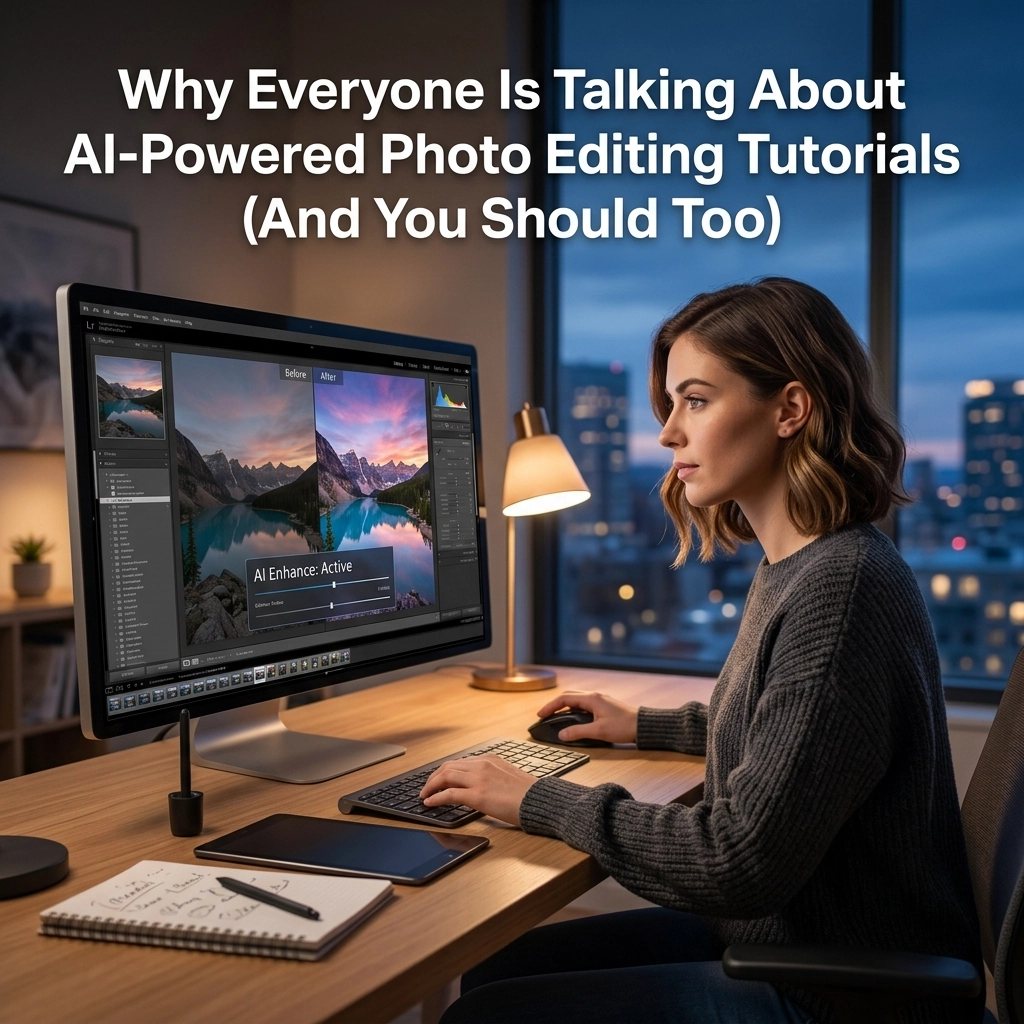
AI-powered tutorials are teaching photographers how to use tools like Imagen or AfterShoot to handle the heavy lifting. We’re talking about AI that learns your specific style from your past work and applies it to thousands of images in minutes. It’s not just about "auto-exposure." It’s about intelligent, stylistic consistency.
The buzz isn’t just about the tech; it’s about the freedom. Photographers are reclaiming their lives. When you watch a tutorial on why the latest AI photography news will change the way you edit forever, you realize that the hours you used to spend fixing white balance can now be spent actually taking photos or, you know, sleeping.
It’s Not "Cheating": It’s Mastering the New Brush
There’s always a group of purists who claim that using AI is "cheating." They said the same thing about digital sensors replacing film, and they said it again when autofocus became standard.
The reality is that AI-powered photo editing is just a new type of brush. If you’re struggling to keep up, you might be making some of the 7 mistakes you’re making with AI photo editing. The biggest mistake is thinking the AI will do the creative work for you.
It won't.
The best tutorials right now aren't teaching you how to click a "make it pretty" button. They are teaching you how to use Generative Fill to remove distracting elements that would have been impossible to clone out perfectly before. They are showing you how to use Luminar to enhance a sky so naturally that even a pro can’t tell it was a replacement.
When you dive into these tutorials, you learn that the AI is an assistant, not the artist. You still need to understand composition, lighting, and mood. If you're just starting out, check out this beginner’s guide to mastering your camera to make sure your foundations are solid before you let the AI take over.
The Accessibility Explosion
One of the coolest things about the current AI tutorial craze is how much it has leveled the playing field. In the past, high-end retouching was a gatekept skill that took years of specialized training in Photoshop. You had to master frequency separation, dodge and burn, and complex masking just to get a professional-looking portrait.
Now? A 10-minute tutorial on AI portrait retouching can teach a hobbyist how to achieve 90% of that professional look. This democratization is why the "2026 camera shift" is such a big deal. For more on that, check out what the experts are saying about the 2026 camera shift and photography news secrets.
Suddenly, a parent taking photos of their kids or a small business owner shooting their own products can produce world-class imagery. The "barrier to entry" has been smashed. If you’re an aspiring professional, this means you have to work harder on your vision because the technical floor has been raised for everyone.
Keeping Up with the Pace of Change
If you aren't following AI-powered tutorials, you are probably using outdated software. In 2026, software updates aren't happening once a year: they’re happening almost monthly.
Adobe, Luminar, and even mobile apps like Halide are dropping features that change the workflow overnight. One week it’s "Text-to-Image" integration, the next it’s "AI-driven depth mapping" for better bokeh in post-production.
People are talking about these tutorials because they are the only way to stay current. It’s a continuous education cycle. You can find a lot of these cutting-edge techniques and deep dives at learn.shutyouraperture.com, where we break down exactly how to use these tools without losing your soul in the process.
The Viral Factor: Why Trends Matter
Let’s talk about the "Nano Banana" incident or the viral 90s Bollywood AI filters. These trends start on platforms like TikTok and Instagram, and they almost always rely on specific AI editing workflows.
When a new visual style goes viral, clients start asking for it. If you’re a professional photographer and a client asks for a specific "look" they saw online, you can’t afford to spend three days figuring it out. You need to find the tutorial, master the AI prompt or filter, and deliver.
The buzz is driven by the speed of the social media cycle. AI allows photographers to pivot their style instantly. For a great example of how this applies to specialized niches, look at why everyone is talking about AI photography news and how it impacts your daily workflow.
Bridging the Gap Between Gear and Software
There is a fascinating synergy happening right now between your hardware and your editing software. We’ve moved past the point where the camera and the computer are separate entities.
The newest mirrorless cameras are being designed with AI-powered editing in mind. They capture more metadata than ever before, allowing AI software to "read" the scene more accurately. If you’re wondering how your gear fits into this, you should read up on why everyone is talking about AI-powered mirrorless tech.
Tutorials are now bridging that gap. They aren't just telling you which slider to move; they are telling you how to shoot for the AI. For instance, knowing how to frame a shot so that "Generative Expand" can perfectly fill in the edges is a new skill that didn't exist three years ago. It’s part of the ultimate guide to photography tutorials and news that every modern creator needs to bookmark.
Practical Benefits for Every Niche
Whether you’re into landscapes, portraits, or corporate work, AI tutorials offer specific wins.
Landscape Photography
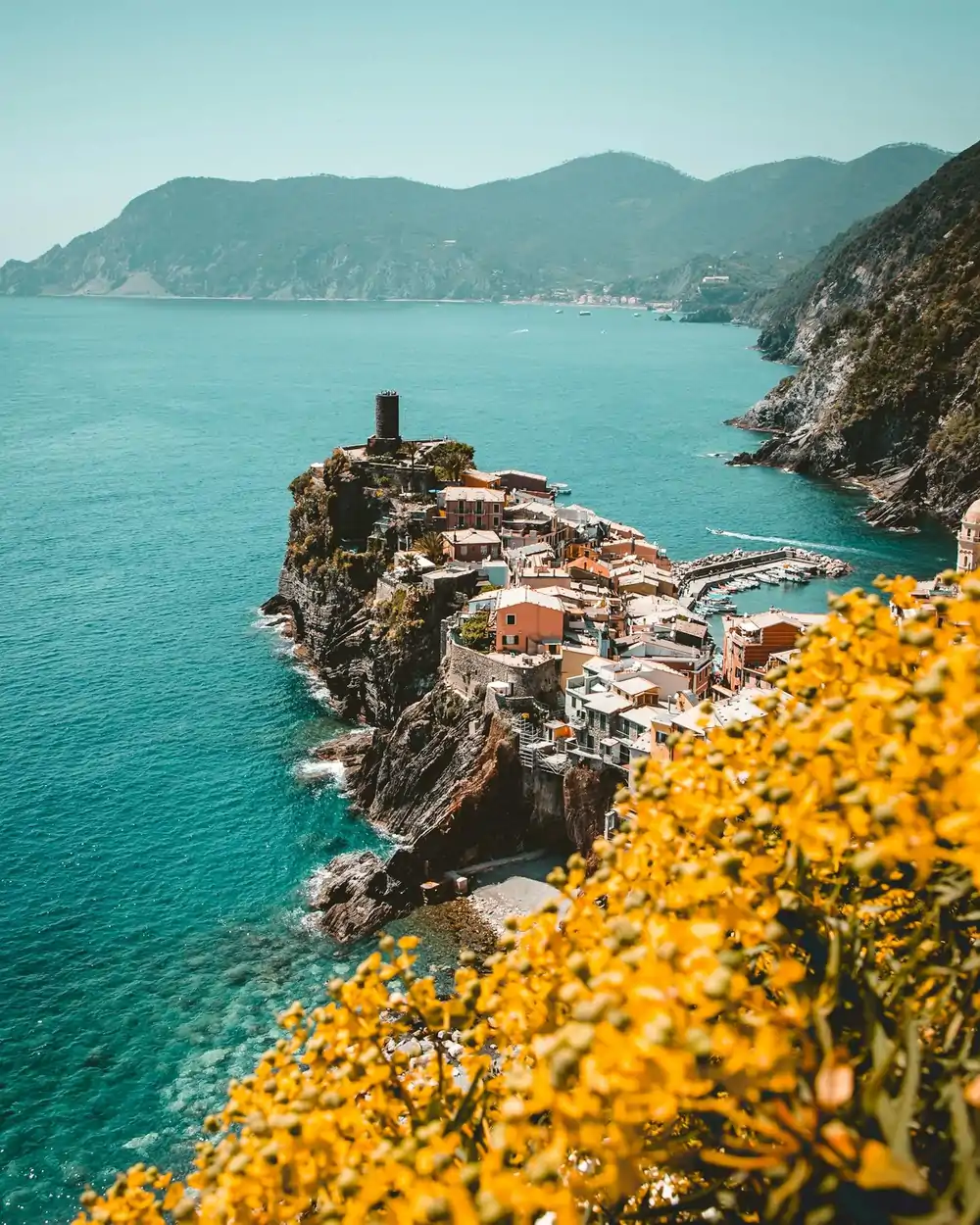
Landscape photographers are using AI to fix things that used to be deal-breakers. Missed the focus on the foreground? AI sharpening and "depth-of-field recovery" can save the shot. Dealing with a flat, grey sky? AI sky replacement in Luminar can turn a dud into an epic. But be careful: there are 7 mistakes you're making with landscape photography that AI can't always fix if your base image is poor.
Corporate and Portrait Work
In the world of professional headshots, time is money. AI-powered skin retouching and "eye enhancement" allow you to deliver high-quality galleries in half the time. If you're doing corporate work, check out these 10 professional corporate headshot tips to ensure your lighting is perfect before the AI touches the skin. And remember, don't overdo it: nothing ruins a professional shot faster than mistakes with your corporate headshot.
How to Get Started Without Feeling Overwhelmed
If you feel behind, don't panic. The beauty of the AI era is that the learning curve is actually shorter than the manual era: if you have the right guides.
- Pick One Tool: Don't try to learn every AI app at once. Start with Adobe Firefly (inside Photoshop) or Luminar. These are the industry standards for a reason.
- Focus on "The Fix": Look for tutorials that solve a specific problem you have. "How to remove a tourist from a landscape" or "How to fix under-exposed faces."
- Learn the Prompt: AI editing is becoming more about language. Learning how to talk to your software is a skill. Practice writing prompts that get the results you want.
- Join a Community: Sites like PhotoGuides.org offer great community-driven advice on navigating these new waters.
- Go Back to Basics: You can't edit your way out of a bad photo. Make sure you still know how to master manual mode and avoid common manual mode mistakes.
The Future is Already Here
By the time you finish reading this, there will probably be a new AI plugin or a new tutorial trending on YouTube. That’s just the nature of the beast in 2026.
The reason everyone is talking about AI-powered photo editing tutorials is that we are witnessing the birth of a new art form. It’s a hybrid of traditional photography and digital generation. It’s exciting, it’s a little scary, and it’s incredibly powerful.
If you want to keep your work fresh, your workflow efficient, and your clients happy, you have to embrace the change. Stop looking at AI as the enemy and start looking at it as your new best friend in the edit suite.
For more tips on how to navigate this new world, keep an eye on the Shut Your Aperture blog and the deeper dives over at blog.edinchavez.com.
Now, stop reading and go watch a tutorial. Your next masterpiece is waiting for you to find the right prompt.