By Edin Chavez | Updated October 2026
There is no one best full-frame camera in 2026 for every photographer. A wedding photographer who needs dependable dual-card capture, a landscape photographer who crops heavily and a hybrid filmmaker with a specific delivery codec are asking different questions. This guide names five real cameras and uses manufacturer specifications to frame those choices. This is a researched comparison of manufacturer specifications, not a hands-on test.
Use the models as a shortlist, not a ranked podium. Write down your next three shoots, the lenses you will need, the output and the total budget. If two systems meet the brief, rent or try both and look at complete raw sequences and real video files. Specs establish features under stated conditions; your lens, light, technique and workflow determine what comes home.
Five full-frame cameras worth comparing in 2026
- Sony A7 IV: a 33-megapixel E-mount hybrid candidate when stills and video both matter.
- Canon EOS R6 Mark II: a 24.2-megapixel RF-mount candidate for mixed assignments, with lens and control fit to test.
- Nikon Z6III: a 24.5-megapixel Z-mount candidate with a partially stacked sensor and substantial video options.
- Panasonic Lumix S5II: a 24.2-megapixel L-mount hybrid candidate with phase-detection AF and video formats to verify against delivery.
- Sony A7R V: a 61-megapixel E-mount high-resolution candidate for work that genuinely uses detailed files and the lenses to match.
None of these choices is “the winner” simply because it has the largest number in a chart. A full-frame body can still be the wrong camera if its lens, media, file size, controls or total cost do not fit your assignments. Some APS-C and Micro Four Thirds systems may make more sense for reach, weight or budget. Choose the work first, then the system.
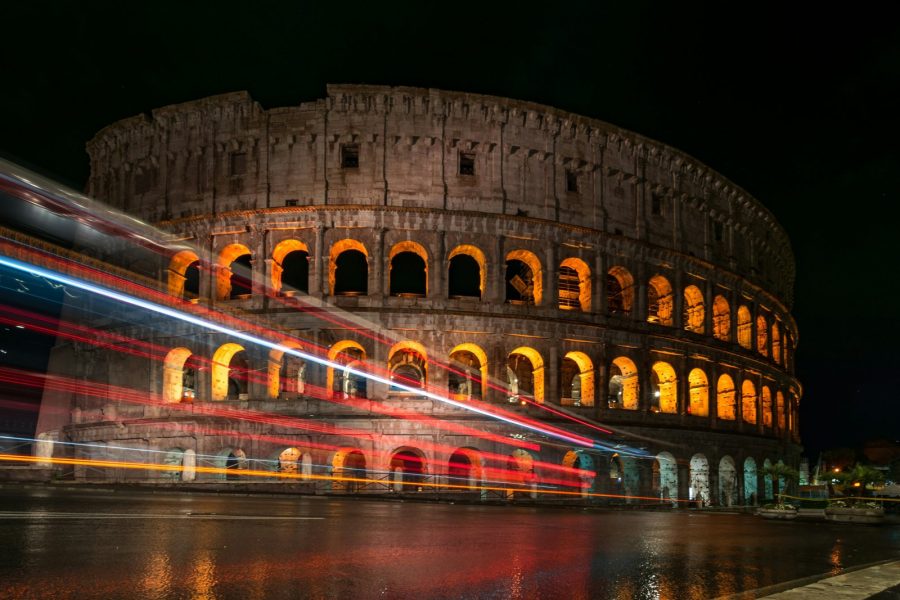
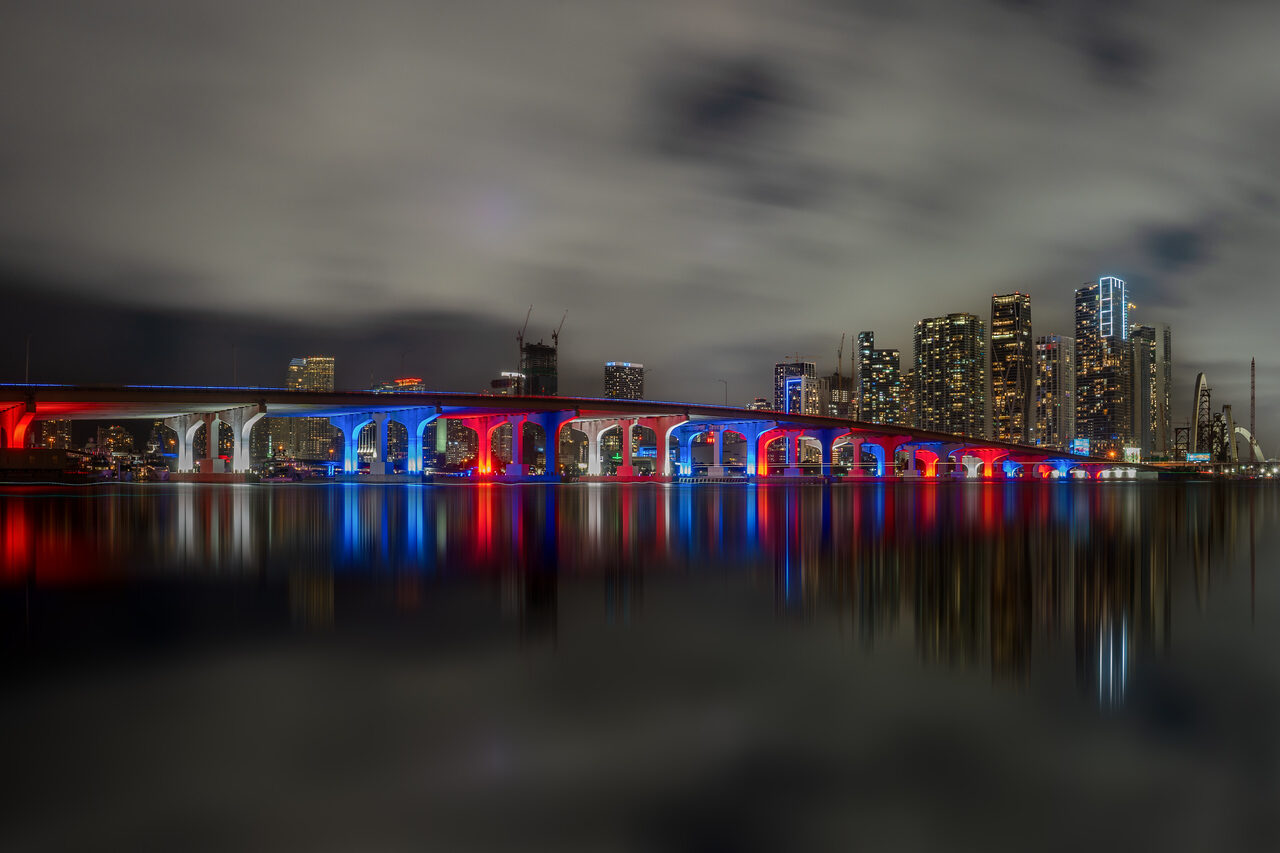
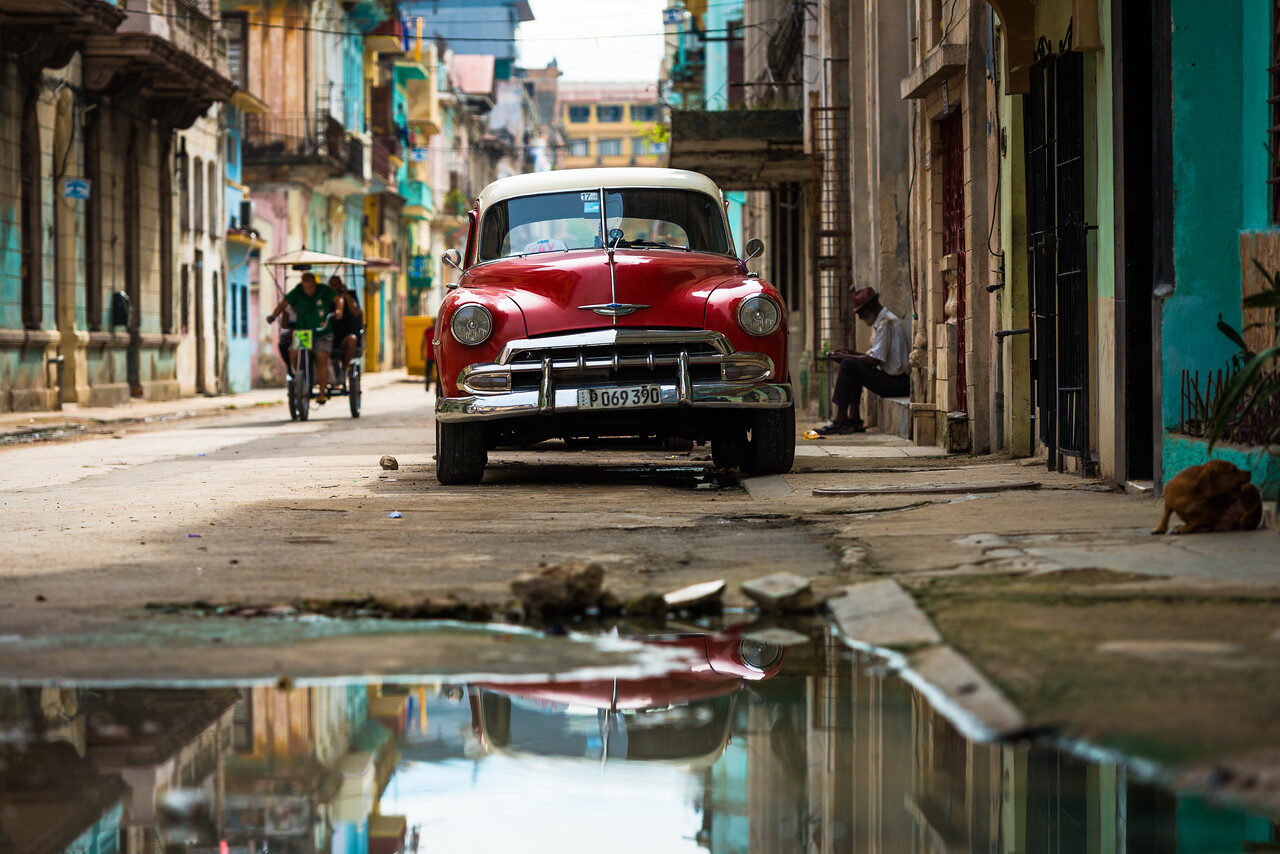
This is a comparison of five established options, not a list of the newest bodies in every system. The A7 IV and EOS R6 Mark II are earlier generations; compare them with current alternatives at the actual kit price. The photographs are Edin Chavez examples of night, street and landscape work, not test samples from these cameras.
Define the job before the camera
List the deliverable: print size, final crop, client file format, autofocus subjects, exposure conditions, video resolution and frame rate if relevant. Note the lenses already in your bag and whether you can reuse them natively. If not, price a normal zoom or prime and the specialty lens that makes the job possible. A body-only price is incomplete when a new mount forces a second purchase.
For paid events, specify whether in-camera redundancy is a requirement and test the exact recording arrangement. Two card slots do not guarantee backup files until you configure and verify them. For landscape work, test detail at the final print size, not only at 100 percent on a computer. For action, count in-focus frames across several bursts; do not quote one peak fps number as a keeper-rate measurement. For video, name the codec, bit depth and edit machine before choosing a camera that advertises a resolution you may never use.
Set a ceiling for the complete kit: body, lenses, cards, reader, battery, support, taxes, insurance and storage. Check current listing condition and return terms at purchase time. The prices in an old review or a search snippet do not establish a current deal. If you own a healthy lens system already, switching mounts needs to solve a real problem large enough to justify the cost and learning curve.
Sony A7 IV: a 33-megapixel hybrid starting point
Sony’s ILCE-7M4 specifications list a 35.9 × 23.9 mm full-frame Exmor R CMOS sensor with approximately 33.0 million effective pixels, E mount, raw still recording and five-axis sensor-shift stabilization. That balance of pixel count and feature set makes the A7 IV a reasonable candidate for someone who delivers both detailed stills and video. It does not establish superior autofocus or dynamic range against another model from the spec sheet alone.
If you already own Sony FE lenses, price the body with those lenses and a compatible card. If your E-mount lenses were designed only for APS-C coverage, confirm crop behavior and resulting output before assuming you will get the full 33-megapixel frame. Make a portrait or event sequence with the actual lens, review focus across the whole series, then inspect skin tone and editing time. The best “hybrid” camera for your studio must handle your day, not a generic label.
For video, check Sony’s precise format table. Resolution, frame rate, crop, color sampling and media can differ by mode. Record the kind of clip a client requests and open it in your editing software. Test audio, heat and power under conditions you can safely reproduce. A specification that says “4K” does not mean every 4K variant looks or edits the same. If stills dominate, ask whether you will ever need a more demanding video mode before paying for media around it.
Canon EOS R6 Mark II: an RF system for mixed work
Canon lists an approximately 24.2-megapixel full-frame sensor, RF mount and sensor-shift stabilization in its EOS R6 Mark II specifications. Canon says EF and EF-S lenses may be used through named adapters, while EF-M lenses are not compatible. That distinction matters for anyone moving from an older Canon camera. Confirm the exact lens and adapter rather than assuming a familiar Canon logo equals compatibility.
This body belongs on a shortlist if the RF lens choices, controls and media workflow fit a wedding, portrait or mixed still/video assignment. Do not claim its autofocus “never misses” or that 24 megapixels is always plenty. Test the subject, light and crop you actually deliver. If you photograph people in difficult indoor light, compare complete sequences and flash behavior. If you need large prints with heavy cropping, make the output before ruling 24.2 megapixels in or out.
Stabilization ratings depend on specific lenses and measurement standards, so a published maximum is not a promised hand-held exposure for every user. Take repeated frames with the lens you will buy, and compare the useful result at your delivery size. If you already own EF lenses, weigh the adapter’s size, balance and autofocus in your real shooting position. The body can be an excellent fit without pretending that every lens combination behaves alike.
 Save
Nikon Z6III: partially stacked sensor, Z-mount choices
Nikon’s Z6III page lists a 24.5-megapixel FX-format partially stacked CMOS sensor, Nikon Z mount and video modes with detailed frame-rate conditions. It is a plausible hybrid or action candidate when a fast workflow and Nikon lenses matter. Partially stacked is a sensor design description, not a measured guarantee of more sharp frames than another camera. Test the electronic and mechanical shooting behavior with the subjects you cover.
Build a two-lens Nikon Z kit and include memory cards for your intended still and video modes. Nikon lists CFexpress Type B/XQD and SD support, but do not assume all recording combinations work on the cheapest card. Shoot a representative sequence, time clearing the buffer and confirm whether the file format fits your ingest and backup. If video matters, make a delivery sheet before choosing a specific 6K RAW, 5.4K or high-frame-rate mode solely for its headline.
Check controls with the lens and support you will use. A camera that is easy to grip with a compact lens can balance differently with a heavy telephoto. Test viewfinder visibility, focus settings, playback, card swaps and battery replacement under time pressure. If you already have compatible Nikon glass, your total cost may be different from that of a buyer starting from zero. If you are switching systems, include the full lens change in the comparison.
For the Nikon video ceiling, distinguish the format: Nikon specifies internal 6K/60p N-RAW and 6K/30p ProRes RAW. The Z6III manual separately lists 5376 × 3024 (5.4K) non-RAW video and 6048 × 3402 RAW video options. It is not a 4K-maximum camera. A resolution label does not promise the same frame rate in every codec; verify recording area, card and software support for your selected mode.
Panasonic Lumix S5II: L-mount hybrid with mode caveats
Panasonic’s DC-S5M2 specification sheet lists an approximately 24.20-megapixel full-frame CMOS sensor, L mount, raw stills, sensor-shift stabilization, phase-detection/contrast autofocus and detailed MOV/MP4 movie formats. The S5II is worth investigating when your work spans stills and video and L-mount lens choices cover your job. Do not infer that every 4K frame rate uses the entire full-frame area: Panasonic’s table separates FULL, APS-C and pixel-by-pixel modes.
Write down the exact 4K or C4K mode, aspect ratio, frame rate, bit depth, audio and recording length your client needs. Then read the detailed mode row and test it with your card, microphone and edit computer. Some crop and media distinctions matter more than a promotional “unlimited recording” phrase, which has practical power, thermal and operating conditions. Try the body’s menus and focus transitions with your lens before committing to a paid video setup.
For stills, make a normal raw frame and test any high-resolution composite mode separately. Panasonic’s specification distinguishes standard output from multi-frame high-resolution modes. A composite is not a one-frame substitute for a high-resolution sensor when your subject moves. If landscape work is central, compare detail, motion artifacts and editing time. A 24.2-megapixel single raw may already meet the delivery, leaving money for a better lens or trip.
Sony A7R V: high resolution with workflow cost
Sony lists an approximately 61.0-megapixel full-frame Exmor R sensor and E mount for the ILCE-7RM5. That gives it a clear role on a shortlist for detailed landscapes, commercial stills and heavy crops. It is not proof that a file will be sharp if the lens, focus, shutter or support fails. Larger files also make ingest, editing, backup and delivery more demanding. Check your entire workflow with actual raws before choosing resolution on principle.
Make a textured scene with your intended lens at several apertures, then inspect center and corners. Print or export at the size your client will receive. If a lower-resolution finalist already meets the output, decide whether the extra pixels solve another problem that justifies the cost. For events, compare buffer, card write time and culling load. A high-resolution sensor can be useful and inconvenient at once.
Do not assume a still-focused shortlist entry cannot record video or action; read Sony’s table for the modes you need. Conversely, do not choose it because a maximum specification exists while ignoring a smaller camera with a better-fitting lens and faster delivery workflow. The camera’s value is the work it makes easier for you, not the number of digits in the file dimension.
 Save
Compare lens systems fairly
Set one equivalent field of view and intended aperture for a normal lens on each mount. Add the long, wide or fast lens your specialty needs. Compare price, mass, minimum focus, weather handling, stabilization compatibility and return terms for the exact versions. A 24-70 mm f/2.8 and a compact variable-aperture zoom are not equivalent kit costs merely because both cover normal angles. If an adapter is required, include it and test the performance you need.
Full frame often brings a different lens-size trade-off than APS-C or Micro Four Thirds. The sensor size alone does not dictate a bag’s weight; the lens selections do. For a long hike or travel assignment, put everything you will carry on a scale, including batteries, support and weather protection. If the kit stays in the bag because it is cumbersome, a lighter system may lead to more photographs. If low light or shallow depth of field is a hard requirement, evaluate lenses and exposure rather than a format slogan.
Keep service and backup in mind. A used bargain without a workable return period may not be cheaper than a more expensive unit with clear condition and support. Check manufacturer firmware and compatibility for your exact lens-body pair. If a discontinued lens or rare battery is central to the plan, price its replacement before you switch. System choice continues after checkout.
A practical side-by-side test
Rent or try the two finalists with roughly matching field of view. Photograph a static textured subject, a high-contrast scene and a moving person or animal if motion is part of your work. Repeat focus sequences, using the same intent rather than forcing every camera to use an identical menu mode. Review complete raw sets, not a selected hero frame. Record a short video with audio if video is in the brief, and open it in the editing software you use.
Note focus misses, file size, color work, card behavior, grip and control mistakes. Try a long session rather than only a showroom minute. If you cannot test one model, say that the uncertainty remains. Avoid declarations such as “best low-light camera” without a defined scene, lens and measured result.
Before replacing a body, use the free shutter-speed chart PDF and free aperture-chart PDF to plan exposure. Technique, subject movement and depth of field can remain the limit after a camera upgrade.
Buying checklist and current terms
Before an order, verify the exact body model, new or used status, included lens and battery, card compatibility, warranty, return deadline, shipping address and final total. A search page or product overview does not prove availability. If a retailer offers a bundle, compare its actual contents with separate purchases at that moment. Do not rely on a remembered discount or a one-size-fits-all upgrade cycle.
Keep the shortlist to three questions: Does it make the required file? Does the lens system fit the work? Can I operate and support it reliably? If a camera fails any of these, a larger spec number will not rescue it. Our camera buyer guide offers a broader inspection framework for new and used bodies.
Learn faster with a plan. The ShutYourAperture Academy has 22 photography courses, from the fundamentals of aperture, shutter and ISO to genre courses like landscape, portrait and street.
Questions about full-frame cameras
Which full-frame camera is best for beginners?
Start with the lens system you can afford and operate. The Sony A7 IV, Canon EOS R6 Mark II, Nikon Z6III and Panasonic S5II can all be considered, but handling and total kit cost will decide more than a label. Try the menu, grip and normal lens before you choose.
Does the most megapixels make the best landscape camera?
No. The 61-megapixel Sony A7R V can offer crop room when the lens, focus, support and workflow make use of it. A lower-resolution body with a better-fitting lens or careful exposure may serve the actual print more efficiently. Compare outputs at the required size.
Is full frame always better than APS-C?
No. Sensor format changes lens framing and system trade-offs, but the whole kit, light, subject and output matter. APS-C can be a better choice for budget, reach or carry weight. Test the photographs you need rather than treating format as a verdict.
Can I use an adapter to keep my old lenses?
Sometimes. Canon lists specific EF/EF-S adapter routes for RF bodies but says EF-M lenses are incompatible. Other mount combinations differ. Check each lens’s image coverage, autofocus, stabilization and balance on the exact body before relying on it.
How often should I upgrade?
Only when a real limitation costs you work or effort and a tested alternative solves it at a justified full-kit cost. There is no universal three-to-five-year clock. A lens, lighting change or backup process may be a better first purchase.
How should I compare autofocus before buying?
Photograph your usual subject in representative light with the lens you intend to use. Inspect complete bursts for focus rather than selecting one sharp frame. Keep settings and subject distance consistent, and check how quickly you can change focus modes under time pressure.
The useful verdict
Start with your lens mount and deliverables. Consider the A7 IV, EOS R6 Mark II, Z6III or S5II for different hybrid and handling needs, and the A7R V when you will genuinely use high-resolution still files. Make the final choice from a tested kit and current total, not a ranking badge. The camera you can use reliably on your next job is the one that matters.
Full-Frame Gear Box: Price the Whole Kit
If the established Sony A7 IV fits your stills and video requirements, compare the body-only model at Amazon or B&H. This is a route for one researched option, not the newest Sony body or a universal winner. Compare current alternatives before buying. Add a compatible lens, media and reader for your chosen recording mode, and confirm seller, condition, warranty, returns and the final kit total.
Affiliate disclosure: Some gear links are affiliate links. We may earn a commission at no extra cost to you. Manufacturer and free-chart links are plain references. No current-price guarantee, hands-on test or camera attribution for the photographs is implied.