Best Photography Spots in Dallas: 12 Locations With GPS
edinchavez01-20). Buying through these links costs you nothing extra and helps fund our free guides.
Dallas, Texas is one of the most photogenic cities in the United States. If you have a camera and the patience to show up before dawn, Dallas will give you images that last a career — but only if you know where and when to point it.
This is the definitive field guide to the 12 best photography spots in Dallas, with GPS coordinates you can drop straight into Google Maps, exact camera settings tuned to Dallas’s unique light, precise timing for every location, and the access notes nobody else bothers to document. It mirrors the intel inside our Dallas Ultimate Photographer’s Guide ($47 PDF) — a downloadable field guide with full-page hero images, GPS maps, seasonal tables, a city safety briefing, and a complete photographer’s packing list. Get the guide →
Planning multi-city travel? See also: U.S. cities photography hub and the National Parks Photography Guides.
12 GPS-mapped locations · Exact camera settings · Multi-season shooting calendar · Free annual updates
Download the PDF guide →
Get the Dallas Ultimate Photographer’s Guide
Every location below — pre-mapped with GPS, golden-hour timing, gear recommendations, cultural rules, and a 14-day itinerary. Downloaded by 200+ working photographers.
Quick jump to the 12 spots
- Reunion Tower — GeO-Deck Observation
- Margaret Hunt Hill Bridge & Trinity River Levee Skyline View
- Dealey Plaza & JFK Memorial
- Pioneer Plaza — Cattle Drive Bronze Sculptures
- Klyde Warren Park
- Dallas Arts District — Winspear Opera House & Meyerson Symphony Center
- Nasher Sculpture Center — Garden & Renzo Piano Architecture
- Deep Ellum Murals
- White Rock Lake — Winfrey Point Sunrise
- Bishop Arts District — Murals & Architecture
- Cathedral of Hope — Philip Johnson Bell Wall
- Crow Museum of Asian Art — Arts District Interior
A look inside the Dallas Photographer’s Guide
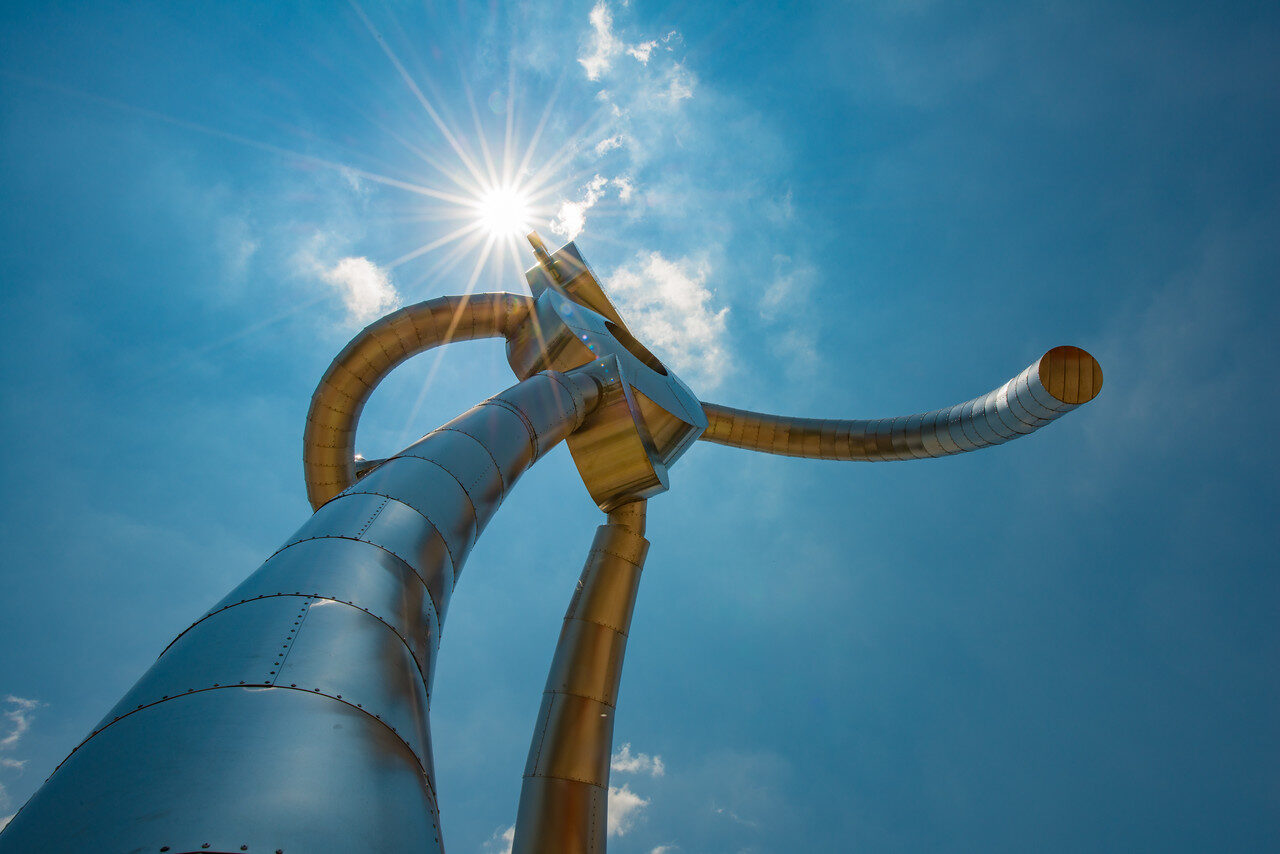
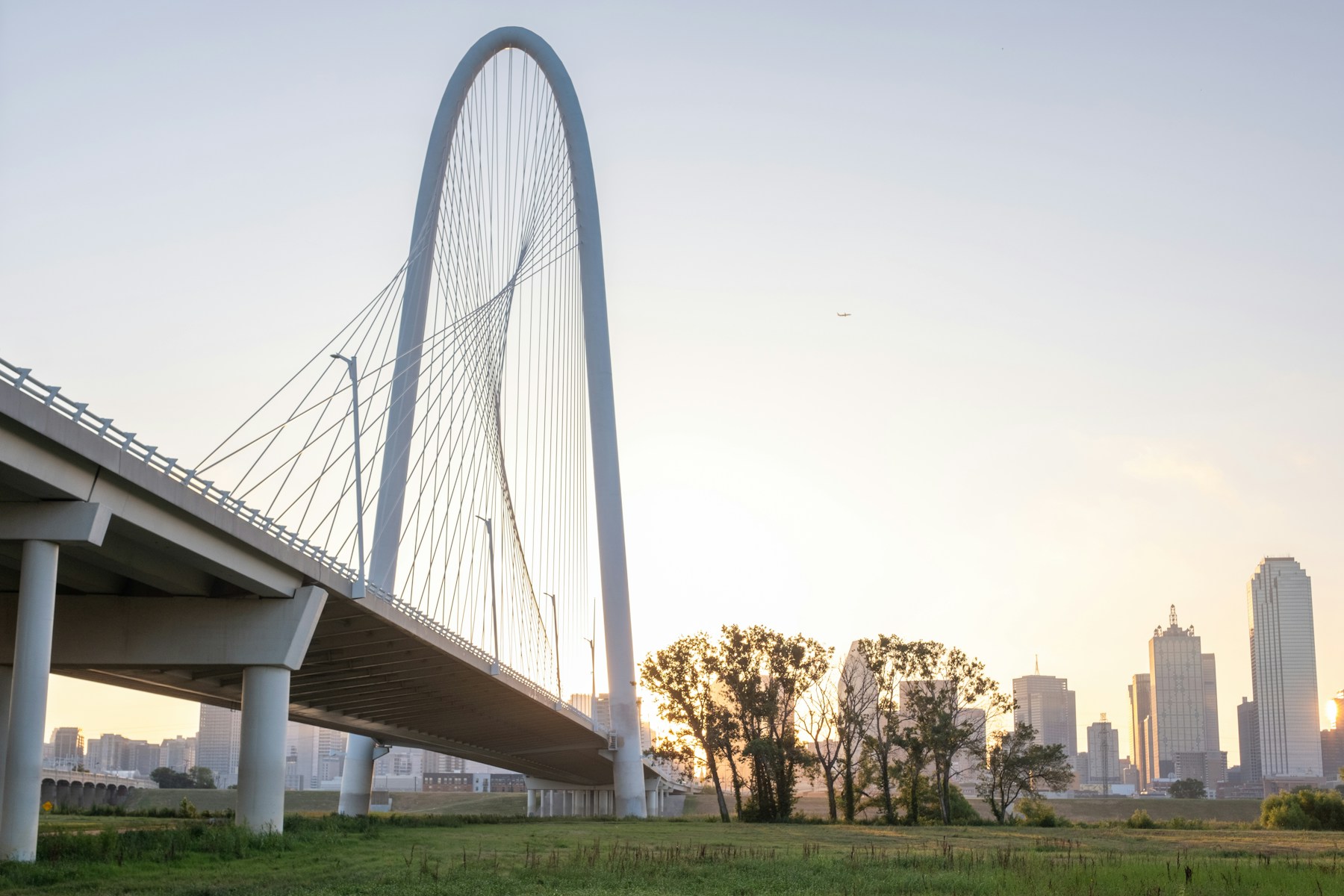
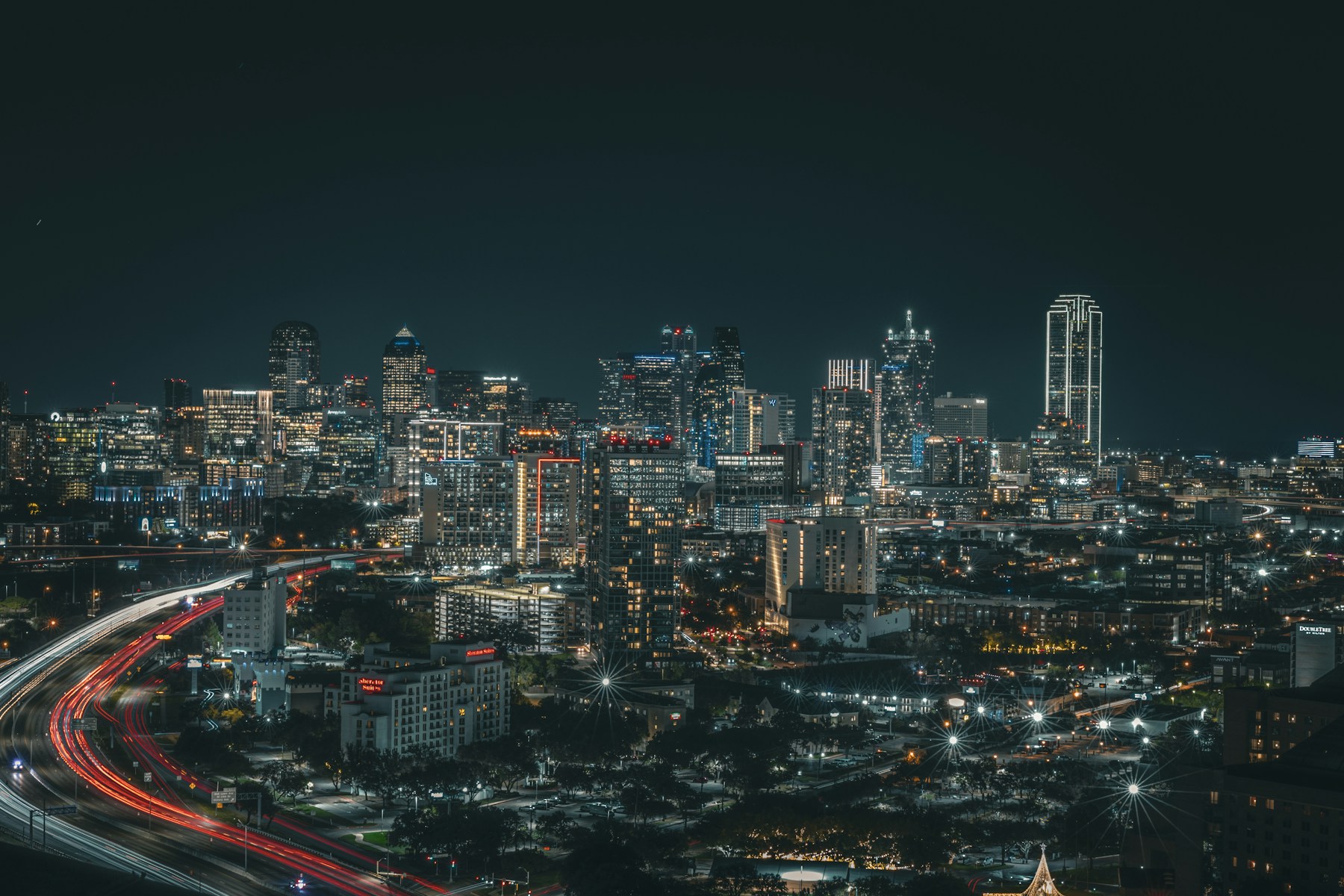
Here are three of the actual shots you’ll find inside the PDF — cinematic full-page references for the exact spots, lenses, and lighting conditions documented in the guide. The full guide includes 12 locations, each with a hero image, GPS map, settings table, and a five-shot list.
Save
Before you shoot Dallas: the essentials
- Free public access: Dealey Plaza and the JFK Memorial Plaza, Pioneer Plaza cattle drive sculptures, Klyde Warren Park, the Ronald Kirk pedestrian bridge, Trinity Overlook Park, Bishop Arts District streets and murals, Deep Ellum murals on public building exteriors, White Rock Lake park system, exterior of Reunion Tower, Margaret Hunt Hill Bridge (pedestrian path on adjacent Ronald Kirk bridge), Cathedral of Hope exterior, and all Dallas Arts District public sidewalks and plazas are freely accessible at no charge. The Crow Museum of Asian Art at the Dallas Arts District location is free general admission (donation suggested).
- Commercial permits: Commercial photography and filming on City of Dallas public property requires a permit from the Office of Special Events (CCTSpecialevents@dallascityhall.com; 214-939-2701; 650 S. Griffin St., Dallas TX 75202). A $50 non-refundable application fee applies, plus a $40 filing fee; Commercial General Liability insurance of at least $1,000,000 per occurrence / $2,000,000 aggregate is required, with the City of Dallas named as additional insured. Permit applications must be filed at least two business days in advance (up to five days for complex productions). Drone photography is prohibited in downtown Dallas Class B airspace without an FAA waiver; contact the Dallas Film & Creative Industries Office at filmdallas.org before any aerial work. B-roll and editorial photography on public sidewalks and plazas generally does not require a permit. Klyde Warren Park is managed by the Woodall Rodgers Park Foundation — productions that restrict any portion of the park require a separate permit and rental fee from the Foundation. DART rail stations permit commercial photography with a permit from DART Communications.
- Best photography seasons: Spring (March–April) for wildflowers along White Rock Lake trails, vivid green canopies framing the Calatrava bridge arch, and dramatic storm-light skyscapes; Fall (October–November) for golden foliage along the Trinity River levees and Klyde Warren Park, plus crisp blue skies that amplify the glass-and-steel skyline; Winter (December–February) for rare fog mornings that shroud the skyscrapers, cool-toned blue hours with Reunion Tower glowing against indigo sky, and holiday illuminations on Flora Street in the Arts District; Summer (June–August) for the longest golden hours, electric afternoon thunderheads over the flat prairie horizon, and Deep Ellum neon at blue hour
- Blue hour notes: Dallas blue hour is especially dramatic because the downtown skyline’s glass towers — Reunion Tower’s illuminated geodesic sphere, Fountain Place’s crystalline prism, the Perot Museum’s bold concrete mass, and the AT&T Arts District’s red-glass Winspear canopy — all activate their lighting systems within 10–20 minutes of sunset. From the Trinity River levees west of downtown, the entire skyline reflects weakly in the Trinity floodplain pools during and after heavy rain, creating a fleeting mirror-glass effect. Blue hour on the Margaret Hunt Hill Bridge is particularly potent: the 400-foot white arch and its fan of steel cables are floodlit against a cobalt sky, with the downtown cluster glowing 1.5 miles to the east. Blue hour in Dallas runs approximately 20–30 minutes after sunset and before sunrise; summer adds a prolonged twilight that extends the usable window.
- Drone policy: Most major U.S. cities restrict drone flight in airspace and via local ordinances. Check FAA + city rules before launching.
- Local resource: Official visitor information
The full-resolution version of every map below — plus seasonal calendars, gear notes per location, sun-angle diagrams, and a complete photographer’s packing checklist — is inside the Dallas Photographer’s Guide PDF ($47).
1. Reunion Tower — GeO-Deck Observation
Reunion Tower is Dallas’s most iconic vertical landmark — a 561-foot observation tower capped with a 200-ton geodesic sphere studded with 259 programmable LED lights. The GeO-Deck at 470 feet delivers an unobstructed 360° panorama stretching 40–50 miles on a clear day: downtown skyscrapers immediately below, the entire DFW Metroplex grid extending to the horizon, the Trinity River corridor and the Calatrava bridges to the west, Love Field airport to the north, and Fair Park to the southeast. No other vantage point in Dallas puts the photographer inside the skyline rather than looking at it from outside. The sphere itself is a legendary night-photography subject from ground level — a glowing orb that changes color for holidays and events, visible from miles away.
- GPS: 32.7751, -96.8091
- Elevation: 561 ft
- Best time of day: Sunset and blue hour (primary); sunrise for east-facing city glow; clear nights for 360° city-light panoramas
- Sun direction: Reunion Tower sits at the southwestern corner of downtown Dallas. At sunrise (azimuth ~80–100° in spring/fall), the rising sun illuminates the eastern face of the downtown skyscrapers from the GeO-Deck — the glass towers of Bank of America, Fountain Place, and 1700 Pacific catch a warm amber glow while Reunion Tower’s sphere casts a long shadow westward over the Trinity River corridor. At golden hour before sunset (sun at 240–270° azimuth in summer, 240–250° in fall), the western panorama looking toward the Trinity River and beyond toward Fort Worth ignites with warm backlight; the Margaret Hunt Hill Bridge arch and Ronald Kirk Bridge are silhouetted against the colorful western sky. The outdoor deck faces all directions on a 360° rotation. Blue hour from the deck — approximately 20–35 minutes after sunset — is the signature experience: every downtown tower activates its illumination and the entire city grid glitters to the horizon.
- Access: 300 Reunion Blvd E, Dallas, TX 75207. GeO-Deck general admission: adults $19–$40 (timed entry, dynamic pricing); seniors $16–$35; youth (4–12) $10–$20; children 3 and under free. Day+Night combo tickets available. Book online at reuniontower.com. Hours vary seasonally — check website. Parking in the adjacent Hyatt Regency Dallas garage or surface lots on Reunion Blvd. DART Rail: Union Station (EBJ Union Station) is a 6-minute walk north along Houston Street (served by Red, Blue, Orange lines). Tripods are permitted on the outdoor observation deck; commercial photography requires advance arrangement with Reunion Tower management. Personal photography is unrestricted.
- Difficulty: Easy — elevator to the deck; fully ADA accessible; outdoor deck has wind exposure at 470 ft
- Recommended settings: Blue Hour Cityscape: aperture: f/8, shutter: 2s, iso: 400, lens: 16-35mm or 24-70mm, notes: On the outdoor deck, set up tripod 15 minutes before sunset and shoot the western arc first for sunset color, then rotate to face north-northeast at blue hour when the full downtown cluster illuminates. Use a remote shutter release. Wind at 470 ft can cause camera shake — brace the tripod legs and use mirror lock-up or electronic shutter. Shoot in raw for maximum tonal latitude in the deep shadows of the street grid. · Night Cityscape 360: aperture: f/11, shutter: 8s, iso: 200, lens: 16-35mm, notes: Full dark (~1.5 hours after sunset) creates a sea of city lights in every direction. Use f/11 for star-point city lights and a longer exposure. The DFW grid extends beyond the frame — stitch 3–4 vertical frames into a panorama for a 180° city-lights image. Check wind direction and position the tripod on the leeward side of the curved railing. · Sphere Exterior Ground Level: aperture: f/11, shutter: 1/4s, iso: 100, lens: 24-70mm at 35mm, notes: Shoot the illuminated sphere from the pedestrian plaza surrounding the tower base, approximately 60–100 feet from the structure. At blue hour the sphere’s LED colors shift against the cobalt sky — a 0.5-second exposure at base ISO renders the sphere sharp while capturing sky color. Include the Hyatt Regency tower as a compositional vertical anchor on one side.
Shots to chase:
- Blue hour 360° rotation: set up on the outdoor deck’s western arc at sunset, capture the Margaret Hunt Hill Bridge and Trinity River corridor in warm backlight, then rotate east at blue hour to shoot the full skyline cluster with every tower lit — two iconic images in one 45-minute session
- LED sphere color change from ground: position at the base of the tower on Reunion Boulevard at dusk and use a 70mm focal length to isolate the sphere against the twilight sky as its LEDs cycle through programmed color sequences
- Top-down street grid abstraction: lean over the outdoor deck railing and shoot straight down with a wide 16mm lens — the converging highway on-ramps, parking lots, and street grids form abstract geometric patterns from 470 feet
- Sunrise golden city: from the deck’s eastern arc in spring or fall, the sun rises nearly directly over the downtown corridor and back-lights the glass towers from behind — shoot for the silhouette effect with sky gradients as background
- Full moon rise over downtown: check lunar calendar for full moons near equinox when moonrise aligns with the eastern skyline — from the deck’s eastern arc, a telephoto (200mm) compresses the rising moon against the lit tower faces
Pro tip: Book the latest timed-entry slot for maximum alignment between blue hour and observation time — the deck stays open until approximately 9–10 PM depending on season. The outdoor deck is wind-exposed: bring a windbreaker in any season, especially fall and winter. The sphere’s LED programming schedule (holiday colors, special events) is posted on the Reunion Tower social media channels — synchronizing your visit with a color change event adds a unique element. Arrive 5–10 minutes before your entry slot opens; popular sunset slots sell out days in advance on weekends.
Common mistake to avoid: Choosing a glass-enclosed viewing position rather than stepping onto the outdoor deck — the glass creates glare and color casts in every direction. Shooting only at full sunset and leaving before blue hour, which is when the city truly ignites with synchronized tower lighting. Shooting on a hazy afternoon (Dallas gets severe haze in summer) when visibility drops to under 5 miles; winter mornings and post-cold-front afternoons offer the clearest skies.
2. Margaret Hunt Hill Bridge & Trinity River Levee Skyline View
The Margaret Hunt Hill Bridge is one of the most architecturally spectacular landmarks in the American Southwest — a 1,197-foot cable-stayed span designed by Santiago Calatrava with a soaring 400-foot center arch that has become as synonymous with Dallas as the Gateway Arch is with St. Louis. The single inclined arch and its radiating fan of 58 steel cables create a dynamic tension in photographs. This location encompasses two distinct shooting positions: (1) The bridge structure itself, best photographed from the Ronald Kirk Pedestrian Bridge running parallel 100 yards south — from mid-span you capture the arch rising dramatically with the downtown skyline 1.5 miles to the east. (2) The Trinity River levee viewpoint, between the bridge and the Ronald Kirk span, where standing on the levee looking east-northeast, you see the full downtown cluster — Reunion Tower’s sphere, Fountain Place, Bank of America Plaza — above the flat Trinity River floodplain, with the Calatrava arch rising in the right foreground. At blue hour, this combined view delivers both icons in a single composition: the glowing white arch and the jeweled tower cluster, separated by a mile of open sky. The flat Texas topography creates an unusually clean, unobstructed skyline image — no suburban rooftops, no hills — that is the canonical Dallas photography composition.
- GPS: 32.78, -96.8221
- Elevation: 430 ft
- Best time of day: Sunrise (east-facing city view); blue hour dusk (arch illumination + skyline); fog mornings in fall and winter for atmospheric drama
- Sun direction: The Margaret Hunt Hill Bridge runs roughly east-west across the Trinity River, with the 400-foot arch rising on the west (Oak Cliff) side of the river and the downtown skyline lying 1.5 miles to the east-northeast. At sunrise (azimuth 80–100° spring/fall), standing on Trinity Overlook Park on the west bank, the sun rises directly behind the downtown cluster — the skyscrapers catch warm backlight while the white arch is front-lit by the approaching day. At sunset (azimuth 260–290°), the arch is backlit with warm gold and orange, and the sky behind the downtown towers to the east shifts to a cool dusky blue — a beautiful complementary contrast. For the classic ‘arch against downtown’ composition, the Ronald Kirk Pedestrian Bridge (the parallel walking bridge, 100 yards south) provides the best elevation-neutral viewpoint, with the arch rising to the left and the skyline center-right at blue hour.
- Access: Trinity Overlook Park, Margaret Hunt Hill Bridge western approach, West Dallas. Park at Trinity Overlook Park parking lot off Singleton Boulevard (free). The Ronald Kirk Pedestrian Bridge is accessed from the east bank off Industrial Boulevard or from the Sylvan Avenue area on the west. No admission. The bridge itself carries vehicle traffic (Spur 366) — the parallel Ronald Kirk Bridge is the pedestrian walkway. DART: no direct rail stop; take DART bus to West Dallas area or drive/rideshare (~5 minutes from downtown via I-30). Tripods are permitted on Trinity Overlook Park and the Ronald Kirk Pedestrian Bridge. Commercial shoots on TXDOT bridge structure itself require a permit from TxDOT.
- Difficulty: Easy — flat park and pedestrian bridge; the Trinity levee trails require a short grassy descent
- Recommended settings: Blue Hour Arch Skyline: aperture: f/11, shutter: 4s, iso: 200, lens: 24-70mm at 35–50mm, notes: From the Ronald Kirk Pedestrian Bridge mid-span, face northeast — position the arch on the left third of the frame with the skyline in the right two-thirds. At 20–30 minutes after sunset, both the arch floodlights and the tower lights are active against a cobalt sky. A 4-second exposure smooths any traffic movement on the bridge below and adds motion blur to passing cars on Spur 366. Use a sturdy tripod; the pedestrian bridge vibrates when pedestrians walk past. · Sunrise Backlit Arch: aperture: f/8, shutter: 1/125s, iso: 200, lens: 70-200mm at 100–135mm, notes: From Trinity Overlook Park on the west bank at sunrise, use a telephoto to compress the arch against the lit downtown towers behind it. At the equinoxes, the sun rises nearly directly behind the Bank of America Plaza — creating a golden corona around the skyscrapers with the white arch in silhouette in the foreground. Expose for the sky (+0.7 EV) and let the arch go silhouette, then bracket for HDR blend. · Cable Geometry Detail: aperture: f/8, shutter: 1/500s, iso: 100, lens: 70-200mm at 200mm, notes: Walk to the bridge deck itself and shoot upward along the cable fan from directly beneath the arch — a 200mm at f/8 isolates individual cables against blue sky with the arch tip at the top of the frame. A circular polarizer deepens the sky and eliminates any cable glare. Shoot in the 2 hours after sunrise or 2 hours before sunset to keep the sun at an oblique angle that adds cable shadow texture. · Fog Morning Mood: aperture: f/5.6, shutter: 1/250s, iso: 400, lens: 24-70mm, notes: Dallas gets 10–15 low-fog mornings per year, concentrated in November–February after warm rains followed by cold fronts. On fog mornings, the arch emerges from the mist as an apparition, and the downtown towers are obscured to their lower floors — creating a mysterious, minimalist composition. Check fog forecasts via the Weather Underground’s Dallas station; arrive at dawn before the sun burns the fog off (usually by 8–9 AM). · Levee Blue Hour Skyline: aperture: f/11, shutter: 6s, iso: 200, lens: 70-200mm at 85–135mm, notes: Use a telephoto to compress the skyline and tighten the cluster of towers into a more powerful composition. From the levee top, a 100mm focal length fills the frame with the cluster from Reunion Tower to the far right towers. At blue hour (~25 minutes after sunset), shoot at ISO 200, f/11, and dial the shutter until the histogram peaks at the upper-right quarter — approximately 4–10 seconds depending on the tower illumination brightness. A telephoto at this focal length requires a heavy, stable tripod; use a ballhead with a quick-release and set the tripod low to minimize wind exposure. · Levee Storm Light: aperture: f/8, shutter: 1/500s, iso: 400, lens: 16-35mm, notes: Dallas’s flat plains topography means storm systems are visible from 50 miles away. On spring and summer afternoons, towering cumulonimbus anvils rise behind the downtown skyline — a 16mm wide shot captures the full drama of storm clouds dwarfing the towers. Use f/8 at 1/500s to freeze the cloud detail. Check weather radar apps (Radarscope) to time the window when the storm is lit by lateral sun but hasn’t yet obscured the downtown cluster.
Shots to chase:
- Arch and skyline at blue hour: from the Ronald Kirk Pedestrian Bridge mid-span looking northeast, the Calatrava arch dominates the left third of the frame while the fully lit Dallas skyline clusters on the right — the defining Dallas two-icon image, best 25 minutes after sunset
- Levee classic skyline: from the levee top between the two bridges with a 100mm telephoto, capture the full downtown tower cluster — Reunion Tower, Fountain Place, Bank of America Plaza — above the flat Trinity River floodplain at blue hour
- Cable fan compression: position directly beneath the arch with a 200mm telephoto and shoot straight up — the 58 cables converge toward the arch tip creating a hypnotic radial geometry against a blue or twilight sky
- Reflection pools after rain: the Trinity River floodplain holds standing water 24–48 hours after major rainstorms; from the levee, the entire skyline and arch reflect in temporary shallow pools — a landscape that exists only a few days per year
- Dawn fog emergence: November–February fog mornings render the arch as a white ghost emerging from gray mist while the downtown towers behind fade to gray silhouettes — a dramatically atmospheric minimalist image
Pro tip: The Ronald Kirk Pedestrian Bridge runs parallel to and just south of the Margaret Hunt Hill Bridge — this pedestrian-only span is the primary shooting platform for the arch-and-skyline composition. The levee between the two bridges (accessible from Trinity Overlook Park off Singleton Blvd) is the primary platform for the classic full-skyline view. The best levee position is between the two bridges — this 200-foot stretch provides clean sightlines in both directions. Bring insect repellent in summer and fall. For the floodplain reflection pools, check Trinity River CFS data at usgs.gov to predict standing water timing after rain. The Ronald Kirk Pedestrian Bridge can vibrate with foot traffic — use a heavy tripod and time exposures between pedestrian passes for maximum sharpness.
Common mistake to avoid: Shooting from the vehicle lanes of the Margaret Hunt Hill Bridge itself (dangerous, and angles are poor). Positioning too far back from the river where levee trees obstruct the horizontal sightline to the downtown skyline. Shooting at midday when the arch casts no interesting shadow and the Texas sky bleaches to washed-out white. Missing the narrow post-rain floodplain reflection window, which disappears within 48 hours. Using a wide-angle lens for the skyline when a 70–135mm telephoto is essential — at 24mm the towers appear tiny against the vast Texas horizon.
3. Dealey Plaza & JFK Memorial
Dealey Plaza is one of the most historically resonant and psychologically charged outdoor spaces in America — the site of President Kennedy’s assassination on November 22, 1963. The plaza’s WPA-era civic architecture (the colonnade pergolas, the triple underpass, the decorative reflecting pool and fountain) was designed in 1935 by George Dahl as a monumental western gateway to downtown Dallas. The physical scale of the site surprises most first-time visitors: it is intimate, almost shockingly small, compressing the weight of history into a compressed bowl of grass and concrete. The JFK Memorial one block east — a roofless white concrete cenotaph designed by Philip Johnson in 1970 — is an equally powerful minimalist architectural subject: four square walls enclosing only sky, with a floating slab that commemorates Kennedy’s ‘freedom from hate, bigotry, and above all, from fear.’ Photographically, these two sites offer a rare combination of historical documentary, landscape, and architectural abstraction within a single walkable block.
- GPS: 32.7747, -96.8084
- Elevation: 445 ft
- Best time of day: Morning (8–11 AM) for front-lit south-facing elements; overcast days for even light without harsh shadows in the bowl; early morning for crowd-free access
- Sun direction: Dealey Plaza is a wedge-shaped Depression-era civic space bounded by Elm, Main, and Commerce streets running roughly east-west through a gentle west-sloping bowl. The Texas School Book Depository (Dallas County Administration Building) stands on the north side at Houston and Elm, facing south-southeast. At sunrise, the sun rises east-southeast behind the building, casting the Grassy Knoll and pergola into shade while backlighting the east-facing colonnade. By mid-morning (9–11 AM spring/fall), the sun is at 30–45° elevation from the southeast, providing warm front-lighting on the south-facing pergola, the triple underpass, and the memorial markers on Elm Street. Blue hour from the west looking east toward the Book Depository puts the building in warm lamplight against darkening sky — a reflective, quietly somber composition. The JFK Memorial Plaza, one block east at Main and Record Street, is enclosed by 30-foot concrete walls that create dramatic sky-frame compositions regardless of sun direction.
- Access: Dealey Plaza: 500 Main St (public park), Dallas, TX 75202. Open 24/7; free to photograph. The Sixth Floor Museum at Dealey Plaza (Dallas County Administration Building, 411 Elm St) is open Wed–Sun 10 AM–5 PM, Mon noon–5 PM, closed Tuesday; admission ~$18 adults; reservations recommended. JFK Memorial Plaza (the Phillip Johnson monument): Main Street between Record and Market, one block east of Dealey Plaza; open 24/7, free. Parking: surface lots on Record Street and Houston Street, ~$5–10/day; Dallas County Administration Building structure also available. DART Rail: West End station (Red/Blue line) is a 3-minute walk east on Pacific Avenue, then south on Houston. Tripods permitted on the public plaza; interior of the Sixth Floor Museum prohibits tripods but allows handheld photography.
- Difficulty: Easy — flat public plaza; some grassy slopes; the Grassy Knoll has a gentle incline
- Recommended settings: Plaza Documentary: aperture: f/8, shutter: 1/250s, iso: 200, lens: 24-70mm at 35mm, notes: Shoot the classic Elm Street downhill view from the Grassy Knoll pergola looking west toward the triple underpass — the same line of sight as the 1963 newsreel footage. Include the painted X markers on Elm Street in the lower third, with the triple underpass as the vanishing point. Morning side-light from the south adds texture to the concrete bridge structure. A circular polarizer deepens the sky and grass saturation. · Jfk Memorial Sky Frame: aperture: f/11, shutter: 1/125s, iso: 100, lens: 16-35mm at 16–20mm, notes: Inside the JFK Memorial Plaza, look straight up with a 16mm ultra-wide — the four 30-foot white walls frame a perfect square of sky above. At blue hour, the square of sky goes deep cobalt while the white walls are lit by ambient city light. At noon on a clear day, dramatic edge-lit clouds in the sky-frame create abstract sky compositions. Use a spirit level to keep the walls perfectly vertical. · Book Depository Window: aperture: f/8, shutter: 1/250s, iso: 400, lens: 70-200mm at 135mm, notes: From the Grassy Knoll looking northeast, use a 135–200mm telephoto to isolate the infamous sixth-floor southeast corner window of the Dallas County Administration Building. The window is partially blocked by a glass enclosure inside the museum. Shoot in the morning when the building’s south face is front-lit. Include the TSBD signage and the trees for contextual anchor. · Blue Hour Lamplight: aperture: f/8, shutter: 6s, iso: 400, lens: 24-70mm, notes: At blue hour, the WPA-era lampposts around the pergola activate with warm amber light against the deepening cobalt sky. Shoot from the central mall looking west toward the triple underpass — the parallel rows of lamp posts create strong leading lines. Include a small human figure (another visitor) in the far distance for scale.
Shots to chase:
- The Elm Street approach: from the Grassy Knoll pergola, shoot down the slope of Elm Street toward the triple underpass — the painted X markers in the road, the fence line, and the underpass converge into a powerfully charged documentary frame
- JFK Memorial sky: inside Philip Johnson’s cenotaph looking straight up, a 16mm ultra-wide frames a perfect square of sky in the four white walls — at dawn this sky square turns gold, at blue hour it turns cobalt, a minimal and evocative architectural abstraction
- Book Depository façade: standing at the corner of Houston and Elm, a 35mm street-level shot captures the full facade of the former Texas School Book Depository — framed by mature oaks, the brick warehouse building carries extraordinary documentary weight in a perfectly ordinary frame
- Pre-dawn empty plaza: arrive 30–45 minutes before sunrise for the only time when Dealey Plaza is completely deserted — the oil-lamp style fixtures illuminate the pergolas and the Elm Street slope in warm amber, creating an eerie, timeless nocturnal image
- Triple underpass convergence: from directly below the triple underpass looking back east toward the plaza and the downtown skyline, a 16mm ultra-wide compresses the converging roadway underpasses into a dramatic tunnel-perspective foreground with the city behind
Pro tip: Arrive by 7:30 AM on weekdays to photograph the plaza before the tour groups (which arrive from 9 AM onwards, peaking between 10 AM–2 PM). The ‘X’ markers painted on Elm Street where the shots hit Kennedy’s motorcade are frequently repainted and can be seen best in low-angle morning light. The Sixth Floor Museum has a large observation window on the east side of the sixth floor that frames the plaza from above — this is a unique photographer’s vantage point available from museum admission. The JFK Memorial is most powerful at dawn or dusk when all other pedestrians have left and the cenotaph holds its contemplative silence.
Common mistake to avoid: Standing at the ‘sniper’s nest’ window angle on the Grassy Knoll and shooting directly at the Book Depository — this angle is so well-photographed it has become a cliché. Instead, explore the unusual angles: the underpass tunnel looking back, the JFK Memorial’s sky frame, the blue hour lamppost leading lines. Visiting only at midday when harsh Texas sun creates deep shadows in the plaza’s pergola recesses. Forgetting to walk one block east to the JFK Memorial, which is architecturally more powerful and far less crowded.
4. Pioneer Plaza — Cattle Drive Bronze Sculptures
Pioneer Plaza is home to the world’s largest bronze sculpture — a monumental installation of 49 bronze Texas Longhorn steers and three cowboys created by sculptor Robert Summers of Glen Rose, Texas, dedicated in 1994. The scale is physically overwhelming: the longhorns are life-sized and the largest animals stand over 6 feet at the shoulder, placed across a sloping hillside with a 4.5-foot man-made waterfall and simulated limestone bluffs. The installation commemorates the cattle drives that passed through Dallas in the 1860s–1880s along the Shawnee Trail. Photographically, the combination of monumental bronze animals, running water, native limestone outcroppings, and the contemporary Dallas skyline backdrop is uniquely Texan — a collision of frontier mythology and 21st-century urbanism that exists nowhere else in the world.
- GPS: 32.7757, -96.8017
- Elevation: 450 ft
- Best time of day: Early morning golden hour (side-light for sculptural texture); overcast for even tonal rendering of bronze patina; blue hour for bronze warmth against cobalt sky
- Sun direction: Pioneer Plaza occupies a north-facing slope between Young Street and Griffin Street, with the cattle drive descending from south (high ground) to north (lower ground, man-made waterfall and stream). The bronze longhorn steers and three mounted cowboys are arrayed along the hillside facing generally north-northwest. At sunrise in spring and fall (sun azimuth ~80–100° east-southeast), the rising sun strikes the bronze sculptures from the east, creating warm amber rim-lighting on the longhorn horns and the cowboys’ Stetsons while the west-facing sides of the sculptures remain in soft shadow — ideal for three-dimensional rendering. By midday the Texas sun is nearly overhead, flattening the sculptural depth. Afternoon golden hour (3–5 PM fall, 5–6 PM summer) provides raking west light from the southwest, lighting the cattle’s faces and creating long dramatic shadows across the grass slope. The Dallas Convention Center and downtown skyline form a backdrop to the northwest, catching warm late-afternoon light.
- Access: 1428 Young St, Dallas, TX 75202 (Young Street and Griffin Street, adjacent to the Dallas Convention Center). Open sunrise to sunset, 7 days a week; free admission. Street metered parking on Griffin Street (2-hour max, ~$1.50/hr); free parking after 6 PM weekdays and all day weekends. DART Rail: Convention Center station (Blue/Red line) is a 2-minute walk east. Tripods are permitted throughout the open-air park. No commercial photography permit required for the public park itself; permit from Office of Special Events required if crew or equipment blocks public access.
- Difficulty: Moderate — uneven grass slopes, gravel and dirt paths between sculptures; wheelchair access is limited to the paved perimeter
- Recommended settings: Golden Hour Sculpture: aperture: f/5.6, shutter: 1/250s, iso: 200, lens: 70-200mm at 100–135mm, notes: Use a telephoto to isolate individual longhorn heads or a cowboy on horseback against the soft-focus background of other cattle and the downtown skyline. At golden hour the warm bronze patina catches the light with rich amber and ochre tones — expose for the highlighted bronze surface and let the shadows fall naturally. Avoid shooting the sculptures head-on from the front; side-angle compositions at 45° show the three-dimensional depth of Robert Summers’ anatomical detail. · Wide Drive Scene: aperture: f/11, shutter: 1/125s, iso: 100, lens: 16-35mm at 20mm, notes: From the upper south end of the plaza, a 20mm wide angle captures the full sweep of the cattle drive descending the hillside — steers in the foreground, cowboys mid-ground, and the Dallas skyline and Convention Center in the background. A slight high angle (standing, not kneeling) gives the scene a panoramic ‘aerial survey’ quality. Shoot in portrait orientation to include the full height from sky to the stream at the bottom. · Waterfall Long Exposure: aperture: f/16, shutter: 2s, iso: 100, lens: 24-70mm at 35mm, notes: At the base of the drive, the man-made waterfall creates a constant stream. Use a 2-second exposure (ND4 or ND8 filter in daylight) to render the water as a silky white ribbon between the limestone bluffs, with a grazing longhorn’s bronze flanks as foreground. Overcast days provide the flattest light for this technique.
Shots to chase:
- The full drive from above: from the upper plaza, shoot a wide landscape capturing all 49 steers descending the hillside with the Dallas Convention Center and downtown skyline as backdrop — the scale of the installation is only fully conveyed from above
- Eye-level longhorn portrait: crouch to eye level with one of the lead steers and use a 50mm to create a eye-contact portrait — the bronze nose, horns, and deeply textured hide fill the frame with golden-hour warmth
- Cowboy silhouette: position one of the mounted cowboy sculptures between you and the setting sun for a perfect Western silhouette — hat, lasso, and horse outlined in gold against the Texas sky
- Waterfall and grazing steer: the artificial limestone bluffs and waterfall at the north end of the plaza create a naturalistic scene; use a 2-second exposure to silk the water with a bronze steer in the foreground — the most ‘fine art print’ composition in the park
- Skyline backdrop compression: from the north park edge looking south-up the hill, use a 200mm telephoto to compress the cattle drive into a dense cluster with the downtown Dallas towers rising directly behind — frontier meets future in a single frame
Pro tip: The best time for sculptural photography is the 45-minute window before sunset when the light is low and golden and the bronze picks up warm tones that photographic bronze patina otherwise absorbs. Weekday mornings before 9 AM have zero crowds — the bronze steers are often completely alone in the plaza. The steers at the top of the hill (the ‘point’ cattle) are the most dramatically posed and offer the best sky-as-background potential. Bring a cleaning cloth: the bronze surfaces develop water spots from rain and sprinklers that can show as highlights in high-contrast conditions.
Common mistake to avoid: Photographing from the paved perimeter path rather than walking down the grassy slope between the sculptures — the interior angles between animals are where the real depth and drama live. Using flash or on-camera fill-flash which kills the warm, organic tonal range of the bronze patina. Visiting only from the Young Street entrance (south end) without exploring the north end waterfall and the view looking back up-slope toward the skyline.
Want this in your pocket on the street?
The full-resolution version of every spot above — with full-page hero photography, GPS maps with gold location pins, sun direction diagrams, multi-season tables, and a complete safety + packing checklist — is inside the Dallas Ultimate Photographer’s Guide PDF ($47). Print it, save it offline, take it on the walk. Get the guide →
5. Klyde Warren Park
Save
Klyde Warren Park is one of the most successful urban deck parks in America — a 5.2-acre green space built over a sunken freeway that transformed a barrier between Uptown and Downtown Dallas into the social heart of the city. Its genius lies in programming: food trucks, a dog park, a children’s fountain, a reading room, a yoga lawn, and a performance pavilion operate simultaneously, creating a diverse human tapestry against the backdrop of the Dallas skyline. For photographers, the park offers an unusually intimate medium-distance skyline view — the towers are close enough to show their glass facades in detail, yet far enough to compose as a background behind foreground elements (families at the fountain, chessboards on the grass, food truck lines). The permanent string-light canopy above the lawn creates a warm, festival atmosphere at dusk that is unique in Dallas.
- GPS: 32.7894, -96.8018
- Elevation: 450 ft
- Best time of day: Morning golden hour (skyline backdrop with warm light); spring for wildflower and food truck scenes; fall for golden canopy framing; early morning weekdays for empty park geometry
- Sun direction: Klyde Warren Park is a 5.2-acre deck park built above the Woodall Rodgers Freeway, running east-west between St. Paul Street (east) and Pearl Street (west) in Uptown Dallas. The park’s open lawn areas face south and west, with the downtown Dallas skyline rising immediately to the south (the Perot Museum of Nature and Science is visible to the northwest; Arts District high-rises to the east; the Bank of America tower and Reunion Tower to the southwest). At sunrise (sun from east-southeast), the downtown towers to the south are side-lit and the park’s open eastern end glows warm; by mid-morning the full lawn is in bright sun. Golden hour before sunset illuminates the park from the southwest, casting long shadows from the mature trees across the lawn and warming the limestone benches and fountain walls. Blue hour from the park’s southern edge delivers an intimate medium-distance skyline view with the park’s string lights, food trucks, and fountain adding layers of foreground interest.
- Access: 2012 Woodall Rodgers Fwy, Dallas, TX 75201. Open daily 6 AM–11 PM; free admission. Surface parking on adjacent streets (Olive Street, Pearl Street, St. Paul Street); the Woodall Rodgers Deck Foundation’s paid underground parking beneath the park is most convenient (~$5–15/day). DART Rail: Pearl/Arts District station (Red/Blue/Orange/Green lines) is a 2-minute walk south; St. Paul station also adjacent. Tripods permitted in the public park; commercial productions require a permit and rental fee from the Woodall Rodgers Park Foundation — contact the park office in advance. Food trucks operate daily approximately 11 AM–9 PM.
- Difficulty: Easy — fully ADA accessible, flat deck park surface throughout
- Recommended settings: String Light Dusk: aperture: f/2.8, shutter: 1/60s, iso: 1600, lens: 35mm or 50mm prime, notes: At dusk, the park’s overhead string lights activate and create a warm bokeh canopy above any subject in the lawn areas. Use a fast prime at f/2.8–f/1.8 to render the string lights as large bokeh circles behind foreground subjects (people, food trucks, fountain). ISO 1600 in mirrorless systems delivers low noise in this mixed-light scenario. Position subjects near the fountain with the lit skyline visible above the string lights in the far background. · Skyline Portrait Backdrop: aperture: f/4, shutter: 1/250s, iso: 400, lens: 85mm or 70-200mm at 85mm, notes: From the south lawn looking north, the skyline fills the upper third of the frame behind a subject in the lawn. An 85mm at f/4 renders the background towers slightly soft but recognizable — the quintessential Dallas ‘city life’ backdrop. Midday light from directly south can be harsh; use a reflector or wait for a cloud to soften the directional light. · Morning Fountain Geometry: aperture: f/11, shutter: 1/500s, iso: 200, lens: 24-70mm at 35mm, notes: The interactive children’s fountain at the west end of the park creates circular jet patterns at ground level. Early weekday mornings (7–9 AM) the fountain is empty of children — a 35mm at f/11, 1/500s captures the geometric water jet patterns as abstract sculptures. Include the Park’s sculptural limestone walls and the Bank of America tower behind for a architectural-modernist composition.
Shots to chase:
- String-light bokeh portrait: at dusk with string lights active, position a person in the lawn against the string light canopy and shoot at f/2.0–2.8 for large warm bokeh circles — the ubiquitous Dallas lifestyle image, but done right at blue hour with the skyline visible above
- Food truck social geometry: golden hour from a slight elevation (standing on a bench) captures the food truck lineup along the north side, long queues of people, and the skyline above — a vivid ‘city as living organism’ documentary image
- Empty morning geometry: weekday 7–8 AM, the limestone paths, fountain, and lawn are deserted; a wide 24mm from the park’s east end captures the full linear geometry of the park deck with the cluster of downtown towers as a backdrop
- Perot Museum from park: the Perot Museum of Nature and Science’s striking concrete cube is visible from the park’s northwest corner — a 70–100mm shot frames the museum’s cantilever against the sky with park benches and trees as foreground
- Fall foliage and skyline: late October, the mature Bradford pear and oak trees along the park’s edges turn yellow and orange — a 50mm shot frames autumn branches in the foreground with the glass towers behind, a Dallas rarity
Pro tip: The park is at its most photogenic during the spring wildflower season (March–April) when the meadow areas burst with bluebonnets and Indian paintbrush — a very Texas foreground for the downtown skyline backdrop. The park’s ‘food truck row’ operates from about 11 AM, creating human interest scenes best photographed at golden hour when the light warms the food truck signage. Friday evening concerts at the Klyde Warren Park Pavilion (summer program) bring large energetic crowds at dusk — a street photography opportunity with the skyline behind.
Common mistake to avoid: Photographing only in the park’s central areas and missing the northern edge promenade where the Dallas Arts District buildings (Perot Museum, AT&T Performing Arts Center) are visible. Visiting on weekends when the park is so crowded that any landscape composition includes dozens of people in the foreground. Using a wide-angle lens for the skyline when the towers are actually closer here than from the Trinity levee — a 50–85mm lens gives better proportional sky-to-tower relationships.
6. Dallas Arts District — Winspear Opera House & Meyerson Symphony Center
The Dallas Arts District is the largest urban arts district in the United States — 68 contiguous acres of cultural institutions including the Dallas Museum of Art, Nasher Sculpture Center, Crow Museum of Asian Art, AT&T Performing Arts Center, and Booker T. Washington High School for the Visual and Performing Arts. The Winspear Opera House (Foster+Partners, 2009) is architecturally one of the most photogenic opera houses in North America: its circular disc of red glass and steel creates an iconic floating canopy above a colonnade of white steel columns — at blue hour, the backlit red glass glows like a burning coal against the cobalt sky. The Meyerson Symphony Center (I.M. Pei, 1989) is a masterpiece of geometric complexity — barrel vaults, parallelogram windows, and a sweeping glass atrium facade that creates kaleidoscopic reflections of the surrounding towers and sky. Flora Street itself, lined with architectural landmarks, is an exceptional architectural photography corridor.
- GPS: 32.7908, -96.7979
- Elevation: 455 ft
- Best time of day: Dusk and blue hour (primary — Winspear’s red glass canopy illuminates dramatically); overcast for even reflection photography; summer evenings for concert-night crowd energy
- Sun direction: Flora Street runs roughly east-west through the Arts District, with the Winspear Opera House on the north side of Flora at 2403 and the Meyerson Symphony Center at the east end of the district at 2301 Flora. The Winspear’s distinctive red glass canopy and open portico face south onto Flora Street. At sunrise, direct sunlight hits the east-facing Meyerson facade, revealing the I.M. Pei-designed geometric forms in warm amber tones. At sunset, the western sky fills with color behind the Arts District and the Winspear’s glass canopy catches warm reflections. Blue hour is the primary event for the Winspear: the red glass canopy (designed by Foster+Partners) is backlit by the lobby’s interior lighting, transforming it into a glowing red disc — one of the most arresting architectural blue-hour subjects in Texas. The Meyerson’s curved glass-and-stone exterior catches reflected sky colors from both east and west directions.
- Access: Winspear Opera House: 2403 Flora St., Dallas TX 75201. Meyerson Symphony Center: 2301 Flora St., Dallas TX 75201. Both are publicly accessible exteriors (no admission for exterior photography). Winspear lobby is accessible during performance and pre-performance hours; check attpac.org for showtimes. Parking: AT&T Performing Arts Center underground garage off Flora Street (paid) or surface lots in the Arts District. DART Rail: Pearl/Arts District station (1-minute walk north on Pearl Street) serves all light rail lines. Tripods permitted on public sidewalks and plazas; interior of either building requires advance arrangement with ATTPAC marketing department. Commercial photography on AT&T PAC property requires a location agreement from their communications office.
- Difficulty: Easy — level Arts District sidewalks and plazas; ADA accessible throughout
- Recommended settings: Winspear Blue Hour: aperture: f/8, shutter: 4s, iso: 400, lens: 24-70mm at 35–50mm, notes: Position on the south side of Flora Street opposite the Winspear main entrance, slightly offset to the east or west to create a 3/4-angle view of the red glass disc. Shoot 15–30 minutes after sunset when the interior lobby lights activate against the cobalt sky. The red glass is highly luminous — check the histogram to avoid blown red channel; use -0.7 EV exposure compensation. A 4-second exposure renders the sidewalk plaza smooth and darkens the foreground, emphasizing the glowing canopy. · Meyerson Glass Reflection: aperture: f/11, shutter: 1/125s, iso: 100, lens: 24-70mm at 24mm, notes: The Meyerson’s curved glass atrium (the ‘turtle back’ skylight section on the north facade) creates extraordinary reflections of the surrounding high-rises and sky. Use a wide 24mm from close range to include both the limestone base and the reflected skyline above. A polarizer at 45° rotation selectively reduces glare while preserving partial reflection — bracket with and without polarizer. · Flora Street Dusk Panorama: aperture: f/8, shutter: 2s, iso: 400, lens: 16-35mm at 20mm, notes: Shoot a 3-frame horizontal stitch from the center of Flora Street looking west toward the Winspear at blue hour — the street lights, landscaped trees, and Arts District buildings create depth layers. Use a low tripod position (18–24 inches off ground) to include the wet stone pavers if it has rained recently. Check concert schedules — crowds of formally dressed opera patrons add human scale and narrative context.
Shots to chase:
- Winspear red disc at blue hour: from Flora Street, the glowing circular red glass canopy floats against a deep cobalt sky — one of the most graphically striking architectural blue-hour images in Texas
- Meyerson glass-and-stone geometry: the I.M. Pei building’s complex of curves, cylinders, and glass creates a richly layered architectural study at any time of day; the barrel vault skylights frame the sky in geometric apertures from the building’s base
- Concert night human geometry: on performance evenings (check attpac.org), the Winspear’s portico and plaza fill with elegantly dressed patrons — street photography in an architectural setting, backlit by the red canopy
- Flora Street light-trail: from the street center with a 6-second exposure, taxi and rideshare headlights create light trails along Flora Street toward the Winspear disc in the background — a kinetic, urban-architectural long exposure
- Crow Museum court garden: the adjacent Crow Museum of Asian Art (2010 Flora) has a curated garden courtyard with cherry blossoms in early March and Japanese maple in fall — delicate Asian botanical elements against the contemporary glass-and-limestone Arts District architecture
Pro tip: The Winspear’s red glass disc is most intensely photogenic on evenings with a blue, cloud-free sky and cooler temperatures (September–March) when the sky holds deep cobalt color. Summer blue hours have a more neutral, pale-blue sky that reduces the red-blue contrast. Arrive 30 minutes before sunset to scout exact position on Flora Street and select your angle before the light activates. If there is a performance scheduled, the valet lane on the north side of Flora will be blocked by vehicles — shoot from the south sidewalk. The Meyerson Concert Hall has a glass-walled lobby that is accessible during performance hours — interior architectural photography from the lobby (handheld) is possible if you enter with a concert ticket.
Common mistake to avoid: Shooting the Winspear in full daylight when the red glass reads as muted and the canopy structure lacks the dramatic punch of blue hour illumination. Positioning directly in front of the Winspear main entrance rather than at a 45° angle, which hides the three-dimensional disc-and-column relationship. Forgetting to photograph the Meyerson and Crow Museum when all three buildings can be covered in a 45-minute walk along Flora Street.
7. Nasher Sculpture Center — Garden & Renzo Piano Architecture
The Nasher Sculpture Center houses one of the world’s greatest private sculpture collections — including works by Picasso, Matisse, Serra, Calder, Hepworth, and Rodin — in a purpose-built Renzo Piano building that is itself a work of art. Piano’s 2003 design creates an ‘indoor-outdoor museum’ where a 2.4-acre garden of Italian travertine and water features is enclosed by a translucent glass-and-steel canopy that floats above the collection. The architecture is a textbook study in the relationship between light, material, and space: the travertine walls glow creamy warm in filtered light, the steel-frame canopy casts geometric shadow patterns on the garden floor, and the sculptures — placed on the grass and gravel with deliberate spacing — invite circumnavigation from all angles. For photographers, the Nasher offers a rare opportunity to photograph world-class sculpture in a designed natural-light environment without the restrictions of typical museum interiors.
- GPS: 32.7882, -96.8002
- Elevation: 455 ft
- Best time of day: Late morning to midday for even garden light under the steel-and-glass roof canopy; overcast days for sculpture tonality; opening time (11 AM) for uncrowded interiors
- Sun direction: The Nasher Sculpture Center is oriented with its 2001 Flora Street entrance on the south side, opening northward into a 2.4-acre garden enclosed by steel-and-glass canopy structures. The garden runs north-south with the glass canopy roof filtering direct sunlight into a soft, diffused illumination — Renzo Piano designed the parallel aluminum louvers on the canopy to track the sun and maintain even, museum-quality natural light on the sculptures regardless of time of day. Direct sunlight from the south (rear of the building) is blocked by the travertine marble walls. Overcast and partly cloudy days provide the most consistent, shadowless light for sculpture photography in the garden. The outdoor garden sculptures receive dappled filtered sunlight from the overhead canopy — morning light (9–11 AM) from the southeast enters at a lower angle, creating longer shadows across the sculpture bases that add ground texture.
- Access: 2001 Flora Street, Dallas, TX 75201. Hours: Wednesday–Sunday 11 AM–5 PM; closed Monday–Tuesday. Admission: adults $10, seniors $7, students $5, children under 12 free (free general admission on the first Saturday of each month). DART Rail: Pearl/Arts District or St. Paul station (2–3 minute walk north on Pearl St). Parking: AT&T PAC garage on Flora Street or street parking. Tripods permitted in the outdoor garden only; interior gallery spaces prohibit tripods. No flash allowed. Handheld camera and video are permitted. Commercial photography requires advance approval from the Nasher’s communications department.
- Difficulty: Easy — garden paths are gravel and level; fully ADA accessible via paved paths at the garden perimeter
- Recommended settings: Garden Sculpture Soft Light: aperture: f/5.6, shutter: 1/250s, iso: 400, lens: 50mm or 85mm prime, notes: In the enclosed garden under the canopy, the diffused light provides perfect even illumination for sculpture photography — equivalent to a massive softbox. An 85mm prime at f/5.6 isolates individual sculptures from the garden background with gentle compression and natural separation. Expose for the brightest surface of the sculpture (usually top/overhead-lit). For Richard Serra’s Cor-Ten steel works, the oxidized orange-rust surfaces require a slight +0.3 EV to avoid underexposure. · Architecture Interior: aperture: f/8, shutter: 1/60s, iso: 800, lens: 16-35mm at 20mm, notes: The gallery interior uses Piano’s louvered roof system to deliver even natural light — the galleries read almost like outdoor spaces. A 20mm handheld at f/8 captures the full width of the gallery corridors with sculpture on both sides. The travertine floor reflects ambient light upward, reducing shadow contrast. Shoot against the glass wall looking out into the garden for a layered ‘frame within frame’ composition. · Canopy Geometry: aperture: f/11, shutter: 1/250s, iso: 100, lens: 16-35mm at 16mm, notes: Look straight up from within the garden to photograph the louvered aluminum canopy structure against the sky. A 16mm ultra-wide captures the full span of the parallel aluminum fins creating a rhythmic geometric pattern. On partly cloudy days, moving clouds through the louvered sky create an ever-changing abstract backdrop.
Shots to chase:
- Sculpture garden study: a tight series of 50mm portraits of individual sculptures in the diffused garden light — Matisse’s Back series, Calder mobiles, Hepworth bronzes — each shot as a fine-art print in its own right
- Glass canopy looking up: from the garden floor, a 16mm ultra-wide shot looking directly up captures the rhythmic aluminum louvers of Piano’s canopy against the sky — a graphic architectural abstraction that also communicates the museum’s design philosophy
- Travertine and reflection: after light rain, the garden’s stone paths reflect the canopy structure and surrounding buildings — a 35mm at ground level captures the reflection along the path’s wet surface with a sculpture as mid-ground
- Frame within frame through glass: from inside the gallery looking out through the glass wall into the garden, foreground sculptures are in sharp focus while the garden and city high-rises beyond are soft — a layered architectural compression
- First Saturday free-day crowds: on the free first-Saturday visits, the Nasher draws a diverse Dallas crowd into the garden — a street photography opportunity in a curated cultural setting, with Rodin bronzes and museum-goers sharing the frame
Pro tip: The first Saturday of each month is free general admission — arrive at 11 AM opening to photograph the garden before afternoon crowds arrive. The Nasher’s garden is most photogenic in spring (March–April) when the planted garden beds have lush new growth, and in fall (October–November) when the deciduous plantings turn. The Richard Serra sculpture in the east garden is the most photographically complex: its curved Cor-Ten steel walls create interior spaces that trap and sculpt light — explore inside the sculpture, not just from the outside perimeter. Membership ($75/year individual) provides free repeat access and early opening on exhibition days.
Common mistake to avoid: Shooting only in the interior galleries and missing the outdoor garden, which offers more compositional freedom, tripod access, and the best natural light. Photographing Richard Serra’s work from the exterior only — the interior curved passages are the subject. Visiting on Monday or Tuesday (closed). Using flash anywhere in the museum.
8. Deep Ellum Murals
Deep Ellum is Dallas’s pre-eminent arts and entertainment district — a historic Black neighborhood and jazz corridor from the 1880s that has been revitalized into a major mural destination with over 130 large-scale murals created as part of the 42 Murals project initiated by developer Scott Rohrman in 2016. The mural program draws nationally and internationally recognized artists alongside local talent, covering entire building facades and parking structure exteriors with works spanning abstract, figurative, surrealist, and politically charged imagery. Photographically, the neighborhood offers an unusually dense concentration of mural-scale works — some exceeding 10,000 square feet — that create backdrop-quality graphic environments for street portraiture, fashion photography, and documentary work. The neighborhood’s parallel identity as Dallas’s live music capital means the streets come alive at blue hour with neon bar signage, crowd energy, and the visual chaos of an active entertainment district.
- GPS: 32.7844, -96.7806
- Elevation: 450 ft
- Best time of day: Early morning (7–10 AM) for clean, crowd-free mural surfaces; golden hour (1 hour before sunset) for warm sidelight on painted surfaces; blue hour and night for neon and mural illumination
- Sun direction: Deep Ellum is a roughly east-west oriented neighborhood just east of downtown Dallas, with the primary mural corridors along Elm Street (north-south sun exposure — south-facing walls receive morning light), Main Street (same orientation), and Commerce Street. Building walls face multiple directions throughout the district. East-facing murals on Commerce and Elm receive direct morning light from approximately 7–10 AM, which provides warm sidelight that reveals the texture of the paint on masonry walls. West-facing walls (typically the backs of buildings, or walls facing alleys) receive afternoon golden hour light from the southwest. Midday summer sun (directly overhead) creates harsh contrast and color-washed flattening — avoid. The most consistent window for mural photography is 8–11 AM when low-angle light is directional but not yet harsh.
- Access: Deep Ellum neighborhood, Dallas — primary mural corridors on Elm Street, Main Street, and Commerce Street between Good Latimer Expressway (west) and S. Walton Street (east). Free street parking on Commerce Street, Trunk Avenue, and side streets; several surface lots in the district (~$5–10/event nights). DART Rail: Deep Ellum station (Green Line) is the primary station, located at the northwest edge of the district at Good Latimer and Pacific Ave. Tripods are permitted on public sidewalks; no permit required for editorial/personal photography. Commercial shoots blocking public sidewalk access may require an Office of Special Events permit. Most murals are on private building walls — photography for personal and editorial use is unrestricted; commercial use of specific murals may have copyright implications depending on the artwork.
- Difficulty: Easy — flat sidewalks; a 0.8-mile walking tour covers the primary mural concentration
- Recommended settings: Mural Detail Flatlight: aperture: f/8, shutter: 1/250s, iso: 100, lens: 24-70mm at 35–50mm, notes: Overcast days provide the ideal ‘museum quality’ flat light for full mural documentation — no hot spots, even tonality across the entire painted surface. Use f/8 for maximum depth of field (the mural plane is flat), expose for the brightest section to preserve highlight detail, and bracket ±0.7 EV. For oversized murals (50–100 feet wide), stitch 3–5 frames with a 50mm to document the full work without distortion. · Street Portrait Mural Backdrop: aperture: f/2.8, shutter: 1/500s, iso: 200, lens: 85mm prime, notes: Position a subject 6–8 feet in front of a large colorful mural and use f/2.8 to render the mural slightly soft but color-rich behind the sharp subject. The mural becomes a graphic color-field backdrop for the portrait. Morning light from the east creates a natural side-light on north-facing murals along south-facing cross streets. Use a 5-in-1 reflector to bounce ambient light into shadow side of the face. · Night Neon Ambiance: aperture: f/2.8, shutter: 1/60s, iso: 3200, lens: 35mm prime, notes: Deep Ellum’s evening neon and bar lighting after 9 PM creates a mixed-color street photography environment. A 35mm prime at f/2.8, ISO 3200 in a modern mirrorless system delivers sharp street scenes with natural neon color rendering. Look for compositions where mural colors interact with bar neon (e.g., the ‘Tribute to Texas’ mural at 2700 Commerce St glows under mixed incandescent and neon from the adjacent venues).
Shots to chase:
- ‘Tribute to Texas’ by Tristan Eaton: the 8,500-square-foot portrait of a Black cowgirl on the Stack building at 2700 Commerce St is the district’s most powerful statement — photograph in morning side-light to reveal the mural’s subtle tonal depth and the artist’s portraiture skill
- ‘Deep Ellumphants’ by Adrian Torres at 3601 Main St: the herd of blue-tone elephants covering an entire warehouse wall creates an otherworldly, scale-distorting composition — photograph at f/11 from the far side of the street to include the full mural width
- DART Green Line station approach: the Good Latimer Expressway overpass at the west edge of Deep Ellum frames a view looking east down the mural corridor with the DART station platform above — a classic ‘arrival in the neighborhood’ composition
- Night neon mural interaction: 2625–2629 Commerce St has a dense cluster of murals opposite live music venues — blue hour to 10 PM creates overlapping neon and mural color fields that are uniquely Dallas in their visual energy
- Robot family at 3421 Hickory St: the colorful robot family mural provides a whimsical, primary-color backdrop ideal for portrait work — position subjects at eye level with the ‘child’ robots for a playful interaction
Pro tip: The highest density of high-quality murals is concentrated in a 3-block stretch of Commerce Street between Good Latimer and Malcolm X Boulevard (approximately 2600–2800 blocks). Start here and radiate outward. The 42 Murals project website and the Deep Ellum Foundation publish a map of current murals at deepellumtexas.com. Murals are frequently added, painted over, or altered — check social media (@DeepEllumTX) for current installations. Weekend nights bring large crowds for live music, which create energetic street photography opportunities but make mural-backdrop portraiture logistics difficult. The best kept secret is the alleyways parallel to Commerce Street, where smaller ‘discovery’ murals with zero foot traffic offer private shoot environments.
Common mistake to avoid: Arriving on a midday weekend when the streets are packed, shadows are harsh, and every mural backdrop is occupied by selfie-takers. Photographing only the most famous murals (which are so frequently photographed that they’ve become visual clichés) without exploring the side-street and alleyway works. Forgetting that Deep Ellum is a working neighborhood — delivery trucks, trash collection, and equipment loads-in happen in the morning, so the 7–9 AM window requires agility.
Want this in your pocket on the street?
The full-resolution version of every spot above — with full-page hero photography, GPS maps with gold location pins, sun direction diagrams, multi-season tables, and a complete safety + packing checklist — is inside the Dallas Ultimate Photographer’s Guide PDF ($47). Print it, save it offline, take it on the walk. Get the guide →
9. White Rock Lake — Winfrey Point Sunrise
Save
White Rock Lake is an urban reservoir of astonishing scale and biodiversity — 1,015 acres of open water surrounded by 2,000 acres of parkland just 5 miles northeast of downtown Dallas. It is one of the most heavily used and most beloved urban parks in North Texas, hosting everything from competitive sailing to great blue heron colonies. For photographers, the lake offers the rare combination of a large open water body, the Dallas downtown skyline visible to the southwest, and a natural ecosystem that includes dense woodland, wildflower meadows, and extensive wildlife. Winfrey Point’s hilltop location above the southern shoreline delivers a panoramic view of the lake surface and the distant skyline simultaneously — the kind of urban nature photography opportunity that typically requires leaving a major city entirely. In spring, the shoreline wildflowers (bluebonnets, Indian paintbrush) frame the water with Texas-iconic color.
- GPS: 32.8074, -96.7271
- Elevation: 495 ft
- Best time of day: Sunrise (primary — lake faces east, skyline visible at dawn); late afternoon golden hour for warm westward light on water; spring for wildflowers and waterfowl nesting
- Sun direction: White Rock Lake is a 1,015-acre reservoir oriented with its main body running roughly north-south, with Winfrey Point sitting on a small hill on the lake’s south-central western shore at approximately 950 E. Lawther Drive. From Winfrey Point, photographers face east across the open water. At sunrise, the sun rises directly over the eastern shore of the lake (azimuth 80–100° in spring/fall), illuminating the lake surface in warm amber while reflecting directly toward the camera. The downtown Dallas skyline is visible 5 miles to the southwest — at sunrise, the skyline catches the early morning light from the east while the lake surface reflects both the sky and the silhouetted towers. The reflections are strongest on calm, windless mornings — typical in spring (March–April) and fall (October–November) when overnight temperatures stabilize and morning wind is minimal. At golden hour before sunset, the light comes from the west behind Winfrey Point, backlighting any eastward compositions but illuminating the western shoreline trees with warm amber.
- Access: Winfrey Point, White Rock Lake Park, approximately 950 E. Lawther Drive (Winfrey Point Drive), Dallas, TX 75218. Free admission; White Rock Lake Park is open dawn to dusk (the parking lot gates open at dawn). Large free parking lot at Winfrey Point. Note: the Winfrey Point facility building was closed for renovations with a planned completion in April 2025 — verify current status. White Rock DART Rail station (Blue Line) is approximately 1.5 miles from the lake; a rideshare or bike is needed to reach the water’s edge. The lake perimeter is also accessible by the 9.33-mile White Rock Creek Trail. No commercial photography permit required for the public park; large commercial productions on Dallas Parks property require a Parks Department filming permit.
- Difficulty: Easy to moderate — the Winfrey Point hill has a short grassy climb; the lakeside trail is paved and flat
- Recommended settings: Sunrise Reflection: aperture: f/11, shutter: 1/4s, iso: 100, lens: 24-70mm at 35mm, notes: From the Winfrey Point water’s edge (east-facing), set up on a tripod 20 minutes before sunrise. On a calm morning, the entire eastern sky is reflected in the lake surface. Use a 2-stop soft-edge graduated ND filter to balance the bright sky with the darker foreground water. At the moment of sunrise, the sun’s reflection in the water creates a golden ribbon across the lake directly toward the camera — shoot at 1/4s to render the ripple texture while preserving the reflection’s brightness. · Skyline And Lake Telephoto: aperture: f/8, shutter: 1/250s, iso: 200, lens: 70-200mm at 135mm, notes: From the Winfrey Point hilltop looking southwest, use a 135mm to compress the distant Dallas skyline above the lake’s near shoreline. At blue hour or just before dawn, the skyline lights are active and the lake surface in the foreground holds sky reflections. The compression of the skyline against the lake foreground creates the impression that downtown floats at the water’s edge — a powerful spatial illusion unique to this viewpoint. · Spring Wildflower Water: aperture: f/8, shutter: 1/500s, iso: 200, lens: 24-70mm at 35mm, notes: Mid-March to early April, Indian paintbrush and bluebonnets bloom along the southern shore trail near Winfrey Point. Use a low angle (camera 12–18 inches off ground) to place the flower blooms in sharp focus in the foreground against the blue lake surface and cloudy sky behind. A circular polarizer deepens the lake color by 1–2 stops and enhances the red-orange paintbrush saturation.
Shots to chase:
- Sunrise lake reflection: from the east-facing water’s edge at Winfrey Point, the calm lake surface reflects the entire pre-dawn sky in deep magenta-to-amber gradients — Dallas’s finest nature photography sunrise composition
- Skyline over water: from the hilltop looking southwest with a 135mm telephoto, the Dallas towers appear to rise directly from the lake surface on hazy spring mornings — compress them into a compact cluster above the water at blue hour
- Heron hunting: the White Rock Lake shoreline hosts year-round great blue heron populations; early morning patience (6–8 AM) with a 300–500mm telephoto delivers frame-filling wildlife shots with the lake and city behind
- Spring bluebonnets and lake: Texas’s state flower blooms along the southern park trails in March–April; get low at f/8 with bluebonnets filling the foreground and the lake glittering in the background
- Full moon set over downtown: in the first days after a full moon, the moon sets in the west-southwest just before or during sunrise — from Winfrey Point facing southwest, the moon descends toward the skyline above the lake, a rare and atmospheric convergence
Pro tip: Check wind speed before any sunrise lake session — even a 5-mph breeze creates enough surface ripple to destroy the mirror-like reflections that make this viewpoint exceptional. The Windy.com app provides hourly wind speed forecasts. The stillest mornings are typically in spring and fall after clear, calm nights when overnight temperatures equalize. Sunrise timing varies from 6:15 AM in summer to 7:45 AM in winter — arrive 25 minutes before solar sunrise. The eastern shoreline pavilion (the ‘bath house ruin’) is a historical photographic subject in itself — a crumbling 1930s WPA stone structure framed by mature live oaks, visible from the water.
Common mistake to avoid: Arriving at White Rock Lake and setting up anywhere other than the east-facing shores — the western shoreline faces away from the sun at sunrise and lacks the skyline backdrop. Visiting in summer when frequent morning winds eliminate the reflection potential and dense foliage blocks sightlines. Shooting in JPG and missing the tonal latitude needed to recover both the bright morning sky and the dark foreground water in post-processing.
10. Bishop Arts District — Murals & Architecture
Bishop Arts District is Dallas’s most intimate and distinctly ‘neighborhood-scale’ photography location — a 1920s–1940s brick commercial strip in North Oak Cliff that has been organically reinvented as a 60+ independent boutique, gallery, restaurant, and bar destination without losing its low-rise human scale. Unlike the glass towers of Uptown, Bishop Arts is a photographer’s ideal pedestrian environment: every facade has texture and story, the murals are woven into the architecture rather than applied to parking structures, and the mix of cultures (South American, Central American, longtime Oak Cliff families, young creative Dallas) creates a rich street photography canvas. The neighborhood’s physical character — 1-3 story brick buildings, painted awnings, hand-lettered signage, iron railings, and decades of patina — provides a visual warmth that no other Dallas neighborhood matches.
- GPS: 32.7427, -96.8237
- Elevation: 455 ft
- Best time of day: Weekday mornings (9 AM–noon) for empty murals and colorful storefronts; golden hour late afternoon for warm light on north Bishop Avenue’s brick facades; early evening for lit restaurant and bar signage
- Sun direction: Bishop Arts District is centered on North Bishop Avenue running roughly north-south, with West Davis Street and West 7th Street intersecting it east-west. The primary mural walls face various directions — the iconic ‘+= heart’ mural on W. 7th Street faces west (best light in afternoon); the Stevie Ray Vaughan mural at 9th and Bishop faces east (best in morning); the ‘Let’s Fiesta’ mural on the corner of Davis and Bishop faces south (best in midday winter, side-lit in morning/afternoon). North Bishop Avenue’s brick storefronts face west, catching afternoon golden hour light that turns the 1920s–1940s commercial brick facades a deep honey-amber. The general principle: east-facing murals from 8 AM–11 AM; west-facing murals from 3 PM–sunset; overhead overcast for maximum mural color saturation.
- Access: 419 N. Bishop Avenue, Dallas, TX 75208 (heart of the district; Bishop Arts is the neighborhood around N. Bishop Ave and W. 7th St). Free to photograph all murals on public building exteriors. Free street parking on residential side streets; paid surface lots on W. Davis St and near Lockhart Smokehouse (~$5–10/day). DART Rail: Tyler/Vernon station (Blue/Red Line) is approximately 0.8 miles east — a 15-minute walk or short bike ride along W. Davis Street. Tripods permitted on public sidewalks; no photography permit required for editorial/personal use. Weekdays have significantly more parking availability and less crowd congestion than weekends.
- Difficulty: Easy — flat historic commercial district; some uneven brick sidewalks
- Recommended settings: Mural Portrait Backdrop: aperture: f/2.8, shutter: 1/500s, iso: 200, lens: 85mm prime, notes: The ‘+= heart’ mural on W. 7th Street is the district’s most-used backdrop; best in mid-afternoon when the west-facing wall catches warm sidelight. Position subjects 5–8 feet from the mural and use f/2.8 to separate them from the wall. For the Stevie Ray Vaughan mural at 9th and Bishop, morning east light (8–10 AM) creates the most dramatic tonal depth in the portrait’s indigo and gold tones. · Storefronts Golden Hour: aperture: f/8, shutter: 1/250s, iso: 200, lens: 24-70mm at 35–50mm, notes: Walking north on Bishop Avenue at golden hour (3:30–5 PM fall/winter, 5–6:30 PM summer), the west-facing storefronts are side-lit by the setting sun. Shoot the street scene candidly from mid-sidewalk at f/8 — include the receding perspective of storefronts and awnings on both sides as leading lines. The brick walls, window reflections, and hand-painted signage all respond richly to warm late-afternoon light. · Evening Neon Brick: aperture: f/2.8, shutter: 1/30s, iso: 3200, lens: 35mm prime, notes: After 7 PM, the district’s restaurant and bar neon creates a warm, ambient street photography environment. The Salty Donut mural, lit by the storefront’s own neon and string lights, is an example of a mixed-light mural scene that rewards a 35mm prime at f/2.8 and ISO 3200. The short 1-3 story scale of the buildings keeps the ambient light level manageable without requiring extremely high ISOs.
Shots to chase:
- Stevie Ray Vaughan mural portrait: the large SRV mural on 9th and Bishop is a sacred local landmark — photograph it alone in early morning light (7–9 AM) for a solemn documentary portrait of Dallas music history before visitors arrive
- ‘+= heart’ couple or solo: the most photographed mural in the district, best shot in afternoon sidelight — position subjects at the equation symbol for the ‘love formula’ visual pun
- Bishop Ave streetscape: standing at the southern end of N. Bishop Ave looking north at golden hour, the receding brick storefronts, painted awnings, and neon signs create a quintessentially American commercial street scene bathed in amber light
- Lockhart Smokehouse mural alley: the large mural in the parking lot behind Lockhart Smokehouse is accessed from a small alley — explore the back-of-building urban texture here where the ‘official’ district ends and raw Oak Cliff begins
- Sunday morning empty district: Bishop Arts is nearly deserted before 11 AM on Sunday mornings — the most productive window to photograph the architecture and murals without crowds in every frame
Pro tip: The ‘golden hour for murals’ principle applies with mathematical precision in Bishop Arts: know which direction each mural faces and schedule your visit accordingly. The PositiveSpaces.art Bishop Arts mural guide (available at positivespacesart.com) maps every mural with street addresses — review this before your visit. Weekend afternoon and evenings bring heavy crowds that make mural-backdrop shooting nearly impossible; Tuesday–Thursday mornings are the uncrowded ideal. The neighborhood is also an excellent food photography district — the coffee shops and brunch restaurants on W. Davis and N. Bishop operate from 8 AM and have beautiful interior natural light.
Common mistake to avoid: Arriving on a Saturday afternoon and finding every mural backdrop occupied by large groups. Parking on N. Bishop Avenue itself (extremely limited) and missing the free residential street parking one block east or west. Photographing only the famous murals and missing the organic street architecture of the surrounding blocks, which tells a richer Dallas story.
11. Cathedral of Hope — Philip Johnson Bell Wall
The Cathedral of Hope is the world’s largest predominantly LGBTQ+ Christian congregation — a place of profound spiritual and cultural significance in Dallas. Its architectural story is layered: the current 1993 sanctuary by Donald Kaufman coexists with the 78-foot John Thomas Memorial Bell Wall, designed by Philip Johnson and completed in 2009 as a Holocaust-style memorial to AIDS victims. The Bell Wall — a rhythmic grid of 366 steel bells (one for each day of a leap year) mounted on a concrete frame — is a work of architectural memorial art that rivals any public monument in Texas for emotional power and visual complexity. The stainless steel bells catch and scatter light in constantly changing patterns throughout the day. The campus also holds Philip Johnson’s Interfaith Peace Chapel (completed 2009), adding another layer of important late-career Philip Johnson architecture to the site.
- GPS: 32.8285, -96.8331
- Elevation: 475 ft
- Best time of day: Late afternoon golden hour (west-facing Bell Wall); overcast for even light on architectural surfaces; dusk for interior glow through the sanctuary glass; Sunday mornings for welcoming human activity
- Sun direction: The Cathedral of Hope is located at 5910 Cedar Springs Road, with the iconic John Thomas Memorial Bell Wall running along the campus’s south-facing and west-facing perimeters. The 78-foot Bell Wall, designed by Philip Johnson, consists of a grid of stainless steel bells and tubular structures that catch and reflect sunlight at low angles. The main sanctuary building faces south-southeast, with its large glass window walls exposed to afternoon light from the southwest. At golden hour (4–6 PM fall/winter), the setting sun from the southwest strikes the Bell Wall and the stainless steel elements at a raking angle, creating brilliant reflections and strong shadow geometry across the concrete structural elements. The sanctuary’s interior glow is visible through its glass walls at dusk — blue hour from the exterior creates a warm-interior-against-cool-sky contrast that defines the architectural dusk shot.
- Access: 5910 Cedar Springs Road, Dallas, TX 75235. Sunday services at 8:30 AM, 10 AM, 11:45 AM, and 1:30 PM — exterior photography is welcome; interior photography is appropriate when services are not in session. Visitor parking on campus off Inwood Road or the main Cedar Springs Road entrance. No charge for exterior photography. The campus is generally accessible during daylight hours Mon–Fri 9 AM–3 PM and Sunday 9 AM–3:30 PM; gate may be closed other times. No DART rail direct — nearest station is Inwood/Love Field (Blue Line) approximately 0.7 miles east. Tripods are permitted on the exterior campus. The congregation is welcoming to visitors — introductions are encouraged.
- Difficulty: Easy — level campus with paved paths; fully ADA accessible
- Recommended settings: Bell Wall Golden Hour: aperture: f/11, shutter: 1/250s, iso: 100, lens: 24-70mm at 35–50mm, notes: At late afternoon golden hour, position slightly south of the Bell Wall to create a 45-degree angle view — the stainless steel bells catch direct sunlight and create brilliant specular highlights against the concrete frame. Use f/11 for maximum depth of field across the multiple rows of bells, and a polarizer at 45° to reduce glare while preserving the metallic reflections. The concrete wall’s rough texture is emphasized by low-angle raking light. · Sanctuary Dusk Glow: aperture: f/8, shutter: 4s, iso: 400, lens: 24-70mm at 35mm, notes: At blue hour, the sanctuary’s interior amber lighting glows through the large glass windows — position 30–40 feet from the south facade for a wide establishing shot that includes the Bell Wall (unlit, as a dark silhouette) in the foreground and the glowing sanctuary windows above. The warm interior light against the cobalt exterior sky creates a powerful emotional contrast. · Bell Detail Telephoto: aperture: f/5.6, shutter: 1/500s, iso: 200, lens: 70-200mm at 150mm, notes: A telephoto compression of 5–6 rows of bells creates a rhythmic, repetitive pattern abstraction — the circular bell forms stack into a grid against the concrete armature. At golden hour the bell surfaces shift from silver to warm gold. A slight underexposure (-0.7 EV) preserves the bell’s metallic tonal range and prevents specular highlights from clipping.
Shots to chase:
- Bell Wall memorial study: the full grid of 366 bells on the Philip Johnson Wall — photograph in golden hour raking light to reveal the texture of the concrete armature and the warmth of the steel surfaces, a monumental memorial image
- Sanctuary dusk silhouette: at blue hour from the south, the sanctuary’s glass windows glow amber while the Bell Wall rises as a dark geometric silhouette against the cobalt sky — a quietly powerful architectural dusk image
- Bell abstraction: with a 200mm telephoto, compress multiple rows of bell forms into a near-abstract rhythm of circles and reflections — the stainless surfaces shift color through the day from silver to gold to rose
- Sunday morning arrival: on Sunday mornings, a diverse Dallas congregation arrives for multiple services — candid documentation of community arrival, greeting, and gathering against the backdrop of the Bell Wall and campus landscape
- Peace Chapel interior: Philip Johnson’s Interfaith Peace Chapel has a simple, light-filled interior with a skylit ceiling — interior architectural shots (when the chapel is open for individual reflection) reveal the architect’s late-career mastery of sacred space and natural light
Pro tip: The Cathedral of Hope is one of Dallas’s most photographically underserved major architectural landmarks — few travel photographers include it in their Dallas shot list, meaning no crowd competition and original images. The congregation is explicitly welcoming to all visitors; stop in the office on a weekday to introduce yourself as a photographer and ask about access to the Peace Chapel interior and the best times to photograph the campus without interrupting services. The Bell Wall reads very differently at different times of day: silver-cold at midday, deep amber-gold at sunset, softly glowing at dusk — plan for a full afternoon-into-dusk session to capture all three moods.
Common mistake to avoid: Treating the campus as a drive-by rather than a destination requiring a dedicated 60–90 minute session. Photographing only the Bell Wall from the street without entering the campus to explore the relationship between the Bell Wall, the sanctuary, and the Peace Chapel as a unified architectural ensemble. Visiting on a weekday when the campus is open but the congregation is absent — a Sunday morning visit adds the human spiritual dimension that makes the architecture meaningful.
12. Crow Museum of Asian Art — Arts District Interior
The Crow Museum of Asian Art is a free-admission gem in the heart of the Dallas Arts District — a collection spanning Chinese, Japanese, Indian, and Southeast Asian art across 6,000 years, housed in an intimate and architecturally sophisticated gallery environment. The collection includes ancient Chinese jade, Indian sculpture from the 6th–12th centuries, Japanese netsuke and lacquerware, and Himalayan Buddhist art. For photographers, the museum offers a rare cultural interior experience: intimate gallery rooms with controlled warm lighting, reflective stone floors, and artworks displayed with museum-quality spacing that allows thoughtful handheld compositional work. The street-level gallery facing Flora Street is the first open-access space in the Arts District where passersby transition from the contemporary architecture of Renzo Piano and Foster+Partners to the visual language of Tang Dynasty horses and Khmer stone guardians — a jarring and memorable cultural juxtaposition.
- GPS: 32.7903, -96.7988
- Elevation: 455 ft
- Best time of day: Weekday midday (11 AM–2 PM) for best interior light through the gallery skylights; overcast exterior days for even courtyard lighting; first Saturday of month for free admission and cultural programming
- Sun direction: The Crow Museum of Asian Art at the Dallas Arts District location (2010 Flora Street) is a ground-level gallery extension housed in a distinct building at the northwest corner of Harwood and Flora Streets, adjacent to the Trammell Crow Center. The building’s street-level glass facade faces south on Flora Street, admitting afternoon light into the street-level gallery and courtyard space. The primary gallery spaces rely on a combination of natural skylight and controlled artificial lighting designed for conservation. The courtyard garden at the museum’s north interior faces south, receiving afternoon light from above — ideal for the Japanese maple and cherry planting details in fall and spring. Interior photography benefits from the museum’s consistent, warm gallery lighting that reflects off the polished stone floors.
- Access: 2010 Flora Street, Dallas, TX 75201 (Dallas Arts District location; also a separate UTD campus location in Richardson). Hours: Tuesday–Sunday 11 AM–5 PM; closed Monday. Admission: free general admission (suggested donation $7/adult). DART Rail: Pearl/Arts District station (1-minute walk). Parking: AT&T PAC garage on Flora Street or street parking. Tripods are NOT permitted inside the museum — handheld photography only. Movie cameras, monopods, and selfie sticks are also prohibited. Press and commercial photography: contact marketing@crowmuseum.org or 972-883-5256 for advance approval.
- Difficulty: Easy — fully ADA accessible, level museum floors
- Recommended settings: Gallery Ambient Handheld: aperture: f/2.8, shutter: 1/60s, iso: 3200, lens: 35mm or 50mm prime, notes: The museum’s gallery lighting is designed for art viewing, not photography — ambient levels are warm but moderate (~500–1000 lux). A 35mm prime at f/2.8, ISO 3200 in a modern mirrorless system (Sony A7 series, Nikon Z-series) delivers clean handheld shots without tripod. Use the walls and display cases for image stabilization. Shoot in raw — the warm gallery tungsten light requires a custom white balance correction to ~3200–3500K in post. · Stone Floor Reflection: aperture: f/8, shutter: 1/30s, iso: 1600, lens: 24-70mm at 24mm, notes: The polished stone floors in the gallery create partial reflections of suspended sculptures and display cases. A very low camera position (lens 12–18 inches from floor, using live view) captures the reflection symmetry beneath a large-format sculpture. Handheld at 1/30s requires excellent image stabilization; use in-body IBIS and lean against a wall for support. · Exterior Flora Facade: aperture: f/11, shutter: 1/250s, iso: 100, lens: 24-70mm at 35mm, notes: The street-level facade on Flora Street is a glass-and-steel storefront that creates reflections of the Dallas Arts District buildings opposite. From across Flora Street at 35mm, the building facade reflects the Winspear Opera House’s red disc and the surrounding high-rises. A polarizer at 45° selectively reduces glare to reveal the interior gallery installation visible through the glass.
Shots to chase:
- Tang Dynasty horse study: the museum’s collection includes multiple Chinese Tang-era terracotta horses displayed in intimate cases — close handheld shots at 50mm and f/2.8 render these ancient objects with photographic intimacy that communicates their sculptural beauty
- Gallery corridors as architectural subject: the gallery hallways with their warm lighting, stone floors, and carefully spaced display cases form beautiful architectural compositions in their own right — a wide 24mm from one end looks down the full corridor length
- Stone guardian detail: Indian and Khmer stone guardians from the 8th–12th centuries provide powerful monochromatic portrait subjects in controlled gallery light — tight 85mm telephoto crops isolate the sculptural face with the rest in soft fall-off
- Courtyard garden: the museum’s interior courtyard garden, if accessible, provides a contemplative space with Asian botanical plantings against a glass-and-stone architectural background — spring cherry blossom or fall Japanese maple against stone walls
- Arts District exterior convergence: step back to the corner of Harwood and Flora and compose a 24mm shot that includes the Crow Museum facade on one side, the Nasher (50 feet west) on the other, and the Winspear disc in the background — the entire Dallas Arts District condensed into one intersection frame
Pro tip: The Crow Museum’s staff are notably welcoming to photographers — introduce yourself at the front desk and ask about current exhibitions and whether any special installation lighting is in effect. The museum frequently installs temporary works by contemporary Asian artists that offer more dynamic photography subjects than the permanent collection. The ‘open studio’ and yoga programming in the courtyard creates human interest scenes in an unusual cultural setting. The museum’s two locations (Dallas Arts District and UTD Richardson campus) each have distinct characters — the Arts District location is the intimate urban gallery; the UTD campus has a larger facility with gardens.
Common mistake to avoid: Attempting to use a tripod and being asked to leave — all interior photography is handheld only. Shooting only the ceramics and small objects when the most compelling compositions involve the architecture of the galleries themselves — the spatial relationship between cases, walls, and light. Visiting on Monday (closed) without checking the hours.
When to photograph Dallas: a year-round breakdown
Dallas is photogenic every month of the year — but the conditions differ radically by season. Here is what to expect:
Spring (March–April) for wildflowers along White Rock Lake trails, vivid green canopies framing the Calatrava bridge arch, and dramatic storm-light skyscapes; Fall (October–November) for golden foliage along the Trinity River levees and Klyde Warren Park, plus crisp blue skies that amplify the glass-and-steel skyline; Winter (December–February) for rare fog mornings that shroud the skyscrapers, cool-toned blue hours with Reunion Tower glowing against indigo sky, and holiday illuminations on Flora Street in the Arts District; Summer (June–August) for the longest golden hours, electric afternoon thunderheads over the flat prairie horizon, and Deep Ellum neon at blue hour
Photographer safety in Dallas: read this
City photography has its own risks: gear visibility, neighborhood timing, traffic, weather. Read the briefing before you go.
- Gear visibility: Use a discreet bag with no obvious camera branding. Keep a body strapped under a jacket on transit.
- Neighborhood timing: Pre-dawn and post-sunset shoots reward early scouting. Cross-reference each location with current local guidance and choose well-lit transit routes.
- Situational awareness: Headphones out. One eye in the viewfinder, one on the street.
- Traffic: Bridges, medians, and bike lanes are not setup zones. Shoot from sidewalks and pedestrian areas only.
- Weather: Summer storms move quickly; winter cold drains batteries. Layer up, keep gear dry, watch for ice on cobblestones at blue hour.
The complete safety briefing is inside the Dallas Photographer’s Guide PDF.
Take this guide into the city
This post is the complete field reference. The Dallas Ultimate Photographer’s Guide PDF is the field-deployable version: full-page resolution hero photography, GPS maps with gold pins for every location, multi-season shooting calendars, gear notes per location, sun-angle diagrams, the full city safety briefing, and a print-ready editorial layout in Framehaus black and gold. Save it offline. Print it. Take it on the walk.
Dallas Ultimate Photographer’s Guide
Downloadable PDF · 12 GPS-mapped locations · Multi-season calendar · City safety briefing · Packing checklist
Get the Dallas guide — $47
Get the Dallas Guide + Preset Pack
Photograph it. Edit it. Done.
All links go to Viator (a TripAdvisor company), the world’s largest marketplace for guided experiences. Tagged as affiliate per FTC.
Quick Amazon shortcuts to the gear most useful for this kind of shot. Use them if Prime shipping or Amazon credit makes more sense than B&H. As an Amazon Associate ShutYourAperture earns from qualifying purchases.
Take Dallas home in your pocket.
Every shot location, every angle, every time of day worth shooting. Printable PDF + GPS-tagged map.
Instant download. Works on phone, tablet, and printed.
Continue reading
- U.S. Cities Photography Guides — every city, mapped
- National Parks Photography Guides
- Travel photography destinations
- Travel photography pillar
- How to shoot golden hour like a pro
- Blue hour photography settings and locations
← Back to U.S. Cities Photography Guides
Related guides nearby
Three more photography guides within striking distance — perfect for combining into one trip.
- Houston 365 km away · city · USA
- San Antonio 408 km away · city · USA
- New Orleans 712 km away · city · USA
The complete Dallas guide is $47
All vantage points above + 5 bonus secret spots, printable map, gear pack list, and editing recipes. One-time payment, instant download, lifetime updates.
Common questions about the Dallas guide
Is the Dallas photography guide worth $47?
For most photographers, yes. The guide saves 8-12 hours of trip-planning research and prevents the most common mistake of Dallas photography: shooting at the wrong time of day. If a single better frame is worth $47 to you, the guide pays for itself on day one. Buyers get every GPS coordinate, every golden-hour window, every cultural rule, and a printable shot list.
Does the Dallas guide include GPS coordinates?
Yes — every vantage point in the guide has Google Maps-ready GPS coordinates so you can pin them before you fly. The guide also includes a printable map showing all locations clustered by walking distance, so you can build efficient half-day routes.
What's in the Dallas PDF that isn't in this article?
The article shows the highlights. The PDF includes: 5 additional secret spots not published online, a 14-day itinerary with daily routes, the full camera-settings cheat sheet for every scenario in Dallas, a printable gear packing list, post-processing recipes with screenshot examples, and a list of local guides we trust for portrait commissions.
Do I get the Lightroom presets too?
The $47 guide is the PDF only. The matching Dallas preset pack is a separate $19 download — most buyers grab both as a bundle and save the editing time. Both are instant download, both work on Lightroom Classic and Lightroom Mobile.
Will the guide work for a Dallas trip in 2026?
Yes. The guide is updated annually as fees, restrictions, and new vantage points change. All buyers get free lifetime updates. The 2026 edition includes the latest drone rules, museum photography policies, and seasonal light data for the year.
Visiting more than Dallas?
Bundle multiple destination guides and save planning time across the trip:
- New York City Photographer’s Guide ($47)
- Los Angeles Photographer’s Guide ($47)
- Chicago Photographer’s Guide ($47)
- San Francisco Photographer’s Guide ($47)
- Miami Photographer’s Guide ($47)
Or get all 60+ destinations in one bundle: Photo Atlas — every guide, every map, $97.