Best Photography Spots in Honolulu: 12 Locations With GPS

Tours & experiences disclosure: This guide includes affiliate links to Viator, the world’s largest tour and experiences marketplace. If you book through these links, ShutYourAperture may earn a small commission at no extra cost to you.

Honolulu photography guide hero imageSave

Amazon Associates disclosure: ShutYourAperture is a participant in the Amazon Services LLC Associates Program. As an Amazon Associate we earn from qualifying purchases. Some links below go to Amazon (Store ID edinchavez01-20). Buying through these links costs you nothing extra and helps fund our free guides.
Skip the planning. Get the Honolulu PDF. All locations, GPS coordinates, golden-hour times, gear tips. Instant download.

Honolulu, Hawaii is one of the most photogenic cities in the United States. If you have a camera and the patience to show up before dawn, Honolulu will give you images that last a career — but only if you know where and when to point it.

This is the definitive field guide to the 12 best photography spots in Honolulu, with GPS coordinates you can drop straight into Google Maps, exact camera settings tuned to Honolulu’s unique light, precise timing for every location, and the access notes nobody else bothers to document. It mirrors the intel inside our Honolulu Ultimate Photographer’s Guide ($47 PDF) — a downloadable field guide with full-page hero images, GPS maps, seasonal tables, a city safety briefing, and a complete photographer’s packing list. Get the guide →

Planning multi-city travel? See also: U.S. cities photography hub and the National Parks Photography Guides.

Honolulu Ultimate Photographer’s Guide — $47
12 GPS-mapped locations · Exact camera settings · Multi-season shooting calendar · Free annual updates

Download the PDF guide →
Skip the planning

Get the Honolulu Ultimate Photographer’s Guide

Every location below — pre-mapped with GPS, golden-hour timing, gear recommendations, cultural rules, and a 14-day itinerary. Downloaded by 200+ working photographers.

Get the PDF · $47
Instant download · Lifetime updates

Quick jump to the 12 spots

  1. Diamond Head Summit (Lē’ahi)
  2. Waikiki Beach Sunset Wall
  3. Lanikai Pillbox Hike (Ka’iwa Ridge)
  4. Hanauma Bay Overlook
  5. ‘Iolani Palace
  6. Pearl Harbor USS Arizona Memorial
  7. Kapiolani Park / Waikiki Aquarium Area
  8. Ala Moana Beach Park
  9. Mānoa Falls
  10. Tantalus Lookout (Pu’u ‘Ualaka’a State Park)
  11. Chinatown Historic District
  12. Magic Island Lagoon

A look inside the Honolulu Photographer’s Guide

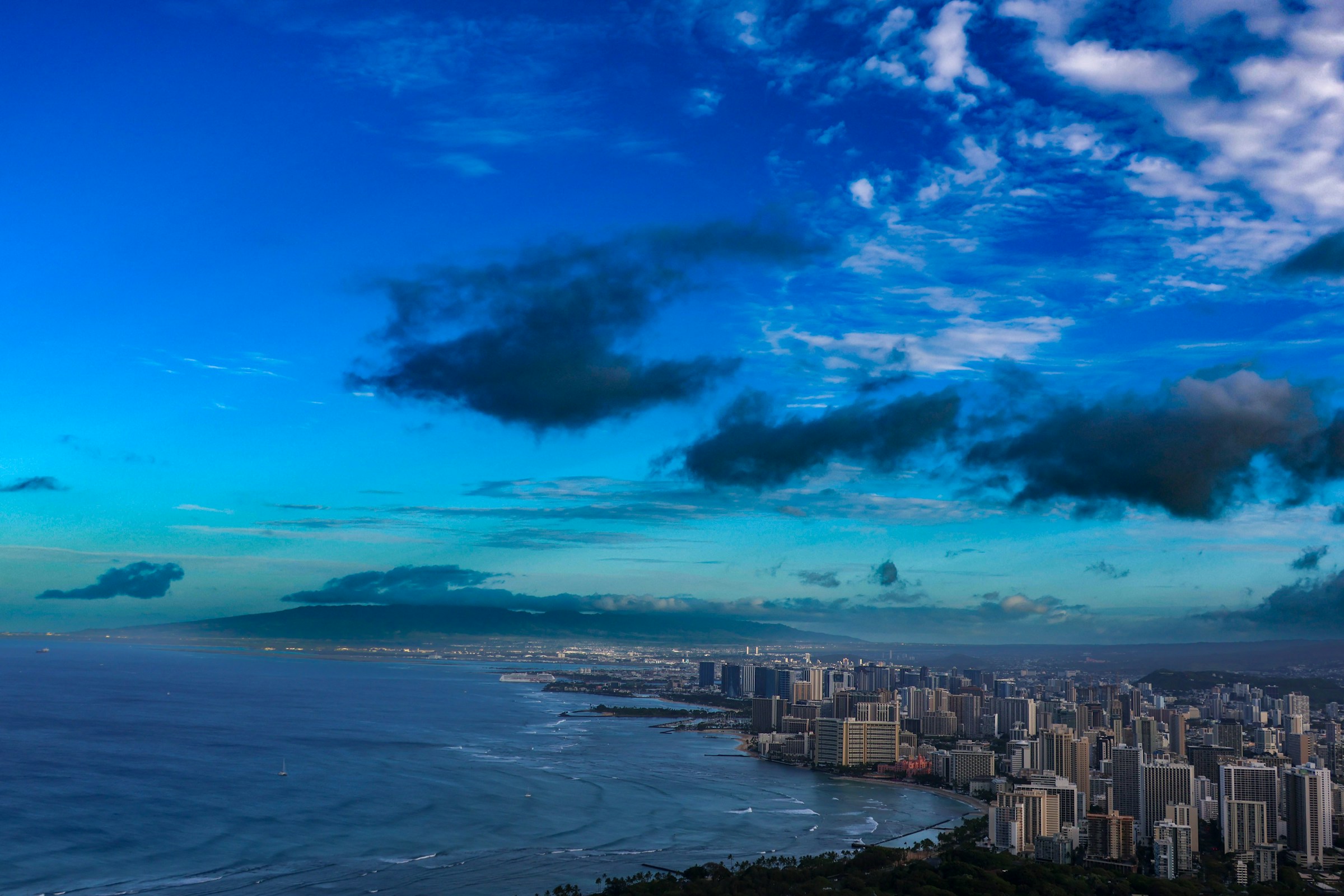
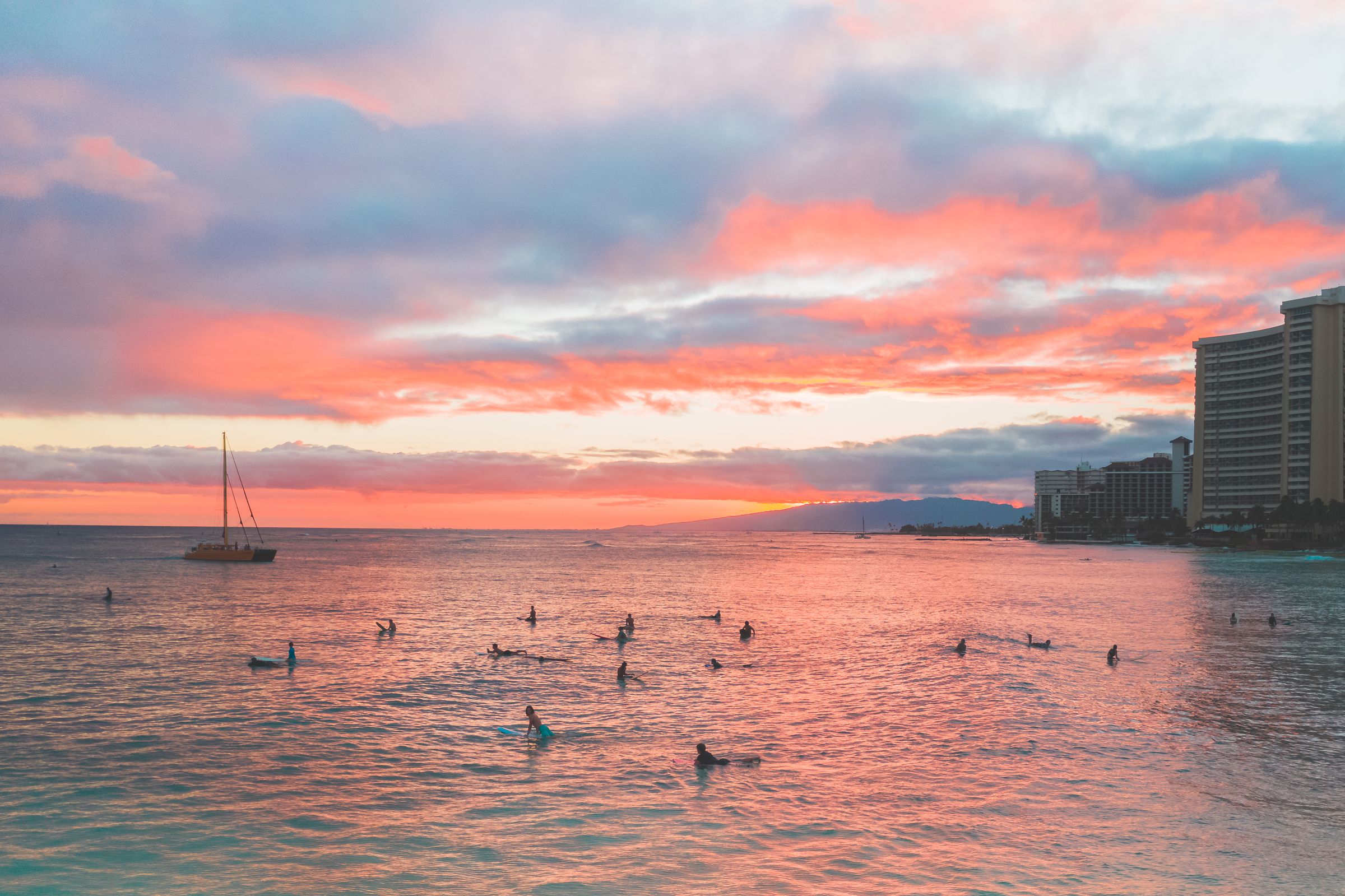
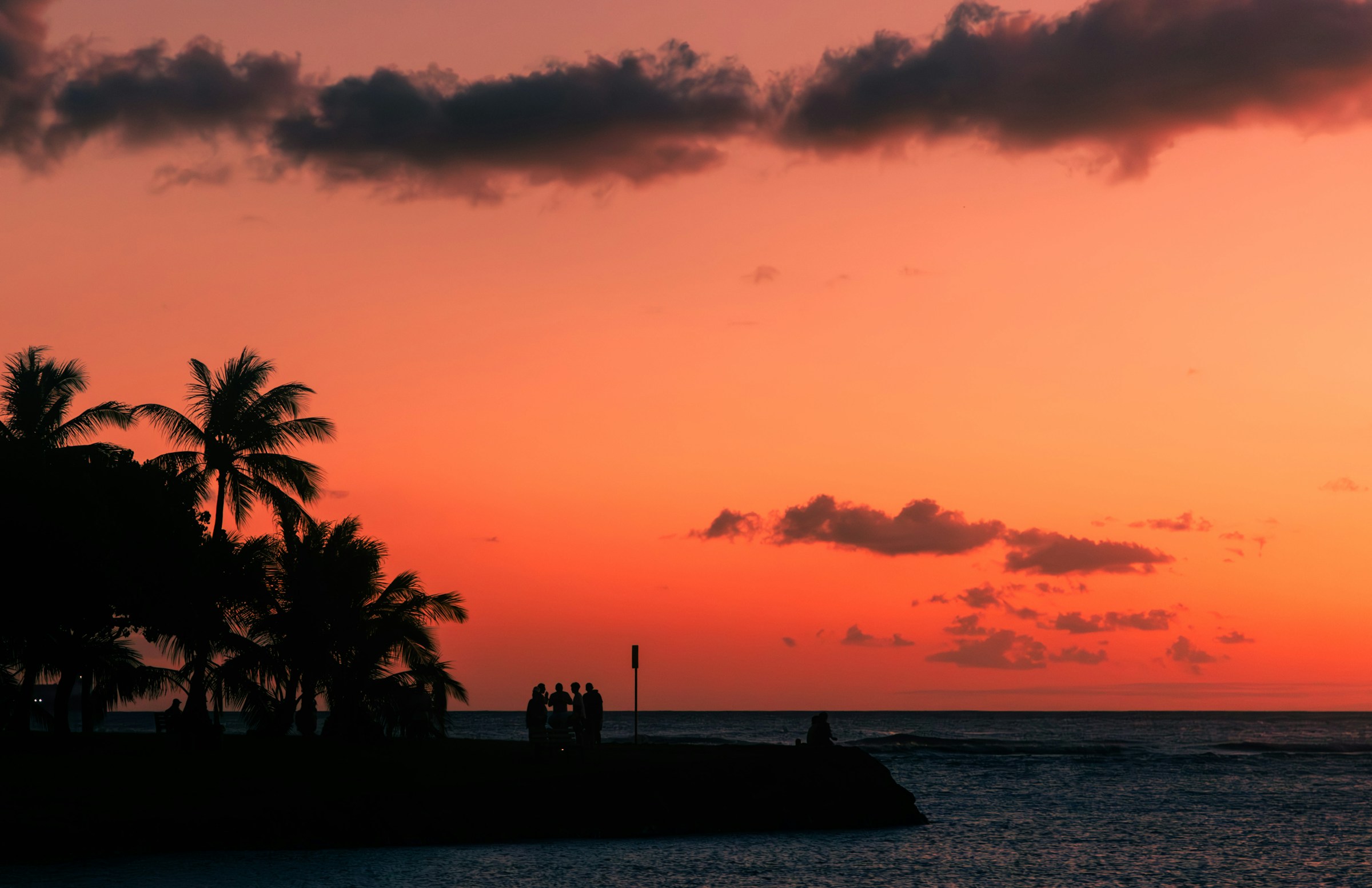
Here are three of the actual shots you’ll find inside the PDF — cinematic full-page references for the exact spots, lenses, and lighting conditions documented in the guide. The full guide includes 12 locations, each with a hero image, GPS map, settings table, and a five-shot list.

Diamond Head Summit (Lē'ahi) — from the Honolulu Photographer's GuideSave
Diamond Head Summit (Lē’ahi) — sample reference photo from the Honolulu Photographer’s Guide PDF

Before you shoot Honolulu: the essentials

  • Free public access: Ala Moana Beach Park, Magic Island Lagoon, Kapiolani Park, Chinatown streets, Tantalus Lookout, and Manoa Falls trailhead are all free; Diamond Head charges $5/person + $10/vehicle; Hanauma Bay charges $25/person (non-residents); Pearl Harbor visitor center free, USS Arizona Memorial requires free timed-entry reservation ($1 fee); Iolani Palace tours require paid tickets
  • Commercial permits: Diamond Head requires advance online reservation (recreation.gov / gohawaii.com); Hanauma Bay non-residents must reserve 2 days ahead at pros2.hnl.info; USS Arizona Memorial requires timed ticket from recreation.gov; Iolani Palace requires advance tour booking; commercial/professional photo shoots on palace grounds require Hawaii State Film Office permit
  • Best photography seasons: April–October (drier skies, longer golden hours); November–March for peak waterfall flow and humpback whale cameos
  • Blue hour notes: Waikiki faces west-southwest; blue hour begins ~20–30 minutes after sunset. Magic Island tip and Ala Moana Beach offer unobstructed western horizon for blue-hour cityscape shots. Near the equator, the blue-hour window is shorter (~10–15 minutes), so set up before the sun drops
  • Drone policy: Most major U.S. cities restrict drone flight in airspace and via local ordinances. Check FAA + city rules before launching.
  • Local resource: Official visitor information

The full-resolution version of every map below — plus seasonal calendars, gear notes per location, sun-angle diagrams, and a complete photographer’s packing checklist — is inside the Honolulu Photographer’s Guide PDF ($47).

1. Diamond Head Summit (Lē’ahi)

The only volcanic tuff crater summit accessible on foot in Honolulu, with a WWII-era fire-control station at the top offering framed 180° views of Waikiki, the Pacific coastline, and Koko Head. The tunnel and spiral staircase interior also makes for compelling architectural detail shots.

  • GPS: 21.2613, -157.8047
  • Elevation: 760 ft
  • Best time of day: sunrise — arrive for 6 AM entry to catch golden hour light bathing Waikiki from the summit bunker windows
  • Sun direction: Sun rises to the east-northeast; at summit, Waikiki and the Pacific lie to the west-northwest. At sunrise the low eastern light rakes across the crater floor and the coastline below glows gold. Avoid midday when harsh overhead light and haze flatten the scene
  • Access: Diamond Head State Monument, 18th Ave entrance off Diamond Head Rd. Online reservation required for non-residents (gohawaii.com/statepark). Entry fee: $5/person, $10/vehicle parking in crater. Open daily 6 AM–6 PM, last entry 4 PM. Bus TheBus routes 23/24 stop nearby; rideshare drop-off available at crater entrance
  • Difficulty: moderate
  • Recommended settings: Sunrise Coastal Panorama: f/8, 1/250 sec, ISO 100, 16mm  ·  Blue Sky Midday Cityscape: f/11, 1/500 sec, ISO 100, 24mm  ·  Interior Bunker Tunnel: f/2.8, 1/60 sec, ISO 1600, 24mm  ·  Hdr Bracketed Coastal: f/11, bracket -2/0/+2 stops, ISO 100, 16mm

Shots to chase:

  • Wide-angle panorama of Waikiki skyline and reef from the summit platform at sunrise
  • Silhouette of hikers against the bright Pacific through the WWII observation bunker window
  • Leading-line composition through the spiral staircase tunnel lit from above
  • Telephoto compression shot of the coastline curving from Diamond Head cliffs toward Koko Head
  • Aerial-style vertical downward shot into the green crater bowl from the highest viewpoint

Pro tip: Book the earliest available 6 AM entry slot to shoot during golden hour before crowds arrive and temperatures spike. The summit bunker windows face west-northwest, creating natural frames for Waikiki at sunrise. Bring a wide-angle lens (16–24mm) for the panorama and a 50–85mm for compressed coastal shots.

Common mistake to avoid: Arriving without a reservation — non-residents without tickets are turned away at the gate. Hiking in flip-flops on the steep, paved switchbacks and narrow staircase is hazardous. Shooting at midday produces washed-out, hazy cityscapes with no shadow depth.

2. Waikiki Beach Sunset Wall

One of the most iconic beaches on earth, Waikiki’s west-facing shore delivers a textbook golden-hour canvas: warm wet sand, silhouetted palms, Diamond Head as a backdrop, and outrigger canoes often returning to shore in perfect compositional timing.

  • GPS: 21.2712, -157.8234
  • Elevation: 3 ft
  • Best time of day: golden hour — 45–60 minutes before sunset when low western light turns the sand amber and silhouettes Diamond Head to the southeast
  • Sun direction: Sun sets over the open Pacific to the west-northwest. At Waikiki Wall (near the Outrigger / Fort DeRussy area), the camera faces west-southwest for a sunset-over-water composition, with Diamond Head visible over the left shoulder by rotating ~120°. On Oahu, sunset runs ~5:50 PM (winter) to ~7:15 PM (summer)
  • Access: Public beach, no fee. Street parking along Kalakaua Ave is metered and competitive; the Honolulu Zoo public parking lot (21.2715, -157.8211) is a reliable $1.50/hr option. TheBus routes 8, 19, and 20 serve Waikiki. The beach is open 24 hours; lifeguards on duty during daytime hours
  • Difficulty: easy
  • Recommended settings: Golden Hour Wide Seascape: f/8, 1/250 sec, ISO 100, 24mm  ·  Silhouette Portrait Backlit: f/2.8, 1/1000 sec, ISO 100, 85mm  ·  Long Exposure Wave Blur: f/16, 2 sec, ISO 100, 16mm, ND filter  ·  Blue Hour City Reflection: f/11, 8 sec, ISO 100, 24mm, tripod

Shots to chase:

  • Low-angle wide shot of wet sand reflections with Diamond Head silhouetted at golden hour
  • Silhouettes of outrigger canoe paddlers returning to shore against an orange sunset sky
  • Long-exposure wave-wash blur with Waikiki hotel towers lit up in the background at blue hour
  • Candid street-level beach scene capturing surfers, tourists, and palm shadows in late afternoon
  • Telephoto compression of the surf break with the full Waikiki skyline stacked behind it

Pro tip: Position yourself at the Waikiki Wall (concrete seawall near the Halekulani / Fort DeRussy area) for unobstructed westward sightlines and reflective wet pavement at high tide. Stay 10–15 minutes past sunset into blue hour — the Waikiki hotel towers light up and the sky turns deep indigo for cityscape long exposures.

Common mistake to avoid: Arriving exactly at sunset loses the gradual warm buildup — come 45 minutes early to work through the progression of light. Shooting with the sun directly in the frame without an ND filter overexposes the sky and silhouettes too starkly. Avoid weekday midday when umbrella clutter crowds the foreground.

3. Lanikai Pillbox Hike (Ka’iwa Ridge)

Twin WWII-era concrete observation bunkers perch on a razor-edge ridge with a 270° sweep of turquoise bays, twin offshore islets, and the Ko’olau mountain wall — considered Oahu’s most dramatic sunrise viewpoint. The pillboxes themselves are frequently decorated with graffiti art that adds street-art texture to compositions.

  • GPS: 21.3812, -157.7196
  • Elevation: 565 ft
  • Best time of day: sunrise — the trail faces east-southeast directly toward Mokulua Islands, delivering a front-row seat as the sun clears the ocean horizon
  • Sun direction: The ridgeline runs roughly northwest-southeast; the pillboxes face east-northeast. At sunrise the sun emerges directly above the Pacific and the twin Mokulua Islands, lighting the turquoise Lanikai and Kailua bays in warm gold. Midday and afternoon light becomes harsh and backlit for coastal shots
  • Access: Trailhead at end of Kaelepulu Dr, Lanikai/Kailua. No designated trailhead parking; park legally at Kailua Beach Park (free, 1 mi walk to trailhead) or along Mokulua Dr. No entry fee. Trail is maintained by Hawaii DLNR and Lanikai Association; open daily sunrise to sunset. ~45-minute drive from Waikiki
  • Difficulty: moderate
  • Recommended settings: Sunrise Seascape Panorama: f/8, 1/400 sec, ISO 100, 16mm  ·  Twilight Pre Dawn Bay: f/2.8, 4 sec, ISO 800, 24mm, tripod  ·  Pillbox Silhouette Portrait: f/5.6, 1/2000 sec, ISO 100, 35mm  ·  Telephoto Mokulua Islands: f/8, 1/500 sec, ISO 100, 200mm

Shots to chase:

  • Wide-angle sunrise shot from the second pillbox with Lanikai Bay, Kailua Bay, and twin Mokulua Islands in frame
  • Silhouette of hikers atop the concrete bunker against the first burst of orange on the horizon
  • Looking back along the knife-edge ridge with Ko’olau mountains as a dramatic green backdrop
  • Close-up of graffiti murals on the pillbox surfaces with the bay glowing in the background
  • Drone-perspective-mimicking elevated composition shooting straight down into the turquoise lagoon

Pro tip: Hike in the dark — leave Kailua Beach parking lot at least 45 minutes before sunrise with a headlamp so you reach the second pillbox before first light. The trail has two vertical rope-assisted sections that are trickier in the dark; move slowly. Dawn comes fast in Hawaii, so be set up and composed before the horizon brightens.

Common mistake to avoid: Arriving at sunrise instead of before it — the sky transforms rapidly and the best colors are fleeting. Loose gravel and steep rope sections are hazardous in sandals; proper trail shoes are essential. Shooting from the first (lower) pillbox misses the full bay panorama only visible from the second.

4. Hanauma Bay Overlook

Hanauma Bay is a collapsed volcanic crater that opens directly to the ocean, creating a circular turquoise sanctuary with reef visible through the clear water — one of the most photographed bays in the Pacific. The ridge overlook frames the full horseshoe shape of the crater with Koko Head as a backdrop.

  • GPS: 21.2693, -157.6935
  • Elevation: 300 ft
  • Best time of day: morning (8–10 AM) — the sun rises over the eastern headland and the shallow bay floor glows brilliant turquoise as light penetrates at a low angle through the clear water
  • Sun direction: The bay opening faces south-southwest. At the ridge overlook, you shoot down and south into the bay. Morning sun from the east-northeast backilluminates the water from behind the eastern headland, gradually shifting to overhead by 10 AM when color saturation peaks. Late afternoon is backlit and hazy from the parking-lot overlook
  • Access: 100 Hanauma Bay Rd, Honolulu, HI 96825. Bay itself is open Wed–Sun, 6:45 AM–4 PM. Non-residents: $25/person entry fee + $3 parking (cash only); reservation required at pros2.hnl.info. The ridge overlook area along Kalanianaole Hwy is accessible for free from the highway side. No entry fee to view from the highway ridge; fee applies only to descend to beach level
  • Difficulty: easy
  • Recommended settings: Midday Crater Aerial View: f/11, 1/800 sec, ISO 100, 24mm  ·  Morning Bay Color Peak: f/8, 1/500 sec, ISO 100, 35mm  ·  Telephoto Reef Detail: f/8, 1/400 sec, ISO 200, 200mm  ·  Wide Crater Panorama: f/11, 1/600 sec, ISO 100, 16mm

Shots to chase:

  • Full crater panorama showing the horseshoe bay and reef gradient from deep blue to turquoise to white sand
  • Telephoto compression of the beach with Koko Head Crater as a dramatic volcanic backdrop
  • Vertical panorama stitched from the ridge showing the bay entrance opening to the open Pacific
  • Polarizer-enhanced shot capturing the full spectrum of reef colors through the clear shallow water
  • Wide angle including the crumbling lava crater rim framing the bay below

Pro tip: Use a circular polarizer filter — it cuts glare and reveals the reef structure and water-color gradient dramatically. The free ridge overlook on the highway side offers the same top-down composition without paying the $25 beach entry. For the bay interior (beach-level shots), the tram from the parking lot is now included in the entry fee.

Common mistake to avoid: Shooting midday from sea level into the sun produces glare-washed, flat images; the overlook perspective is far more photogenic. Visiting on Monday or Tuesday when the bay is closed. Arriving without a reservation — non-residents are turned away if slots are sold out.

Want this in your pocket on the street?
The full-resolution version of every spot above — with full-page hero photography, GPS maps with gold location pins, sun direction diagrams, multi-season tables, and a complete safety + packing checklist — is inside the Honolulu Ultimate Photographer’s Guide PDF ($47). Print it, save it offline, take it on the walk. Get the guide →

5. ‘Iolani Palace

'Iolani Palace Honolulu photography sampleSave
‘Iolani Palace — cinematic reference from the Honolulu Photographer’s Guide PDF

The only royal palace in the United States and one of the most architecturally distinguished buildings in Honolulu — a National Historic Landmark built in 1882 for King Kalakaua. The Italian-Renaissance wraparound verandas, the ceremonial Coronation Pavilion, and the historic banyan trees create layered compositions unavailable anywhere else in Hawaii.

  • GPS: 21.3068, -157.8588
  • Elevation: 20 ft
  • Best time of day: morning (8–10 AM) — soft directional light illuminates the palace’s white-painted Florentine/American Composite facade without harsh shadows; blue sky backdrop peaks early
  • Sun direction: The palace faces south down King Street. Morning sun lights the front facade from the east-southeast, giving depth to the colonnaded verandas. By midday the sun is overhead and flattens the architecture. The banyan trees on the grounds create dappled shade in the afternoon that can work for detail shots
  • Access: 364 South King St, Honolulu, HI 96813. Open Tue–Sat, 9 AM–4 PM (ticket office 8:30 AM–3:30 PM). Guided and audio tours available; advance online booking required (no walk-ups). Adult tickets ~$22–27; children $6. No tripods, monopods, flash, or extended lenses permitted inside. Exterior and grounds may be photographed freely. Street parking on King St; nearby parking garage at Alii Place. TheBus routes 2, 13, 19, 20 stop on King St
  • Difficulty: easy
  • Recommended settings: Exterior Facade Morning: f/8, 1/400 sec, ISO 100, 35mm  ·  Veranda Architectural Detail: f/5.6, 1/250 sec, ISO 200, 50mm  ·  Interior Throne Room: f/2.8, 1/60 sec, ISO 3200, 24mm (no flash)  ·  Wide Grounds With Banyan: f/8, 1/500 sec, ISO 100, 16mm

Shots to chase:

  • Symmetrical front facade shot framed through the palace gate ironwork at 35mm
  • Low-angle wide shot of the tiered verandas with columns receding into the building
  • Interior throne room stained-glass and ornate ceiling (no flash, handheld high ISO)
  • The Coronation Pavilion surrounded by banyan trees in the golden morning light
  • Detail shot of the royal coat-of-arms ironwork on the main entrance gate

Pro tip: The Coronation Pavilion in the northwest corner of the grounds is a rarely-crowded architectural gem at any time of day. For exterior symmetry shots, stand on King Street directly in front of the main gate just before the tour opens at 9 AM for people-free compositions. No tripods are allowed even outdoors on the grounds — use Image Stabilization and high ISO for interior shots.

Common mistake to avoid: Attempting walk-in visits — the palace strictly requires advance reservations and turns away walk-ups. Bringing a tripod or monopod, which are prohibited inside and on the grounds. Shooting the interior with flash, which is banned and will have you removed from the tour.

6. Pearl Harbor USS Arizona Memorial

One of the most visited memorials in America, the USS Arizona Memorial floats directly above the sunken battleship where 1,177 sailors remain interred — oil still seeps from the wreck to the surface. The white concrete structure’s open design creates powerful compositional elements of sky, water, and the visible hull below.

  • GPS: 21.3648, -157.9499
  • Elevation: 5 ft
  • Best time of day: morning (7–10 AM) — soft eastern light avoids harsh overhead glare on the white memorial structure; the harbor surface is calmer and reflections are strongest before afternoon tradewind chop
  • Sun direction: The memorial spans east-west over the sunken Arizona hull. Morning sun rises behind the visitor center to the east and lights the memorial’s white arched form from the east-southeast. Afternoon sun moves behind the memorial, creating challenging backlit conditions from the viewing deck. Harbor water reflects the sky most cleanly in the morning calm
  • Access: 1 Arizona Memorial Place, Pearl Harbor, HI 96818. Pearl Harbor National Memorial is free. USS Arizona Memorial program requires a free timed-entry ticket from recreation.gov ($1 reservation fee). Open daily 7 AM–5 PM (closed Thanksgiving, Christmas, New Year’s Day). Parking at visitor center: $7/day (virtual pay via mobile). Bags and purses not allowed; cameras, water bottles, and wallets permitted. Allow at least 2 hours; program is 45 minutes including the film and boat transit
  • Difficulty: easy
  • Recommended settings: Memorial Exterior Morning: f/8, 1/500 sec, ISO 100, 24mm  ·  Harbor Long Exposure Reflection: f/16, 1/4 sec, ISO 100, 35mm, tripod on dock  ·  Oil Slick Detail: f/5.6, 1/500 sec, ISO 400, 100mm  ·  Visitor Center Museum Interior: f/2.8, 1/60 sec, ISO 1600, 24mm

Shots to chase:

  • Exterior wide shot of the white arched memorial from the boat approaching across the harbor
  • Through the memorial’s open-wall cutouts capturing sky, water, and the submerged hull below
  • Close-up of the marble wall of names in the shrine room lit by diffused skylight
  • Oil seeping from the Arizona hull creating rainbow iridescent circles on the water surface
  • Battleship Missouri (visible across the harbor) as a telephoto layered backdrop with the memorial in foreground

Pro tip: Photograph from the boat during both the approach and departure — these transitional moments offer the best full-structure compositions that are impossible from the memorial deck itself. The shrine room (names wall) is best photographed in portrait orientation with available skylight only — no flash allowed anywhere on the memorial.

Common mistake to avoid: Arriving without a recreation.gov reservation — same-day tickets are no longer available at the visitor center and programs fill weeks in advance. Bringing a bag or purse, which will be confiscated at the entry checkpoint (use a camera bag that’s open/mesh-visible or a small waist pack). Expecting to set up a tripod on the memorial deck — the structure sways gently and space is extremely limited.

7. Kapiolani Park / Waikiki Aquarium Area

Kapiolani Park is Honolulu’s historic 300-acre Victorian-era public park positioned at the base of Diamond Head, offering one of the most versatile photography locations in Honolulu — open lawns, banyan groves, the Waikiki Shell amphitheater, a historic natatorium, and the Pacific-fronting aquarium all within a short walk.

  • GPS: 21.2661, -157.8173
  • Elevation: 3 ft
  • Best time of day: sunrise — the park faces east toward Diamond Head and Koko Head, with the sunrise light washing the crater slopes gold while the park lawns remain in soft shade
  • Sun direction: Kapiolani Park occupies the eastern end of Waikiki, facing northeast toward Diamond Head. At sunrise the sun crests behind Diamond Head, producing a dramatic silhouette of the crater and rim-lighting the palm trees. The Waikiki Aquarium fronts the ocean on Kalakaua Ave, facing south; morning offers side-lit shots with the aquarium and Diamond Head in the same frame
  • Access: 2520 Monsarrat Ave entrance or Kalakaua Ave. Free public park, open 24 hours. Waikiki Aquarium (2777 Kalakaua Ave) is a separate paid attraction: ~$12 adults, open daily 9 AM–5 PM. Free street parking along Monsarrat Ave or the Zoo parking lot at $1.50/hr. TheBus route 2 and 14 serve the area
  • Difficulty: easy
  • Recommended settings: Sunrise Diamond Head Silhouette: f/11, 1/500 sec, ISO 100, 35mm  ·  Park Landscape Morning Light: f/8, 1/400 sec, ISO 100, 24mm  ·  Aquarium Building Exterior: f/8, 1/400 sec, ISO 100, 24mm  ·  Rain Puddle Reflection: f/11, 1/400 sec, ISO 100, 35mm

Shots to chase:

  • Diamond Head silhouette with morning sky reflected in park puddles after rain (the park is famous for this shot)
  • Banyan tree canopy framing Diamond Head crater slopes at golden hour
  • Wide-angle Waikiki Aquarium exterior with ocean backdrop and Diamond Head visible at 35mm
  • Kaimana Beach (adjacent) with Diamond Head framing the left third and surfers in motion
  • Waikiki Shell amphitheater interior showing the curved coral-pink structure against a blue sky

Pro tip: After any rainfall, the park’s flat lawns collect mirror-like puddles that produce stunning Diamond Head reflections — the most-shared Kapiolani Park photograph. Kaimana Beach (San Souci Beach) just east of the aquarium is a quieter, less-crowded alternative to Waikiki with the same Diamond Head backdrop and much less beach clutter.

Common mistake to avoid: Shooting the park from the Kalakaua Ave side with the sun in your face in the afternoon gives flat, backlit results. The zoo fencing along the park’s western edge creates ugly line clutter — frame away from it. Weekend mornings bring 5K races and events that close lawn areas.

8. Ala Moana Beach Park

Honolulu’s premier urban beach park stretches over 100 acres with a half-mile gold-sand beach, a protected swimming lagoon, and an unobstructed western horizon — making it Oahu’s top blue-hour cityscape photography location. The calm lagoon surface acts as a mirror for the skyline and sunset colors.

  • GPS: 21.2928, -157.8503
  • Elevation: 3 ft
  • Best time of day: blue hour — 15–30 minutes after sunset, the Honolulu skyline and Ala Moana Center towers light up against deep indigo sky while the lagoon reflects the lights in still water
  • Sun direction: The beach faces due south with a clear western horizon. At sunset the sun drops over the Pacific to the west-southwest; the Honolulu/Waikiki skyline rises to the east-southeast. Blue hour from the lagoon gives a 180° shot with the lit skyline on the right and open ocean on the left — ideal for wide-angle cityscape captures
  • Access: 1201 Ala Moana Blvd. Free public park, open daily dawn to 10 PM. Large free parking lot (1,000+ spaces) adjacent to the park and Ala Moana Center. TheBus routes 19, 20, 42 stop on Ala Moana Blvd. Lifeguards daily; the lagoon is calm and protected by a breakwater
  • Difficulty: easy
  • Recommended settings: Blue Hour Skyline Long Exposure: f/11, 15 sec, ISO 100, 24mm, tripod  ·  Golden Hour Beach Portrait: f/2.8, 1/400 sec, ISO 100, 85mm  ·  Sunset Silhouette Wide: f/8, 1/500 sec, ISO 100, 24mm  ·  Lagoon Reflection Still Water: f/8, 4 sec, ISO 100, 35mm, tripod

Shots to chase:

  • Blue-hour cityscape with Honolulu skyline and hotel towers perfectly reflected in the lagoon at f/11 long exposure
  • Sunset silhouette of palm trees against an orange Pacific sky at the western end of the beach
  • Long-exposure wave-silk effect at the sandy beach shoreline with city lights in background
  • Wide-angle shot including the Ala Moana Center iconic ‘A’ sign lit up with the beach in the foreground
  • Fishermen casting lines from the breakwater against a colorful post-sunset sky

Pro tip: Set up your tripod at the lagoon’s north shore 20 minutes before sunset to catch the full progression from golden hour through blue hour. The lagoon’s protected water is mirror-flat on calm days — wait for still conditions rather than windy afternoons. The park’s western breakwater offers an elevated platform for unobstructed ocean-horizon sunset shots.

Common mistake to avoid: Packing up at sunset and missing the blue hour, which is when the skyline lights and sky color create the most dramatic images. Using a handheld camera for the 10–20 second blue-hour exposures required — a tripod is non-negotiable. Parking on weekends requires patience as the main lot fills by mid-morning.

Want this in your pocket on the street?
The full-resolution version of every spot above — with full-page hero photography, GPS maps with gold location pins, sun direction diagrams, multi-season tables, and a complete safety + packing checklist — is inside the Honolulu Ultimate Photographer’s Guide PDF ($47). Print it, save it offline, take it on the walk. Get the guide →

9. Mānoa Falls

Mānoa Falls Honolulu photography sampleSave
Mānoa Falls — cinematic reference from the Honolulu Photographer’s Guide PDF

A 150-foot waterfall plunging down a moss-covered basalt cliff into a mist pool at the back of a lush tropical rainforest valley — featured in Jurassic Park and Lost filming locations. The trail passes through bamboo groves, native ohia trees, and fern-draped walls before arriving at the dramatic falls.

  • GPS: 21.3324, -157.8005
  • Elevation: 1,007 ft
  • Best time of day: morning (6–9 AM) — soft diffused light filters through the jungle canopy without harsh shadows; the falls flow strongest after overnight rain and the mist creates an ethereal atmosphere
  • Sun direction: The valley runs south-to-north; the waterfall faces roughly southward at the base of the Ko’olau Mountains. The dense rainforest canopy filters and diffuses all direct sunlight — directional light is irrelevant at the falls itself. The open bamboo grove section of the trail has brief shafts of early morning light that create dramatic green-gold glow when shot toward the east
  • Access: 3860 Manoa Rd (Paradise Park trailhead), Honolulu, HI 96822. Trail free to hike. Parking: $7/vehicle at the Paradise Park lot (fills fast after 9 AM). Open sunrise to sunset. No bags/purses in the water pool; do not swim due to Leptospirosis risk. Trail length: 1.6 miles round trip. Check Na Ala Hele (hawaiitrails.hawaii.gov) for closures before visiting
  • Difficulty: moderate
  • Recommended settings: Waterfall Long Exposure Silky: f/16, 1–4 sec, ISO 100, 24mm, tripod, ND filter  ·  Bamboo Grove Shafts Of Light: f/4, 1/125 sec, ISO 800, 35mm  ·  Falls Overview Natural Light: f/8, 1/30 sec, ISO 400, 24mm  ·  Rainforest Canopy Green: f/5.6, 1/250 sec, ISO 400, 16mm

Shots to chase:

  • Classic long-exposure silky waterfall at 1–4 seconds with mossy basalt frame and green ferns
  • Bamboo grove section with shafts of morning light breaking through the canopy at low angle
  • Wide-angle shot capturing the full height of the falls with the tropical forest walls converging
  • Macro or close-up of the moss-covered lava rocks with mist droplets at the falls base
  • Looking up the valley from the trailhead with the Ko’olau ridge visible through a break in the canopy

Pro tip: Visit 2–3 days after heavy rain for peak flow — the falls run much stronger than in dry spells. Bring a microfiber cloth to wipe lens mist between shots at the falls pool, and use a lens hood. The bamboo grove midway is a secondary must-photograph spot; shoot toward the east in early morning for the best light shafts through the stalks.

Common mistake to avoid: Attempting the trail in sandals — the path is slick clay and exposed roots that require hiking shoes. Shooting at the falls in direct midday sun, which creates harsh contrast and washes out the misty atmosphere. Swimming in the pool is banned and dangerous due to Leptospirosis bacteria in the water.

10. Tantalus Lookout (Pu’u ‘Ualaka’a State Park)

The widest single-vantage panoramic view in urban Honolulu — a 180°+ sweep spanning Diamond Head crater, the full Waikiki and downtown skyline, Pearl Harbor, and the Waianae Mountains, all seen from 1,048 feet through a tropical-green foreground. Rainbows are common in the valley below, especially after afternoon showers.

  • GPS: 21.3181, -157.8233
  • Elevation: 1,048 ft
  • Best time of day: golden hour / sunset — the lookout faces southwest over Honolulu and the city glows gold in the late afternoon light with Diamond Head visible to the southeast
  • Sun direction: The main lookout platform faces south-southwest and west. At sunset the sun descends over the western Waianae Mountains range — not directly into the Pacific — but the low light floods the entire city below in warm amber. Diamond Head is visible ~7 miles to the east-southeast, and Pearl Harbor appears ~9 miles to the west-northwest on clear days
  • Access: Pu’u ‘Ualaka’a State Wayside, Round Top Dr, Honolulu, HI 96822. Free admission, no reservation required. Open daily 7 AM–7:45 PM (summer, Apr–Labor Day) / 7 AM–6:45 PM (winter). Two parking lots: main lot (~45 cars, 5-min walk to viewpoint) and small lot directly at the overlook (~12 cars). High vehicle-break-in area — leave no valuables. ~15–20 min drive from Waikiki via Round Top Dr. No bus service; car, rideshare, or Uber/Lyft required
  • Difficulty: easy
  • Recommended settings: Golden Hour City Panorama: f/11, 1/250 sec, ISO 100, 16mm  ·  Sunset Telephoto Layers: f/8, 1/500 sec, ISO 100, 70mm  ·  Rainbow After Shower: f/8, 1/400 sec, ISO 100, 24mm  ·  Twilight City Lights: f/11, 8 sec, ISO 100, 24mm, tripod

Shots to chase:

  • Full 180° panorama (multi-stitch) from Diamond Head to Pearl Harbor in golden afternoon light
  • Telephoto shot of the Waikiki skyline compressed against the Pacific with Manoa Valley green walls in foreground
  • Double rainbow arching over Manoa Valley after a passing shower with the city below
  • City lights long-exposure after park closing from the alternate roadside viewpoint open 24/7
  • Foreground of lush tropical trees framing the Diamond Head profile at sunset

Pro tip: Arrive 30–45 minutes before sunset to secure the small overlook parking lot and scout your composition. After the park gates close, an alternative roadside pullout 0.5 miles back down Round Top Drive gives the same view 24 hours — ideal for capturing Honolulu’s city lights on a tripod after dark. Watch for rainbows over Manoa Valley in the afternoon, particularly after trade-wind showers.

Common mistake to avoid: Arriving at sunset instead of before it — the small overlook fills and latecomers park far away and miss the prime light. Leaving valuables visible in cars in a high-theft area. Missing the 360° view by only looking southwest — turning around reveals the Ko’olau ridge and Manoa Valley.

11. Chinatown Historic District

One of the oldest Chinatowns in the US, with 120-year-old Italianate brick buildings, open-air lei stands, traditional herb shops, a historic Hawaii Theater, and a growing street-art mural scene — the Wo Fat building (Hotel & Maunakea Sts) hosts a celebrated dragon mural by artist Solomon Enos, and Smith Street has several vivid community murals.

  • GPS: 21.3075, -157.8642
  • Elevation: 20 ft
  • Best time of day: morning (7–10 AM) — market vendors, herb sellers, and flower stalls are active; soft morning light rakes across historic facades; lower foot traffic allows cleaner street compositions
  • Sun direction: Chinatown’s main streets (Hotel St, Maunakea St, Nu’uanu Ave) run roughly north-south. Morning sun from the east provides low-angle side lighting on the 1900s-era masonry buildings and merchant signage. By midday harsh overhead light creates flat, unflattering results on street facades
  • Access: Bounded by Nu’uanu Stream, Beretania St, Nu’uanu Ave, and Honolulu Harbor. Streets are public and open 24 hours. The Chinatown Open Market (Kekaulike St) is busiest Tue–Sat, 6 AM–2 PM. Free street parking and metered lots along Nu’uanu Ave. TheBus routes 2, 13, 19, 20 serve downtown Honolulu. The Chinatown Historic District is a National Register of Historic Places area
  • Difficulty: easy
  • Recommended settings: Street Scene Morning: f/5.6, 1/250 sec, ISO 400, 35mm  ·  Mural Wide Environmental: f/8, 1/400 sec, ISO 100, 24mm  ·  Market Vendor Portrait: f/2.8, 1/500 sec, ISO 400, 85mm  ·  Hawaii Theater Facade: f/8, 1/400 sec, ISO 100, 24mm

Shots to chase:

  • The Wo Fat building dragon mural (Hotel & Maunakea Sts) as a full-frame environmental portrait with passersby for scale
  • Lei garland vendors at Kekaulike Open Market with color-saturated floral arrangements against aging brick walls
  • Street-level looking down Hotel Street with historic storefronts receding into the distance at sunrise
  • Hawaii Theater (1130 Bethel St) Beaux-Arts facade lit by morning sun — the ‘Pride of the Pacific’
  • Narrow alley detail shot of traditional Chinese herb shops with hanging dried herbs and hand-painted signs

Pro tip: Smith Street between Hotel and Beretania Streets has the highest concentration of murals plus community-painted telephone kiosks on Fort Street Mall — walk this circuit first. The Nuuanu Stream pedestrian bridge offers a clean shot of the Chinatown skyline with the historic buildings reflected in the water. The First Friday art walk (7–10 PM, first Friday of each month) brings gallery openings and transforms the district into a vibrant night-photography scene.

Common mistake to avoid: Arriving after 11 AM on a weekday when the fresh market is winding down and the interesting street activity has passed. Shooting the murals from too close — stepping back to include context (street life, building scale, passersby) tells a stronger visual story. Midday harsh light washes out the mural colors and creates heavy shadows under awnings.

12. Magic Island Lagoon

The only spot in Honolulu where you can simultaneously capture the full Waikiki skyline, the Diamond Head profile, the open Pacific, and calm lagoon reflections from a 360° perspective — rated the top sunset and blue-hour photography location in the city by local photographers.

  • GPS: 21.2829, -157.847
  • Elevation: 3 ft
  • Best time of day: blue hour — 15–25 minutes after sunset, the protected lagoon surface becomes a mirror reflecting the Waikiki skyline and post-sunset sky colors with the breakwater extending into the ocean
  • Sun direction: Magic Island is a manmade peninsula on the western end of Ala Moana Beach, with the lagoon on its eastern side and open Pacific to the west and south. At sunset the sun descends over the open Pacific to the west; the camera faces east or northeast to capture the Waikiki/Honolulu skyline glowing in reflected sunset light. Blue hour with a northward orientation captures both the lit skyline and the color-drenched sky
  • Access: End of Ala Moana Blvd at Ala Moana Beach Park (free, same large lot). Open daily 5 AM–10 PM. No entry fee. The tip of Magic Island and the outer breakwater are accessible to walk. TheBus routes 19, 20 stop at Ala Moana; short walk to the lagoon tip
  • Difficulty: easy
  • Recommended settings: Blue Hour Lagoon Reflection: f/11, 20 sec, ISO 100, 24mm, tripod  ·  Golden Hour Skyline Warm: f/8, 1/100 sec, ISO 100, 35mm  ·  Breakwater Seascape Waves: f/11, 1/2 sec, ISO 100, 24mm  ·  Night City Lights Long: f/11, 30 sec, ISO 100, 24mm, tripod

Shots to chase:

  • Blue-hour mirror reflection of the Waikiki skyline perfectly inverted in the still lagoon surface
  • 360° panorama from the tip of Magic Island showing ocean west, skyline east, and Diamond Head south
  • Long-exposure waves breaking over the outer breakwater with city lights in the background
  • Silhouette of people on the breakwater against a deep orange post-sunset sky with the ocean surrounding them
  • Telephoto shot compressing the Diamond Head profile with the lit Waikiki hotel towers stacked behind it at blue hour

Pro tip: The very tip of the Magic Island peninsula is the best position for the reflection shot — the lagoon is protected from wind chop by the surrounding land, keeping the water mirror-flat. On the ocean-facing breakwater side, you can photograph breaking waves with the city behind you using a 1/2-second exposure for silk-water effect. Arrive at least 30 minutes before sunset to scout exact positioning and set up your tripod.

Common mistake to avoid: Shooting only during sunset and missing the blue hour — the reflection shots and city-light compositions are dramatically better in the 15–25 minutes after the sun disappears. Wind from afternoon tradewinds can ripple the lagoon; wait for brief calm moments between gusts for the cleanest reflections. The main lot fills on weekend evenings — arrive early or plan to walk from the Ala Moana mall parking structure.

When to photograph Honolulu: a year-round breakdown

Honolulu is photogenic every month of the year — but the conditions differ radically by season. Here is what to expect:

April–October (drier skies, longer golden hours); November–March for peak waterfall flow and humpback whale cameos

Photographer safety in Honolulu: read this

City photography has its own risks: gear visibility, neighborhood timing, traffic, weather. Read the briefing before you go.

  • Gear visibility: Use a discreet bag with no obvious camera branding. Keep a body strapped under a jacket on transit.
  • Neighborhood timing: Pre-dawn and post-sunset shoots reward early scouting. Cross-reference each location with current local guidance and choose well-lit transit routes.
  • Situational awareness: Headphones out. One eye in the viewfinder, one on the street.
  • Traffic: Bridges, medians, and bike lanes are not setup zones. Shoot from sidewalks and pedestrian areas only.
  • Weather: Summer storms move quickly; winter cold drains batteries. Layer up, keep gear dry, watch for ice on cobblestones at blue hour.

The complete safety briefing is inside the Honolulu Photographer’s Guide PDF.

Take this guide into the city

This post is the complete field reference. The Honolulu Ultimate Photographer’s Guide PDF is the field-deployable version: full-page resolution hero photography, GPS maps with gold pins for every location, multi-season shooting calendars, gear notes per location, sun-angle diagrams, the full city safety briefing, and a print-ready editorial layout in Framehaus black and gold. Save it offline. Print it. Take it on the walk.

Honolulu Ultimate Photographer’s Guide
Downloadable PDF · 12 GPS-mapped locations · Multi-season calendar · City safety briefing · Packing checklist

Get the Honolulu guide — $47

Combo Deal

Get the Honolulu Guide + Preset Pack

Photograph it. Edit it. Done.

$66
$54
Save $12
PDF Guide Every spot, GPS, golden hour
Preset Pack 20 Lightroom presets
Book your tours & experiences in Honolulu

All links go to Viator (a TripAdvisor company), the world’s largest marketplace for guided experiences. Tagged as affiliate per FTC.

Also on Amazon: gear that helps with this technique

Quick Amazon shortcuts to the gear most useful for this kind of shot. Use them if Prime shipping or Amazon credit makes more sense than B&H. As an Amazon Associate ShutYourAperture earns from qualifying purchases.

Take Honolulu home in your pocket.

Every shot location, every angle, every time of day worth shooting. Printable PDF + GPS-tagged map.

Instant download. Works on phone, tablet, and printed.

Continue reading

← Back to U.S. Cities Photography Guides

Related guides nearby

Three more photography guides within striking distance — perfect for combining into one trip.

Browse all 78 guides → · Open the map

Save your trip-planning hours

The complete Honolulu guide is $47

All vantage points above + 5 bonus secret spots, printable map, gear pack list, and editing recipes. One-time payment, instant download, lifetime updates.

Buy Honolulu PDF →

Common questions about the Honolulu guide

Is the Honolulu photography guide worth $47?

For most photographers, yes. The guide saves 8-12 hours of trip-planning research and prevents the most common mistake of Honolulu photography: shooting at the wrong time of day. If a single better frame is worth $47 to you, the guide pays for itself on day one. Buyers get every GPS coordinate, every golden-hour window, every cultural rule, and a printable shot list.

Does the Honolulu guide include GPS coordinates?

Yes — every vantage point in the guide has Google Maps-ready GPS coordinates so you can pin them before you fly. The guide also includes a printable map showing all locations clustered by walking distance, so you can build efficient half-day routes.

What's in the Honolulu PDF that isn't in this article?

The article shows the highlights. The PDF includes: 5 additional secret spots not published online, a 14-day itinerary with daily routes, the full camera-settings cheat sheet for every scenario in Honolulu, a printable gear packing list, post-processing recipes with screenshot examples, and a list of local guides we trust for portrait commissions.

Do I get the Lightroom presets too?

The $47 guide is the PDF only. The matching Honolulu preset pack is a separate $19 download — most buyers grab both as a bundle and save the editing time. Both are instant download, both work on Lightroom Classic and Lightroom Mobile.

Will the guide work for a Honolulu trip in 2026?

Yes. The guide is updated annually as fees, restrictions, and new vantage points change. All buyers get free lifetime updates. The 2026 edition includes the latest drone rules, museum photography policies, and seasonal light data for the year.

Get the Honolulu guide · $47